


Hit the gym before you hit the books
16/01/2017
We know the value of time. We’re all juggling different combinations of classes, extracurricular actives, internships and part-time jobs while attempting to maintain some semblance of a social life.
When you finally have a moment to spare, why don’t you go to the gym!
There are plenty of good reasons to be physically active.
- Reduce the odds of developing heart disease, stroke, and diabetes.
- Changes the brain in ways that protect memory and thinking skills
- Help you to better deal with daily stress
With this increase of overall mental well being (less depression, less anxiety, increased self-esteem) you will be enabled to perform better in your studies. So remember, both your body and mind need physical activity to function at their peak. A strong body leads to a strong mind.
Luckily, we do have a gym on campus!
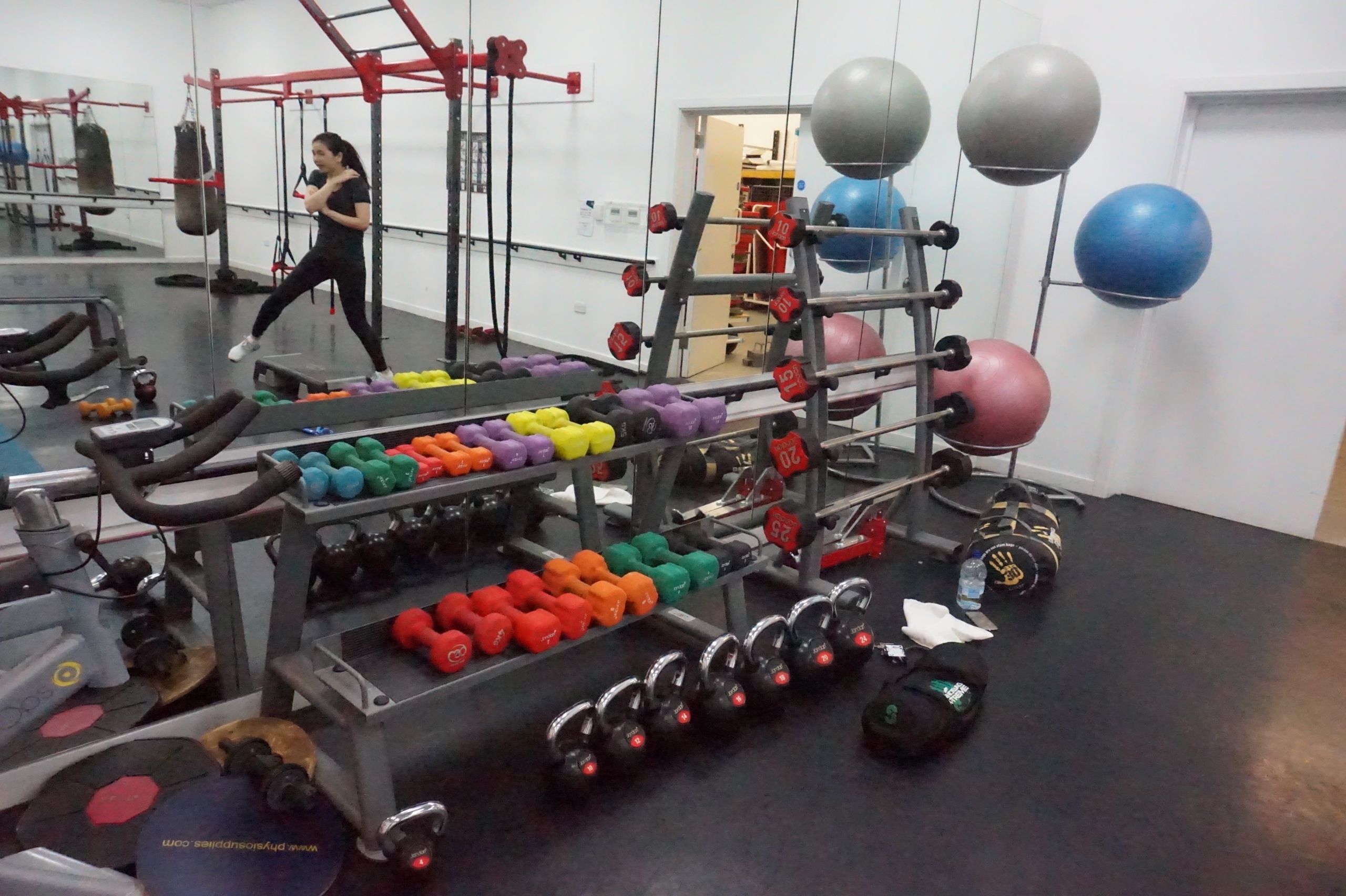
[su_custom_gallery source=”media: 5083,5084,5085,5088,5089,5103″ width=”363″ height=”242″ title=”never”]The opening hours are 7am-10pm (Mon-Fri)/ 10am-9pm(Sat-Sun) and there are quite a few membership options for students, including a one year contract (£145), three months (£50), six months (£85). You have to make an appointment for induction otherwise you can’t join or activate your membership. They run Group Exercise (GX programmes) such as yoga, boxing etc. I haven’t tried their GX yet, since I do have my own circuit programme!
[su_custom_gallery source=”media: 5095,5100,5096″ width=”363″ height=”242″ title=”never”]We try to work out three times in a week! Each session is for about an hour – 30 mins of cardio, 30 mins of intensive circuit training!
Sometimes, a few friends join our circuit training, the maximum is around five people. If anyone is interested in joining our circuit training, let me know! We are very happy to have more people!

Categories & Tags:
Leave a comment on this post:
Comments are closed.
You might also like…

Engineering Tomorrow. Part two: Can we move around the world without emissions?
Moving people and goods around the world is essential to modern life. But every journey has an environmental cost, and reducing the emissions associated with transport is one of the major engineering challenges of ...

Following in the footsteps of aerospace pioneers
I came to Cranfield to understand how aircraft stay in the sky. Months later, I was measuring the performance of aircraft engines in flight aboard the National Flying Laboratory Centre's Saab 340B. My ...

From looking up at jet engines to powering the future of flight
From flying aboard Cranfield's Saab 340B flying classroom to rebuilding a gas turbine component by component, Jouni Kailouh's journey shows how specialist, hands-on experience can turn a fascination with propulsion into a future career ...
Engineering Tomorrow. Part one: Can we power the future without costing the Earth?
The world needs energy. To power homes, industries, transport and the technologies shaping our future. But as demand grows and the pressure to reduce emissions increases, how do we generate the energy we need ...

Looking ahead: Building foresight skills for a more sustainable future
As sustainability challenges become more complex and uncertain, organisations need people who can look beyond today's pressures and think strategically about the future. From changing regulations and emerging technologies to supply chain disruption and ...

Brazil to Cambridge: How Cranfield helped me build a career in data analytics
I was hungry for something bigger. Before Cranfield, I was living in São Paulo, Brazil, working as a Data and Market Intelligence Analyst in the trading division of Raízen. My background is actually ...
Afternoon,
how much is it for a memberhsp.
can i still use the facilities of not a university student