


Liverpool study tour: Connecting classroom learning with industry practice
22/05/2026
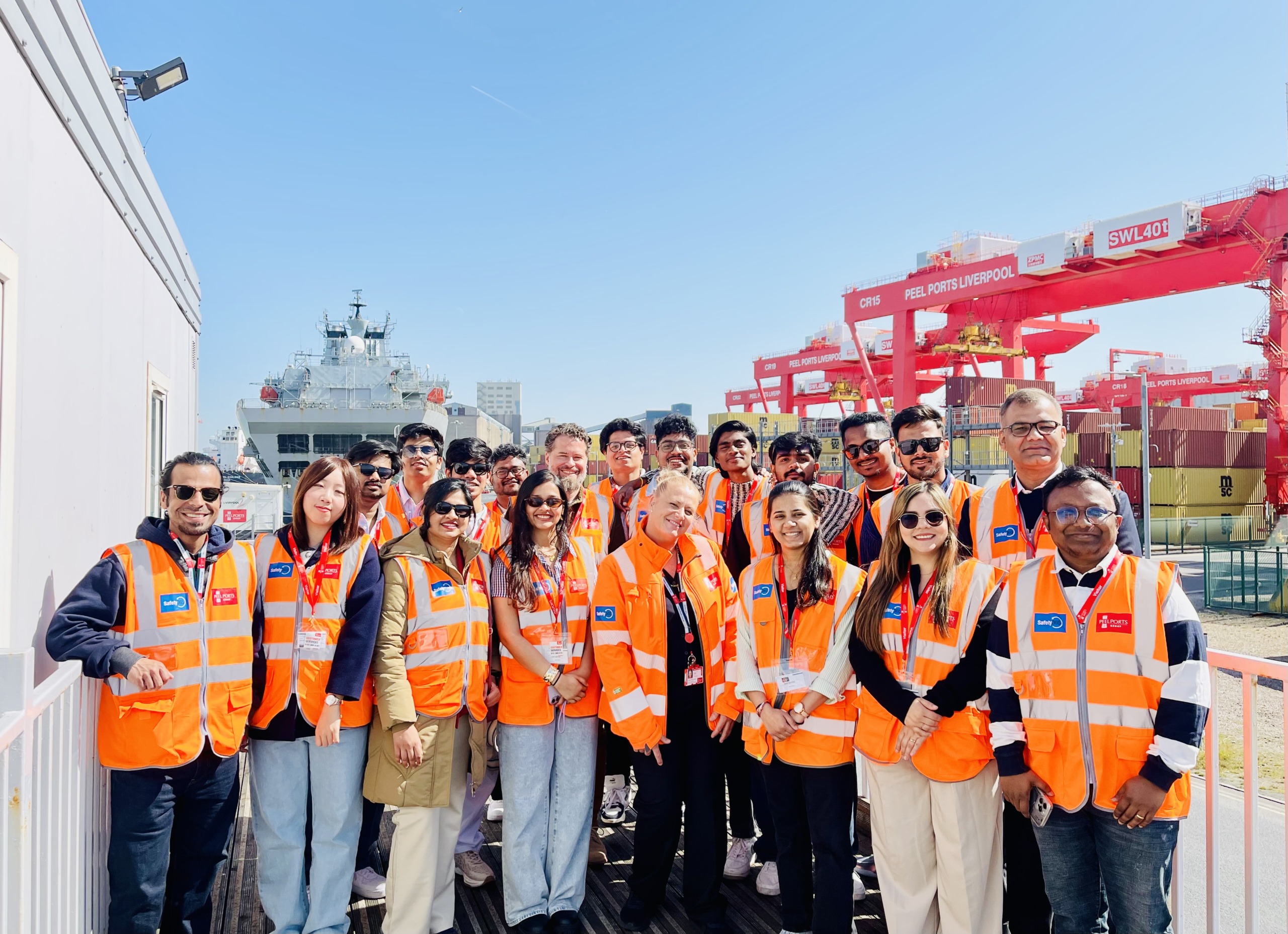
From 21 to 24 April 2026, the MSc Logistics and Supply Chain Management cohort at Cranfield University took part in a valuable Liverpool Study Tour. The visit was a strong example of our close industry links and focus on connecting academic learning with real operational environments.
The tour gave us the opportunity to see how supply chain concepts are applied across different settings, including manufacturing, port logistics, e-commerce fulfilment, warehousing, customer-facing operations and heritage-led business environments. Each visit added a different perspective and helped bring classroom learning to life.
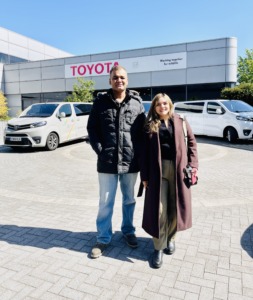
At Toyota Motor Europe and Toyota Academy, we observed how the Toyota Production System, lean principles, continuous improvement and automation work in practice. The visit showed how discipline, standardisation, flow, quality focus and process control support manufacturing excellence. It also highlighted the close connection between inbound and outbound operations, where materials, people, systems and finished products must move in a coordinated way.
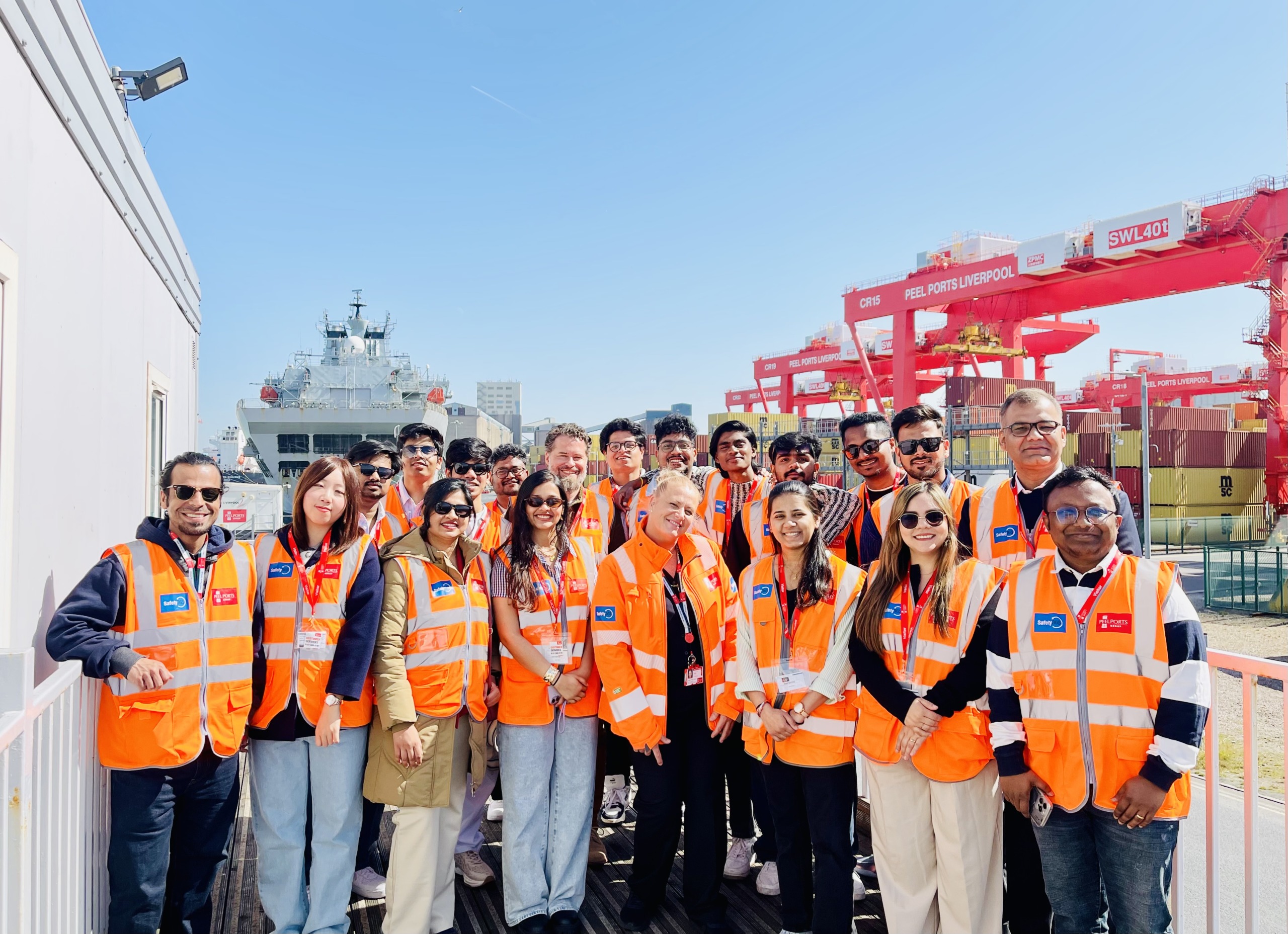
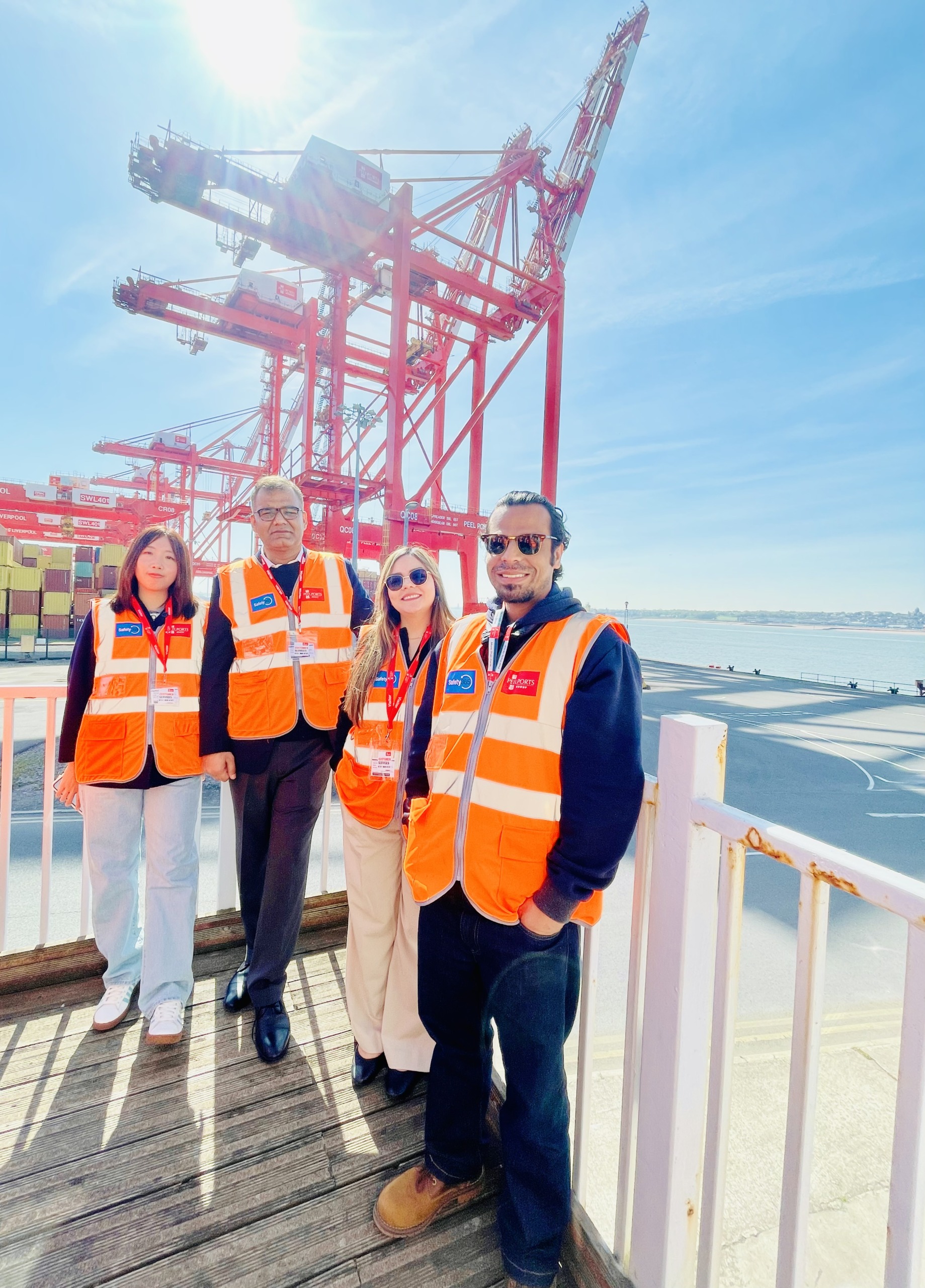
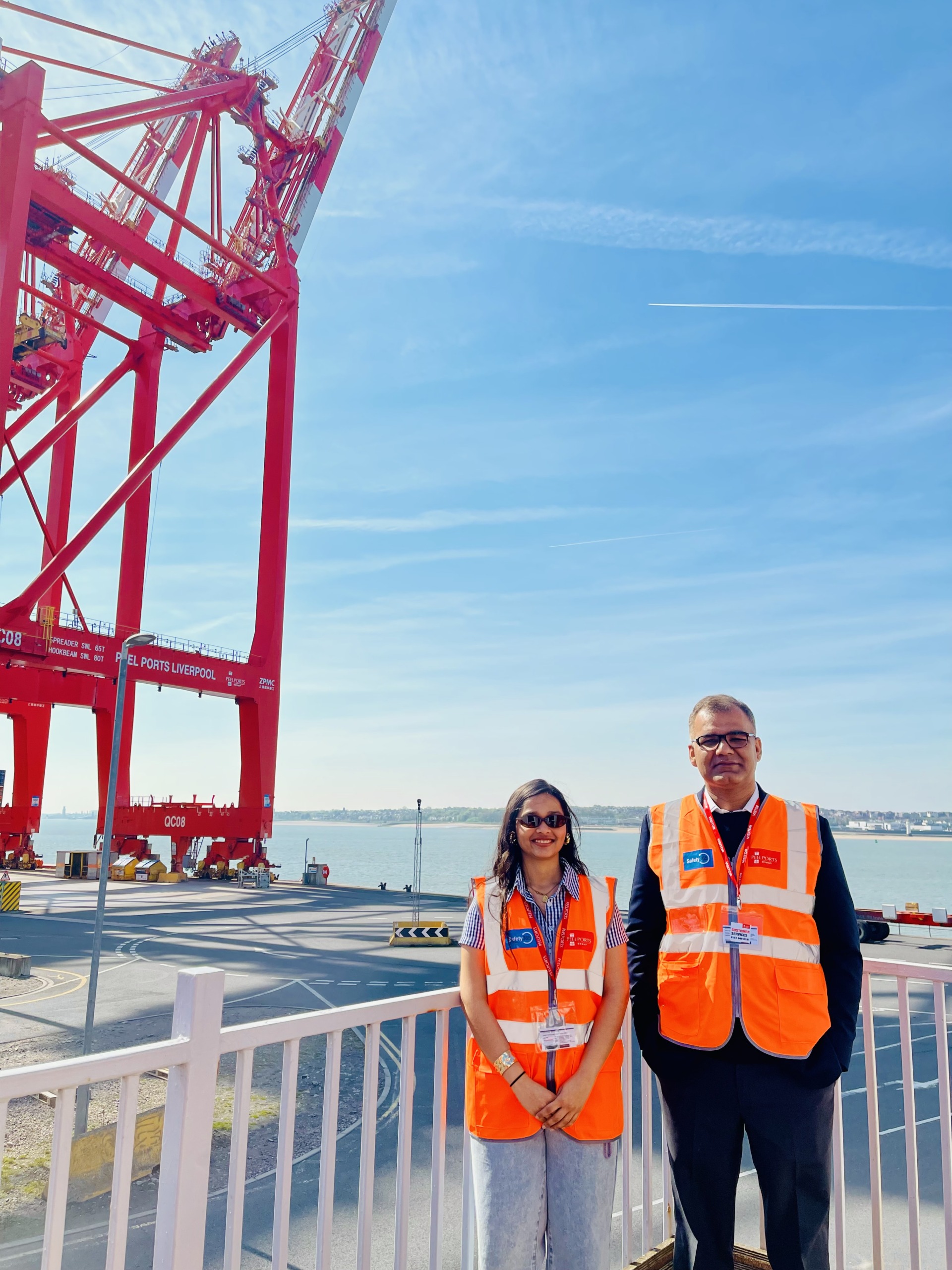
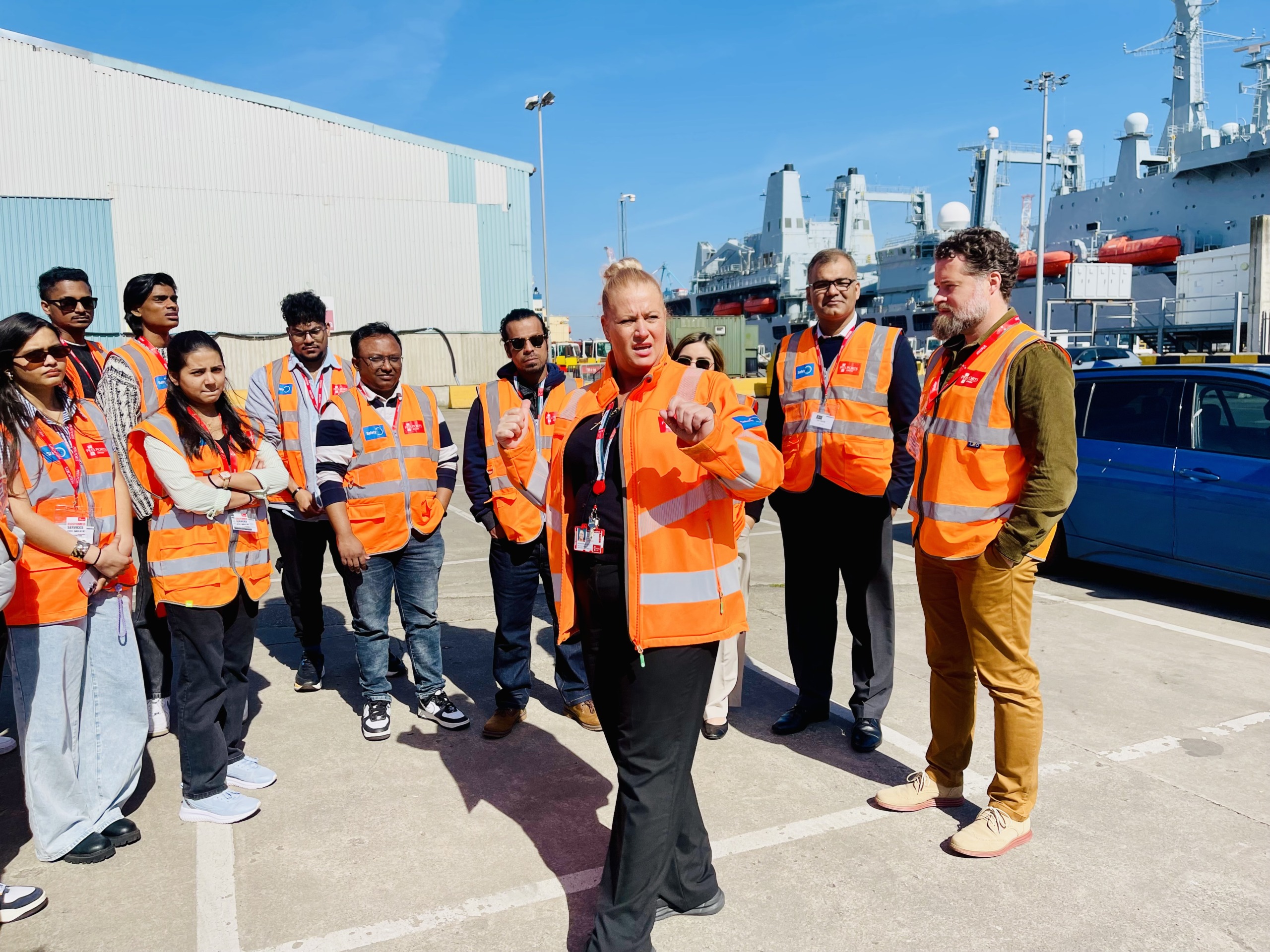
Peel Ports Maritime Centre
The visit to Peel Ports Maritime Centre gave us insight into port logistics and the role of ports as critical nodes in global supply chains. Observing loading operations, dockyard activity, traffic circuits and the control tower environment helped us understand the level of planning and discipline required in port operations. The use of remotely operated cranes also showed how technology is changing logistics, while still depending on strong control, safety and coordination.
Spreetail
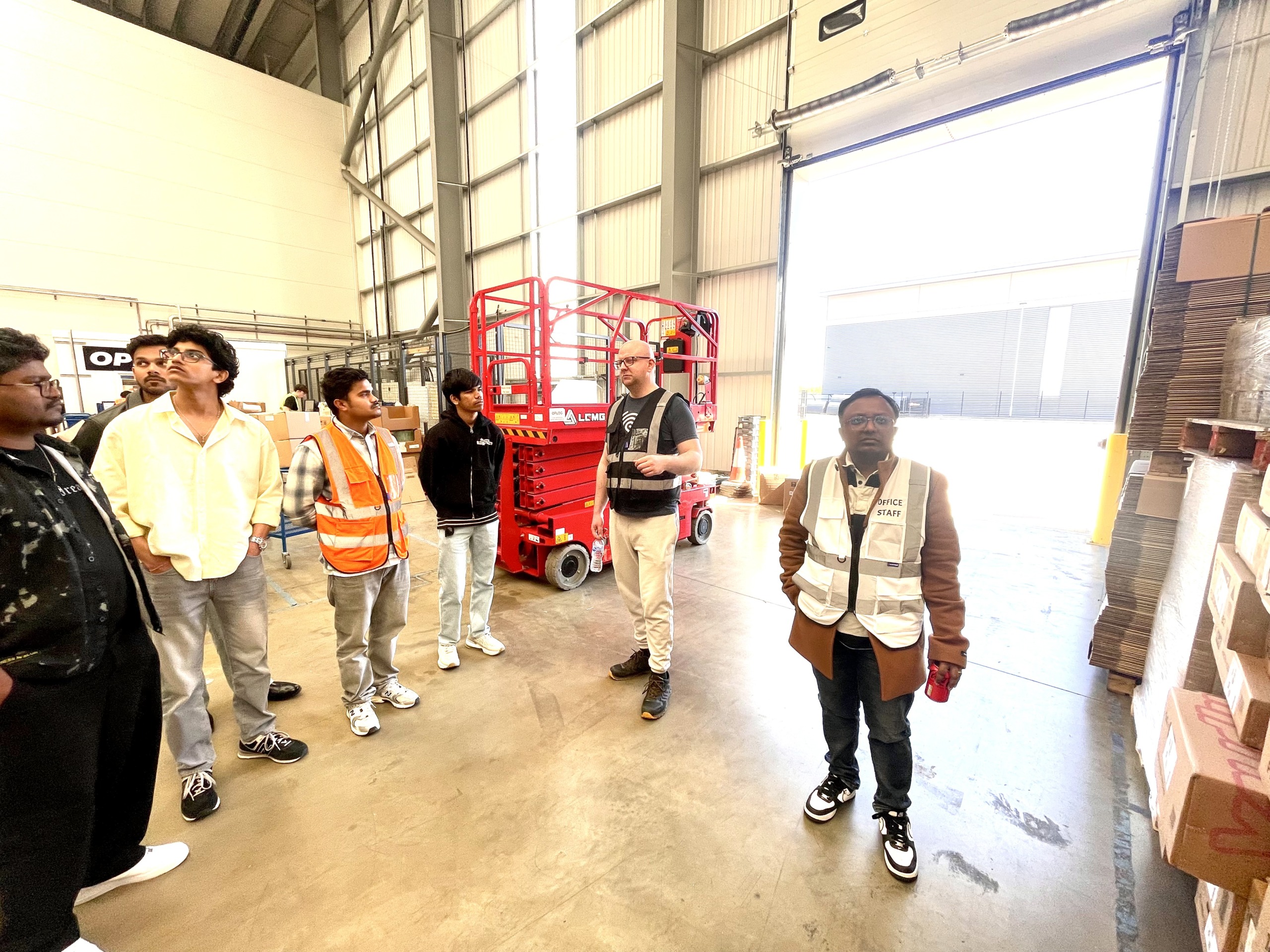
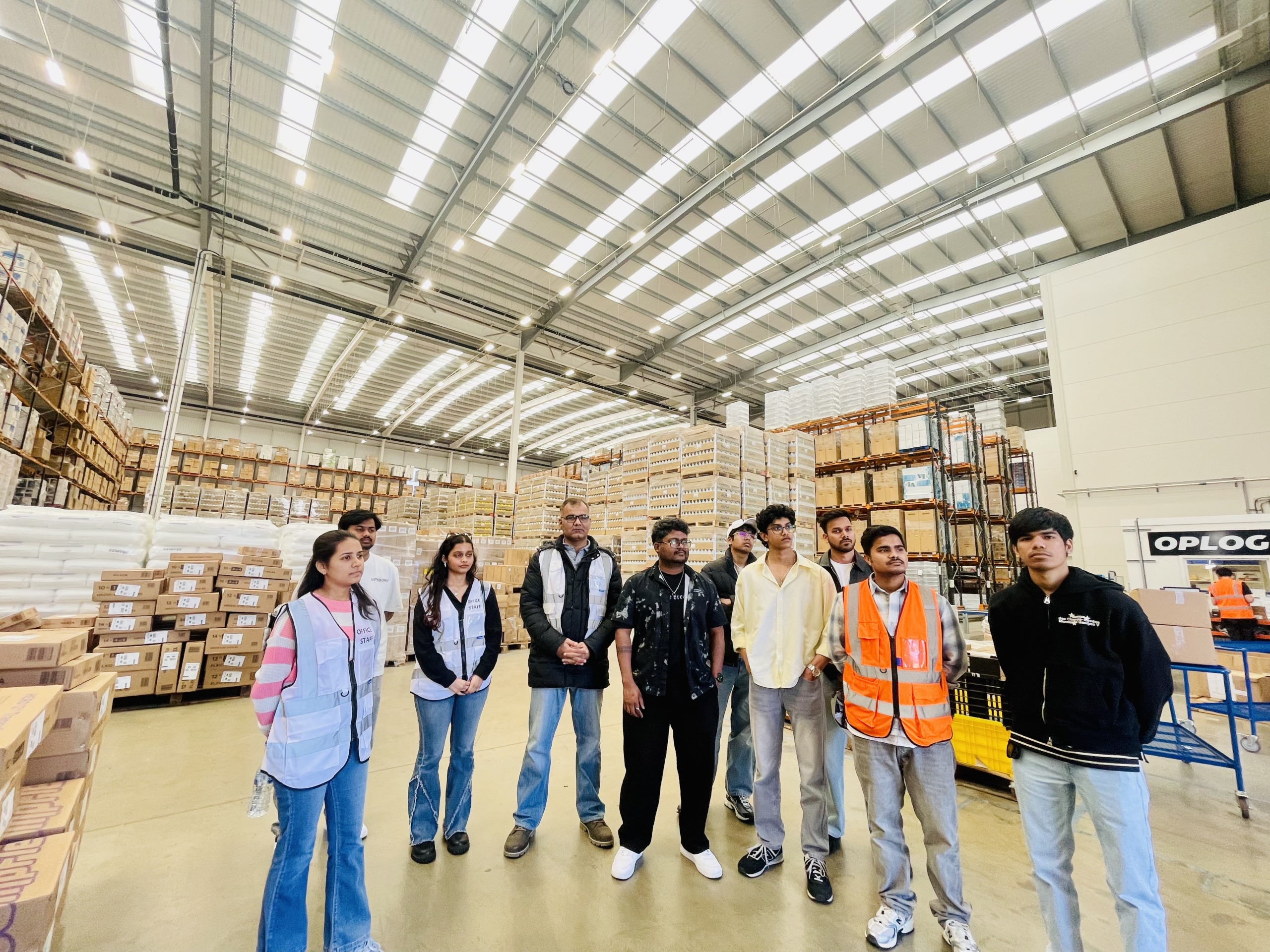
At Spreetail, we saw how e-commerce fulfilment and warehousing are managed in practice. The visit helped us understand the role of warehouse management systems, inbound and outbound flows, inventory visibility, picking, dispatch and customer service. It was also interesting to see how a growing organisation can expand internationally by building scalable systems, operational discipline and a strong focus on customer satisfaction.
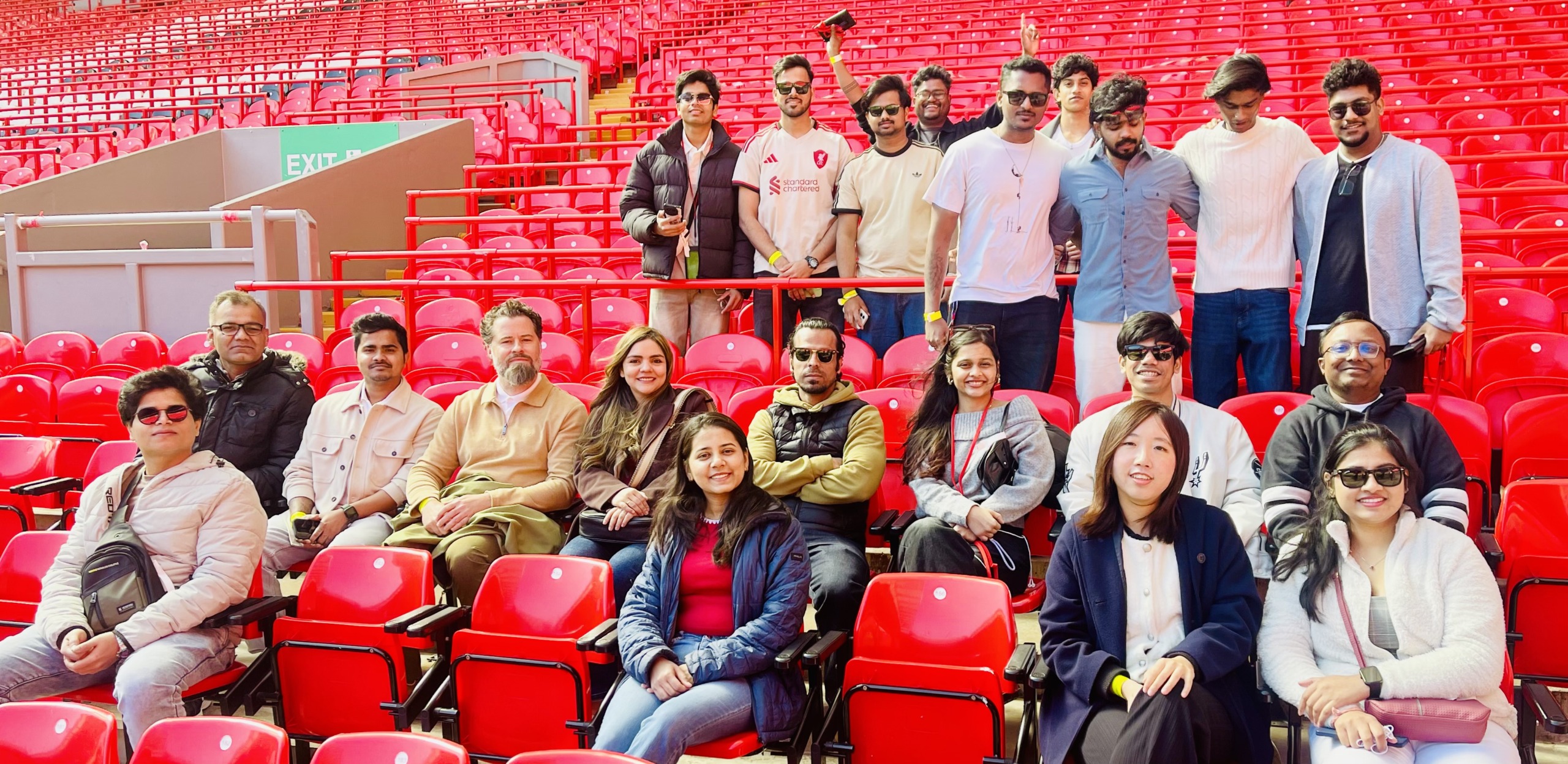
Anfield Stadium
The visit to Anfield Stadium provided a different but equally important perspective. A major stadium is not only a sports venue; it is a large customer operation supported by logistics, planning, facilities management, safety, catering, merchandise and crowd coordination. The visit showed how supply chain and logistics principles also support major service experiences.

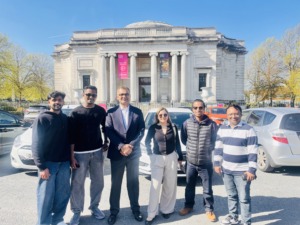
Port Sunlight Museum
Port Sunlight Museum added a historical and social dimension to the tour. It helped us reflect on how business, community, place and history are connected. This was a useful reminder that supply chains do not operate in isolation. They are shaped by people, infrastructure, geography and long-term organisational values.
Key lessons learnt
One of the key lessons from the study tour was that supply chain strategy is always shaped by real operational constraints. Manufacturing sites, ports, warehouses, stadiums and heritage locations may look very different, but they all depend on planning, people, technology, process discipline, coordination and continuous improvement.
The course dinner in Liverpool was also a wonderful gathering with our Course Director and cohort mates. It gave us the opportunity to connect beyond the formal visits, share reflections and strengthen the sense of community within the programme.
Overall, the Liverpool Study Tour was a memorable and meaningful learning experience. It reflected the strength of Cranfield University’s industry-facing approach and showed how the MSc Logistics and Supply Chain Management programme connects theory with practice.
We are sincerely grateful to our Course Director, Dr Hendrik Reefke and Hasan Showaib Khan for organising and leading such a well-structured and valuable study tour. Their efforts made this an excellent opportunity for learning, reflection and professional growth.


Categories & Tags:
Leave a comment on this post:
You might also like…

Keen to develop your study skills?
Alongside the technical skills and academic knowledge that you will gain on your course, as a Cranfield student you have the opportunity to develop a range of other skills that can enhance your learning experience. ...

The V-conomy: powering the sixth wave of global economic growth
The world could be on the verge of a major surge in economic growth and development, driven by the convergence of AI and clean energy technology. Waiting to ride the K-wave The Russian ...

Need help using the Python programming language?
We know some of our students are currently trying to learn Python, so we wanted to make you aware of some great LinkedIn Learning videos that can help. But don't you have to pay for ...

What does it really take to become a Chevening Scholar?
Say “Turkmenistan” to most people and you’ll get a blank look. That was true when I left Ashgabat for the UK to study an MSc in Logistics and Supply Chain Management at Cranfield University ...

Get a head start on referencing and plagiarism
We offer a module on Referencing And Avoiding Plagiarism which you can find on your Canvas dashboard. It explains the role and importance of citing references and how to incorporate the work of other authors ...
How Cranfield shaped my journey as an Aerospace Engineer
If I'm being specific about the moment it clicked, it was reading a paper called "On the Role and Challenges of Computational Fluid Dynamics (CFD) in the Aerospace Industry" by two Boeing engineers, P. ...