


Formatting and cross-referencing of tables and figures
04/09/2025

So, you want to use a figure or table in your assignment that you have copied from another source, but you’re not sure how to format and cite it. Read on to find out how to format it and refer to it in your text, then you can look at our blog post on How do I reference… images, figures, and tables in the APA7 style? to find out how to cite it (for APA 7 only).
Formatting figures and tables
All figures (including images and graphs) and tables need to be numbered in the order in which they are mentioned in your paper and labelled with a title that describes what they show. They also need an in-text citation indicating their source.
Where you position this information depends on whether you are including a table or a figure. In all cases, the content is left-aligned.
- For a figure, the figure number, title and in-text citation are positioned below the image.
- For a table, the in-text citation is below, BUT the table number and title are positioned above.
Cross-referencing figures and tables
You must cross-reference all figures and tables either for general introduction and/or to highlight a specific detail.
Normally, because you have included an in-text citation with your figure or table title (as per our guidance here), you don’t need to include it again in your text if you don’t want to, just refer to the number. However, when using a narrative style, especially if the figure/table is distanced from the cross-reference, the full in-text citation should be used. There are some examples below to clarify this.
Examples
Introducing the figure/table
“Figure 1 shows the sales of soft drinks by category in Germany…”
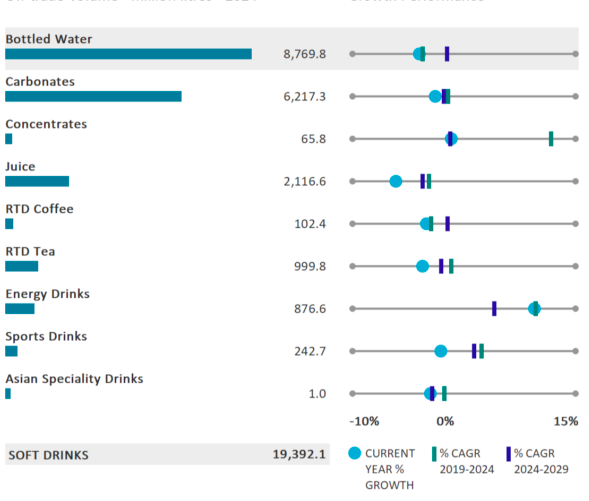
Figure 1: Sales of Soft Drinks by Category in Germany (Euromonitor, 2024)
Highlighting a specific detail (parenthetical)
“Sales of carbonates, bottled water and juice account for over 75% of sales in the German soft drinks market (see Table 3).”
Table 3: Sales of Soft Drinks by Category in Germany
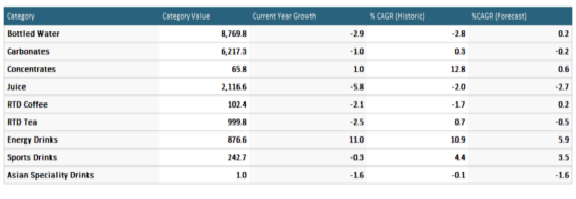
Source: Euromonitor, 2024
Highlighting a specific detail (narrative)
“International Unit (2013a) data demonstrates a gradual rise in non-EU enrolments in UK universities between 2002 and 2012, as shown in Figure 3.1.”
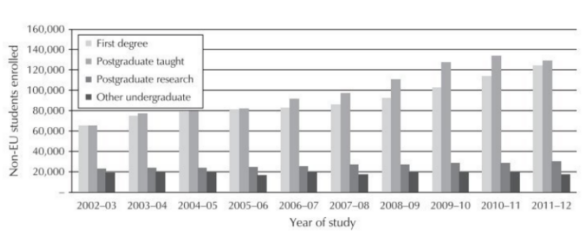
Figure 3.1 Trends in non-EU student enrolments by level of study, 2002-03 – 2011-12. Adapted from International Unit (2013a)
Don’t forget to check our companion blog post to this one – How do I reference… images, figures, and tables in the APA7 style?
And you might also find this blog post useful – How do I reference… a table of data from multiple sources?
Please note: Cranfield supports two different referencing styles – APA7 (Author-date) and Numbered (NLM). Please make sure you use the style preferred by your supervisor or lecturer. The advice above relates only to the APA7 style. If you have any questions about referencing, please contact the Library.
Feature image from Pixabay. Available at https://cdn.pixabay.com/photo/2016/06/01/06/26/open-book-1428428_960_720.jpg

Categories & Tags:
Leave a comment on this post:
You might also like…
Library services over Easter, 3-6 April
Kings Norton Library will remain open for study 24/7. You will need your University ID card to enter the building and can use the self-service machines to borrow and return items as usual. Barrington Library ...
How do I access the full-text of Harvard Business Review (HBR)?
This is a frequently asked question, and it's worth knowing how to access this key management journal. So, how do you access HBR in full-text? The short answer is via our eJournals finder. You can find ...
Engineering problem to solve? Let Knovel help you find a solution
Did you know that Knovel provides you with more than just eBooks? Knovel is a key database for many engineering, mechanical and materials courses here at Cranfield University, and contains content from an extensive range ...
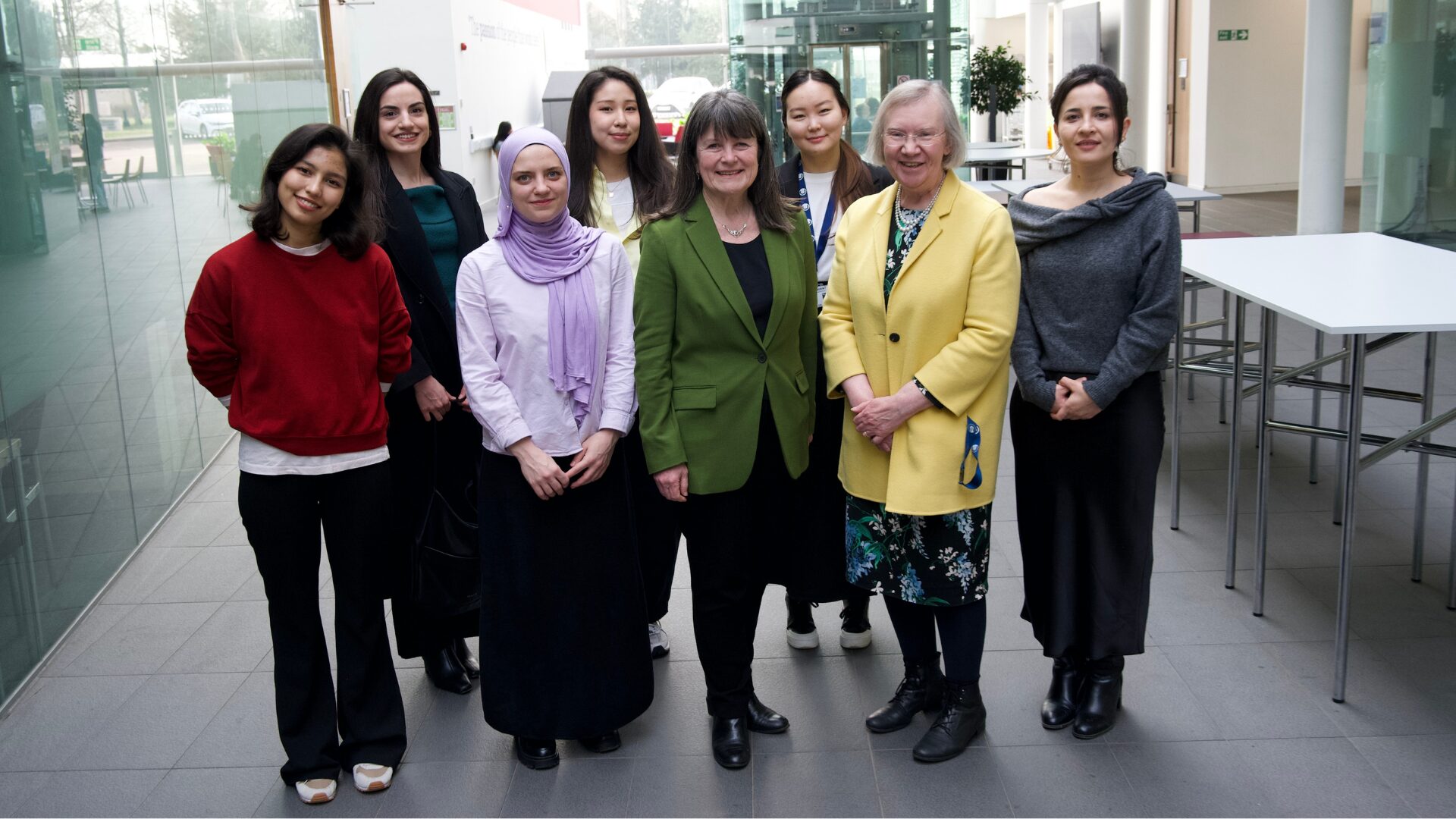
What happens when female scholars meet influential leaders?
On the 5 March 2026, our British Council Women in STEM Scholars had the privilege of sitting down with two excellent role models of industry and academia: Professor Dame Karen Holford, ...
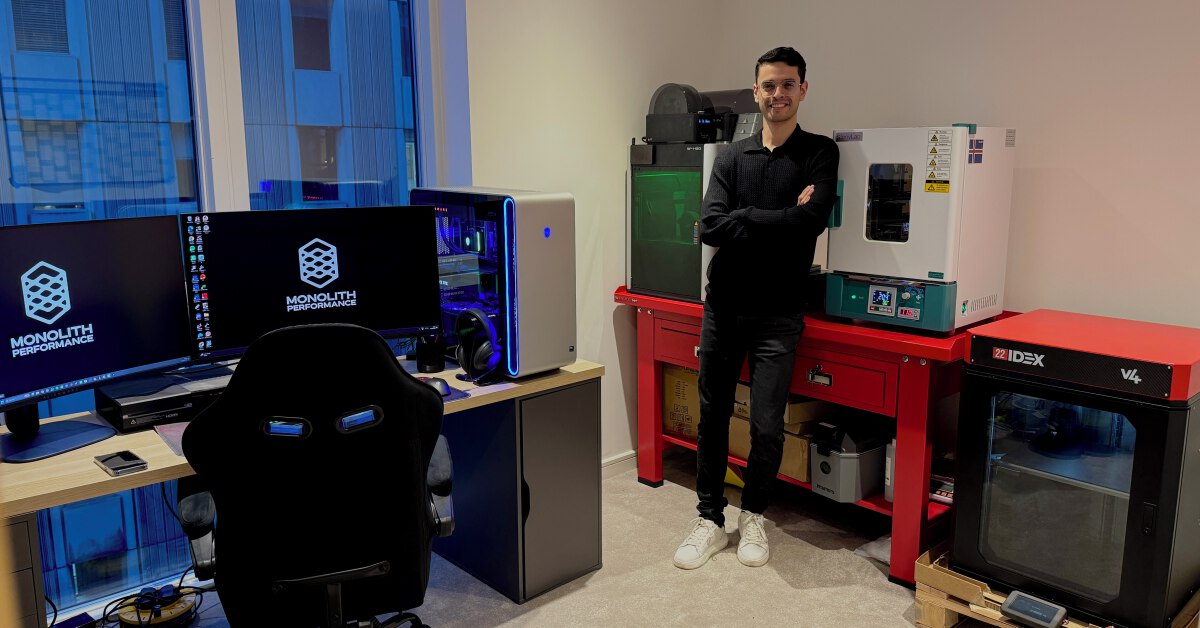
From MSc to CEO: Igniting a research revolution
For many, a master’s degree is achieving a big milestone. Kilyan Ocampo, Computational Fluid Dynamics alumni shares how studying at Cranfield helped launch his career in the energy sector. Today, Kilyan ...
Commuting, collaborating and growing: My first term experience at Cranfield
My first term at Cranfield University has been an extremely positive and rewarding experience. While the course has been intense at times, it has pushed me in the best possible way and allowed me ...
Comments are closed.