

Standing on my soapbox for women in STEM
27/09/2021
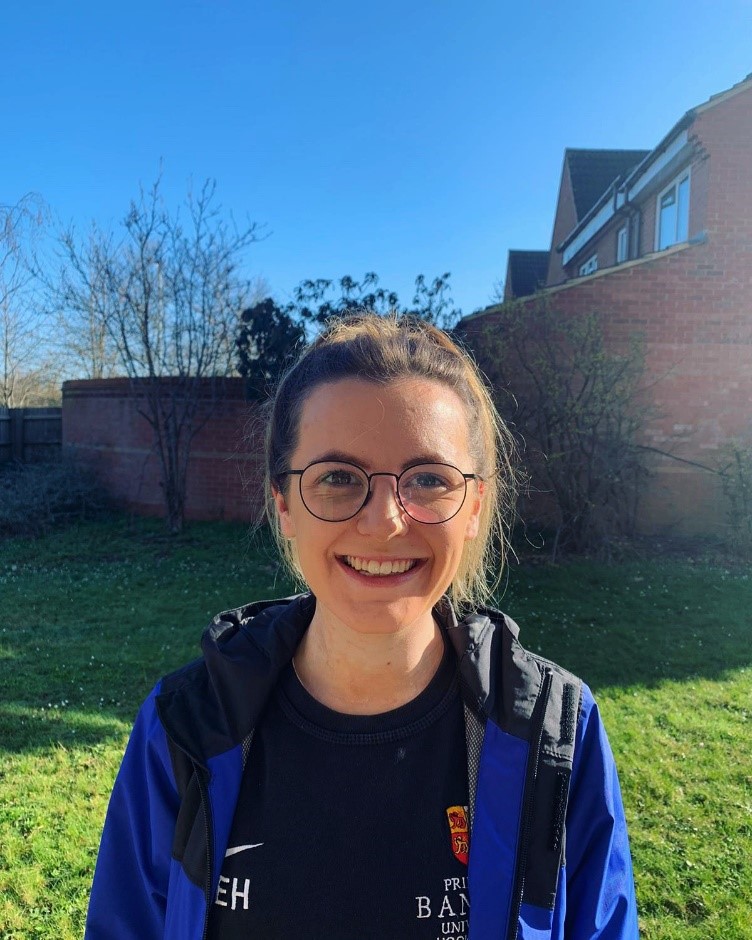
On a notoriously wet lockdown December’s day in 2020, I came across Soapbox Science. A platform promoting women in science? A platform to get my research out to the masses? Yes please. Soapbox Science is an outreach platform based on the format of the speaker’s corner in Hyde Park, London. It allows women and non-binary scientists to share their fascinating science, new discoveries and why science is simply great! I thought I’d give it a try, I’m never one to turn down an opportunity for a chat.
Initially, I had to write a tweet summarising my research. The tweet read:
Let’s revolutionise mining as we know it today! It’s time to utilise the 100,000 past metallurgical sites and deposits across the EU. Metals from old mines could be used for renewable energies including electric vehicles and solar PV. Join me and my PhD journey to change the world one mine at a time.
It worked! I was invited to be a speaker at Soapbox Science MK 2021. Twelve scientists have been chosen and I was one of them. The next step is media training. We all got together and had a seminar with a top BBC Media bod. He had done some big BBC shows and was very insightful. I know I find my project interesting, but this training made me realise how I could make it interesting to other people.
It was now time to put what I had learnt into practice. I needed to make a two-minute promo video. A two-minute video to introduce my research, to encourage people to listen to more, and to promote myself and science. All without the assistance of PowerPoint. I headed to my garden, got a cup of dirt, found a bit of metal floating around in the garage, got my laptop and I was set, raring to go. Talking into your phone by yourself was a strange experience. It took many attempts before I recorded the one. The one with no mistakes and one where I didn’t drop the cup of soil. Time to submit and wait for my feedback.
We watched each speaker’s video one by one and gave feedback. All Soapbox speakers, the Soapbox committee, and a top BBC Media expert. It felt savage. I had never received feedback like this before. The variety of talks is vast, from artificial intelligence to diseases in wheat to obviously metal recovery from mines. It was humbling to know I wasn’t the only getting feedback this way. The response was positive. Apparently, I am engaging and passionate about my research, who would’ve thought! Six months into my PhD and I had already started establishing myself as a bit of a public speaker. I had not imagined I’d be doing this a year ago.
As the event draws closer, the promo increases. Alongside our promo videos, we have a bio to explain a bit of our background as scientists and what we do for fun. My bio is as follows:
I am a second-year PhD student at Cranfield University. I am researching environmentally friendly avenues to recover metals from historic industrial sites for potential renewable energy technologies. I enjoy environmental science because it draws from different aspects of science e.g., biology, chemistry, geology, and soil science, and it requires creative problem-solving skills. Environmental science is important because there is no ‘planet B’ so let’s rescue this one! Outside of science, I am a keen rower and dabble in cross fit.
The bios and videos were posted by Soapbox Science on social media. My own circle of friends and family don’t fully understand what I do day-to-day so, I decided to share it on my own social media platforms. To my amazement, they actually find it interesting and have booked it into their diaries to stream!
So, save the date Thursday 14 October 2 pm, to live stream six top-quality scientists covering some top-quality content!
My promo video:

Categories & Tags:
Leave a comment on this post:
You might also like…
From national service to Environmental Engineering: My journey to Cranfield
Postgraduate study is often a defining step in shaping one’s academic and professional direction. For me, pursuing an MSc in Environmental Engineering at Cranfield University has been both a personal and professional adventure—one that ...
From limited experience to a UK marketing career
Top tips for postgraduate marketing students by Elnaz Dashchi, Strategic Marketing MSc alumni Coming into the postgraduate Strategic Marketing MSc, I did not have a lot of professional experience - and that made me ...
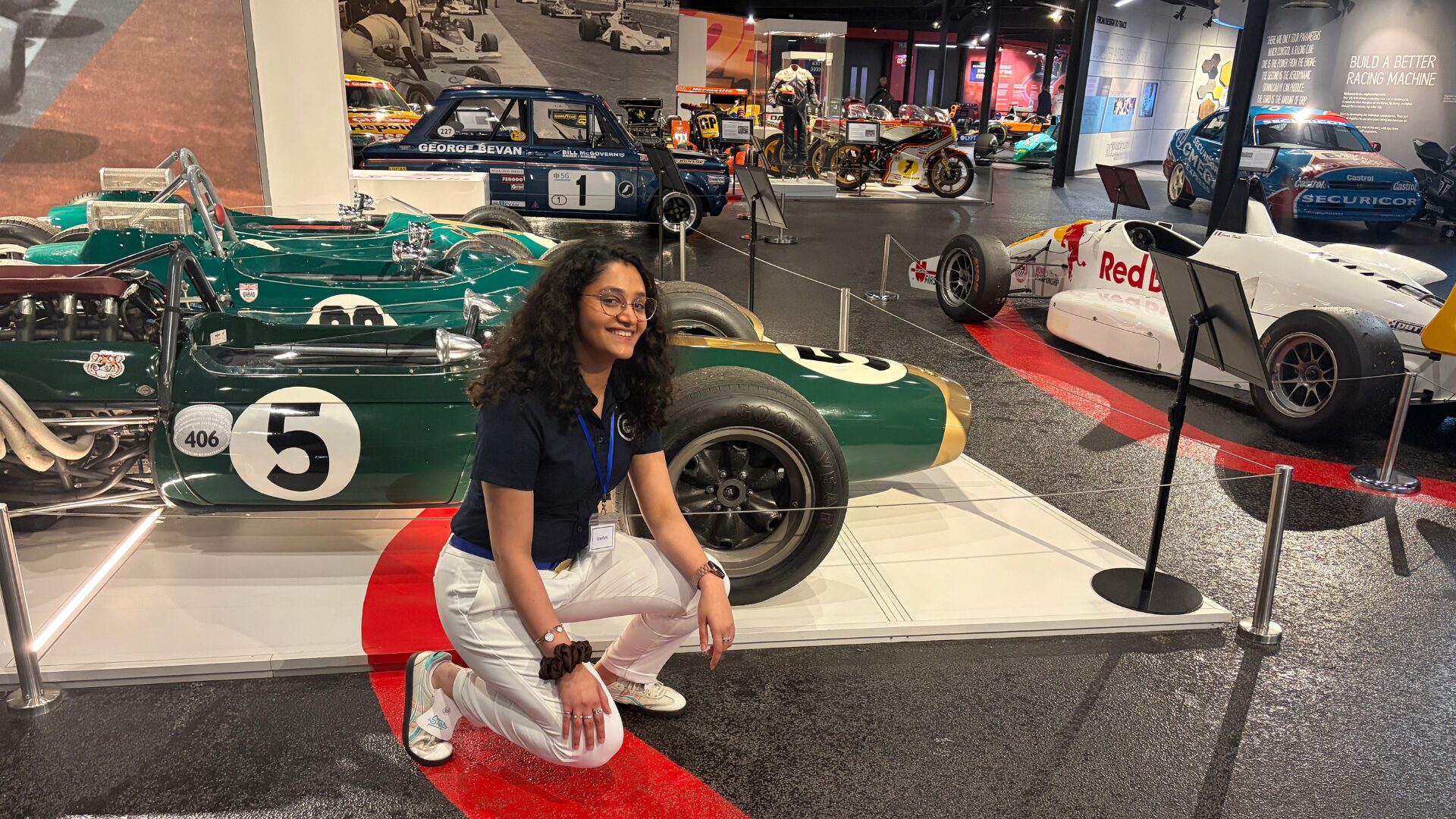
My journey to Cranfield as an FIA Motorsport Engineering Scholar
"You don’t need to fit a stereotype to succeed in engineering or motorsport. You need curiosity. Resilience. And the confidence to take up space." In this blog, Sanya Jain, current MSc student and FIA ...

‘Getting started with Bloomberg’ training – discover the power of Bloomberg terminals
Perhaps you've heard people talking about Bloomberg or heard it mentioned in the news and are wondering what all the fuss is about? Why not come along and find out at our Getting started with ...
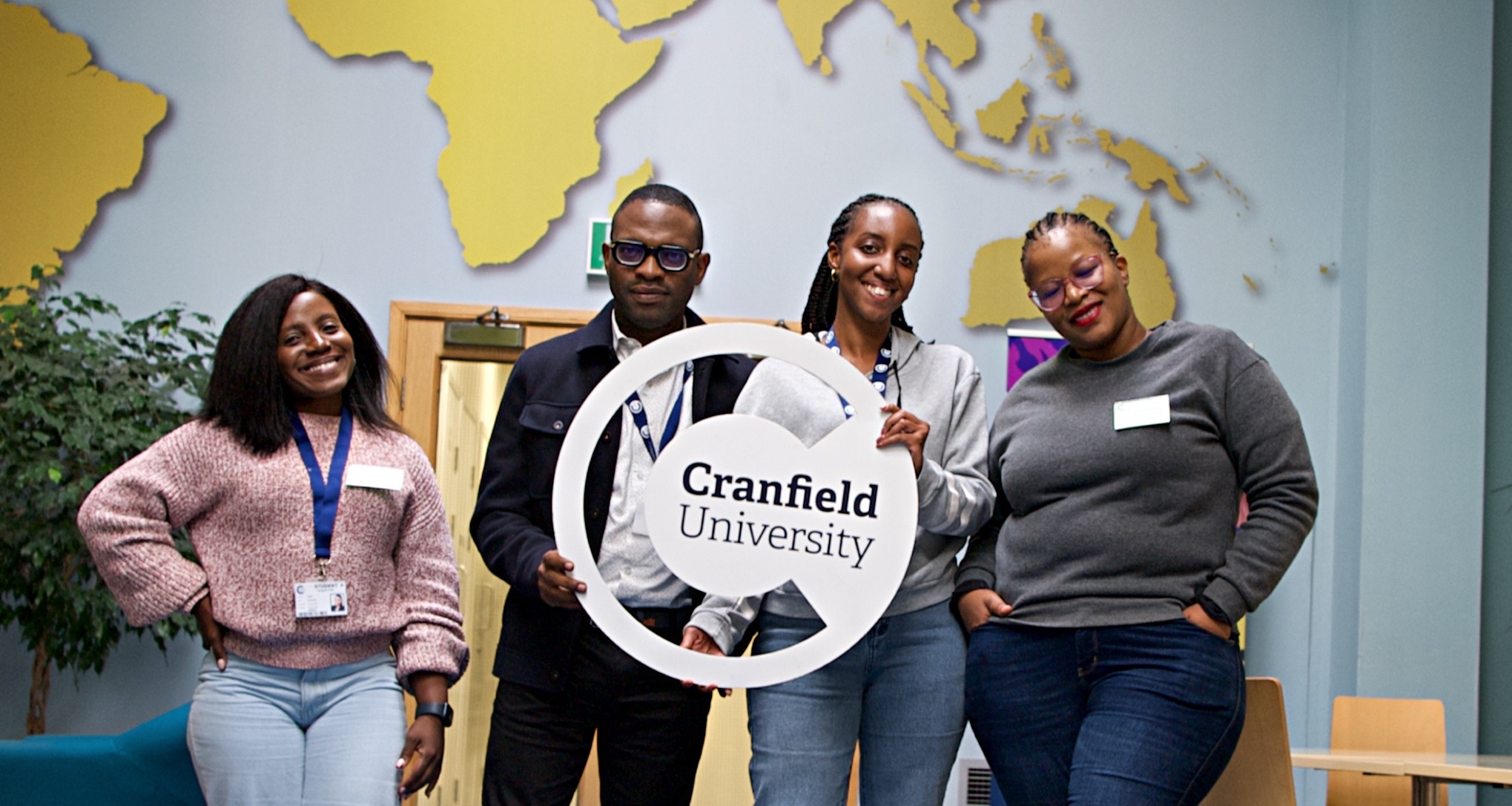
Commonwealth Scholarships play a critical role in developing sustainability and leadership in Africa
Q&A with Evah Mosetlhane, Sustainability MSc, Commonwealth Distance Learning Scholar What inspired you to pursue the Sustainability MSc at Cranfield? I was inspired to pursue the Sustainability MSc at Cranfield because of the university’s ...

How do I reference a thesis… in the NLM style?
You may be including theses within your research. When you do so you need to treat them in the same way as content taken from any other source, by providing both a citation and a ...