


Reducing aircraft emissions: is easyJet’s hybrid plane the answer?
02/02/2016
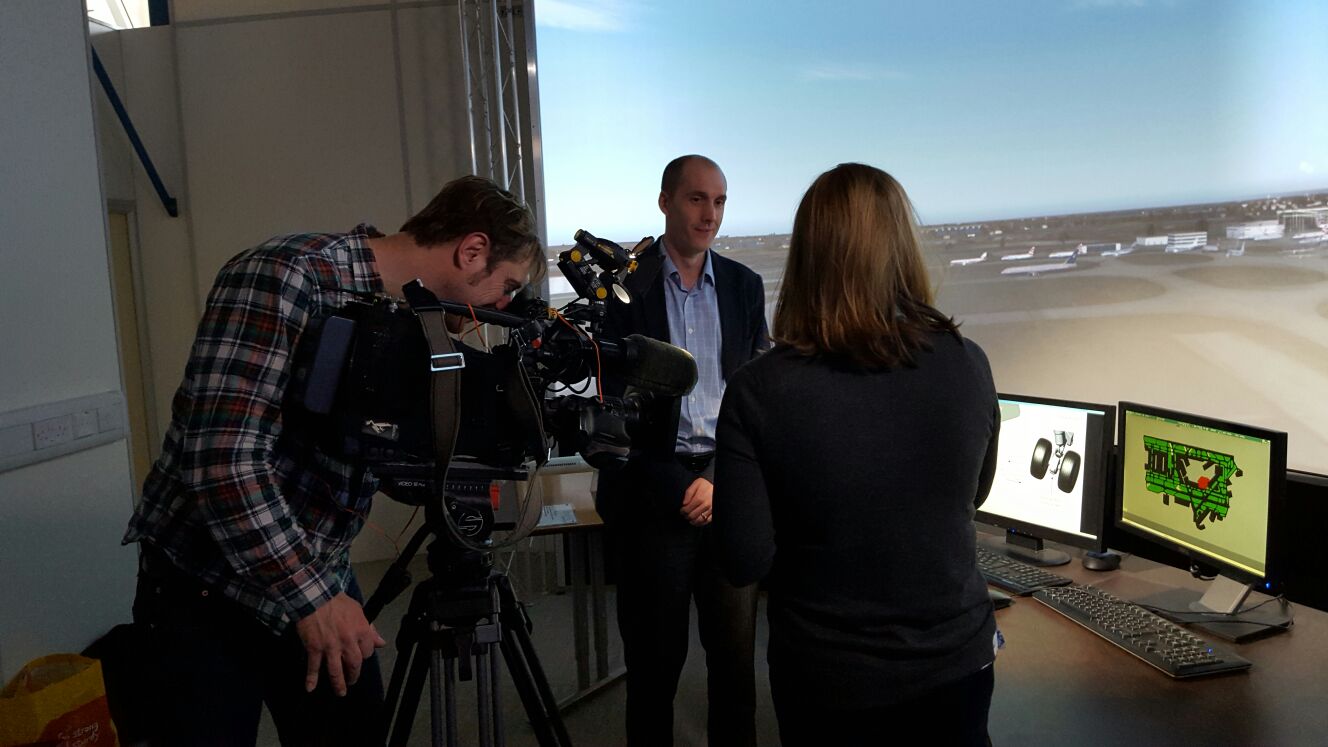
As part of the strategy of reducing its carbon footprint, easyJet, Europe’s leading airline, has unveiled plans for a revolutionary zero-emissions hydrogen fuel system for its aircraft which could save around 50,000 tonnes of fuel (and the associated CO2 emissions) every year. The airline has taken inspiration from some of our students here at Cranfield University, who were asked to develop ideas for what air travel might look like in twenty years’ time, as part of a competition to celebrate easyJet’s 20th birthday in last year.
Reducing emissions before take off
There are benefits to be gained from using electrically powered motors mounted on the main landing gear wheels for taxiing. There are several positive effects resulting from taxiing the aircraft in this way, instead of by the conventional method of running the main engines to produce thrust. These benefits include reduced noise, fuel-burn and CO2 emissions at the airport. This so-called Green Taxi System (GTS) is widely proposed to be powered by up-rating the aircraft’s existing Auxiliary Power Unit (APU) gas turbine.
However, this kind of GTS adds mass to the aircraft systems, and causes increased fuel burn in flight. Cranfield design studies have suggested that for a short haul aircraft (which spends a relatively high amount of the total mission taxiing), the fuel saving on the ground out-weights the extra fuel-burn in flight. Hence, a net fuel saving is possible and this warrants further investigation.
The next step would be to have a taxi system without any harmful emissions. Here, we could replace the APU with a fuel-cell, fed with hydrogen and oxygen to produce clean electricity, silently. Previous industry solutions have suggested that the APU could be replaced by a fuel cell, requiring major changes to the aircraft. This looks like a promising solution for the next generation of airliners, perhaps in the 2035 timeframe.
easyJet have proposed that rather than replacing the APU, an intermediate step can be taken by installing a fuel cell in a container in the cargo hold, to provide power when the aircraft is on the ground. This means that a zero emissions taxi system could be demonstrated in a much shorter timeframe. Low cost carriers like easyJet presently operate with relatively empty holds due to the preference for carry-on baggage over hold luggage. easyJet have today announced their commitment to taking this proposal forward, and I’m really looking forward to the prospect of collaborating on the project with the company and other potential partners.
Read more about the project at http://www.cranfield.ac.uk/About/Media-Centre/news-archive/news-2016/easyJet-reveals-concept-designs-for-hybrid-plane

Categories & Tags:
Leave a comment on this post:
You might also like…
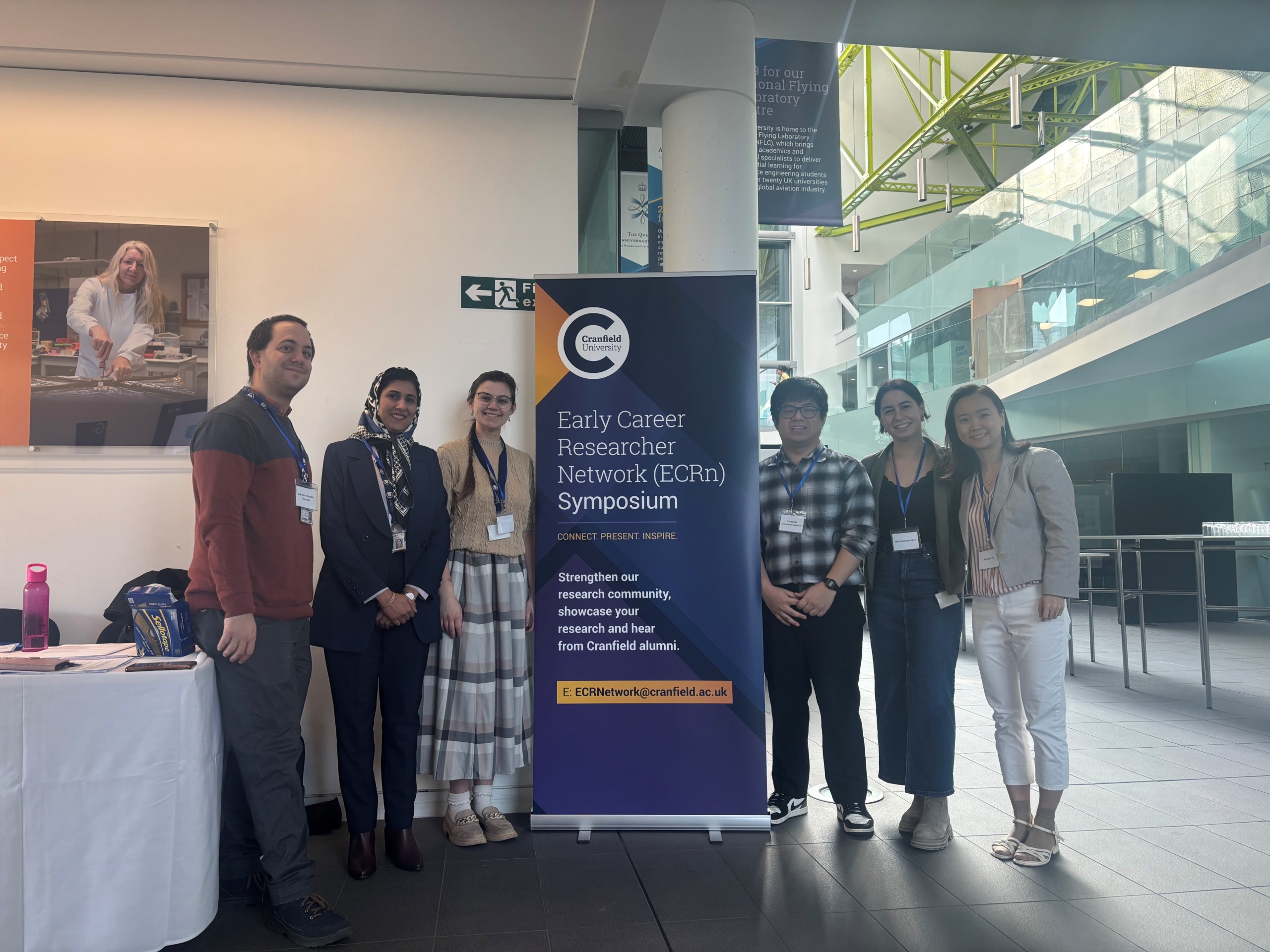
Building more than research: Reflections from the ECRn Symposium 2026
There’s something quietly powerful about a room full of early career researchers. Not just the ideas, although there were plenty of those—but the conversations, the curiosity, and the sense that everyone is figuring things ...
Library services over Easter, 3-6 April
Kings Norton Library will remain open for study 24/7. You will need your University ID card to enter the building and can use the self-service machines to borrow and return items as usual. Barrington Library ...

How do I access the full-text of Harvard Business Review (HBR)?
This is a frequently asked question, and it's worth knowing how to access this key management journal. So, how do you access HBR in full-text? The short answer is via our eJournals finder. You can find ...
Engineering problem to solve? Let Knovel help you find a solution
Did you know that Knovel provides you with more than just eBooks? Knovel is a key database for many engineering, mechanical and materials courses here at Cranfield University, and contains content from an extensive range ...
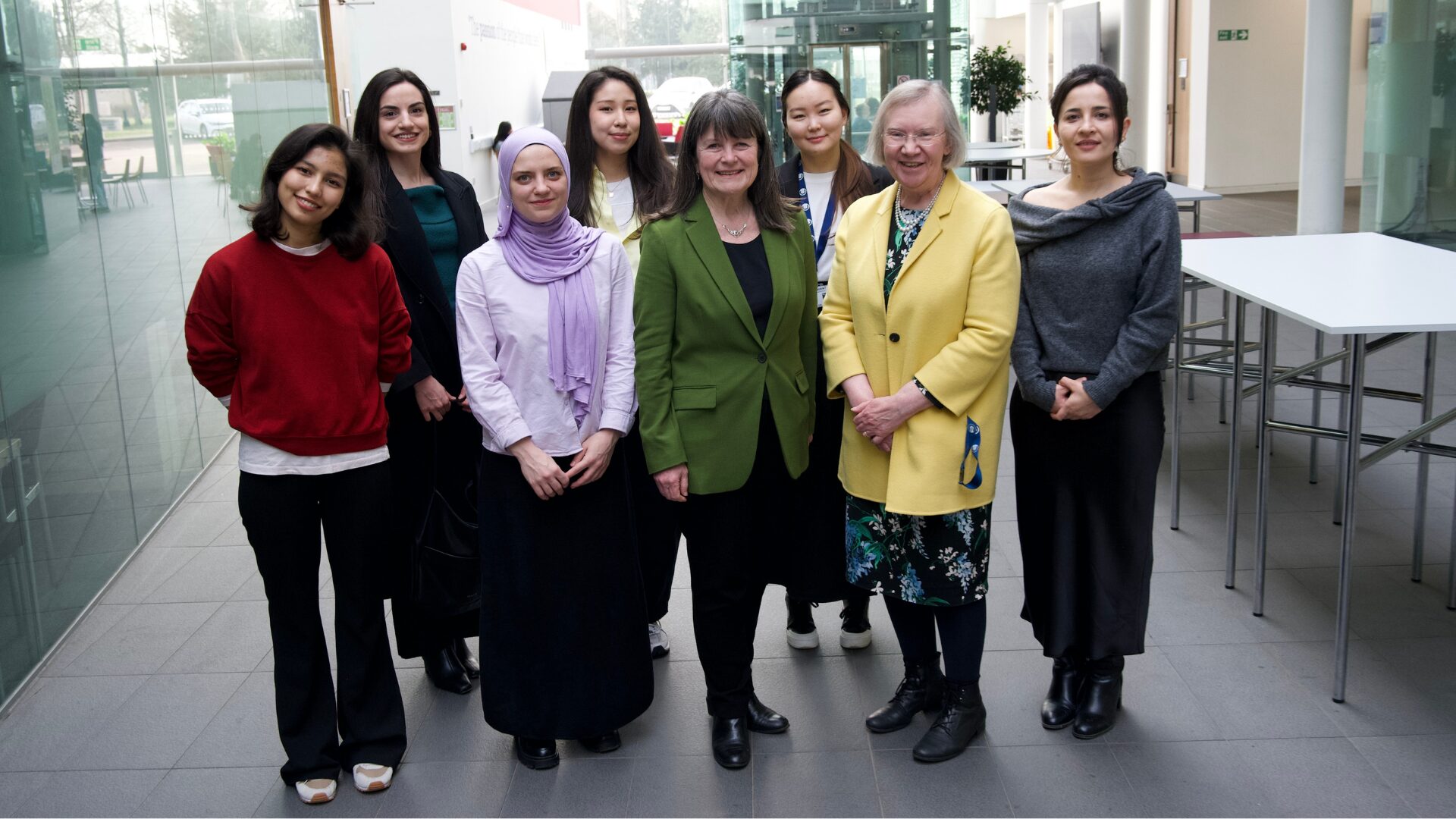
What happens when female scholars meet influential leaders?
On the 5 March 2026, our British Council Women in STEM Scholars had the privilege of sitting down with two excellent role models of industry and academia: Professor Dame Karen Holford, ...
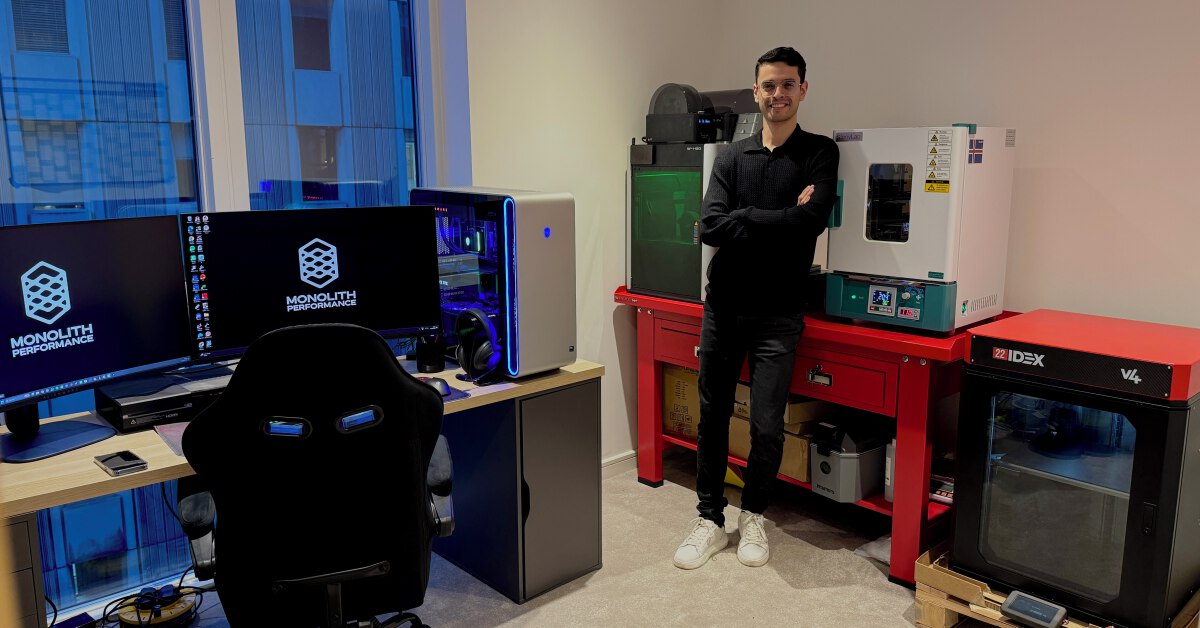
From MSc to CEO: Igniting a research revolution
For many, a master’s degree is achieving a big milestone. Kilyan Ocampo, Computational Fluid Dynamics alumni shares how studying at Cranfield helped launch his career in the energy sector. Today, Kilyan ...