


Connected and Autonomous Vehicle Engineering (Automotive) MSc alumnus Sohan Pookolayil Varghese on Cranfield, his career path, and why the automotive industry is such an exciting place to be
24/05/2023
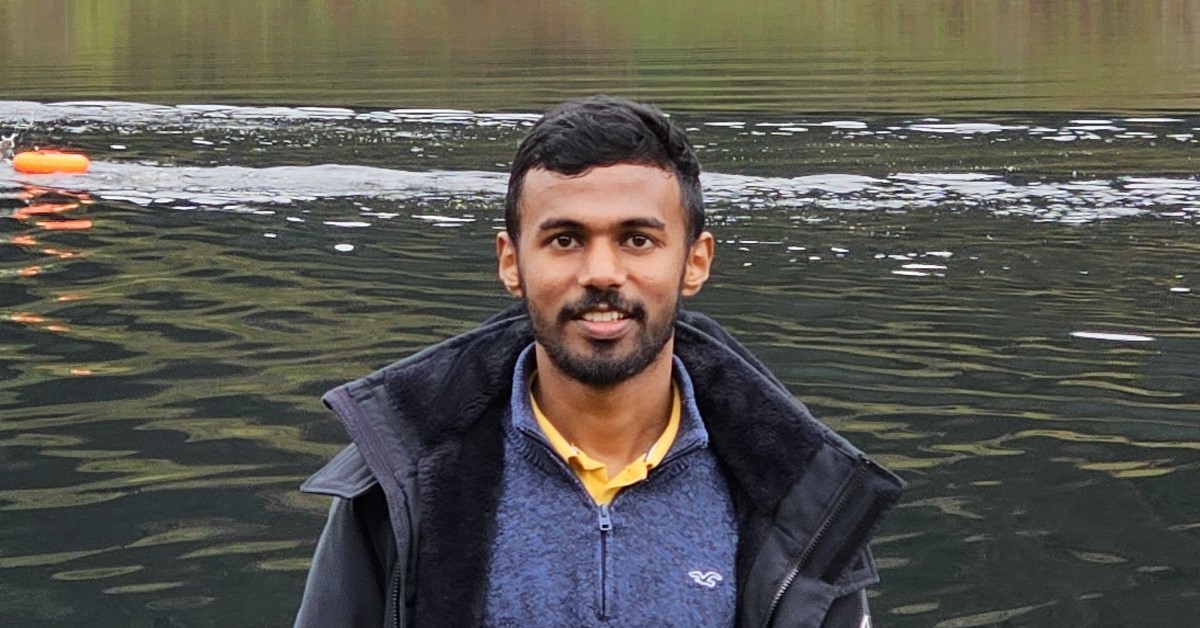
Sohan Pookolayil Varghese completed the Connected and Autonomous Vehicle Engineering (Automotive) MSc in 2022. Here, he talks about his lifelong love of cars, why he chose Cranfield, and his career at Jaguar Land Rover where he is at the forefront of developing cutting-edge technology in the automotive industry.
What sparked your interest in the automotive industry?
From a young age, I have been captivated by the automotive industry. Growing up, I spent countless hours helping my father fix cars, which sparked my interest in learning more about how vehicles work. As a student, I was drawn to engineering challenges and innovative technologies in the automotive field, and I even took a leadership role in developing a student electric vehicle during my bachelor’s degree. Since then, I have been committed to pursuing a career in the automotive industry and leveraging my skills and passion to contribute to its continued growth and advancement.
Why did you choose Cranfield and the CAVE MSc programme?
I was drawn to Cranfield University’s Connected and Autonomous Vehicle Engineering (Automotive) MSc programme because of my interest in autonomous vehicles, which began with my bachelor’s thesis on vehicular networks. I discovered Cranfield through research papers and was impressed by its facilities and industry connections, particularly the multi user environment for autonomous vehicle innovation (MUEAVI). After reviewing the course structure, I knew it was the right choice for me and I can confidently say it was one of the best decisions of my life.
How did you find the course? What were the highlights?
I found the course at Cranfield University to be both challenging and enjoyable. The lecturers were industry experts with extensive knowledge in their respective fields. One of the highlights of my MSc experience was the group project where we had to develop an autonomous navigation software stack and test it on a real vehicle within a month, applying what we had learned from the taught courses. Working late nights with the team, sharing our knowledge, and collaborating to achieve our objectives was a truly rewarding experience. It was also a lot of fun, and we created some great memories together.

What has your career path been since graduating?
Since graduating from Cranfield University, my career path has been very fulfilling. Although I had no prior industry experience when I started the programme, the course was structured in a way that allowed me to understand the subjects even as a beginner. Dr Marco Cecotti, the assistant course director, was incredibly supportive and approachable, and the course directors were open to suggestions and feedback, making me feel well-supported throughout the programme.
I was fortunate enough to work with the CranSEDS Rover team, a cross-domain student group developing a prototype Mars rover, which allowed me to meet new people and share ideas. This experience helped me grow both professionally and personally. For my master’s thesis, I had the opportunity to work with Dr Amir Soltani, the founder and managing director of KAN Engineering Ltd. and a lecturer at Cranfield University. This experience exposed me to real-time problems faced by the industry and taught me how they approach new and complicated problems. The knowledge I gained from this experience proved invaluable and helped me land my dream job.
Can you tell us more about your role as a Research Engineer at Jaguar Land Rover?
I had three offers before even graduating from Cranfield. As a Research Engineer at Jaguar Land Rover, my role is focused on creating next-generation vehicle architecture and connectivity solutions. Unlike development and test engineer roles, which tend to be more focused on specific fields, my work as a research engineer at JLR is constantly evolving and presents new challenges with each project.
Currently, I am working on a project that focuses on advancing vehicle architecture and connectivity solutions to support the automotive industry’s move towards autonomy and software-defined vehicles. Our team’s primary objective is to provide the most advanced, efficient, safe, and scalable architecture to support these advanced features. It’s an exciting time to be working in the automotive industry, and I am thrilled to be a part of a team that is at the forefront of developing cutting-edge technology to shape the future of mobility.
What would you say to someone who wants to work in the automotive industry?
I would say that the automotive industry is a dynamic and exciting field with a lot of opportunities to learn and grow. The industry is constantly evolving with new technologies, and it requires a diverse set of skills from different fields like engineering, design, manufacturing, and marketing. So, I would suggest that they explore their interests and identify the specific area they want to work in, and then pursue relevant education or training to build the skills required for the field. Also, networking and staying up-to-date with industry news and trends are essential in the automotive industry.
What do you think the future holds for the automotive industry?
The future of the automotive industry is fascinating, and I believe it will continue to transform and evolve rapidly. We are already seeing a shift towards electric and autonomous vehicles, connected cars, and new mobility services. The automotive industry is also focusing on sustainability and reducing the environmental impact of vehicles. In the future, I expect to see further advancements in these areas, with more efficient and affordable electric vehicles, increased adoption of autonomous vehicles, and new mobility solutions like ridesharing and car-sharing. Additionally, with the emergence of new technologies like 5G, blockchain, and artificial intelligence, the automotive industry has the potential to unlock new possibilities in safety, convenience, and efficiency. Overall, the future of the automotive industry looks promising, and it will be exciting to see how it unfolds in the years to come.

Categories & Tags:
Leave a comment on this post:
You might also like…

How do I access the full-text of Harvard Business Review (HBR)?
This is a frequently asked question, and it's worth knowing how to access this key management journal. So, how do you access HBR in full-text? The short answer is via our eJournals finder. You can find ...

Engineering problem to solve? Let Knovel help you find a solution
Did you know that Knovel provides you with more than just eBooks? Knovel is a key database for many engineering, mechanical and materials courses here at Cranfield University, and contains content from an extensive range ...
What happens when female scholars meet influential leaders?
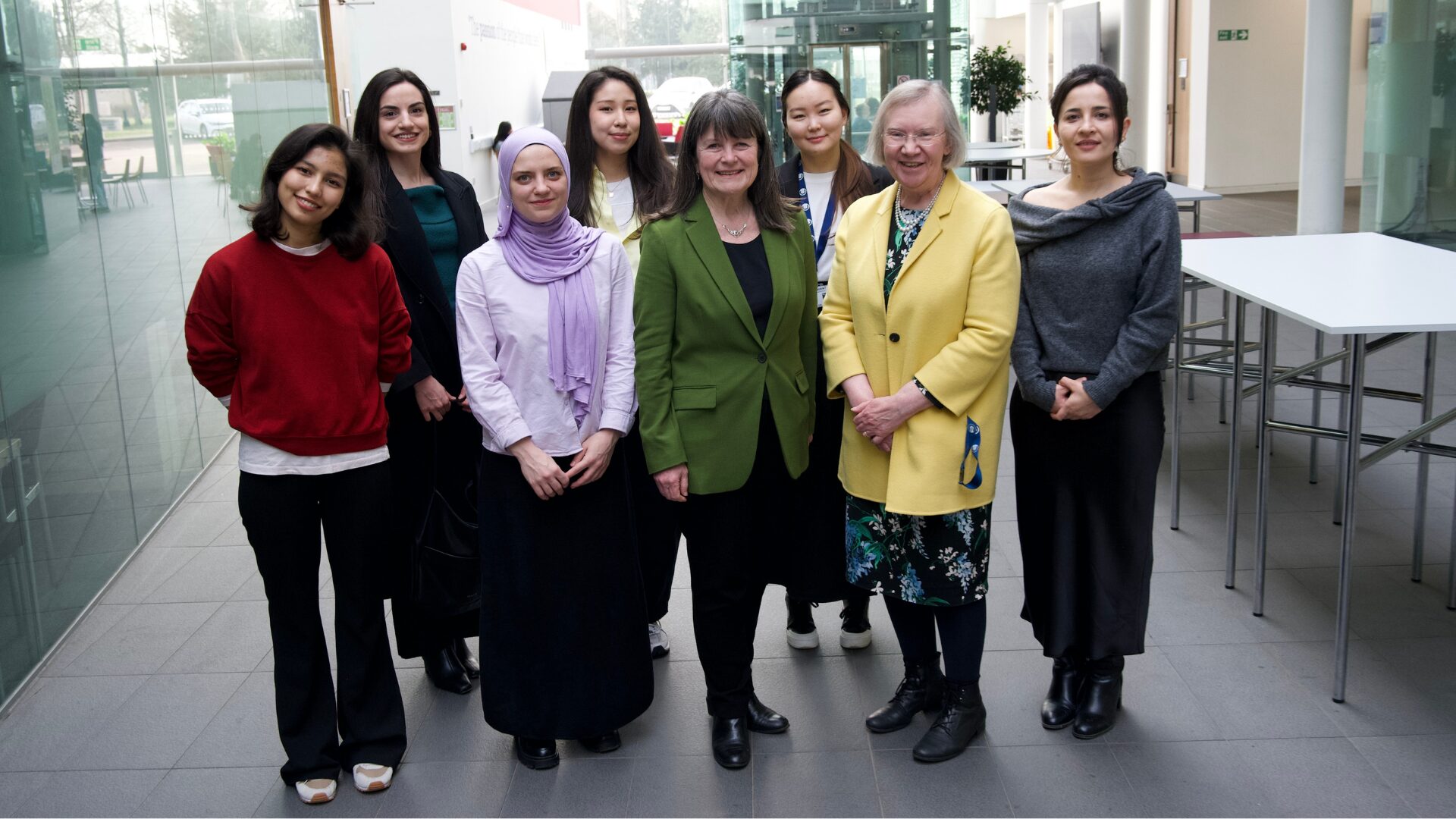
On the 5 March 2026, our British Council Women in STEM Scholars had the privilege of sitting down with two excellent role models of industry and academia: Professor Dame Karen Holford, ...
From MSc to CEO: Igniting a research revolution
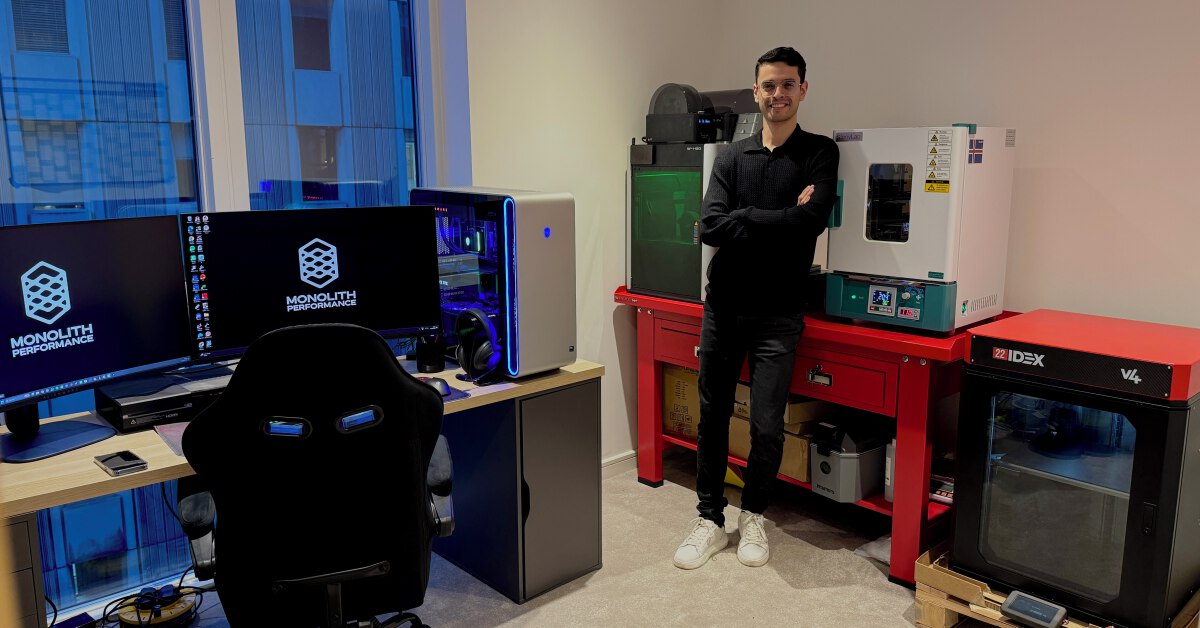
For many, a master’s degree is achieving a big milestone. Kilyan Ocampo, Computational Fluid Dynamics alumni shares how studying at Cranfield helped launch his career in the energy sector. Today, Kilyan ...
Commuting, collaborating and growing: My first term experience at Cranfield
My first term at Cranfield University has been an extremely positive and rewarding experience. While the course has been intense at times, it has pushed me in the best possible way and allowed me ...

Sourcing country analysis – a guide to Library sources
For those researching a country, you will find that country information tends to take two forms: Analysis - country reports are descriptive reports covering most areas of interest on a country. They contain an analysis ...
Comments are closed.