

Accelerating my future: How Cranfield put me on the fast track to automotive safety innovation
10/12/2025
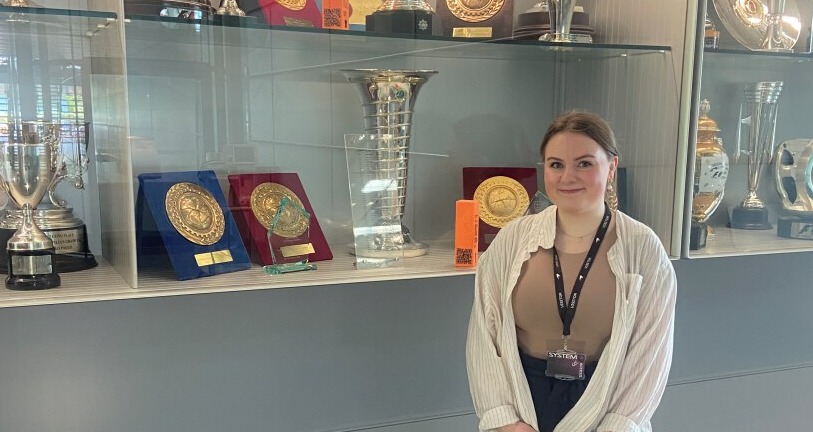
Hello! I’m Michaela Kaiser, and I’m thrilled to share my journey studying abroad. I’m from Calgary, Canada, and I recently graduated from Cranfield’s MSc Automotive Engineering course.
My path to Cranfield was completely unexpected. I stumbled across the University by accident! I was reading an article about the Cranfield Impact Centre (CIC) and was absolutely blown away. The idea that a university facility was responsible for all the testing and development of the halo on F1 cars just blew my mind. I immediately started thinking about the incredible industry connections I could make there.
Industry at my doorstep
What truly set Cranfield apart was its deep links to the automotive industry. The location itself is right in the centre of the UK’s automotive hub, with major companies in every direction. I loved that the course constantly taught the newest advances in the field, not just history. Learning from lecturers who had real industry experience and getting opportunities to network with leaders in the field was an enormous benefit.
The course itself was rigorous and rewarding. One of the biggest highlights was the moment we got to present a group project to engineers at the McLaren Technology Centre, followed by an unforgettable tour of the facility. It wasn’t just about showcasing our technical work; it was about demonstrating our science communication and presentation skills which, as I learned, are some of the most crucial skills an engineer can develop.
And speaking of once-in-a-lifetime moments, a close second was the incredible opportunity to tour the Ferrari factory in Maranello.
Innovators, not just learners
Cranfield’s strong research focus, especially in advanced composites and intelligent manufacturing, fundamentally shaped my career goals. In my undergraduate studies, I mainly learned about discoveries others had made. Cranfield completely flipped the script. The research integrated into our modules and projects empowered us to become innovators.
We weren’t just catching up; we were at the forefront of new discoveries. This emphasis on “learning by doing” and research prepared me for a career where success is measured by finding new ways to make things better, not just repeating past methods. My structures and materials modules became the first stepping stones to what I now want my lifelong work to be: contributing to real-world impact through new discoveries.
Prepared for the real world
The collaborative work at Cranfield truly mirrored real-world scenarios. We worked in varied group sizes, learning to interact with people from different cultures and with different communication styles. On a personal level, living in the UK and studying at Cranfield, with its high number of international students, was transformative. I found my community instantly and made friends from all over the world.
This multicultural and new environment even shaped my research perspective. For instance, I’m a huge downhill skier and fan of winter! Coming from snowy Calgary, living in the UK for a year felt strange because Cranfield didn’t get a lot of snow that winter. It was like living in spring year-round! The difference in weather wasn’t the only cultural difference. Speaking with people from all over the world made me consider how relevant my research in female passenger safety would be globally. In Canada, I’d argue there are just as many, if not more, women on the road than men. But my classmates helped me consider countries like India, where men are typically on the road more often. This global lens is something Cranfield gave me.
Now, I’m heading into my PhD in Mechanical and Mechatronics Engineering at the University of Waterloo in Canada, continuing the path I started with my Cranfield thesis. My ultimate aspiration is to be a leader in automotive safety and injury biomechanics.
My crucial advice for prospective students
If you’re interested in specialising in smart technology in automotive engineering, my most crucial piece of advice is simple: Choose a project you love and feel passionately about.
A master’s is hard work, and that passion will push you to put in the time and effort. Also, don’t be narrow-minded. Select modules that you wouldn’t necessarily connect to your focus area. Trying new things and listening to others gave me different perspectives and unexpected connections to my field, which is vital in research. Use every resource Cranfield gives you, ask questions, and have an open mind, you never know what amazing discovery you might make!


Categories & Tags:
Leave a comment on this post:
You might also like…
Library services over Easter, 3-6 April
Kings Norton Library will remain open for study 24/7. You will need your University ID card to enter the building and can use the self-service machines to borrow and return items as usual. Barrington Library ...

How do I access the full-text of Harvard Business Review (HBR)?
This is a frequently asked question, and it's worth knowing how to access this key management journal. So, how do you access HBR in full-text? The short answer is via our eJournals finder. You can find ...

Engineering problem to solve? Let Knovel help you find a solution
Did you know that Knovel provides you with more than just eBooks? Knovel is a key database for many engineering, mechanical and materials courses here at Cranfield University, and contains content from an extensive range ...
What happens when female scholars meet influential leaders?
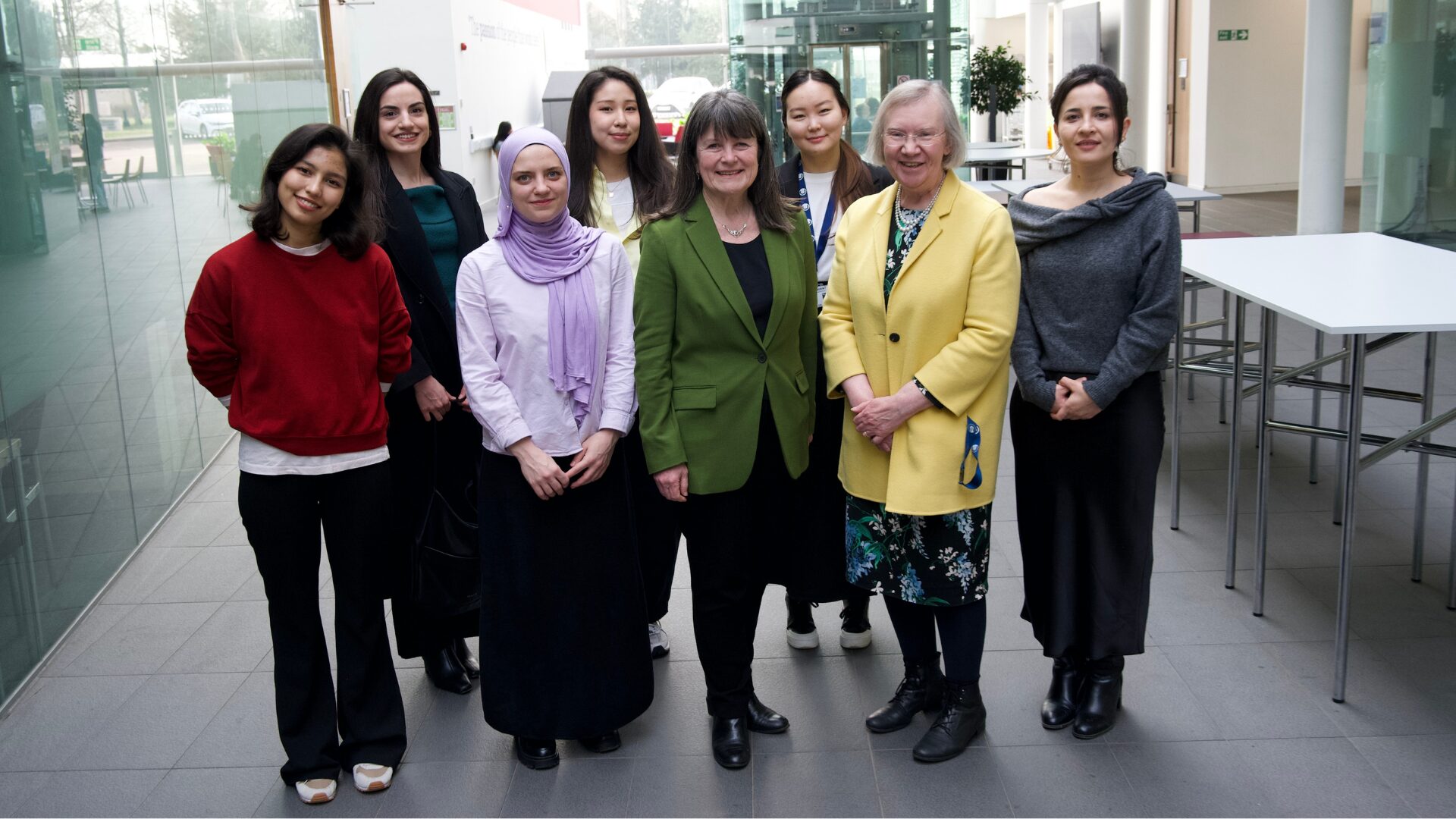
On the 5 March 2026, our British Council Women in STEM Scholars had the privilege of sitting down with two excellent role models of industry and academia: Professor Dame Karen Holford, ...
From MSc to CEO: Igniting a research revolution
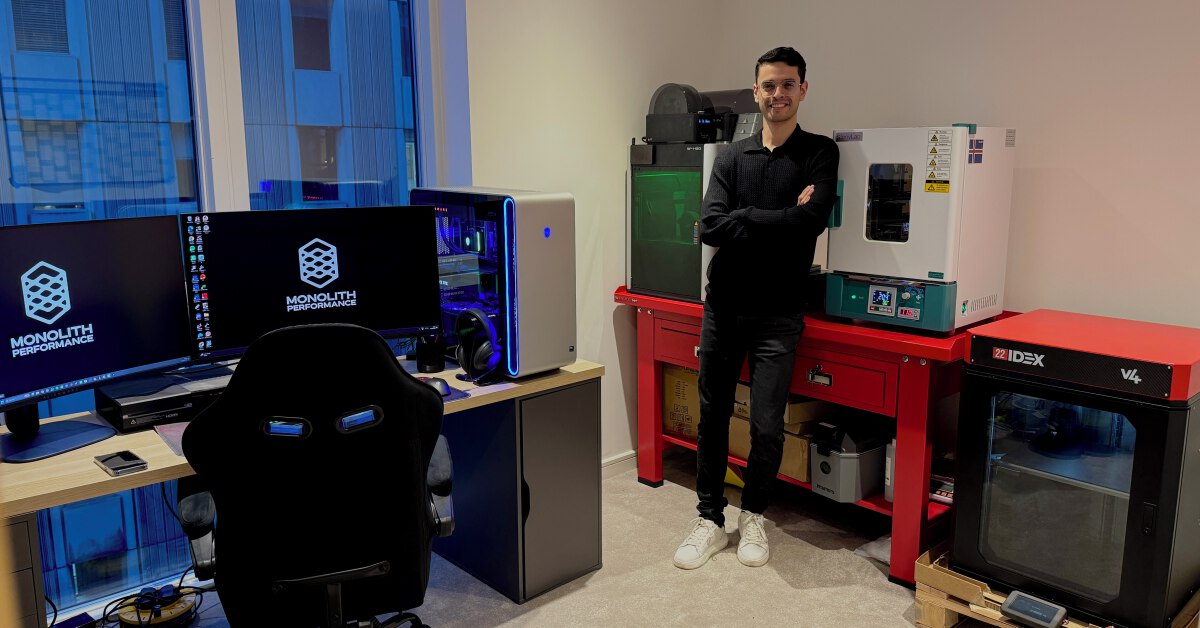
For many, a master’s degree is achieving a big milestone. Kilyan Ocampo, Computational Fluid Dynamics alumni shares how studying at Cranfield helped launch his career in the energy sector. Today, Kilyan ...
Commuting, collaborating and growing: My first term experience at Cranfield
My first term at Cranfield University has been an extremely positive and rewarding experience. While the course has been intense at times, it has pushed me in the best possible way and allowed me ...
Comments are closed.