

Powering the future: Why Cranfield’s gas turbine programme is the ultimate launchpad
06/11/2025
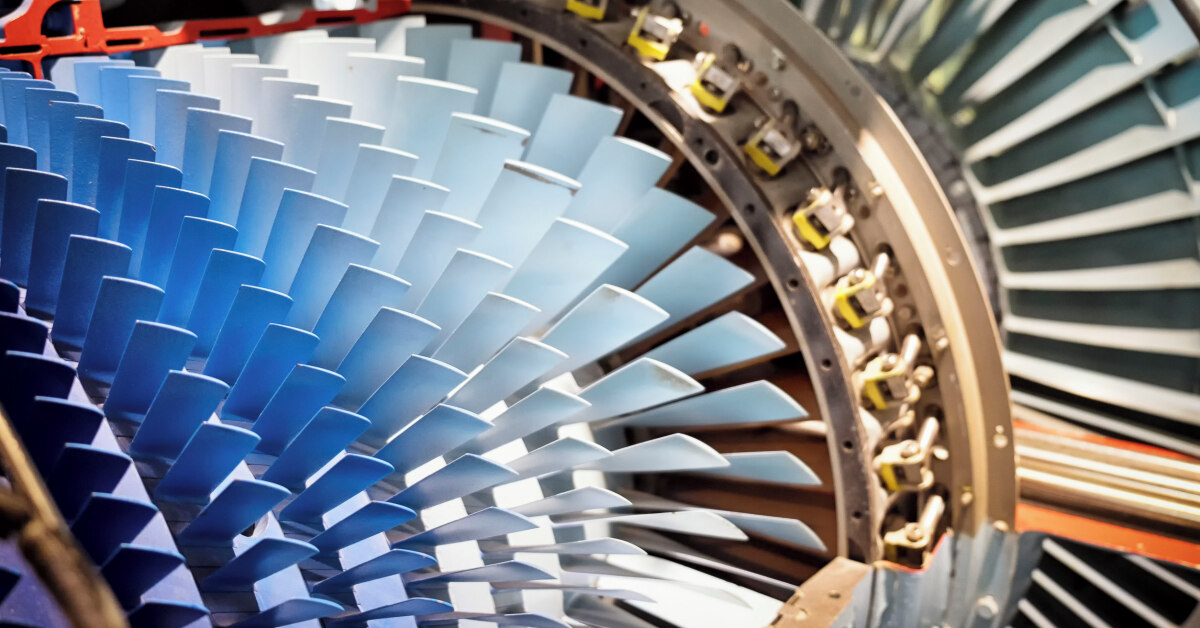
If your dream job involves engines that define aerospace travel, or industrial systems that power global energy, then you need more than just a degree – you need a launchpad. That’s exactly what I found at Cranfield University, an institution built on postgraduate excellence and relentless industry focus.
Hi, I’m Krzysztof Danielak, I’m Polish, and I completed my MSc in Thermal Power and Propulsion, Rotating Machinery, Equipment, and Management in February 2025. My experience here was so rewarding, I decided to stay on for a PhD! Here is why Cranfield is the essential next step for your career in turbomachinery.

The passion for propulsion: Why I chose Cranfield
During my studies and internships at industry giants like GE Aerospace and Baker Hughes, I discovered my true calling: gas turbine engineering. This field perfectly combined all the subjects I enjoyed most – heat transfer, fluid mechanics, turbomachinery, combustion, and thermodynamics, and offered a career that spanned both aerospace and industrial applications.
“Cranfield University was the obvious choice because it offered a unique opportunity to deepen my knowledge of gas turbines across this full spectrum. It perfectly aligned with my goal to build a comprehensive, dual-application professional profile.”
Beyond theory: Developing a real engineering mindset
The course was demanding yet highly rewarding. It provided a rock-solid foundation in how gas turbine engines operate, but the most valuable takeaway was the engineering mindset it cultivated.
As my professors emphasised, the design of a turbine must always depend on its intended application. The objectives for an industrial turbine are drastically different from those for an aerospace turbine. This critical approach, always considering the expected outcomes and functional purpose of the system, is the core of engineering at Cranfield.
Another key highlight was the intense industrial relevance. Lectures delivered by professionals actively involved in specific technologies and engine development gave us a unique understanding of how theoretical knowledge is applied, to solve real-world industrial problems that generate value for a company.
The power of smart technology and critical thinking
Cranfield’s emphasis on smart technology taught me the immense value of modern design tools. In many cases, running a mathematical model is far more cost-effective than conducting a full-scale experiment. We learned how approaches like using a digital twin of an engine can greatly enhance performance monitoring and maintenance planning.
However, the most valuable lesson was critical awareness. No model can perfectly capture the complexity of the real world. As future engineers, we must always evaluate results critically.
“No paper or model can perfectly capture the complexity of the real world and this is something that should always be kept in mind. This critical awareness is one of the most valuable lessons to take away from your time at Cranfield.”
Preparation for the real world: Cutting-edge research
The preparation for real-world engineering is excellent. The majority of our individual research projects which serve as the thesis are highly relevant to current industry challenges. We engage with areas that closely reflect the technological directions and research priorities currently pursued by industry, such as:
- The use of alternative fuels.
- Prognostics and diagnostics (predicting and diagnosing engine issues).
- The integration of bottoming cycles with supercritical CO2 for efficiency.
This opportunity to work on industrial research is what makes Cranfield graduates highly attractive in the job market. The programme ensures you can not only model complex systems, but also understand the limitations of those models and how accurately they represent real physical phenomena.
A campus where academics become mentors
What truly sets Cranfield apart is the environment – the people and the culture. My decision to stay and pursue a PhD reflects how much I enjoy this place. The course is not only well-structured and academically rigorous but also provides unique, industry-relevant knowledge.
The energy and enthusiasm here are special. The academics are more like colleagues and mentors than distant lecturers. I’ve found that you can always approach them with any questions or difficulties, and if they can’t provide the answer, they will readily direct you to someone who can help.
Your path to propulsion: My advice
If you are interested in thermal power and propulsion, take full advantage of this programme. Whether I end up in academia or industry, I know I will continue working in gas turbine engineering, and Cranfield made that certainty possible.
My advice to you is simple: always evaluate your results critically.
Before you begin any detailed modelling or computational work, perform simple manual calculations to verify whether your results are reasonable. This critical thinking and understanding the physical limits before trusting the digital ones, is the hallmark of a great Cranfield engineer.


Categories & Tags:
Leave a comment on this post:
You might also like…
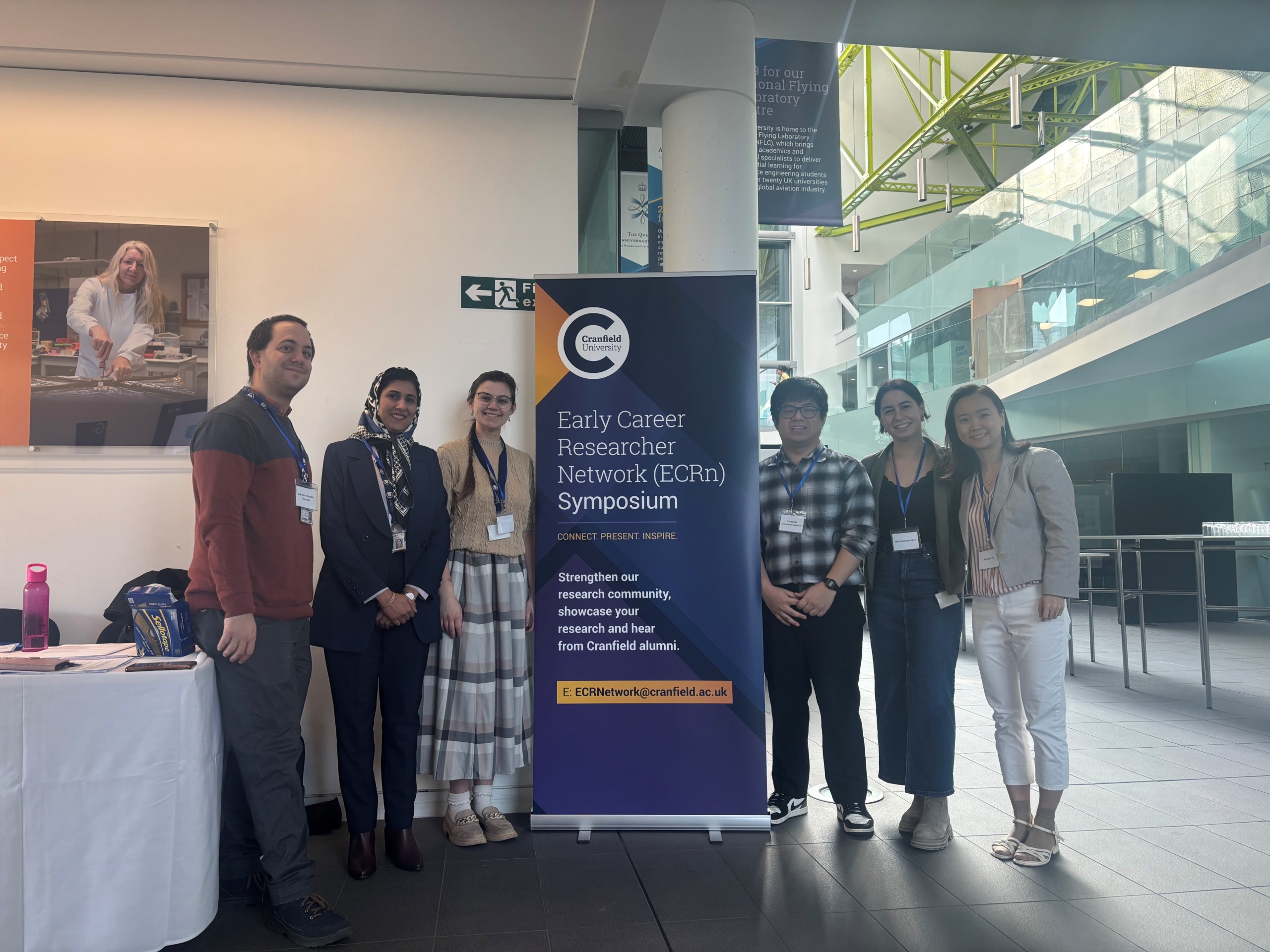
Building more than research: Reflections from the ECRn Symposium 2026
There’s something quietly powerful about a room full of early career researchers. Not just the ideas, although there were plenty of those—but the conversations, the curiosity, and the sense that everyone is figuring things ...
Library services over Easter, 3-6 April
Kings Norton Library will remain open for study 24/7. You will need your University ID card to enter the building and can use the self-service machines to borrow and return items as usual. Barrington Library ...

How do I access the full-text of Harvard Business Review (HBR)?
This is a frequently asked question, and it's worth knowing how to access this key management journal. So, how do you access HBR in full-text? The short answer is via our eJournals finder. You can find ...

Engineering problem to solve? Let Knovel help you find a solution
Did you know that Knovel provides you with more than just eBooks? Knovel is a key database for many engineering, mechanical and materials courses here at Cranfield University, and contains content from an extensive range ...
What happens when female scholars meet influential leaders?
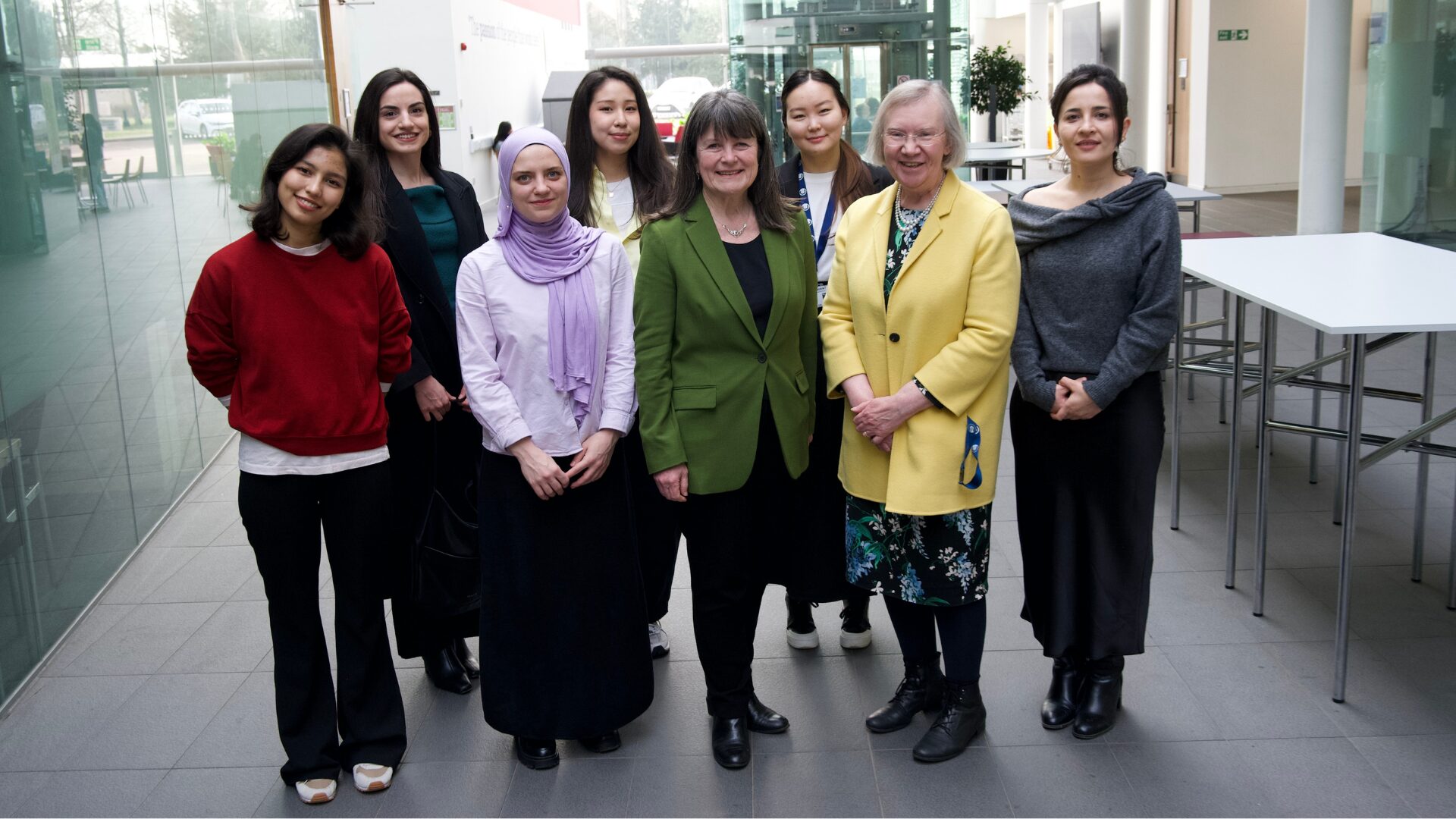
On the 5 March 2026, our British Council Women in STEM Scholars had the privilege of sitting down with two excellent role models of industry and academia: Professor Dame Karen Holford, ...
From MSc to CEO: Igniting a research revolution
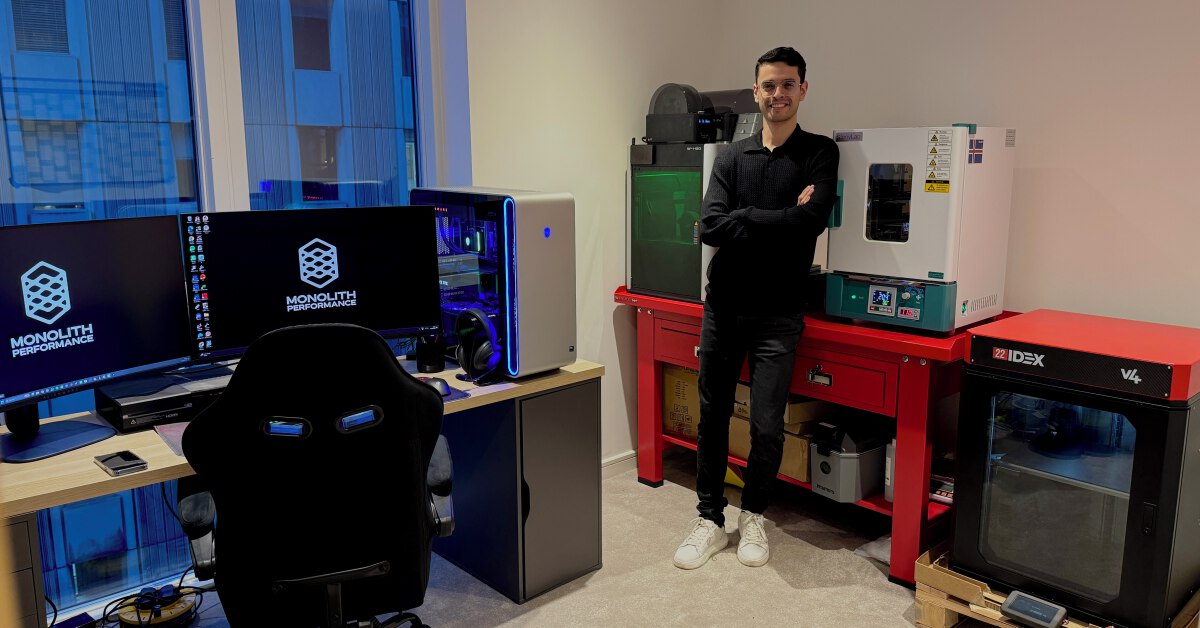
For many, a master’s degree is achieving a big milestone. Kilyan Ocampo, Computational Fluid Dynamics alumni shares how studying at Cranfield helped launch his career in the energy sector. Today, Kilyan ...
Comments are closed.