

Isn’t it curious why we are curious?
30/06/2025

Curiosity is Everywhere
It’s the urge that pushes us to Google things at 2 a.m., to explore new places, to ask “what if?”, and to dive into topics we didn’t even know we cared about – until we did.
But where does this powerful human drive come from? And how do we nurture it in a world that moves faster every day?
The word curiosity has a long and fascinating history. It traces back to the Latin curiositas, which stems from curiosus, meaning “careful” or “inquisitive.” Interestingly, curiosus comes from cura, meaning “care” or “concern.” In its earliest forms, then, curiosity was linked not only to interest, but to careful attention and thoughtfulness.
In the Middle Ages, the word entered the English language through Old French as curiosité. At first, it referred more to carefulness or attention to fine detail. By the 17th century, however, curiosity had evolved into something more noble and expansive: the innate desire to explore and learn; a key trait in science, philosophy, and education. Today, curiosity is widely seen as a vital part of creativity, problem-solving, and personal development.
This evolution in language reflects how curiosity has grown to cover a broad spectrum of lived experiences. Whether it’s empowering yourself to learn more about a topic or passionately pursuing knowledge to become a world-leading expert, curiosity plays a crucial role.
Curiosity took humanity to space. It led to the creation of the first iPhone, inspired art-deco architecture, and, at its most basic, it drove us to create fire, understand gravity, and power entire cities.
Some of the greatest minds in history devoted their lives to curiosity. Galileo, Sir Isaac Newton, Nikola Tesla, and Stephen Hawking all wrote about their fascinations with the universe and how it could be understood, explored, and improved.
Does curiosity have to be academically focused? Absolutely not…
We’ve all found ourselves going down a YouTube rabbit hole, watching videos about how Genghis Khan might be genetically linked to 1 in every 200 men worldwide, or learning why the ‘Bermuda Triangle’ has become such a mysterious part of maritime folklore.
Curiosity is just as present in the video gamer searching for every Easter egg and hidden item, or the fashion designer dreaming up the next season’s look, or in the chef experimenting with their next culinary masterpiece.
As a species, we are wired to be curious, to push boundaries, create new technologies, and discover new ways of doing things. Curiosity is born from our instinct to survive, thrive, and grow. And within each person lies something they’re either deeply passionate about or simply intrigued to explore further.
So, how do we harness that?
Educational institutions, from primary schools to doctoral research centres, are homes of curiosity and innovation.
Cranfield is no different. It’s one of our core missions. We’re passionate about giving you the tools, space, and support to explore and empower your curiosity, whether through research, development, or practical testing.
Our unique environment, spanning locations at Cranfield and Shrivenham, allows us not only to theorise, but to put our curiosity into practice.
Have you ever wondered how crash scene investigators approach disasters like plane or train accidents? Or how hackers breach the security of your favourite high street retailer? Maybe you’ve thought about how wastewater is treated and recycled into drinking water? We do all of that, and more.
But it’s not just about what we can offer. It’s about you. We want to know what makes you curious; what that word means to you, and where your curiosity might lead if you had the tools to explore it.
We asked some of our students and staff what sparks their curiosity:
Isabella – Counterterrorism MSc student
“I think it’s a very good thing. Curiosity helps you spot gaps, question assumptions, and find better ways of doing things.”Nidhi – Strategic Marketing MSc student
“As someone who’s a total social butterfly, always talking to people, asking questions, and diving into conversations, curiosity comes very naturally to me. I love understanding people: how they think, why they behave a certain way, and what influences their choices.”Tom – Senior Lecturer, Computational Fluid Dynamics MSc
“Research, and the rabbit holes curiosity leads us down, isn’t something that can be done in short bursts. It’s like a marathon; you wouldn’t just start running without stretching first. Interruptions break the flow of research, and by extension, the flow of curiosity. That’s something my PhD advisor taught me, and I know it to be true now as an academic myself.”
What about the future?
It’s our collective curiosity that binds us together, the eternal human desire to innovate, build, and grow. When nurtured, curiosity becomes a powerful tool capable of driving life-changing discoveries and transformations.
That’s our aim for everyone who walks through the doors at Cranfield, whether staff or student. We want you to feel empowered to embrace your curiosity, make meaningful decisions, and inspire the next generation.
Who knows? In 100 years, we might look back and say, “It all started here.”
Curious, isn’t it?

Categories & Tags:
Leave a comment on this post:
You might also like…

Engineering problem to solve? Let Knovel help you find a solution
Did you know that Knovel provides you with more than just eBooks? Knovel is a key database for many engineering, mechanical and materials courses here at Cranfield University, and contains content from an extensive range ...
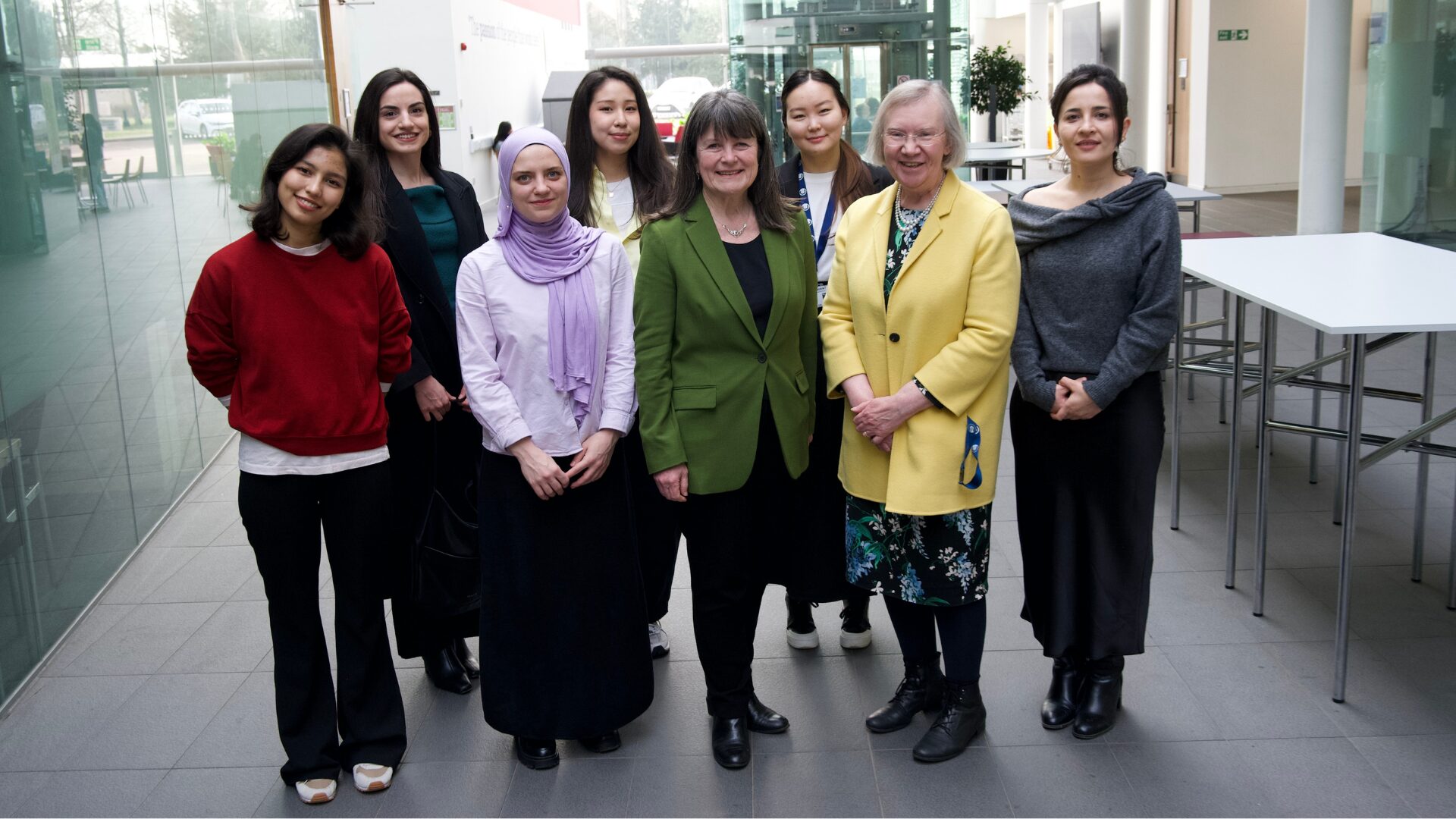
What happens when female scholars meet influential leaders?
On the 5 March 2026, our British Council Women in STEM Scholars had the privilege of sitting down with two excellent role models of industry and academia: Professor Dame Karen Holford, ...
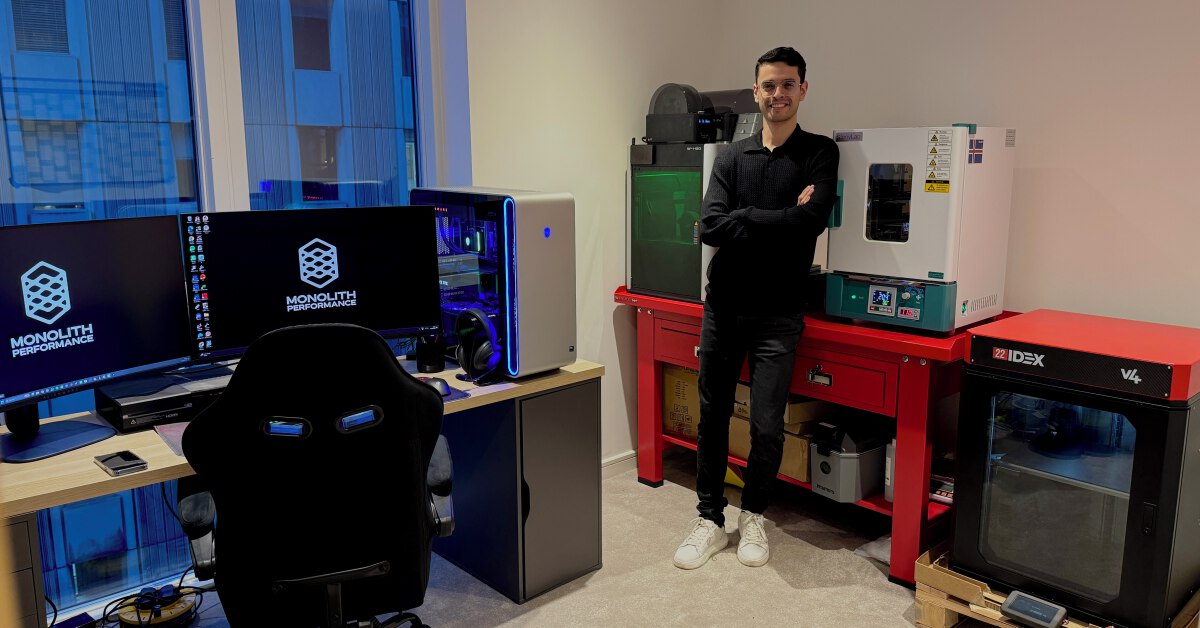
From MSc to CEO: Igniting a research revolution
For many, a master’s degree is achieving a big milestone. Kilyan Ocampo, Computational Fluid Dynamics alumni shares how studying at Cranfield helped launch his career in the energy sector. Today, Kilyan ...
Commuting, collaborating and growing: My first term experience at Cranfield
My first term at Cranfield University has been an extremely positive and rewarding experience. While the course has been intense at times, it has pushed me in the best possible way and allowed me ...

Sourcing country analysis – a guide to Library sources
For those researching a country, you will find that country information tends to take two forms: Analysis - country reports are descriptive reports covering most areas of interest on a country. They contain an analysis ...

The degree that launched my marketing career
Insights from Tayo George, Strategic Marketing MSc Alumni I chose the Strategic Marketing MSc at Cranfield because I wanted a programme that combined academic rigour with practical, commercial relevance. The emphasis on applied learning, ...
Comments are closed.