


Creating Impact: Women in STEM Scholars discuss their journey and aspirations
10/02/2025
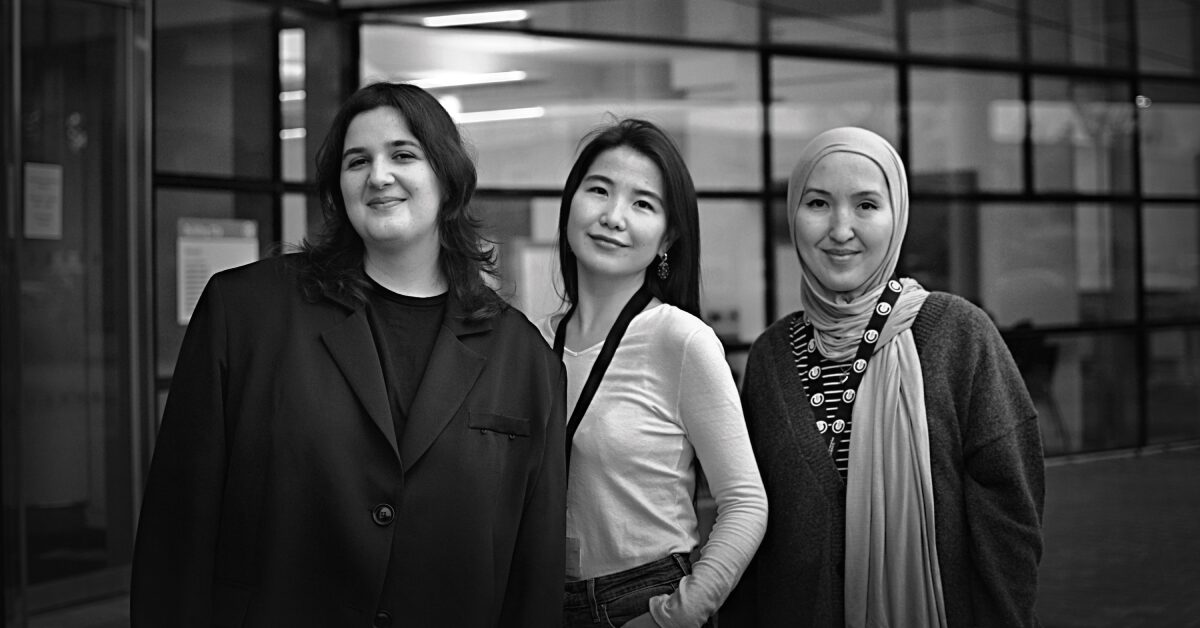
We recently had the opportunity to catch up with some of your Women in STEM scholars to discuss what receiving the scholarship means to them, their experiences studying and living in the UK, their plans for the future after graduation and any advice or tips they have for aspiring Women in STEM applicants.
What does it mean to be a Women in STEM scholar?
Seval – Being a Women in STEM scholar means having the confidence and support to pursue my passion for science, engineering and technology, while also serving as a role model for other women entering these sectors . During this process, I was approached by several female scholars on LinkedIn who asked about my experience and I did my best to share useful insights. The scholarship has been a constant reminder that women’s contributions to STEM are invaluable and that there is a dedicated community rooting for our success.
Mariam – Being a Women in STEM scholar is about joining a powerful community that empowers women to excel in traditionally male-dominated fields. It signifies a commitment to challenging stereotypes and inspiring the next generation of female leaders in science and technology.


How have you found studying and living in the UK?
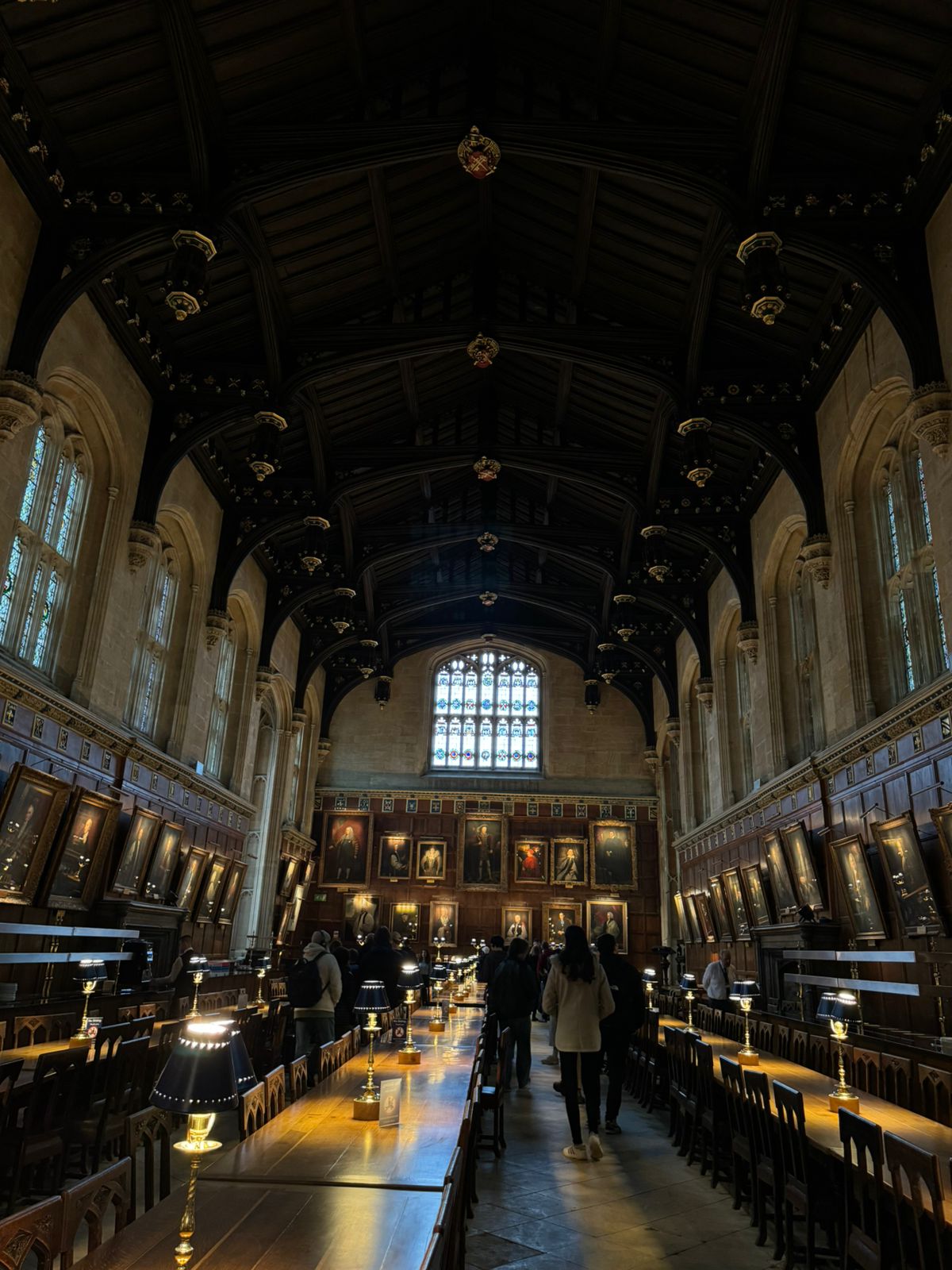
Mariam – My experience in the UK has been truly enriching. The cultural diversity at Cranfield has been a highlight, exposing me to different perspectives and valuable international connections. Beyond academics, exploring the UK has been an unforgettable journey. From the historical wonders of Scotland to the magical world of Harry Potter, every experience has broadened my horizons and enriched my personal growth.
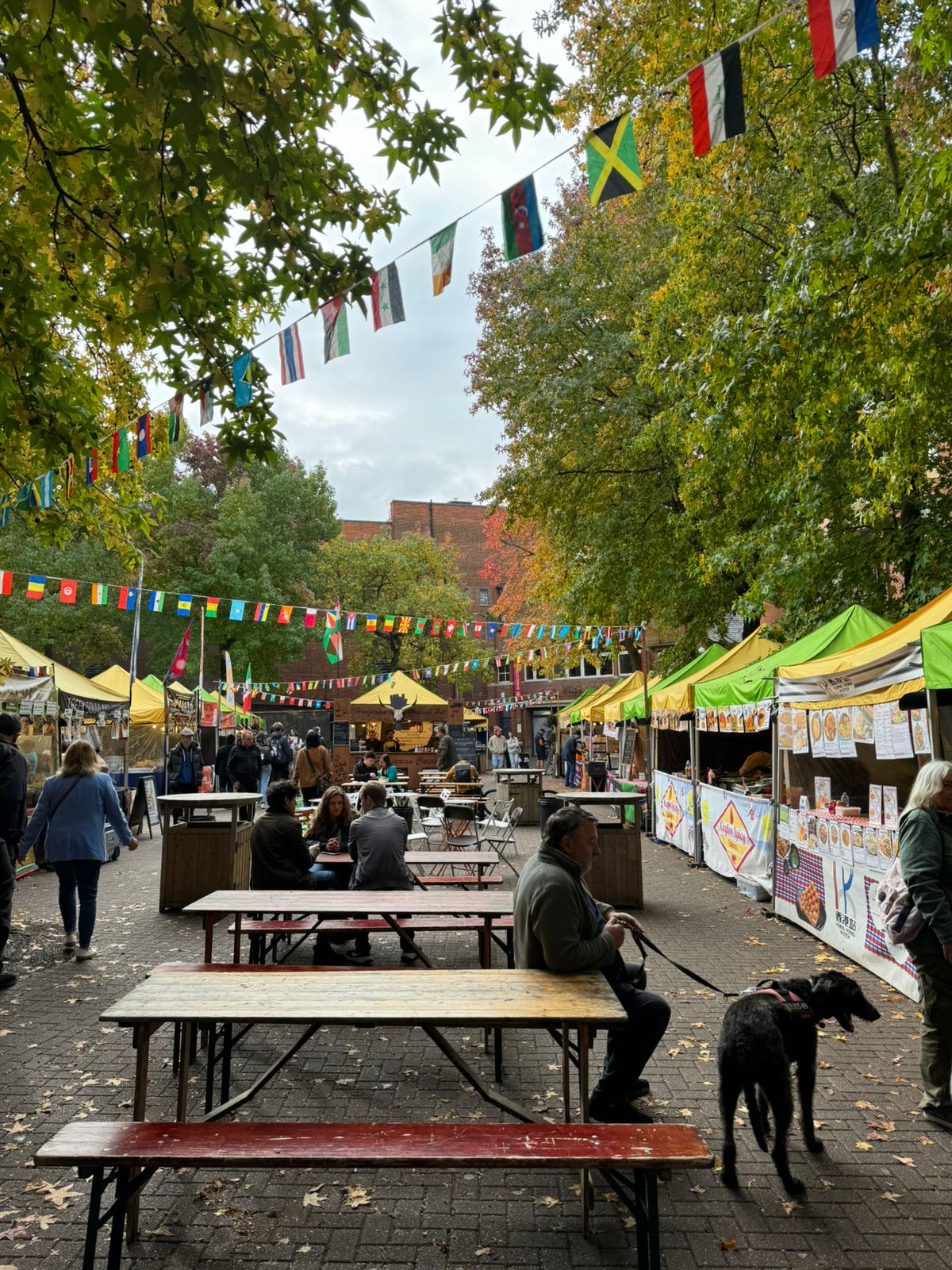
Seval – Studying in the UK has been a transformative experience. I previously studied public administration in Germany, and I believed that the UK—given the global nature of engineering—would be one of the best places to learn about and participate in worldwide developments. The multicultural environment at Cranfield d has allowed me to collaborate with people from varied backgrounds and deepen my understanding of global issues. Outside of my academic work, I have enjoyed exploring British culture, trying new foods, and traveling around the country. The balance between academic rigor and personal discovery has been truly rewarding.

Thinking about the future and life after Cranfield, what are your plans?
Seval – After completing my studies, I hope to apply my research and leadership skills in a role where I can develop innovative technologies or strategies that have a positive social or environmental impact. By combining my public-sector experience in Türkiye with the knowledge I gained through this MSc , I feel well-prepared and confident to excel in my career. I also look forward to continuing to mentor young women, encouraging them to pursue STEM careers, just as I was inspired by others before me.
Mariam – After completing my studies, I plan to return to my home country and contribute to Georgia’s growing AI sector. I aim to gain valuable industry experience before pursuing a PhD, deepening my research in this area.
Have you got any advice for future Women in STEM applicants, looking to complete their application?
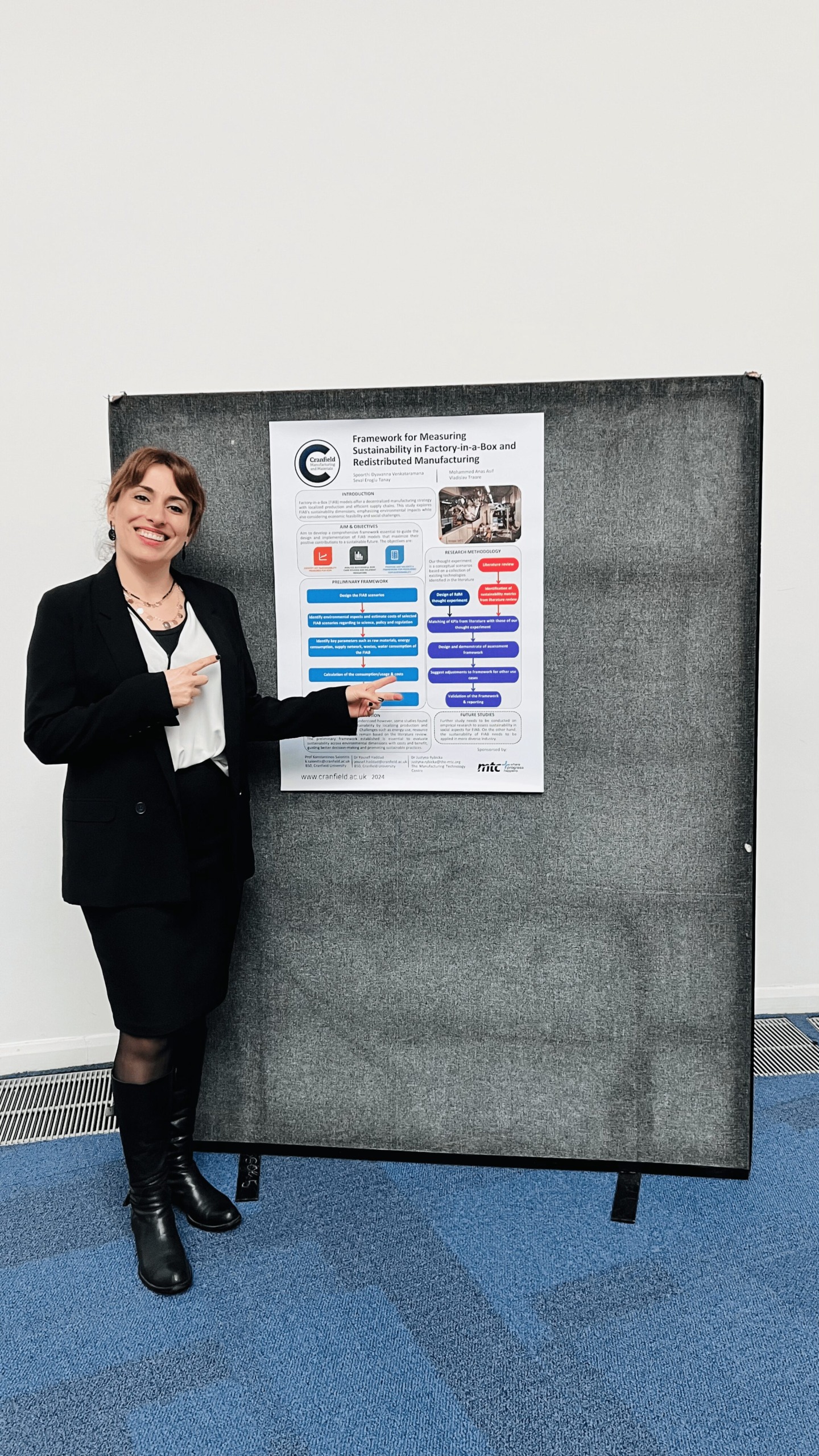
Mariam – The application process was relatively straightforward. For future applicants, I strongly advise crafting a sincere and compelling cover letter that effectively conveys your passion for STEM and your unique contributions to the field.
Seval – The application form was straightforward to complete, but I made sure to be specific and highlight achievements and goals that aligned with the scholarship’s values. My top tips would be:
Reflect on your experiences: Emphasise how they have shaped your passion for STEM and your drive to contribute to the field.
- Be realistic: Clearly define who you are and what you hope to achieve. Authenticity will help your application stand out.
- Ask for feedback: Have someone review your application for clarity and consistency.


Categories & Tags:
Leave a comment on this post:
You might also like…

Cranfield: an environment where innovation thrives
The latest Knowledge Exchange Framework rankings from UK Research and Innovation (UKRI) gives an insight into the real and meaningful impact that UK universities have. The seven categories that make up KEF6 cover everything ...

How Cranfield accelerated my career in Logistics and Supply Chain Management
After graduating from the MSc in Logistics and Supply Chain Management at Cranfield University, I've been reflecting on the experiences that made my journey so valuable and the impact it has had on my ...

Mendeley: a powerful tool to organise and manage your references
Are you looking for a way to manage your references, create in-text citations and reference lists for your assignments or thesis? If so, you may wish to consider using Mendeley. What is it? Mendeley is ...

Keen to develop your study skills?
Alongside the technical skills and academic knowledge that you will gain on your course, as a Cranfield student you have the opportunity to develop a range of other skills that can enhance your learning experience. ...

The V-conomy: powering the sixth wave of global economic growth
The world could be on the verge of a major surge in economic growth and development, driven by the convergence of AI and clean energy technology. Waiting to ride the K-wave The Russian ...

Need help using the Python programming language?
We know some of our students are currently trying to learn Python, so we wanted to make you aware of some great LinkedIn Learning videos that can help. But don't you have to pay for ...