

From Kenya to Cranfield: Building the future of responsible AI
11/11/2025
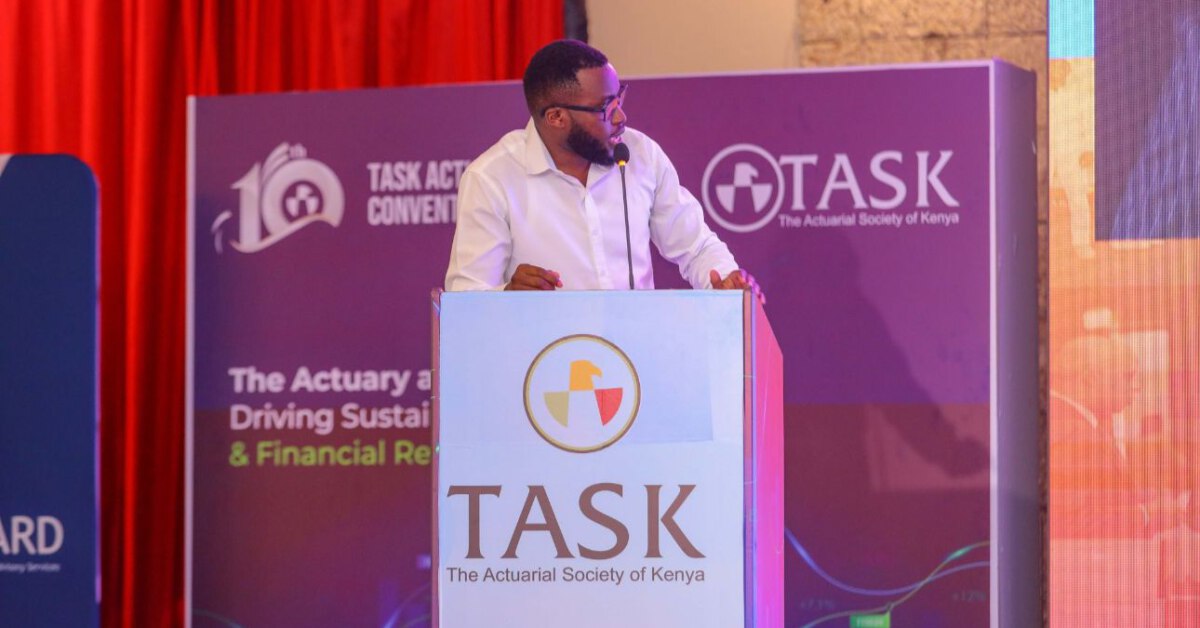
The world of technology is moving at an unprecedented pace. Cranfield University is at the forefront of new technology and builds strong links with global companies, giving our graduates the skills and knowledge they need to make a difference. Let’s hear the story of one student who is redefining his trajectory on our campus.
Meet Dennis Kevogo, a Kenyan national and UK resident, currently pursuing an MSc in Applied Artificial Intelligence at Cranfield, with an expected graduation in June 2026. His journey is a powerful testament to the impact of industry-led, applied education.
Why Cranfield? It’s all about the application
For Dennis, the choice was clear:
“I wanted a programme that went beyond theory and gave me opportunities to build and deploy AI solutions in realistic environments.”
He chose Cranfield specifically for its reputation for industry-led teaching, applied research, and close collaboration with real-world partners. The Applied AI MSc was a perfect match, aligning with his professional focus on responsible AI (RAI), automation, and AI governance. A significant draw was the structure of the course, particularly the Group Design Project, which he notes “mirrors how AI projects are delivered in industry and demands technical depth, leadership, and collaboration.”
The intense, rewarding reality of applied AI
The course, in his words, is “Intense, in the best and most rewarding way.” The highlight? The Group Design Project, which felt like running a real-life consultancy sprint, fast-paced, deeply technical, and highly collaborative. This project-based learning, challenged his team to translate complex requirements into deployable AI solutions under tight deadlines, sharpening both his technical depth and leadership abilities.
Cranfield has given Dennis the opportunity to bridge the gap between academia and industry. It has allowed Dennis to obtain:
- Hands-on innovation: Developing an AI orchestration pipeline leveraging LLMs (large language models), ensuring every module translates directly into a real-world capability.
- Industry insights: Impactful workshops, such as, a session led by a senior data leader from Jaguar Land Rover, exploring how AI operates at scale within engineering and manufacturing ecosystems.
- Deep technical foundations: Modules like, Intelligent Cyber-Physical Systems offer a solid understanding of how AI integrates with autonomous environments and IoT systems, directly feeding into the work of his start-up, Prescott Data.
- Global collaboration: Working with peers from diverse nationalities and professional backgrounds, a collaboration so fruitful that the group even went a step further to publish two research papers.
“Overall, the course combined intensity, innovation, teamwork, and industry relevance in a way that has prepared me exceptionally well for the next phase of my AI career.”
Leading the charge in responsible AI
Cranfield’s emphasis on smart technology isn’t just preparing Dennis; it is inspiring him. The programme has powerfully reinforced his belief that smart technology must be both powerful and trustworthy.
This focus has strengthened his aspiration to lead large-scale, impact-driven AI programmes globally, particularly in healthcare, development, and digital transformation. It directly informs his role as co-founder at Prescott Data, where he leads the development of Dromos, an AI-native agent builder designed to automate mission-critical workflows. The platform is currently in Beta, they are prioritising those who signed up on the waitlist. Dennis said “Those on the waitlist receive exclusive early access of the agent builder, and work closely with us to refine the product before its full public launch.”
Dennis found his learnings from his MSc goes beyond algorithms, providing practical experience in AI operations lifecycles, reproducibility, observability, compliance, and AI risk management – all crucial real-world challenges.
“I aim to become a global leader in responsible AI, automation, and AI governance… and build frameworks that improve trust, adoption, and impact.”
The Cranfield campus: Focus, movement, and calm
What does life look like on a leading smart campus? For Dennis, a typical day is a blend of “focus, movement, and calm.”
“Days are structured around engaging lectures and lab-based sessions, followed by collaborative group work or research. But the unique campus environment offers space to think deeply: the environment itself has its own rhythm, walking the woodland trail, fresh air near the airport strip, or spending time at the campus gym to reset. There’s a calming energy at Cranfield that allows you to think deeply without distraction.”
This supportive and intimate learning environment, combined with world-class faculty and industry access, has made his experience of studying in the UK transformative.
Your future starts here: Advice for the next generation
For anyone interested in smart technology, Dennis Kevogo offers crucial advice:
“My advice is to embrace both the technical and ethical dimensions of smart technology. The future of AI and smart systems depends not just on advanced algorithms but also on ensuring transparency, fairness, and accountability.”
He urges future students to “Be curious, stay hands-on, and build a strong foundation in both the technical tools and governance frameworks. Most importantly, think about how your work will create real-world impact.”


Categories & Tags:
Leave a comment on this post:
You might also like…

Library services over Easter, 3-6 April
Kings Norton Library will remain open for study 24/7. You will need your University ID card to enter the building and can use the self-service machines to borrow and return items as usual. Barrington Library ...

How do I access the full-text of Harvard Business Review (HBR)?
This is a frequently asked question, and it's worth knowing how to access this key management journal. So, how do you access HBR in full-text? The short answer is via our eJournals finder. You can find ...

Engineering problem to solve? Let Knovel help you find a solution
Did you know that Knovel provides you with more than just eBooks? Knovel is a key database for many engineering, mechanical and materials courses here at Cranfield University, and contains content from an extensive range ...
What happens when female scholars meet influential leaders?
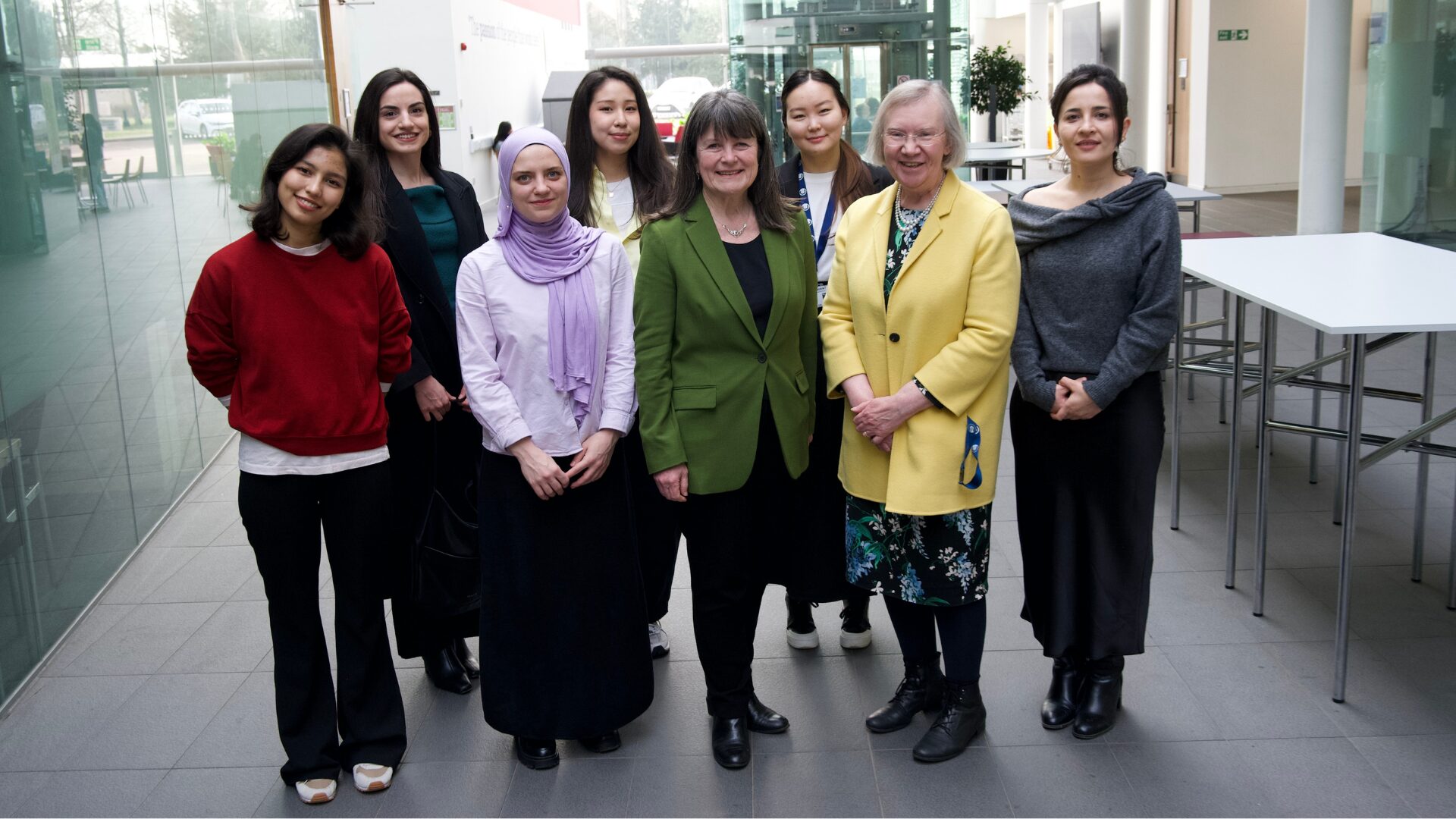
On the 5 March 2026, our British Council Women in STEM Scholars had the privilege of sitting down with two excellent role models of industry and academia: Professor Dame Karen Holford, ...
From MSc to CEO: Igniting a research revolution
For many, a master’s degree is achieving a big milestone. Kilyan Ocampo, Computational Fluid Dynamics alumni shares how studying at Cranfield helped launch his career in the energy sector. Today, Kilyan ...
Commuting, collaborating and growing: My first term experience at Cranfield
My first term at Cranfield University has been an extremely positive and rewarding experience. While the course has been intense at times, it has pushed me in the best possible way and allowed me ...
Comments are closed.