

Are you ever too old to study?
16/04/2020

18 months ago, I returned to higher education. Previously, an Executive Assistant and having had a significant personal loss earlier in 2018, I had reached a stage in my life where I wanted to change my career path. I decided to return to college to study an Access to Higher Education course and subsequently attend university to study Business Management. I made this life change with the goal of pursuing a career in Corporate Social Responsibility (CSR) / Responsible Business. I have always felt strongly about diversity and inclusion, social (employee and community) engagement and sustainability, but not had the courage to pursue it.
Whilst visiting different university campuses, it was suggested that I consider a master’s rather than a bachelor’s degree, given my experience and skills developed during my 25-year career. I never imagined that I would be able to study for a master’s degree, as my pathway in life had moved drastically away from academic study. Realising that this was a potential option, I started looking into master’s courses related to CSR. The course that stood out was Cranfield’s Management and Corporate Sustainability programme. The modules cover everything I need so I may leverage myself into a position of influence within an organisation in order to create change.
When I was accepted on the course, I started looking into scholarships since I would not have an income while still needing to pay a mortgage and bills. I found the Santander scholarship on the Cranfield website. I particularly liked the concept of the scholarship as it was solely for female students in the UK studying a master’s degree and I am a loyal Santander customer. The process was very easy to follow. I had to complete an online form and produce a one-page statement about why I should be awarded the scholarship and the benefits it would give me. The scholarship has given me the opportunity to buy books for further reading, and even attend off-site conferences. This opportunity has also enabled me, as a non-resident, to stay on campus when my timetable is extremely full. This allows me to work and interact with my fellow students.
As a mature student and having not studied for years, let alone for a degree, I have felt that life as a Cranfield student is ‘full on’. There are many lectures and plenty of reading to be completed. As a non-resident, my life at Cranfield has been different to many of the other students. It has been challenging juggling commuting, attending lectures, group work and supported reading. Nevertheless, it has been wonderful making new international friends and learning important skills such as leadership, organisational behaviour and strategic management. When I did stay on campus, I benefited from being able to socialise with my fellow students by experiencing different cultures through cooking or going out.
My family and friends have supported me on this exciting journey. They have encouraged my studies by helping to proofread my assignments, as well as understanding why I have not been able to be as social as I normally am and supported me through the tougher times. Some have questioned my change in direction when I was doing so well in my previous career. That has been good, as it made me think more about whether my chosen path was the right one. I am very lucky to have such a good support network.
Coronavirus has changed the way we all live our lives. I am fortunate that Cranfield will continue with my master’s course so I will be able to complete it. Lectures have moved online, through the Zoom platform. Assignments have not changed; we still need to submit online and I am keeping in touch with my fellow students through Whatsapp. FaceTime has been a lifeline giving me the opportunity to see and speak with friends and family. Not commuting has been the biggest benefit, allowing me to work on my garden, get my daily walk in the local fields and relax. I am taking full advantage of these benefits as they may not last when the lockdown is over.
Finally, my advice to those considering a master’s is to look at what the benefits are to be gained and weigh them up against ALL the costs – the income you will lose, the cost of the course and books, accommodation, etc. Be prepared to work hard with lots of group work, reading and assignments. It has been a great experience for me. Despite the challenges and costs, this has been very rewarding, not just from the experiences but also all the skills I have learnt. I would highly recommend it. If you are eligible, I would strongly encourage you to apply for the Santander scholarship. You have nothing to lose.
Lastly, you are never too old to study!

Categories & Tags:
Leave a comment on this post:
You might also like…
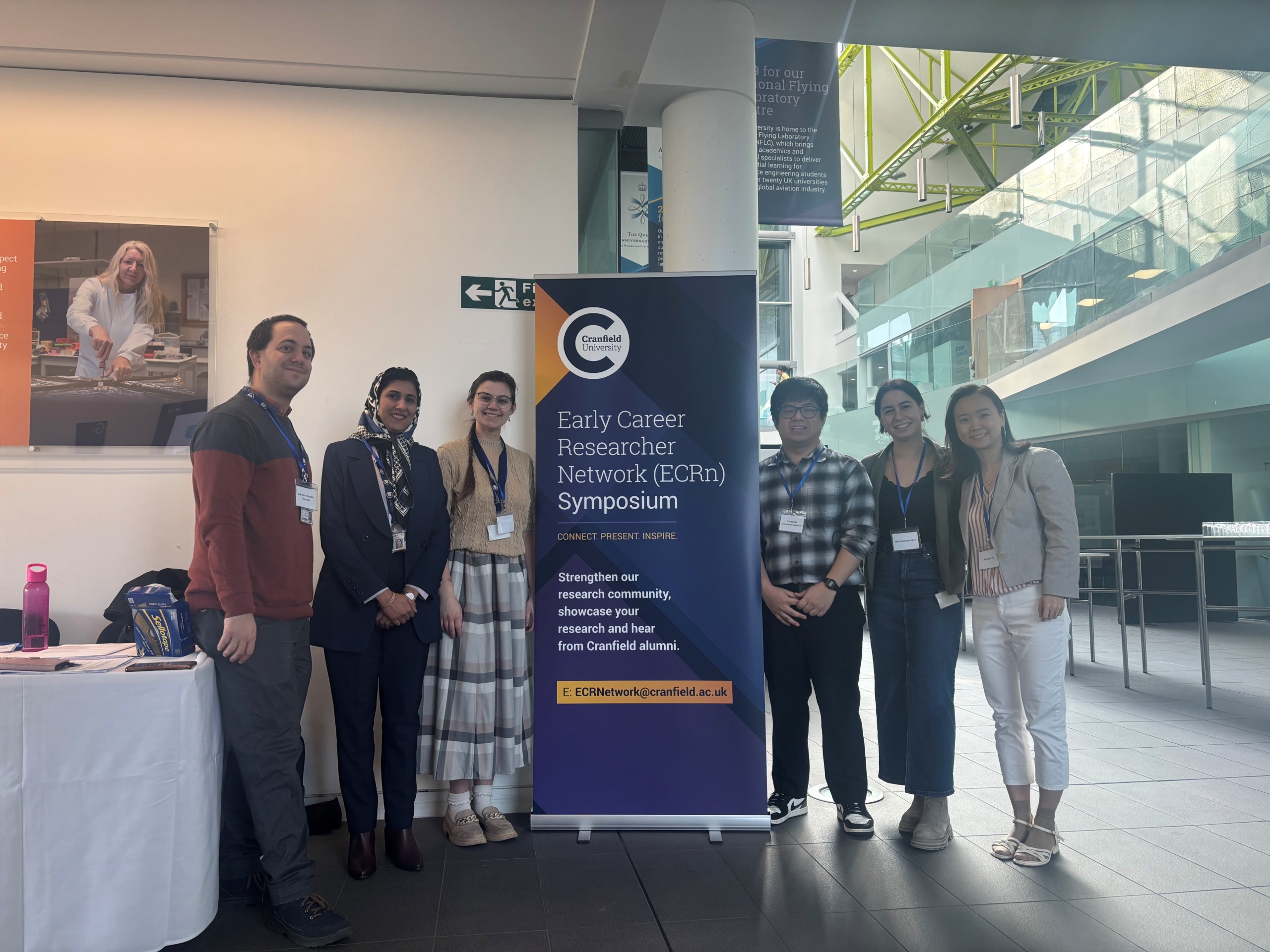
Building more than research: Reflections from the ECRn Symposium 2026
There’s something quietly powerful about a room full of early career researchers. Not just the ideas, although there were plenty of those—but the conversations, the curiosity, and the sense that everyone is figuring things ...

Library services over Easter, 3-6 April
Kings Norton Library will remain open for study 24/7. You will need your University ID card to enter the building and can use the self-service machines to borrow and return items as usual. Barrington Library ...

How do I access the full-text of Harvard Business Review (HBR)?
This is a frequently asked question, and it's worth knowing how to access this key management journal. So, how do you access HBR in full-text? The short answer is via our eJournals finder. You can find ...

Engineering problem to solve? Let Knovel help you find a solution
Did you know that Knovel provides you with more than just eBooks? Knovel is a key database for many engineering, mechanical and materials courses here at Cranfield University, and contains content from an extensive range ...
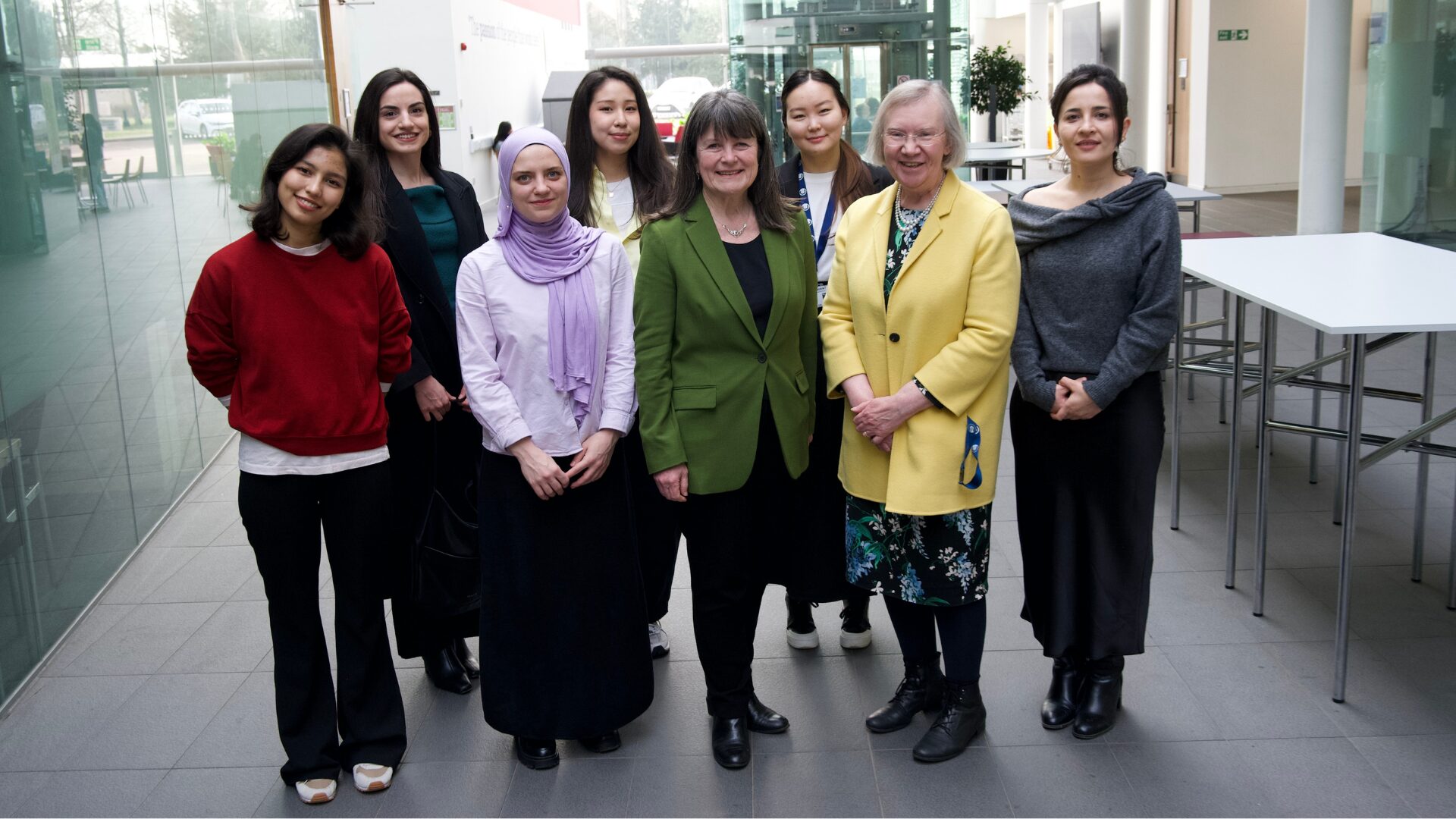
What happens when female scholars meet influential leaders?
On the 5 March 2026, our British Council Women in STEM Scholars had the privilege of sitting down with two excellent role models of industry and academia: Professor Dame Karen Holford, ...
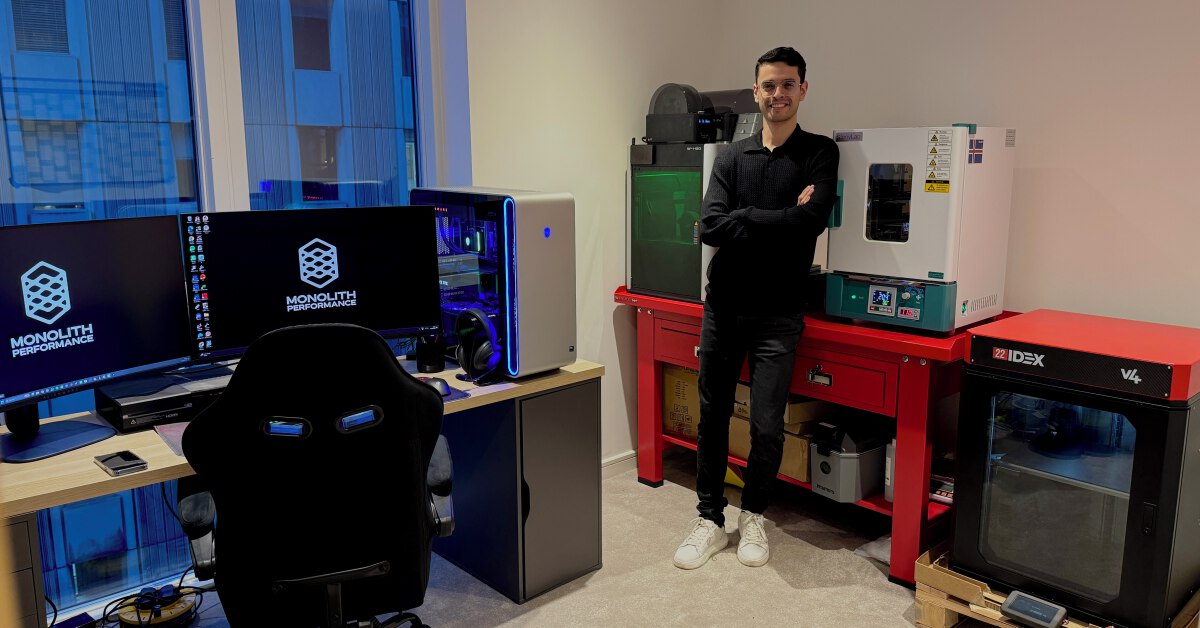
From MSc to CEO: Igniting a research revolution
For many, a master’s degree is achieving a big milestone. Kilyan Ocampo, Computational Fluid Dynamics alumni shares how studying at Cranfield helped launch his career in the energy sector. Today, Kilyan ...