


Sadaf’s ‘gap-bridging’ MBA. A transformative Cranfield experience
29/05/2025
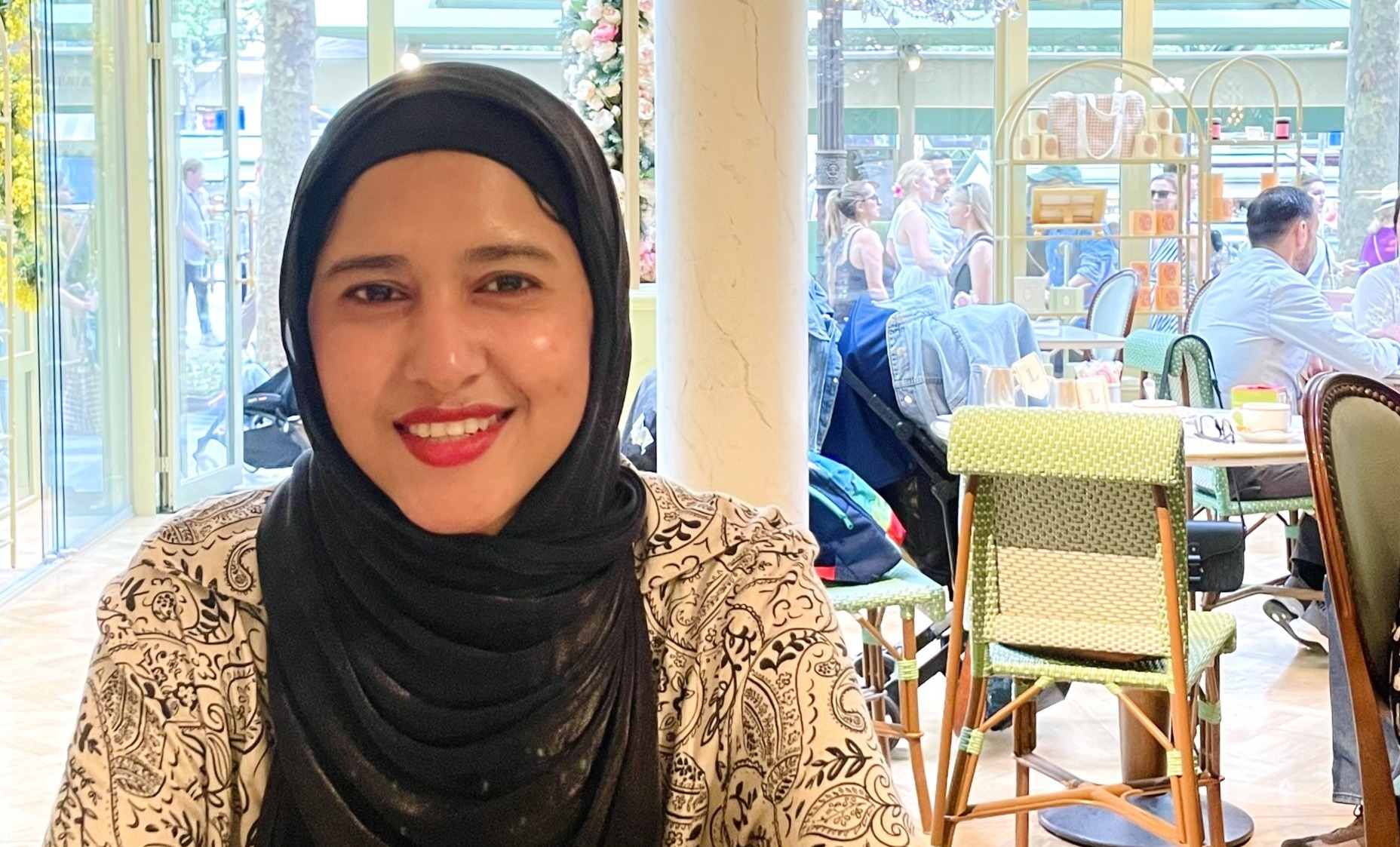
After six years of digital transformation projects for a global, financial institution, Sadaf sought to scale her influence, contribute meaningfully to the business world, and lead change in a structured and strategic way. Recognising that the full time, transformation MBA aligned with her desire to grow as a reflective, ethical and effective leader led to a move from India to the UK. She describes her time here at Cranfield as ‘transformative, purpose-driven, and empowering’.
Let’s hear more from Sadaf. Tell us about your background and what inspired you to pursue an MBA. Was there a defining moment or experience that made you say, ‘This is the path I want to take’?
My background lies at the intersection of banking technology and consulting, where I spent six years working on digital transformation projects for global financial institution. I led cross-functional teams, collaborated with clients to localise core banking products, and drove product strategies that contributed to multi-million-dollar revenues.
While I enjoyed the technical and operational challenges, over time I realised I wanted to expand my impact beyond product execution and shift toward the more strategic, business-facing side. I wanted to scale my influence, contribute meaningfully to the business world, and lead change in a structured and strategic way.
A defining moment came during a stakeholder meeting with a major banking client. I was presenting a roadmap for new product features, and instead of just discussing timelines, the conversation shifted to business model implications, cost-benefit trade-offs, and customer lifecycle value. I found myself deeply engaged, but I also recognised a gap in my toolkit.
That’s when I decided an MBA would help bridge the gap between where I was and where I wanted to be. It wasn’t just a career move; it was a commitment to my future self.
What drew you specifically to Cranfield for your MBA journey? What stood out to you about the programme, and how did it align with your goals?
Cranfield stood out to me for its strong reputation in leadership development, its intense focus on real-world application, and its intimate cohort size, which promised a collaborative and personalised learning environment. I was especially drawn to the Leadership Development module and the programme’s focus on coaching and reflective practice. I did not want to just study business theory, I wanted to grow as a reflective, ethical, and effective leader.
Cranfield aligned with my goal of becoming someone who doesn’t just adapt to the future but helps shape it.
What was the transition like moving from India to the UK for your studies? How did you adapt to a new academic environment, and what kind of support, whether from your peers, faculty, or University services helped you settle in?
The transition was intense but transformative. The academic environment here is more discussion-based, critical, and reflective. Coming back to the classroom after a few years felt a bit overwhelming at first, but the supportive faculty, student services, and my peers helped ease the adjustment.
Cranfield’s close-knit community helped me feel seen and supported.
I also found comfort in the cultural diversity of the cohort; everyone had something unique to bring to the table, which made adapting not just easier, but enriching.
You founded the Women in Business Society at Cranfield. What motivated you to take that initiative? How has leading the society shaped you personally and professionally?
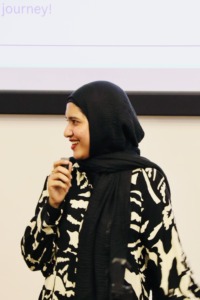
The idea came from a simple but powerful insight: While there were so many ambitious, talented women in our MBA and other programmes, there was no dedicated platform to connect, uplift, and empower each other. I wanted to create a space for learning, mentoring, and visibility. Founding the Cranfield Women in Business Society has been one of the most rewarding experiences of my MBA. It taught me how to build something from scratch, form partnerships, lead a team, and drive impact. More importantly, it reminded me that leadership is about creating opportunities not just for yourself, but for others.
What’s been the standout moment or highlight of your MBA experience so far? What lesson or impact do you think will stay with you long after graduation?
There have been many, but if I had to pick one, it would be our International Women’s Day event planning. It brought together people across departments, cultures, and professional backgrounds for a shared purpose. The biggest lesson for me has been the power of collaboration and vision. If you’re clear about your ‘why,’ people will rally around it. That mindset will stay with me in every role I take on next.
As you look to the future, what are your post-MBA aspirations? How do you see this experience influencing your next steps, both in your career and beyond?
Post-MBA, I aim to work at the intersection of strategy, innovation, and social impact, whether it’s in consulting, corporate leadership, or my own venture someday.
The MBA has given me the skills, confidence, and network to think boldly and act courageously. More than just a stepping stone, it has been a transformation ground, one that will shape every decision I make from here on.
Sum up your Cranfield experience in just a few words, and tell us why you chose them.
Transformative. Purpose-driven. Empowering.
Cranfield does not just teach you business, but it also challenges you to discover who you are, what you stand for, and how you want to lead.
Finally, for someone considering an MBA, especially at Cranfield, what advice would you give them?
Don’t pursue an MBA just for the title or a career switch. Do it for the personal and professional growth it offers. Come with an open mind, a willingness to engage deeply, reflect honestly, and challenge yourself. Cranfield will give back as much as you invest in the experience. It truly is a transformative MBA.


Categories & Tags:
Leave a comment on this post:
You might also like…
Building more than research: Reflections from the ECRn Symposium 2026
There’s something quietly powerful about a room full of early career researchers. Not just the ideas, although there were plenty of those—but the conversations, the curiosity, and the sense that everyone is figuring things ...

Library services over Easter, 3-6 April
Kings Norton Library will remain open for study 24/7. You will need your University ID card to enter the building and can use the self-service machines to borrow and return items as usual. Barrington Library ...

How do I access the full-text of Harvard Business Review (HBR)?
This is a frequently asked question, and it's worth knowing how to access this key management journal. So, how do you access HBR in full-text? The short answer is via our eJournals finder. You can find ...

Engineering problem to solve? Let Knovel help you find a solution
Did you know that Knovel provides you with more than just eBooks? Knovel is a key database for many engineering, mechanical and materials courses here at Cranfield University, and contains content from an extensive range ...
What happens when female scholars meet influential leaders?
On the 5 March 2026, our British Council Women in STEM Scholars had the privilege of sitting down with two excellent role models of industry and academia: Professor Dame Karen Holford, ...
From MSc to CEO: Igniting a research revolution
For many, a master’s degree is achieving a big milestone. Kilyan Ocampo, Computational Fluid Dynamics alumni shares how studying at Cranfield helped launch his career in the energy sector. Today, Kilyan ...
Comments are closed.