

Study better and smarter in 2026
06/01/2026

Happy new year! Now is the perfect time to reflect on your studies so far, thinking about what you’re doing well and where you need to focus a bit more attention. Getting back into ‘study mode’ after a break can be hard, but small steps will get you there. Here we suggest some resolutions you might want to make, along with our suggestions of how you can (easily!) achieve them.
If I get stuck, I will contact my librarian.
We are a friendly, helpful bunch so please don’t feel shy about asking us questions. Drop us a quick email or pop by to speak with us. If you prefer detailed, personalised help you can arrange to meet this us online or in person to discuss how we can help. No question is a silly question!
I will learn how to reference properly before I start my big projects and thesis.
Referencing may not sound like a lot of fun and can feel complicated, but it is an important part of academic life. Knowing how to accurately reference and cite your sources can gain you marks in your work and set you up for future report and research writing. Download a copy of our referencing guides and keep them to hand when working, try using a reference manager such as Mendeley to help organise your sources and help with citing, and make use of your librarian’s knowledge to get those tricky references correctly formatted.
I will find time to balance work with wellbeing.
Working hard all the time is not good for either your body or your mind. Make sure that you take regular breaks to move around – using the Pomodoro Technique is a great way of setting reminders to have micro-breaks.
I will not leave everything to the last minute!
Have you found that you have last minute bursts of activity to reach a deadline just in time? Not feeling rushed can help you learn more deeply and produce more critical work which can lead to better marks. Find out about effective study techniques, everything from note taking and speed reading to time management, on the Study Skills Hub to help you get more organised and feel more in control.
I will find and only use good quality information sources in my work (and impress tutors, supervisors and future employers!).
Stop thinking like an undergraduate and start thinking like a professional. Show others that you have developed your critical skills by moving away from a reliance on quick Google Scholar searches and AI to find information. Find reliable, and relevant information using library databases. Book one of our online training events to learn more about searching for literature and using databases effectively, or ask your librarian for a quick demo.
I will make the most of Cranfield’s resources to learn a new skill, develop an existing one, or help me get a job when I leave.
You have access to a wealth of resources whilst you are at Cranfield. You can use LinkedIn Learning to learn new skills, from playing guitar to programming in Python or developing your leadership and employability skills. (Remember that you will need to log in with your Cranfield email address though!). If you are a finance or investment student, you will benefit from certifying your skills with an accredited online course with Bloomberg. And remember that you can also use our business databases to find out more about companies, industries and markets you might want to work in when you are job hunting or preparing for interviews.
Image by Mohamed Hassan from Pixabay

Categories & Tags:
Leave a comment on this post:
You might also like…
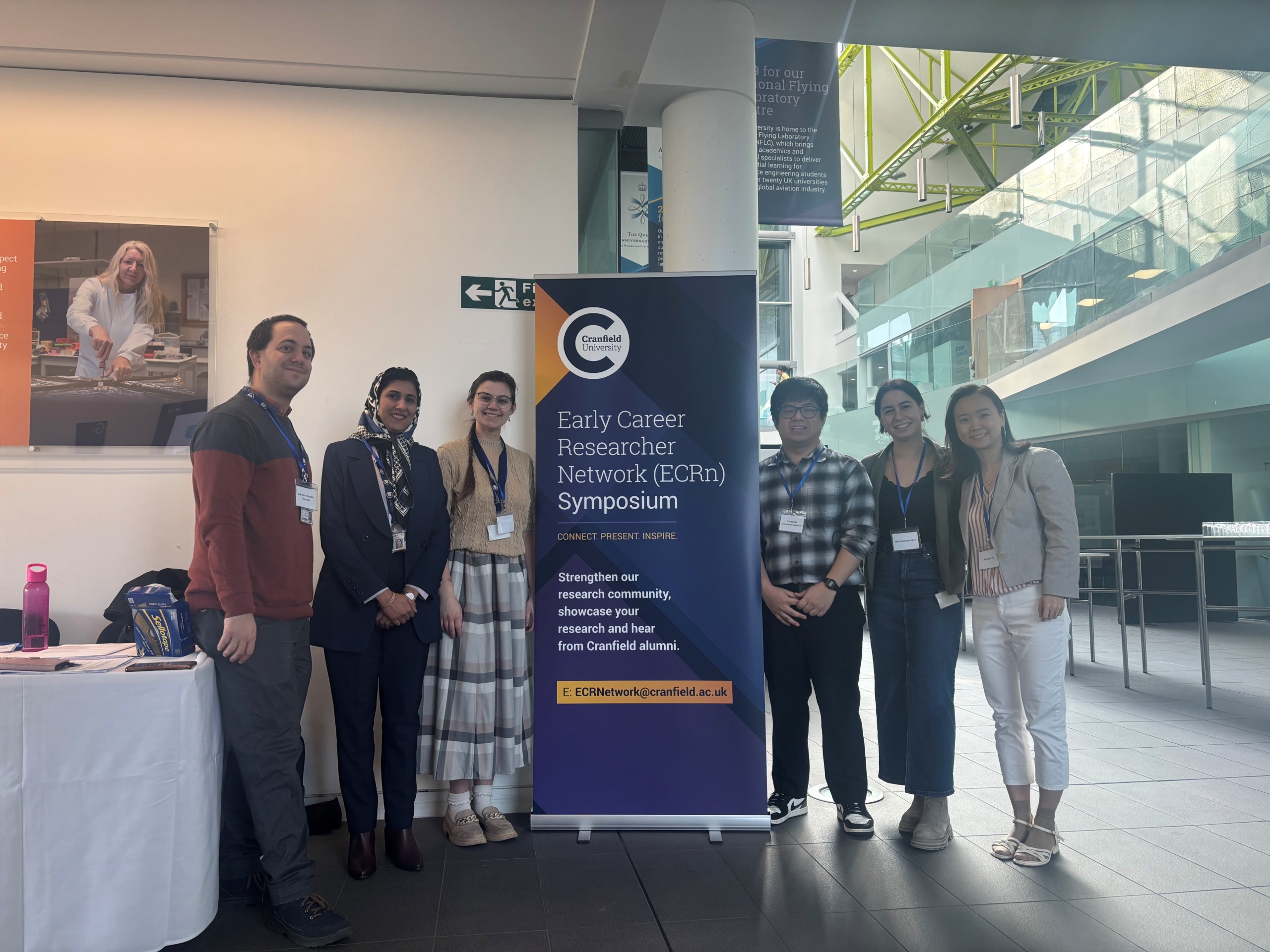
Building more than research: Reflections from the ECRn Symposium 2026
There’s something quietly powerful about a room full of early career researchers. Not just the ideas, although there were plenty of those—but the conversations, the curiosity, and the sense that everyone is figuring things ...

Library services over Easter, 3-6 April
Kings Norton Library will remain open for study 24/7. You will need your University ID card to enter the building and can use the self-service machines to borrow and return items as usual. Barrington Library ...

How do I access the full-text of Harvard Business Review (HBR)?
This is a frequently asked question, and it's worth knowing how to access this key management journal. So, how do you access HBR in full-text? The short answer is via our eJournals finder. You can find ...

Engineering problem to solve? Let Knovel help you find a solution
Did you know that Knovel provides you with more than just eBooks? Knovel is a key database for many engineering, mechanical and materials courses here at Cranfield University, and contains content from an extensive range ...
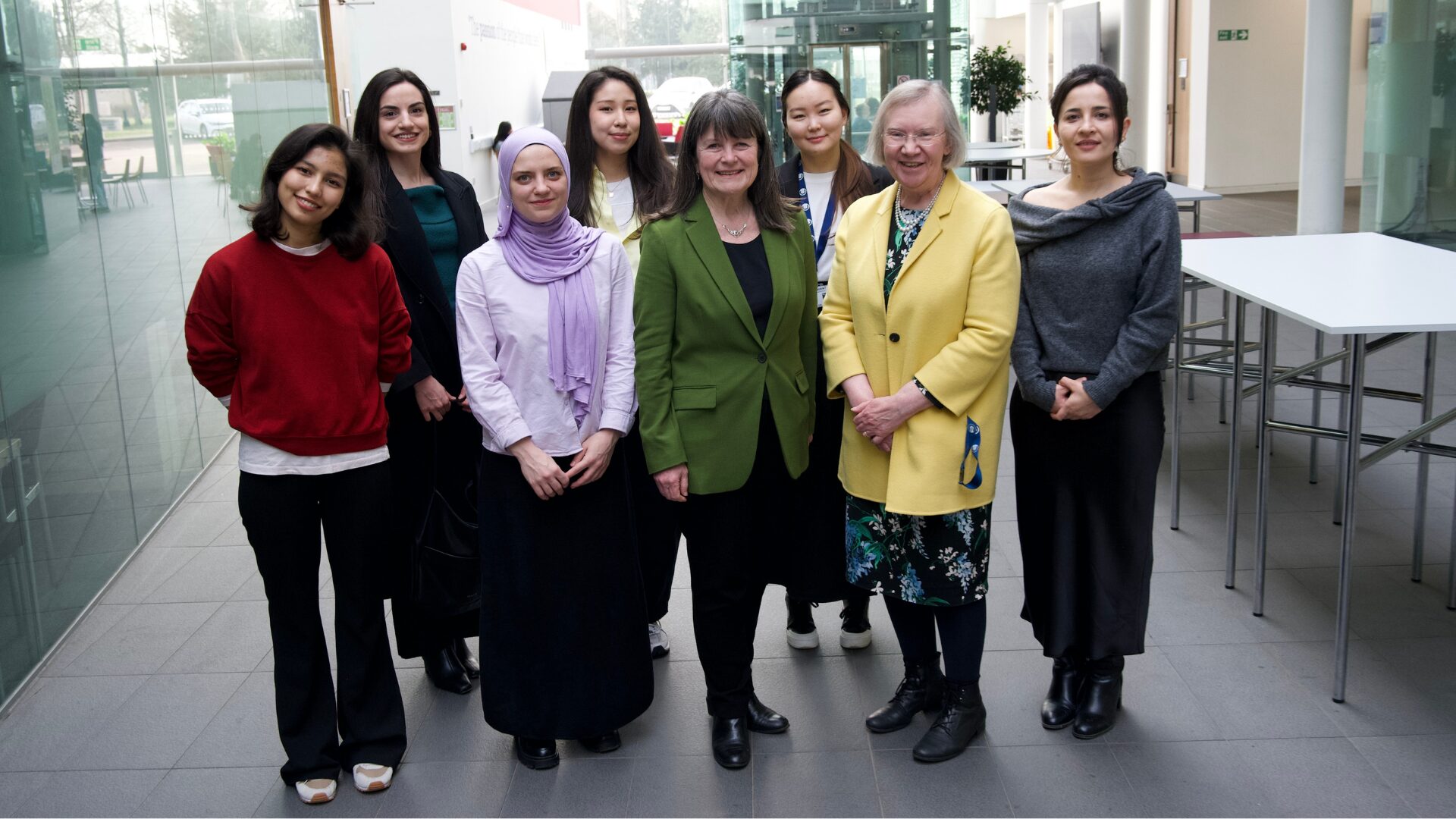
What happens when female scholars meet influential leaders?
On the 5 March 2026, our British Council Women in STEM Scholars had the privilege of sitting down with two excellent role models of industry and academia: Professor Dame Karen Holford, ...
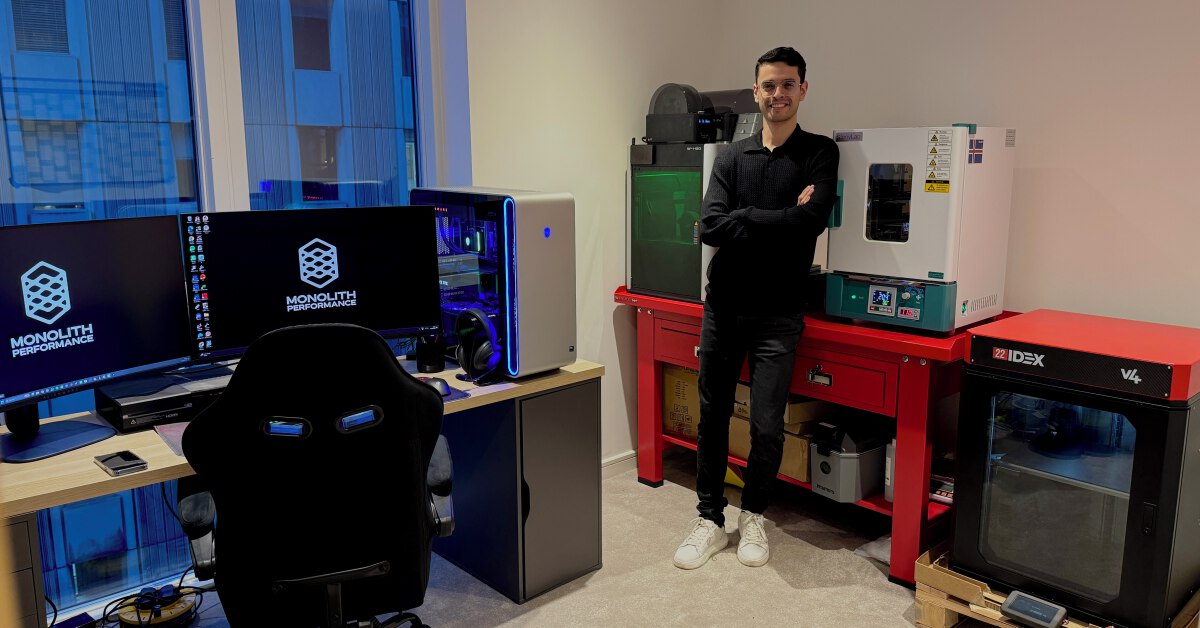
From MSc to CEO: Igniting a research revolution
For many, a master’s degree is achieving a big milestone. Kilyan Ocampo, Computational Fluid Dynamics alumni shares how studying at Cranfield helped launch his career in the energy sector. Today, Kilyan ...
Comments are closed.