


How do I reference a thesis… in the NLM style?
26/02/2026

You may be including theses within your research. When you do so you need to treat them in the same way as content taken from any other source, by providing both a citation and a reference. In this short blog post we will be showing you how to reference a thesis or dissertation.
What information do you need in the reference?
- Author – surname initials e.g. Thomas L.
- Title of thesis, including type of thesis in square brackets e.g. [PhD thesis].
- Location and name of the awarding institution
- Date of publication, and date cited in square brackets (if accessed online)
- Available from (either a URL or DOI, if accessed online and available)
Below are some examples for you to follow, which demonstrate how to form the reference from the above elements:
A printed thesis or dissertation
Peacock D. Effects of geometry on the compression set of elastomers [PhD thesis]. Cranfield: Cranfield University; 2002.
A ‘published’ thesis or dissertation from a database
DeVault E. Personality traits of military executives and the potential for leadership [DBA dissertation on the Internet]. Minneapolis (MN): Capella University; 2017. Available from: ProQuest Dissertations Publishing.
A dissertation or thesis from a research repository
Owusu EK. Radio study of protostars [MSc by research thesis on the Internet]. Leeds: University of Leeds; 2019 [cited 2023 Mar 3]. Available from: https://etheses.whiterose.ac.uk/24854/
For all your referencing questions – please contact Cranfield Libraries.
Please note: Cranfield supports two different referencing styles – APA7 (Author-date) and Numbered (NLM). Please make sure you use the style preferred by your supervisor or lecturer
Feature image from Pixabay. Available at: https://pixabay.com/photos/woman-laptop-desk-workspace-1851464/

Categories & Tags:
Leave a comment on this post:
You might also like…
Engineering problem to solve? Let Knovel help you find a solution
Did you know that Knovel provides you with more than just eBooks? Knovel is a key database for many engineering, mechanical and materials courses here at Cranfield University, and contains content from an extensive range ...
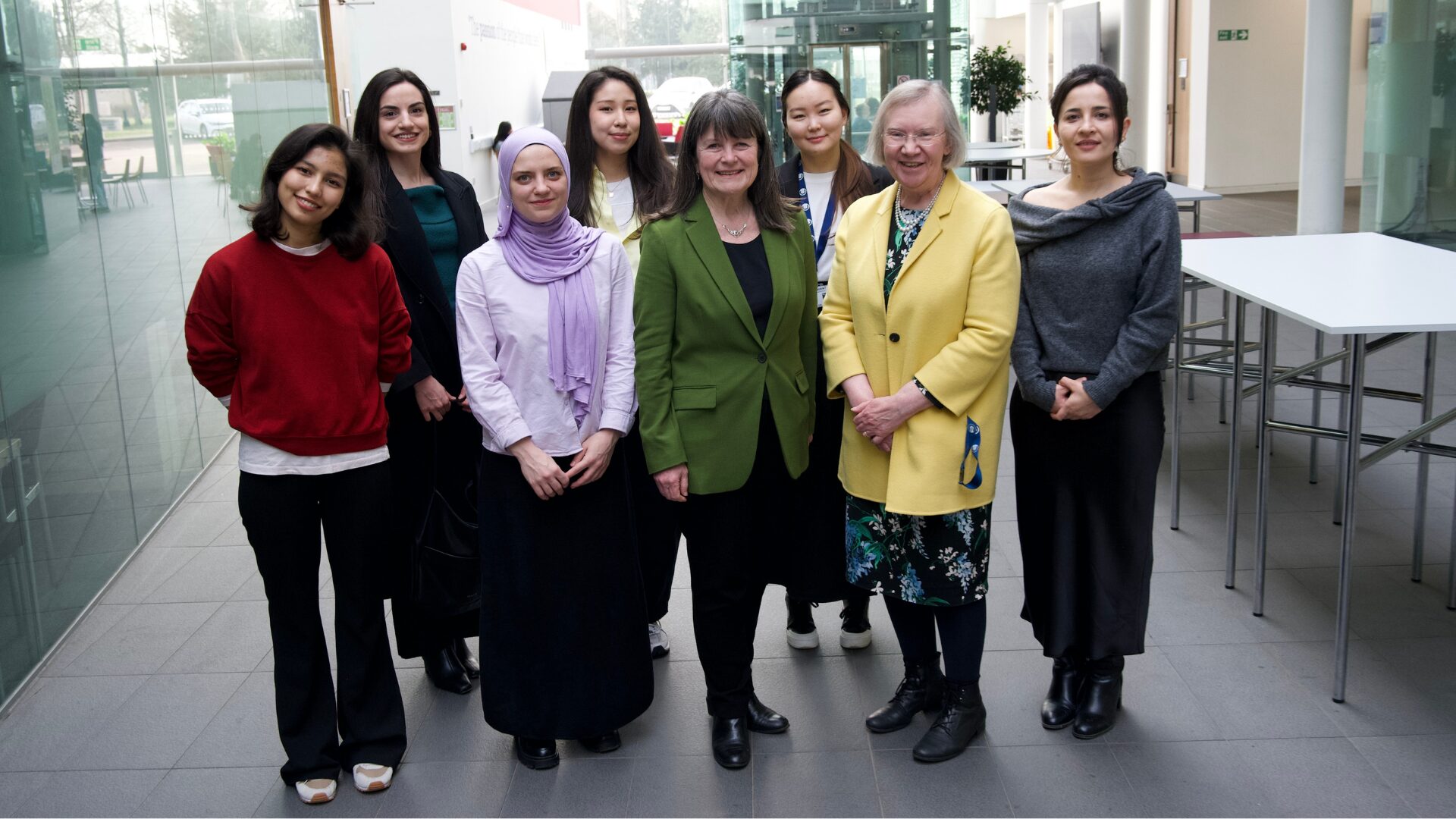
What happens when female scholars meet influential leaders?
On the 5 March 2026, our British Council Women in STEM Scholars had the privilege of sitting down with two excellent role models of industry and academia: Professor Dame Karen Holford, ...
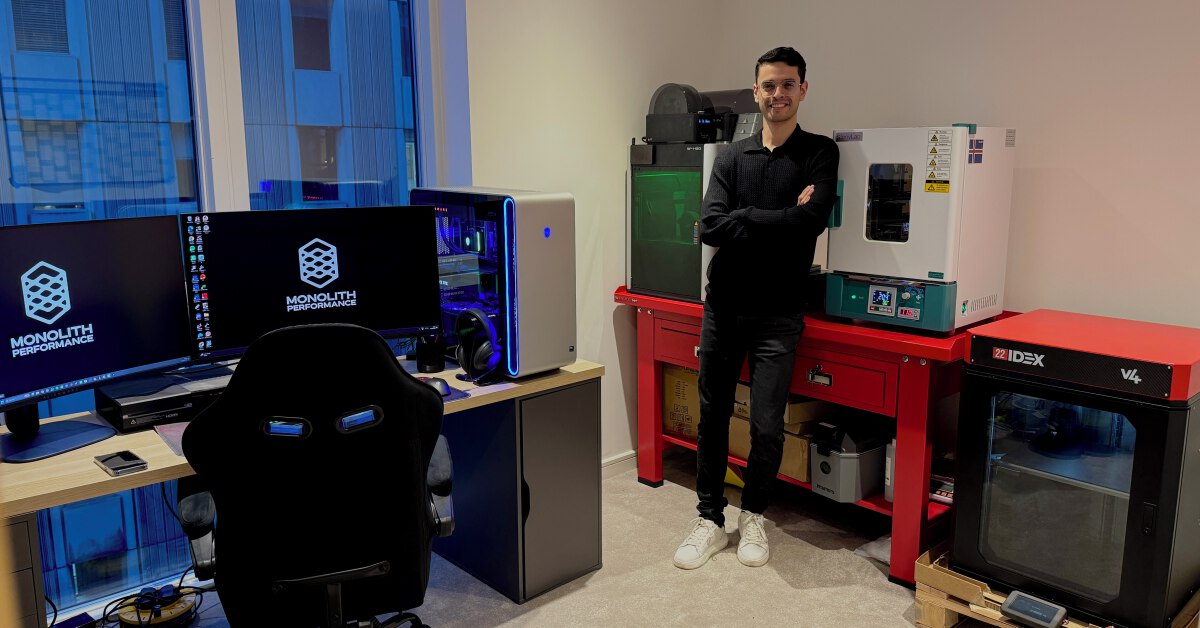
From MSc to CEO: Igniting a research revolution
For many, a master’s degree is achieving a big milestone. Kilyan Ocampo, Computational Fluid Dynamics alumni shares how studying at Cranfield helped launch his career in the energy sector. Today, Kilyan ...
Commuting, collaborating and growing: My first term experience at Cranfield
My first term at Cranfield University has been an extremely positive and rewarding experience. While the course has been intense at times, it has pushed me in the best possible way and allowed me ...
Sourcing country analysis – a guide to Library sources
For those researching a country, you will find that country information tends to take two forms: Analysis - country reports are descriptive reports covering most areas of interest on a country. They contain an analysis ...

The degree that launched my marketing career
Insights from Tayo George, Strategic Marketing MSc Alumni I chose the Strategic Marketing MSc at Cranfield because I wanted a programme that combined academic rigour with practical, commercial relevance. The emphasis on applied learning, ...
Comments are closed.