


How do I reference…when delivering a presentation?
19/01/2026

Just as you cite and reference sources in written work, you should also acknowledge the sources you use or quote in oral presentations. Citing your sources in presentations provides your audience with information about the supporting evidence in the sources you are using and brings a touch of professionalism to your delivery.
However, the methods used for referencing in presentations are slightly different to those used in written work.
There are two methods for citing and referencing in presentations:
1. In-text citations on the slides
Use small fonts, superscript, or numbers to maintain visual appearance of the presentation, then add:
a) A small font reference as a footnote on the same slide as the citation (see Fig. 1 and 2), OR
b) A list of all the references used on the last slide (see Fig. 3 and 4)
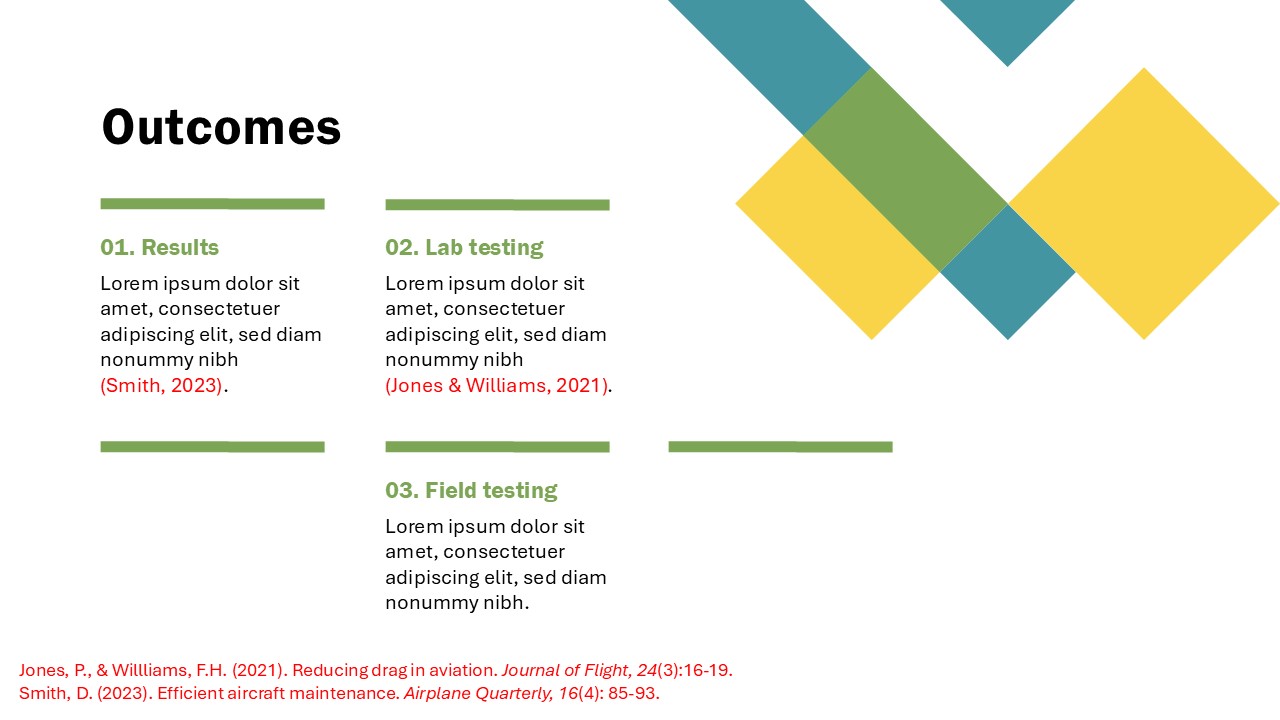
Fig 1. Example of in-text citations and footnotes on a presentation slide.
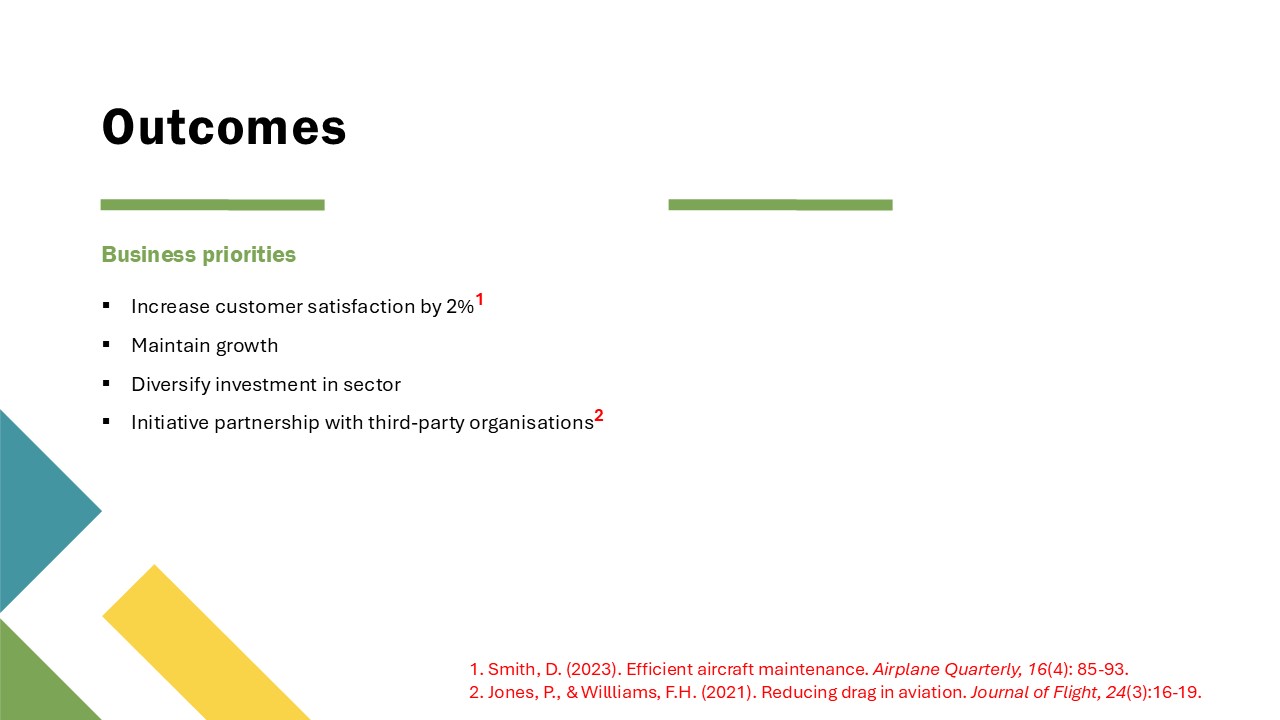
Fig 2. Example of using numbers and footnotes to indicate source.
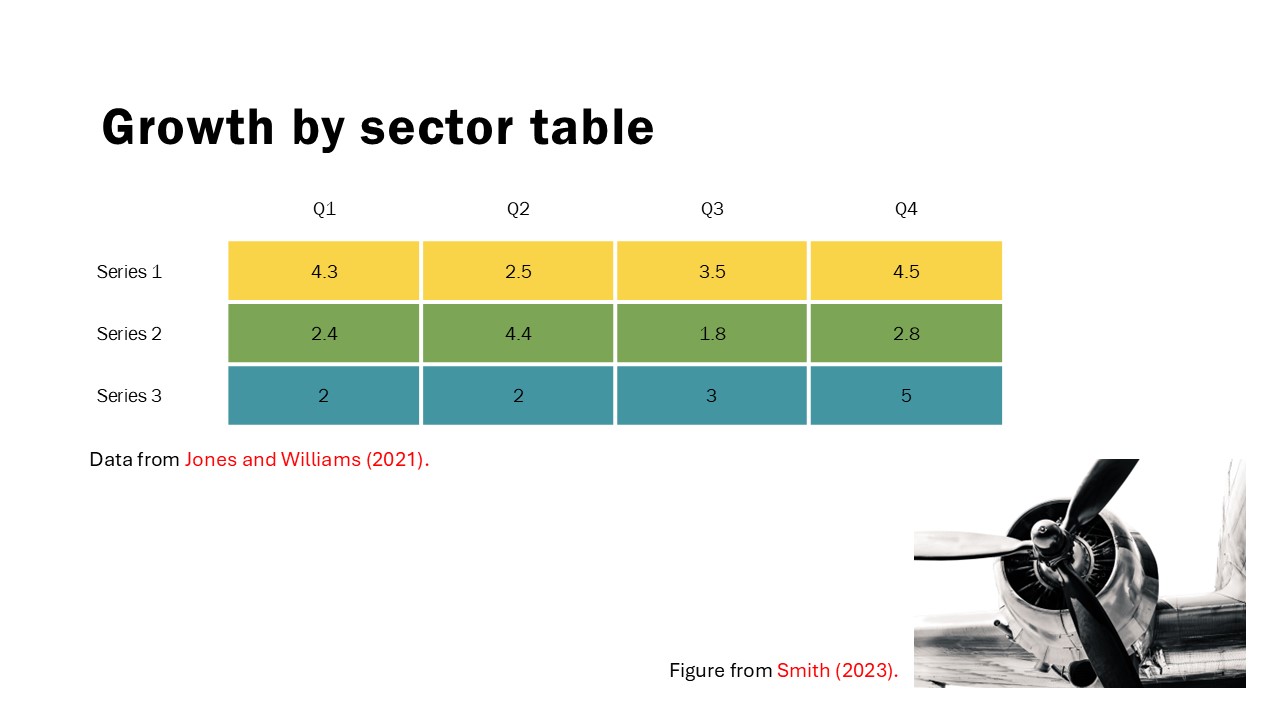
Fig 3. Example of simplified referencing using just in-text citations, this must be paired with a full reference list at the end (see Fig. 4).
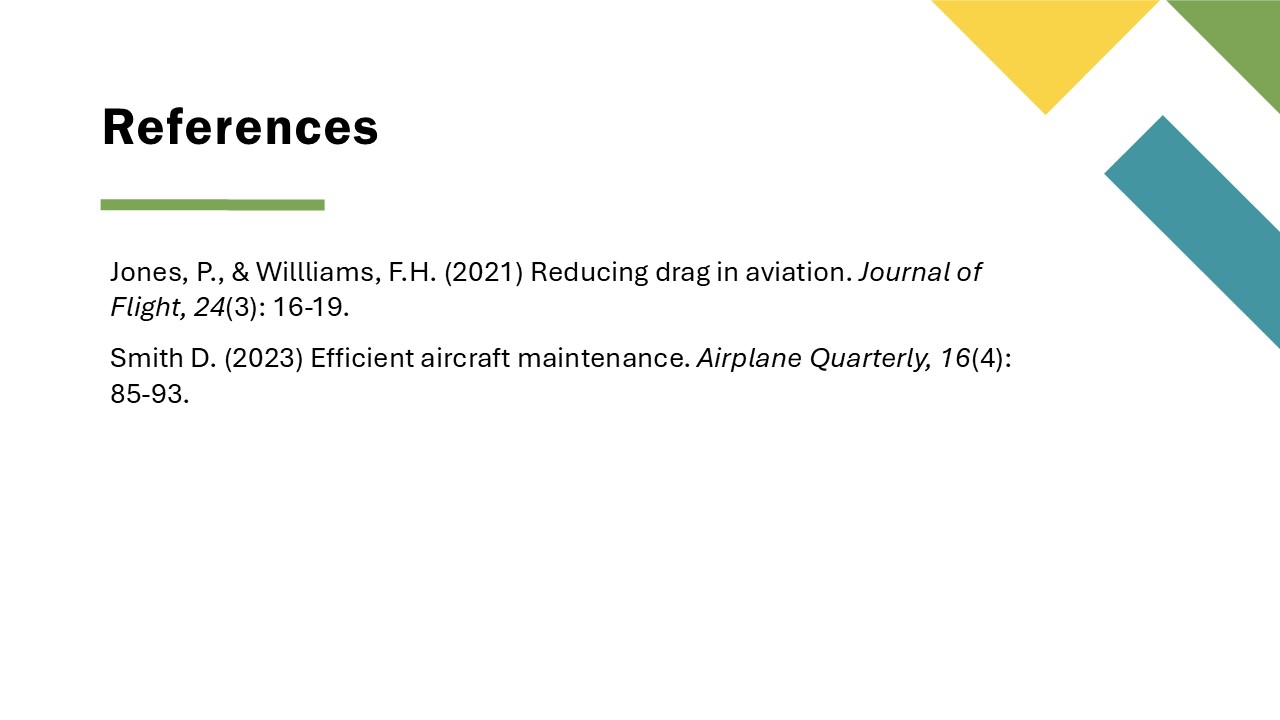
Fig 4. Full reference list on final slide of the presentation.
2. Verbal citations
Provide citations verbally to your audience in your speech and include full details written on the final slide (see Fig. 4 and 5). In your speech, provide if you can:
a) Date
b) Name of author
c) Publication
d) Credentials of author
e) Add a full reference list on the last slide
Remember, you need to provide enough information to your audience to make your claims credible.
- Don’t verbally state an author name without any credentials.
- If you provide a statistic, back it up with a source.
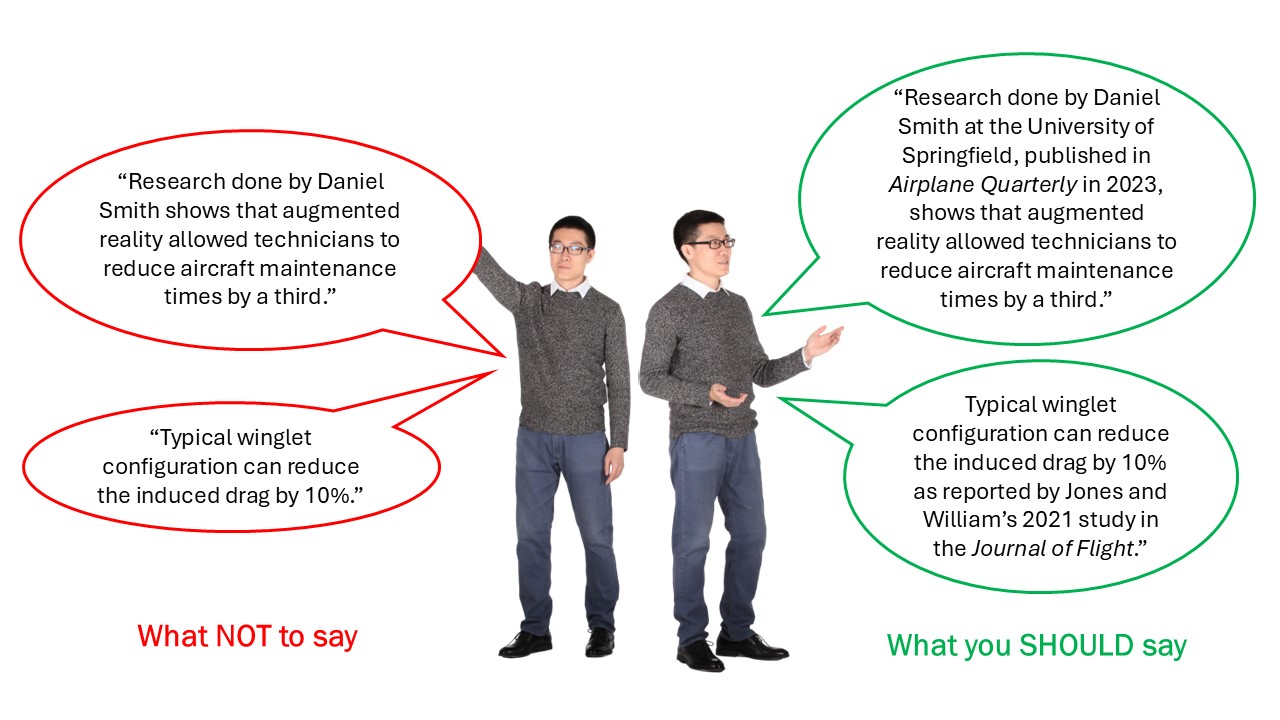
Fig 5. How to present verbal citations correctly. Adapted from Davison (2015).
Final points
You can choose to use the method you are most comfortable with or mix and match. The key thing to remember is to cite and reference your sources to avoid plagiarism and inform your audience.
Please note: Cranfield supports two different referencing styles – APA7 (Author-date) and Numbered (NLM). Please make sure you use the style preferred by your supervisor or lecturer.
References
Davison, J. (2015, April 24). Orally citing a source in a speech [Video]. YouTube. https://youtu.be/eP0bfnRlJVY?si=_AkvaGf8saW0D3gl

Categories & Tags:
Leave a comment on this post:
You might also like…
Library services over Easter, 3-6 April
Kings Norton Library will remain open for study 24/7. You will need your University ID card to enter the building and can use the self-service machines to borrow and return items as usual. Barrington Library ...

How do I access the full-text of Harvard Business Review (HBR)?
This is a frequently asked question, and it's worth knowing how to access this key management journal. So, how do you access HBR in full-text? The short answer is via our eJournals finder. You can find ...

Engineering problem to solve? Let Knovel help you find a solution
Did you know that Knovel provides you with more than just eBooks? Knovel is a key database for many engineering, mechanical and materials courses here at Cranfield University, and contains content from an extensive range ...

What happens when female scholars meet influential leaders?
On the 5 March 2026, our British Council Women in STEM Scholars had the privilege of sitting down with two excellent role models of industry and academia: Professor Dame Karen Holford, ...

From MSc to CEO: Igniting a research revolution
For many, a master’s degree is achieving a big milestone. Kilyan Ocampo, Computational Fluid Dynamics alumni shares how studying at Cranfield helped launch his career in the energy sector. Today, Kilyan ...
Commuting, collaborating and growing: My first term experience at Cranfield
My first term at Cranfield University has been an extremely positive and rewarding experience. While the course has been intense at times, it has pushed me in the best possible way and allowed me ...
Comments are closed.