

How to publish open access (for free!)
04/08/2025

Many funders and institutions, including Cranfield University, require their authors’ outputs to be made open access (OA). It is no secret that most publishers charge authors a fee, known as an article processing charge (APC), to make their work open access. This fee can cost many thousands of pounds.
To support our academics and students, Library Services has arranged deals with a wide range of publishers that enable Cranfield corresponding authors to publish their work as gold (immediate) open access in eligible journals at no cost to them.
‘There must be a catch?‘ I hear you ask… There is no catch, but it is very important to check the details when considering which journal to choose, as not all journals from a particular publisher may be covered by the deal. For example, some deals cover both hybrid and fully gold OA titles, whilst others only cover hybrid. (A hybrid journal is a publication that requires a subscription/payment to view the content, but allows authors to pay an APC to publish their article open access). Please refer to the Publisher Deals page on the Library website where details of publisher coverage is provided.
If you are not sure if the journal you are selecting is covered, please either check with your supervisor or contact your Research Support Librarian and we will check. We have had instances where authors have selected gold open access journals that are not covered by that particular publisher deal, and they have been invoiced for the APC.
If the journal of your choice is covered by a publisher deal, you must meet the following criteria for the payment of the APC to be approved:
- The publication must comply with the University’s Policy on Authorship of Research Outputs
- Articles must have a Cranfield corresponding author (CA) to be eligible.
- Authors must use their Cranfield University affiliation and their Cranfield email address.
The CA will need to select the deal option on submission, and choose a Creative Commons license. Cranfield strongly encourages all authors to assign a CC-BY licence, which is also a requirement for many funders, including UKRI.
There are other routes to publishing your work OA without paying an APC, as outlined on our ‘Open Access’ page.
Cranfield University, and many funders, require all their research outputs to include a data availability statement (DAS), even if no new data is created. There are several DAS templates on the Library website that you can copy and paste into your work.
If you have any questions, please email the Library Services’ Research Support team, who will be happy to help you.
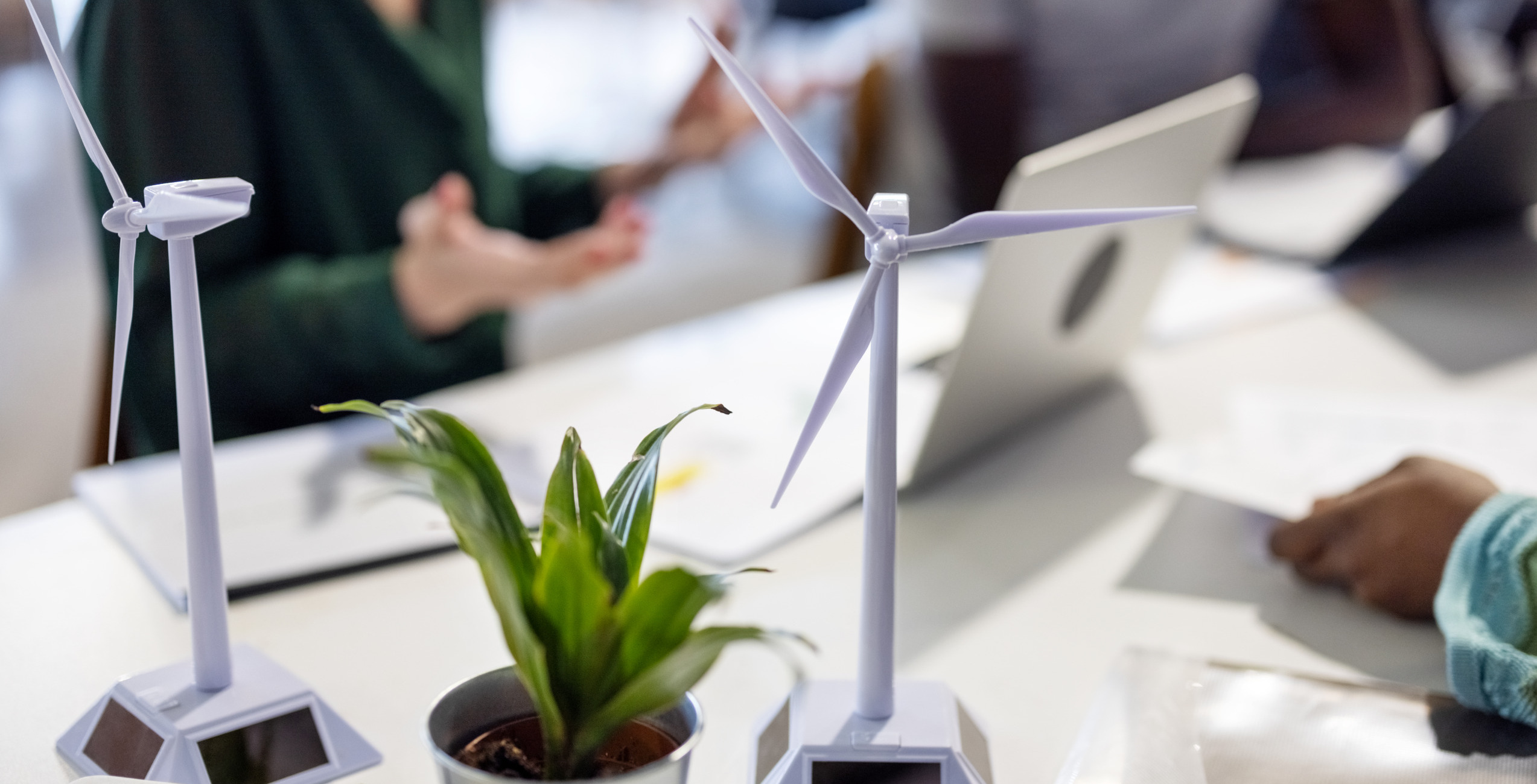
Image by Steve Bidmead from Pixabay

Categories & Tags:
Leave a comment on this post:
You might also like…

Moving to the UK to study? How to plan for banking, exchange rates and transfers
Currency and banking are two of the most practical parts of financial planning for international students. They are also often the most overlooked. We asked Dr Lakshmy Subramanian, Course Director for Cranfield University's Banking, ...

Cranfield: an environment where innovation thrives
The latest Knowledge Exchange Framework rankings from UK Research and Innovation (UKRI) gives an insight into the real and meaningful impact that UK universities have. The seven categories that make up KEF6 cover everything ...

How Cranfield accelerated my career in Logistics and Supply Chain Management
After graduating from the MSc in Logistics and Supply Chain Management at Cranfield University, I've been reflecting on the experiences that made my journey so valuable and the impact it has had on my ...

Mendeley: a powerful tool to organise and manage your references
Are you looking for a way to manage your references, create in-text citations and reference lists for your assignments or thesis? If so, you may wish to consider using Mendeley. What is it? Mendeley is ...

Keen to develop your study skills?
Alongside the technical skills and academic knowledge that you will gain on your course, as a Cranfield student you have the opportunity to develop a range of other skills that can enhance your learning experience. ...
The V-conomy: powering the sixth wave of global economic growth
The world could be on the verge of a major surge in economic growth and development, driven by the convergence of AI and clean energy technology. Waiting to ride the K-wave The Russian ...