


How to use an appendix in your assignments
01/05/2025
You may wish to include appendices in your assignment where appropriate, for example to include a survey, raw data or other relevant material which you refer to in your work. The following are some of the most commonly-asked questions the Library receives about appendices…
Formatting and labelling
Q: Where should appendices be placed in your assignment?
A: Appendices should come after the reference list. This section should be headed Appendices.
Q: How should the appendix label and title be formatted?
A: The Appendix label should be at the top of the page, left justified, followed by the Appendix title (e.g., Appendix A Ethical approval letter).
Q: What label should be used if there is only one appendix?
A: Use the label “Appendix.”
Q: How should multiple appendices be ordered and labelled?
A: Each appendix should appear in the order that it is referred to in your text. Give each appendix the label “Appendix” plus a capital letter, using alphabetical order e.g., “Appendix A,” “Appendix B”, etc. Each appendix should start on a new page.
Q: Can an appendix contain more than one table or figure and how should they be numbered?
A: Yes, an appendix can contain one or more tables or figures. Numbering follows the pattern Figure A-1, Figure A-2 where ‘A’ is the letter of the Appendix.
Q: Can appendices consist of text along with tables and/or figures and how should you call out those tables and figures within the appendix?
A: Yes, appendices can consist of text along with tables and/or figures. Ensure you call out these tables or figures within the text of the appendix so that readers know what to look for, in the same way as you would in the main text e.g. (see Table A-3).
Calling out (or referring to) appendices in the main body of your work
Q: How should you call out an appendix in the main body of your work?
A: If there is only one appendix, use the label Appendix. For multiple appendices, use the labels Appendix A, Appendix B, and so on. Each appendix should be called out at least once in your assignment e.g. (see Appendix A).
Q: How should you call out tables or figures in an appendix in the main body of your work?
A: If an appendix consists entirely of a single table or figure, use the appendix label (e.g., Appendix A) to call out the table or figure in your assignment. An appendix can contain more than one table or figure, in which case use the appendix label and table or figure’s specific number, separated by a comma. e.g. (see Appendix A, Table A-3)
Citing and referencing
Q: Do you need to cite and reference all primary and secondary research in appendices?
A: Yes, you must cite and reference all primary and secondary research, even if its availability is in the appendix of your document.
Q: How should material in appendices be referenced and cited?
A: Follow the usual guidance for the item you are including in your appendix (e.g., numerical or financial data, email communication, a personalised report, etc.). The APA7 (Author-Date) Referencing Guide or NLM (Numbered) Referencing Guide are the best places to check if you are unsure of the format.
Other information
Q: Will appendices be part of the word count?
A: In many cases they won’t, but you should check your assignment brief or speak to your supervisor to be sure.
Q: Where can you find more specific instructions for writing your thesis/IRP?
A: For more specific instructions, please see the Thesis template.
If you have any questions about using an appendix in your assignment, please contact us.
Feature image from Pixabay. Available at: https://pixabay.com/photos/financial-analytics-blur-business-2860753/

Categories & Tags:
Leave a comment on this post:
You might also like…

How do I access the full-text of Harvard Business Review (HBR)?
This is a frequently asked question, and it's worth knowing how to access this key management journal. So, how do you access HBR in full-text? The short answer is via our eJournals finder. You can find ...
Engineering problem to solve? Let Knovel help you find a solution
Did you know that Knovel provides you with more than just eBooks? Knovel is a key database for many engineering, mechanical and materials courses here at Cranfield University, and contains content from an extensive range ...
What happens when female scholars meet influential leaders?
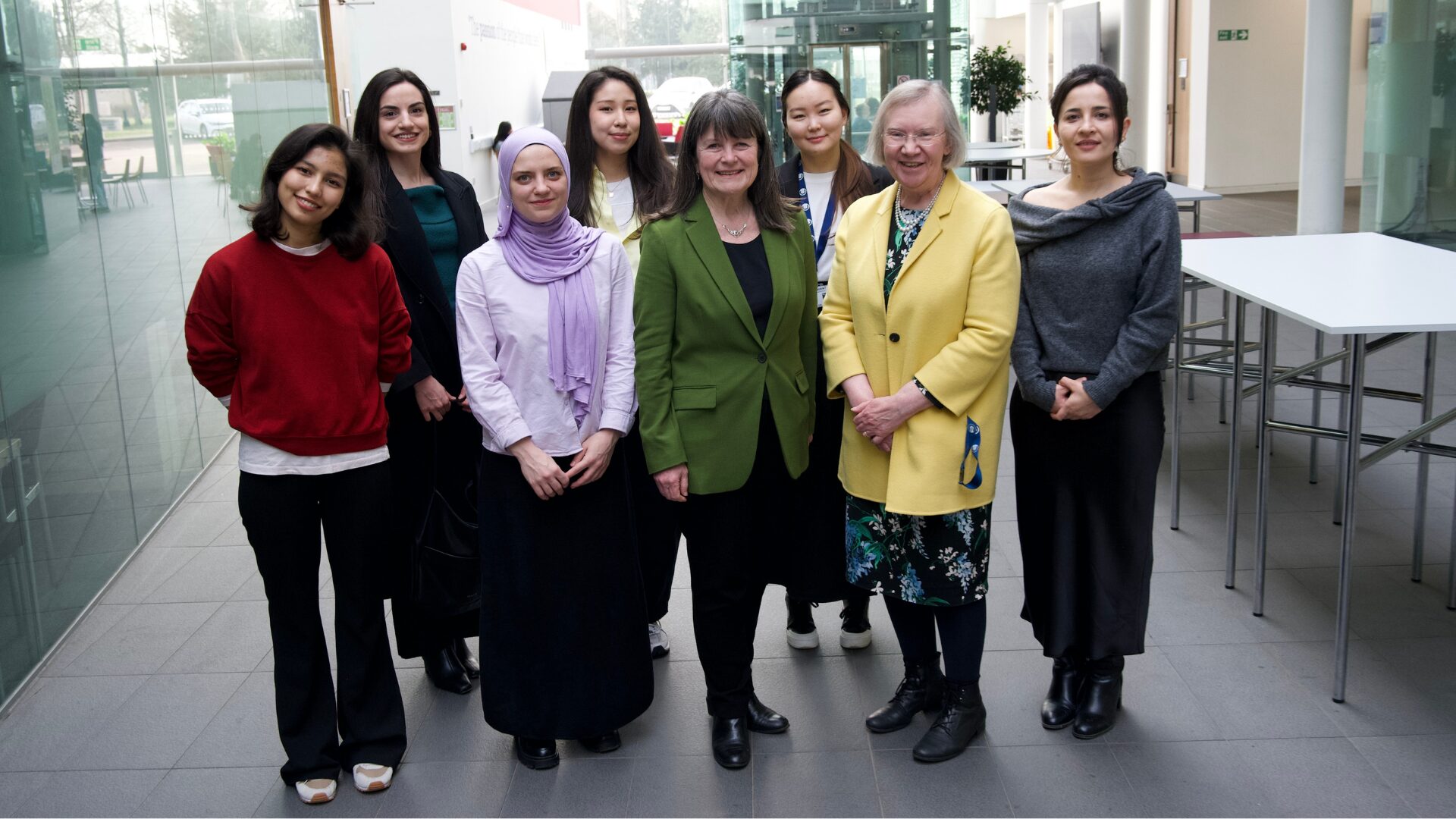
On the 5 March 2026, our British Council Women in STEM Scholars had the privilege of sitting down with two excellent role models of industry and academia: Professor Dame Karen Holford, ...
From MSc to CEO: Igniting a research revolution
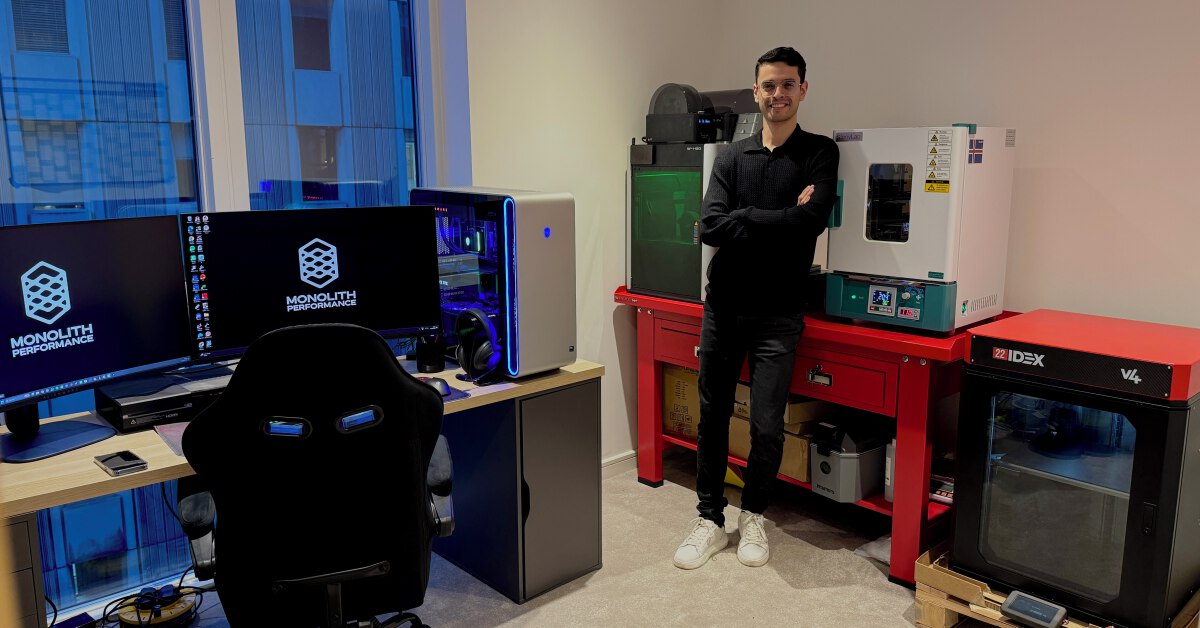
For many, a master’s degree is achieving a big milestone. Kilyan Ocampo, Computational Fluid Dynamics alumni shares how studying at Cranfield helped launch his career in the energy sector. Today, Kilyan ...
Commuting, collaborating and growing: My first term experience at Cranfield
My first term at Cranfield University has been an extremely positive and rewarding experience. While the course has been intense at times, it has pushed me in the best possible way and allowed me ...

Sourcing country analysis – a guide to Library sources
For those researching a country, you will find that country information tends to take two forms: Analysis - country reports are descriptive reports covering most areas of interest on a country. They contain an analysis ...
Comments are closed.