

Navigating Change from Private Sector to Humanitarian Supply Chain Management
03/06/2025
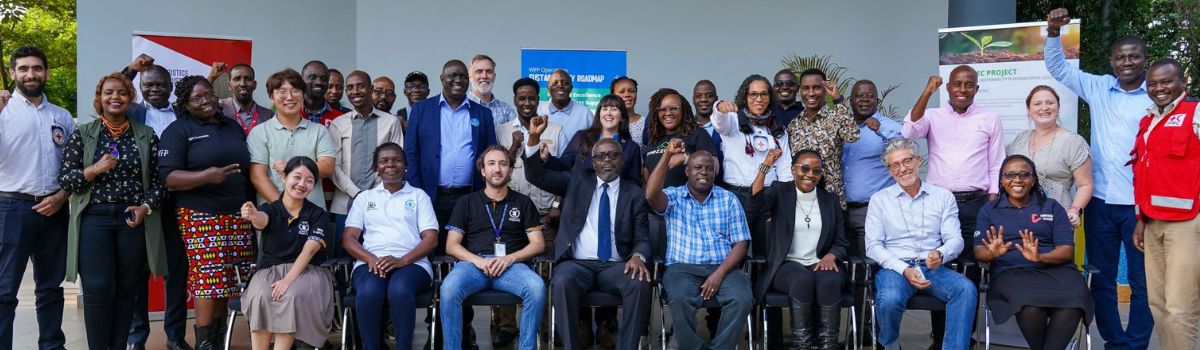
Seven questions with alumna Miori Naito, Supply Chain Officer in Kenya on her inspiring career shift from commercial to humanitarian supply chain operations, the challenges and rewards of her bold move from Tokyo to Nairobi and her dedication to sustainable supply chain management.
After five and a half years in Japan’s private sector, a master’s degree in humanitarian logistics and volunteering with World Food Programme’s (WFP) Headquarters, Miori joined the WFP team in Nairobi, Kenya, seven months ago as a Supply Chain Officer. In this role, she oversees WFP’s sustainable supply chain initiatives in Eastern Africa.
Miori shares insights about her career transition, the obstacles she overcame, the motivations and people who supported her journey to her dream job. Balancing work and studies in a new industry was challenging, but Miori’s enthusiasm and determination to develop her supply chain skills to help others by delivering essential goods kept her focused. Today, she is proud to use her skills and passion to serve communities in need, collaborating with colleagues throughout Eastern Africa.
Where are you from and where did you study?
I am Japanese and I graduated from the University of Tokyo in 2017. I worked in supply chain management at L’Oréal and McKinsey in Japan between 2017 and 2024. In parallel, I earned a Master’s degree in Logistics and Supply Chain Management from Cranfield University in 2021. Cranfield offers a specialised lecture in humanitarian logistics in collaboration with WFP, making it an excellent place to connect my supply chain experience with the humanitarian world – my career dream since high school. I had the opportunity to collaborate with WFP for my master’s thesis as a volunteer staff. My research focused on developing an agile warehousing framework during infectious disease outbreaks. The study aligned with WFP’s efforts to leverage its supply chain expertise and footprint, including its extensive warehousing network, to support humanitarian partners and governments responding to epidemics and pandemics such as, Ebola and COVID-19. This invaluable experience allowed me to study first-hand data from past humanitarian responses, using interviews and document research provided by WFP while supporting one of WFP’s projects in partnership with Takeda Pharmaceuticals.
Share two phrases that best describe your volunteering experience
Humanitarian Logistics: I learned the key differences between commercial and humanitarian logistics. These include varying priorities and constraints, such as the exceptional agility required during the immediate emergency response phase, differences in funding schemes and the infrastructure available.
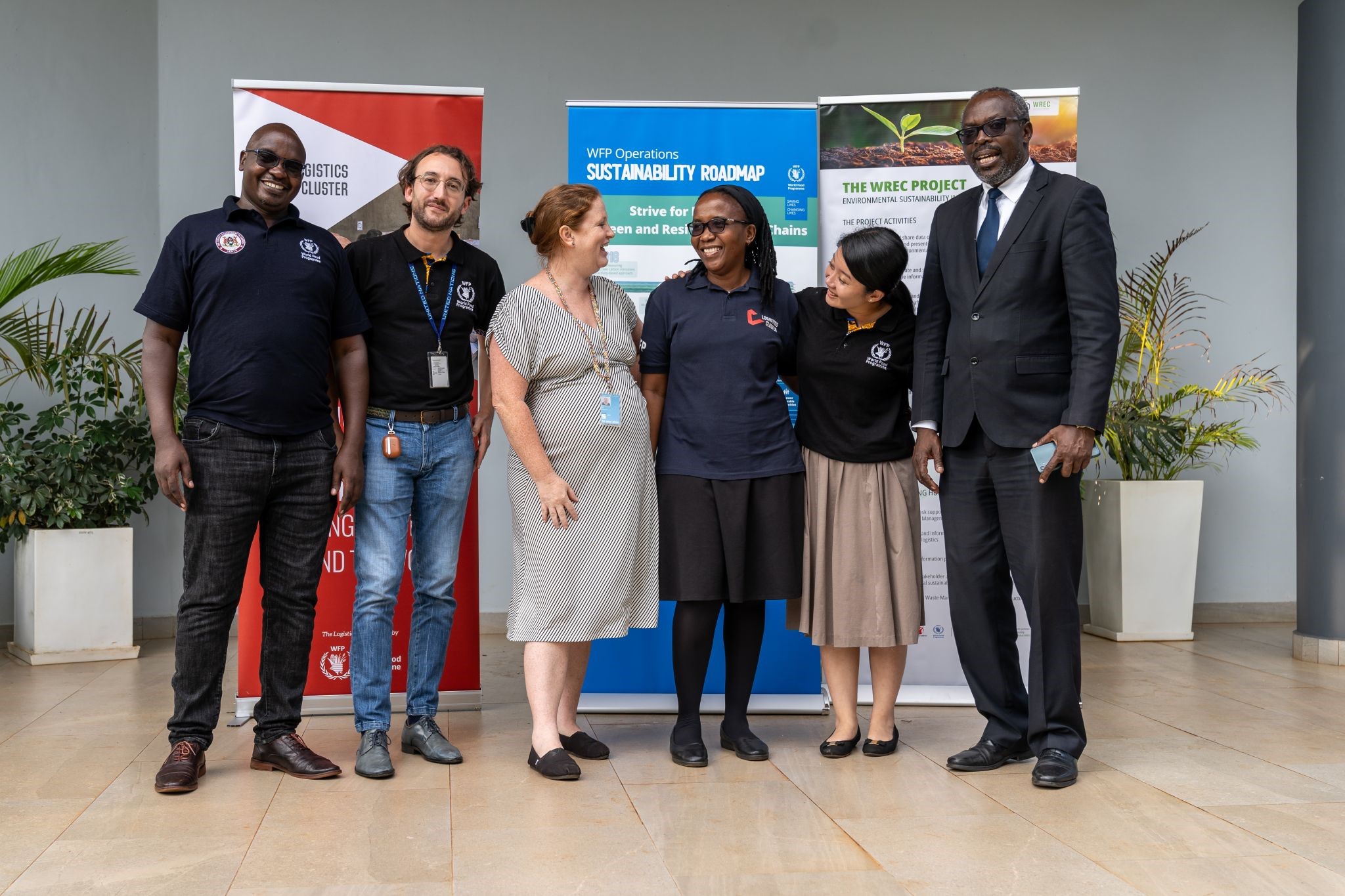
Understanding the competencies required to work for this organization and refine my skills, leading to a successful application for this role. My current responsibilities include developing a regional strategy and roadmap and creating an accounting methodology for carbon emissions and other environmental, economic, and social impacts of WFP’s sustainable supply chain initiatives while supporting their implementation in various countries. Our efforts include optimising operations through efficient logistics networks and processes, enhancing local and regional procurement practices and promoting energy transformation such as electric vehicles and solar panels. We are also adapting new technologies and processes, including reverse logistics and sustainable packaging.
What do you find most interesting and motivating in your current role?
During my master’s course, I understood that the mission of supply chain management is constantly evolving. The focus is no longer limited to achieving cost efficiency and agility but has also expanded to include sustainability. Tackling this new mission is challenging yet fulfilling as a supply chain professional. In Eastern Africa, the impact of climate challenges is profound. As a major supply chain operator in the region, WFP urgently needs to elevate its efforts towards sustainable operations to mitigate and adapt to those climate challenges, deliver enduring benefits to local communities, enhance operational continuity and build stakeholder trust. I am eager to contribute to advancing WFP’s sustainability efforts to ensure lasting positive impacts for the communities we serve.
What were you main challenges to reach your dream job?
Staying motivated in the long run to keep upgrading my skills and to stay updated on the humanitarian sector trends, especially coming from a different industry, was not always easy. By understanding the source of my passion and interacting with people who shared similar interests, I managed to stay driven while balancing work and my studies.
What do you hope for the future?
I hope to continue growing as a humanitarian supply chain professional dedicated to delivering essential supplies to those in need. I firmly believe that strong and sustainable supply chains can save and change people’s lives during both normal and challenging times.
What is your advice to students interested in the humanitarian sector?
Find what you enjoy and what you’re good at, and develop your expertise in that area. This will help you create a strong foundation, even while changing career paths. In my case, I believe that my passion for supply chain management opened the way to WFP.



Categories & Tags:
Leave a comment on this post:
You might also like…
Library services over Easter, 3-6 April
Kings Norton Library will remain open for study 24/7. You will need your University ID card to enter the building and can use the self-service machines to borrow and return items as usual. Barrington Library ...

How do I access the full-text of Harvard Business Review (HBR)?
This is a frequently asked question, and it's worth knowing how to access this key management journal. So, how do you access HBR in full-text? The short answer is via our eJournals finder. You can find ...

Engineering problem to solve? Let Knovel help you find a solution
Did you know that Knovel provides you with more than just eBooks? Knovel is a key database for many engineering, mechanical and materials courses here at Cranfield University, and contains content from an extensive range ...
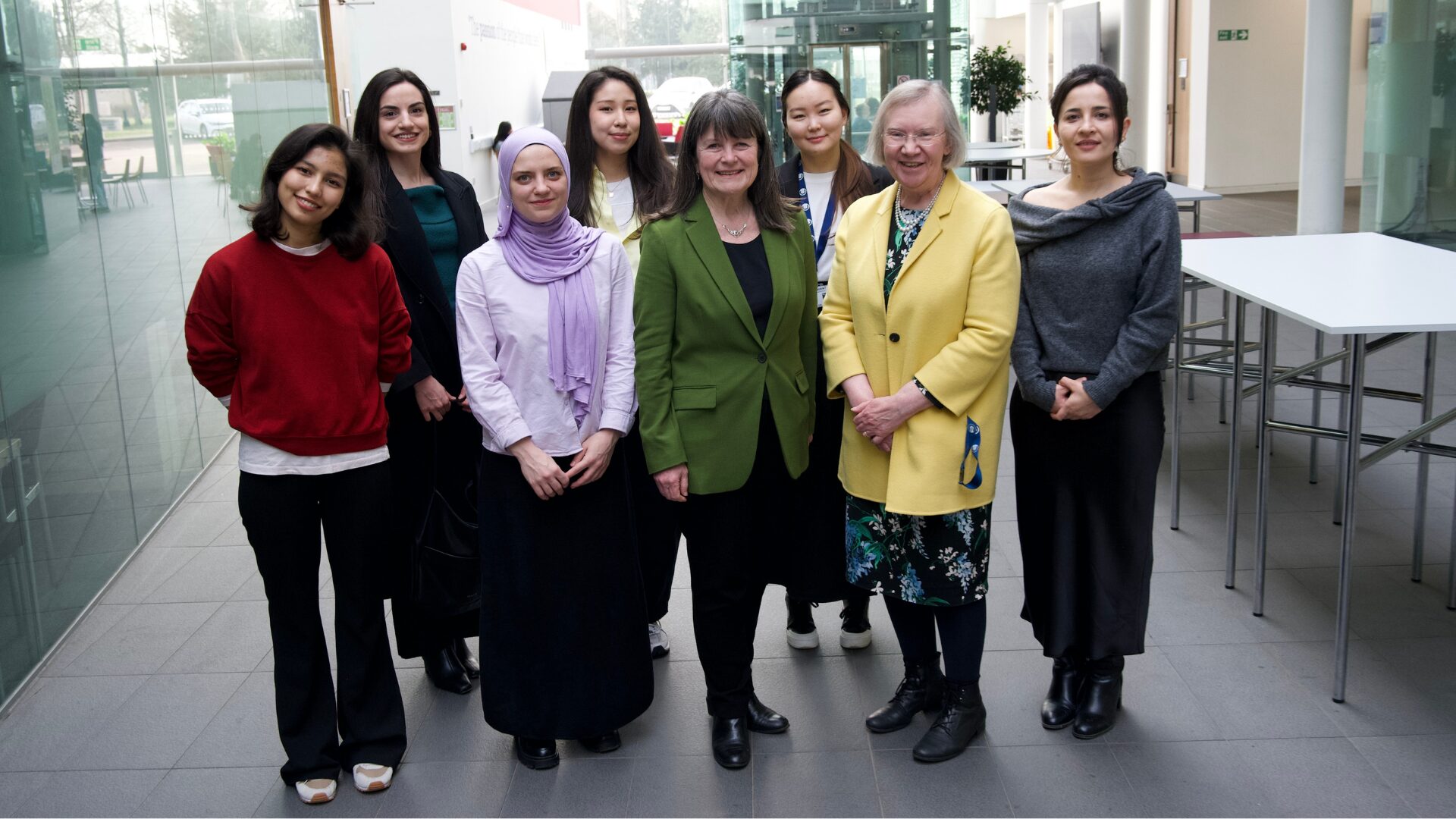
What happens when female scholars meet influential leaders?
On the 5 March 2026, our British Council Women in STEM Scholars had the privilege of sitting down with two excellent role models of industry and academia: Professor Dame Karen Holford, ...
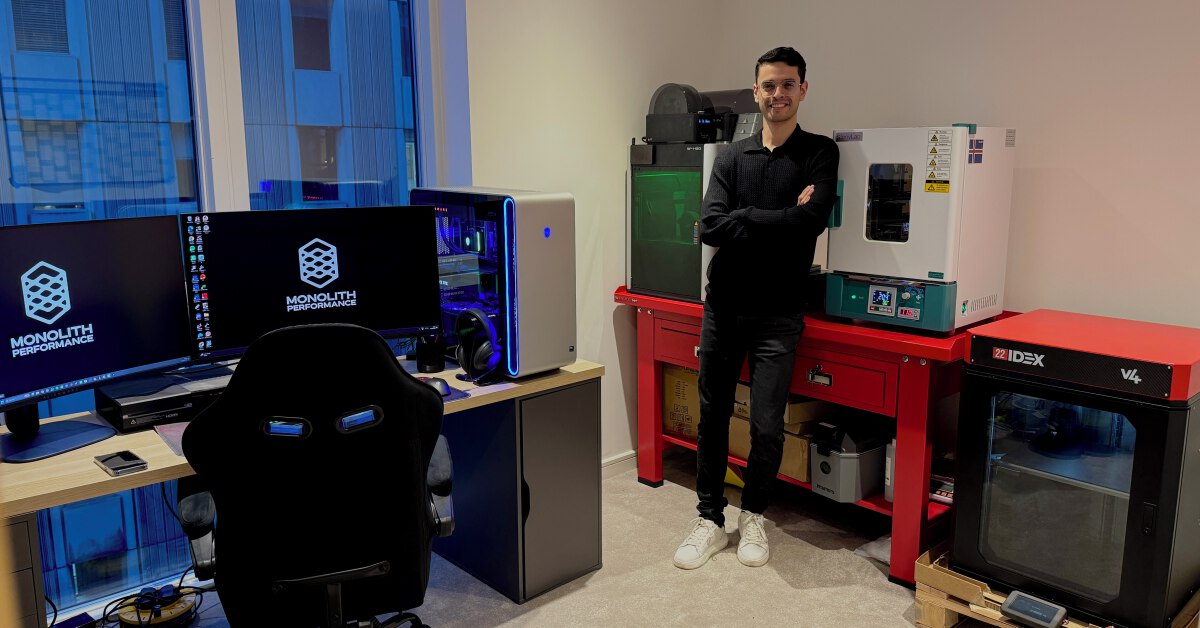
From MSc to CEO: Igniting a research revolution
For many, a master’s degree is achieving a big milestone. Kilyan Ocampo, Computational Fluid Dynamics alumni shares how studying at Cranfield helped launch his career in the energy sector. Today, Kilyan ...
Commuting, collaborating and growing: My first term experience at Cranfield
My first term at Cranfield University has been an extremely positive and rewarding experience. While the course has been intense at times, it has pushed me in the best possible way and allowed me ...
Comments are closed.