

My Cranfield Experience: Investment Management MSc Student
07/12/2021
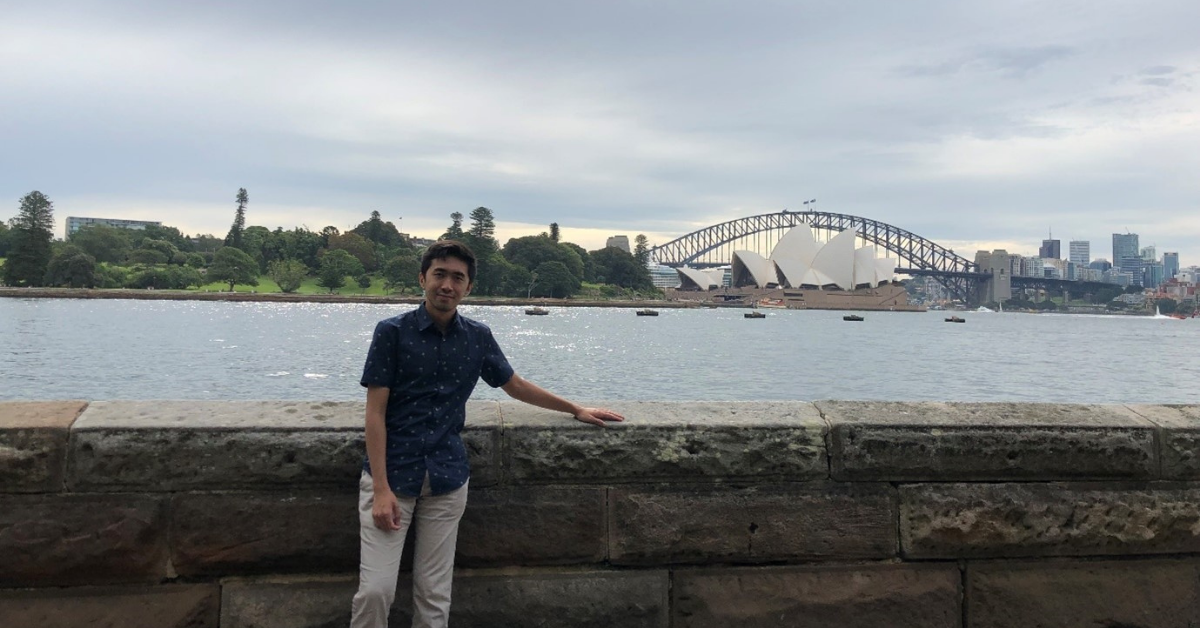
Living in an internationalised world with demands for high-quality professionals, education has been a key driver for passionate individuals to sharpen their skills and networks to benefit themselves and society. My name is Christoforus Andriawan, and I am an Indonesian student and course representative of Investment Management MSc at Cranfield School of Management.
My Cranfield journey began when I was looking to add to my experience and skills that I can utilise to leverage my career in finance. Coming from a non-finance background, I had 3 years of expertise in business analytics in Australia and took business as my undergraduate major. When considering where to study my postgraduate degree, what impressed me about Cranfield is the positive feedback from alumni cross-continent and their motivational stories about their experiences as students at Cranfield School of Management, particularly in finance courses. I had an opportunity to speak with an inspirational alumnus who resides in Sydney, Australia, and we had a chat during my office lunch break. What I can say is that the alumnus inspired me to select Cranfield as the place that can leverage my educational and career potential in the finance industry.
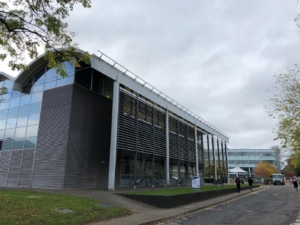
I joined Cranfield during the Covid-19 pandemic, and as I come from a red list country, I had to undertake two weeks of hotel quarantine before I could start my life at Cranfield. Quarantine was alright for me, and I was lucky to be placed in a decent accommodation with a window looking directly to the airport, so I was not bored at all. Once this was complete, I moved to campus, residing at Fedden House, a campus-managed accommodation for students who bring their partners. Living on campus has great benefits for me; however, it is also a trade-off between living urban life at places like Milton Keynes and Bedford, or living in a study-focused environment on campus. The first week passed and I began to cover materials for the classes. The Investment Management MSc programme at Cranfield is generally delivered in person, although some special circumstances allow us to have online classes. There are many clubs and societies at Cranfield which I joined, such as Cranfield Finance Society and Cranfield Consulting Club. I am also meeting many students from international backgrounds, and I am honoured to call some of them my friends.
As I said previously, studying Investment Management MSc has broadened my perspective about the financial industry and specialised my skills to be impactful in the industry that I am really into. Not having a financial background does not stop you from enriching yourself with knowledge at master’s level. Cranfield provides face to face learning opportunities with the highest standards. Managing time is important as a student and learning with the right mindset will be helpful toward study. Enjoy the study experience while you can and best of luck.
Read Christoforus's Top Time Management Tips for Masters Students
Managing time as a master's student
Many of you ask how one can manage time as an Investment Management MSc student and still be able to contribute to societies and personal commitments. The key is that I always plan my schedule ahead, writing it on a smartphone calendar. To simplify, let me give you some tips and tricks.
Firstly, pay attention to the guidelines and syllabus that each module and course descriptor provide regarding how many hours an average student is required to work on a particular topic if they want to perform well in their respected subjects. This is very crucial, and I can guarantee that the biggest mistake is that some of us do not take this seriously. Most of the modules agree on having at least 80 hours of self-study to cover all the materials needed.
Secondly, always preview your material ahead of the game and do all exercises given by the lecturers so you are familiar with the subjects. Practice makes perfect. Do not give up on reading and take some time to absorb the knowledge from relevant materials. Do not only study from slides but also take time to read books. Lastly, ask questions if you are not familiar with terms and formulas. Students and lecturers are more than willing to assist if you at least put effort first and ask them if you really cannot find the solutions. Believe in the process and enjoy the study and I can assure you all will be alright in the end!
Interested in learning more about our Investment Management MSc? Click here to find out more.

Categories & Tags:
Leave a comment on this post:
You might also like…

Library services over Easter, 3-6 April
Kings Norton Library will remain open for study 24/7. You will need your University ID card to enter the building and can use the self-service machines to borrow and return items as usual. Barrington Library ...

How do I access the full-text of Harvard Business Review (HBR)?
This is a frequently asked question, and it's worth knowing how to access this key management journal. So, how do you access HBR in full-text? The short answer is via our eJournals finder. You can find ...

Engineering problem to solve? Let Knovel help you find a solution
Did you know that Knovel provides you with more than just eBooks? Knovel is a key database for many engineering, mechanical and materials courses here at Cranfield University, and contains content from an extensive range ...
What happens when female scholars meet influential leaders?
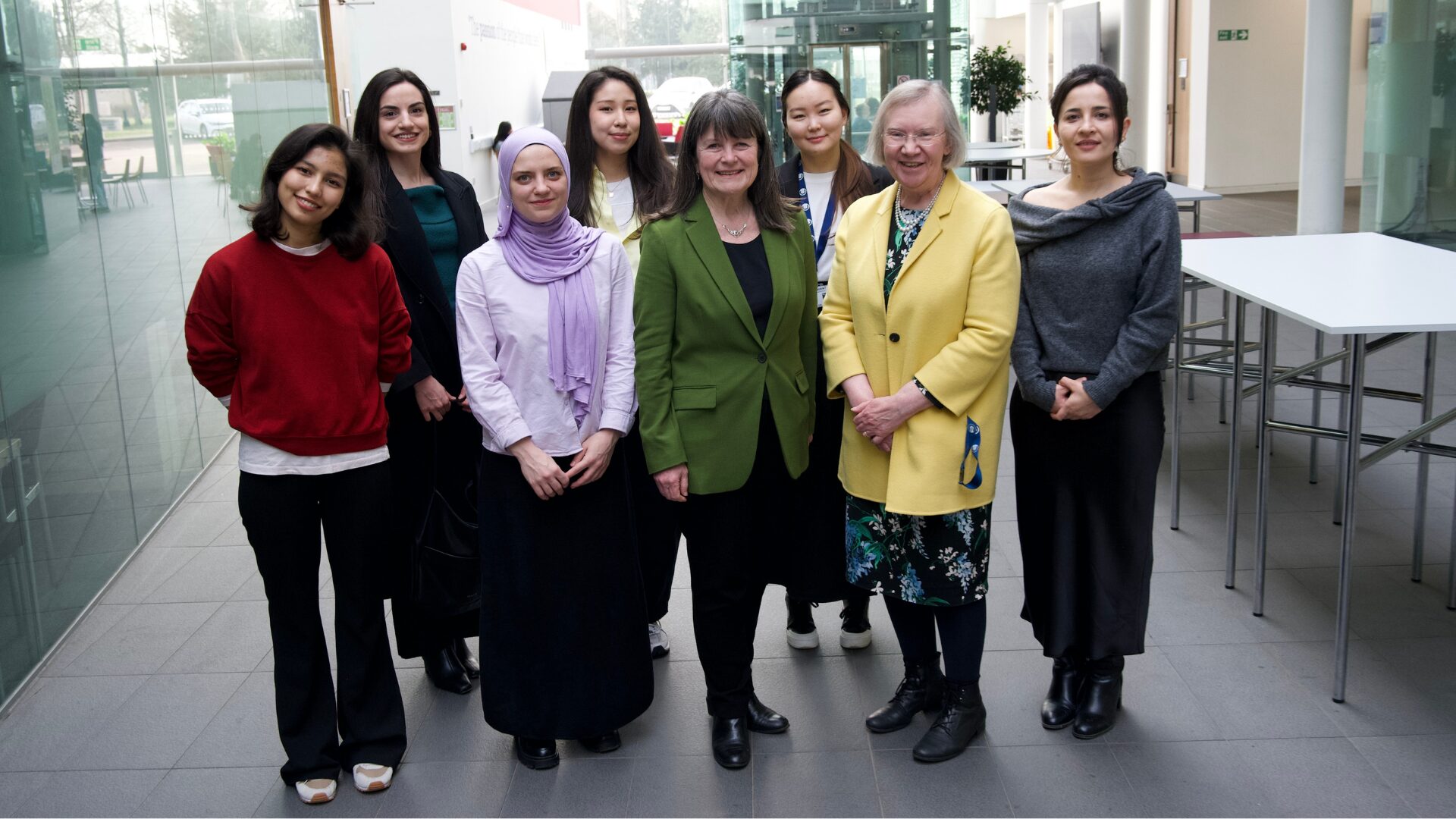
On the 5 March 2026, our British Council Women in STEM Scholars had the privilege of sitting down with two excellent role models of industry and academia: Professor Dame Karen Holford, ...
From MSc to CEO: Igniting a research revolution
For many, a master’s degree is achieving a big milestone. Kilyan Ocampo, Computational Fluid Dynamics alumni shares how studying at Cranfield helped launch his career in the energy sector. Today, Kilyan ...

Commuting, collaborating and growing: My first term experience at Cranfield
My first term at Cranfield University has been an extremely positive and rewarding experience. While the course has been intense at times, it has pushed me in the best possible way and allowed me ...