

A book to save the planet
14/03/2022
When you hear ‘a book to save the planet’, what comes to mind? A magic text from an epic fantasy movie or part of the twist in a sci-fi action film plot? If either or both, that would not be unreasonable because that is the stuff they are quite made of.
But this is a real book were talking about: The Sustainable Business Handbook: A guide to becoming more innovative, resilient and successful, written by Cranfield’s Emeritus Professor of Corporate Responsibility, David Grayson CBE along with sustainability experts Chris Coulter and Mark Lee. Oh, and yes, it is our planet, about which the IPCC earlier this month revealed that close to 40% of its population are now highly vulnerable to climate change.
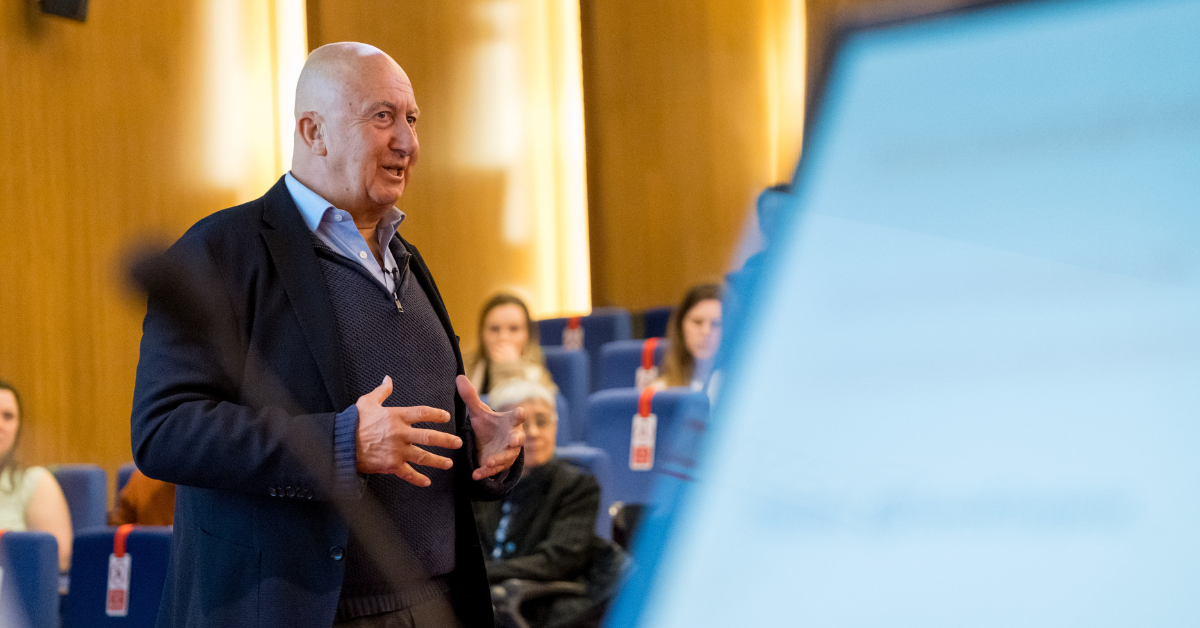
At the f2f launch of this book which also marked the inaugural meeting for students of Cranfield’s new part-time MSc in Sustainability and themed: Sustainable Business: Building a global movement, Prof. Grayson remarked that its 13 chapters- under different topics such as Strategy, Business Case, Reporting – each describe a step-by-step process of how businesses can become sustainable and gives two examples of companies on their sustainability journey, one from Green giants (global sustainable brands) and the other from lesser recognised organisations, either starting out on their sustainability journey or already on it. Having purchased the book and had a cursory look at its pages, I confirm that its layout is practical and loaded. Little wonder that a Senior Executive of the world’s largest food company, Nestlé, describes the book as a “much-needed tool” to guide companies in building a more sustainable yet profitable future.
At that launch event which was held on March 2, 2022, Prof. Grayson did caution that as sustainability drivers and future leaders, students of sustainability will face lots of challenges in a rapidly changing and globalised world, but he also highlighted that these challenges would present the students with new business opportunities and entrepreneurial ideas which they must eagerly seek out and explore.
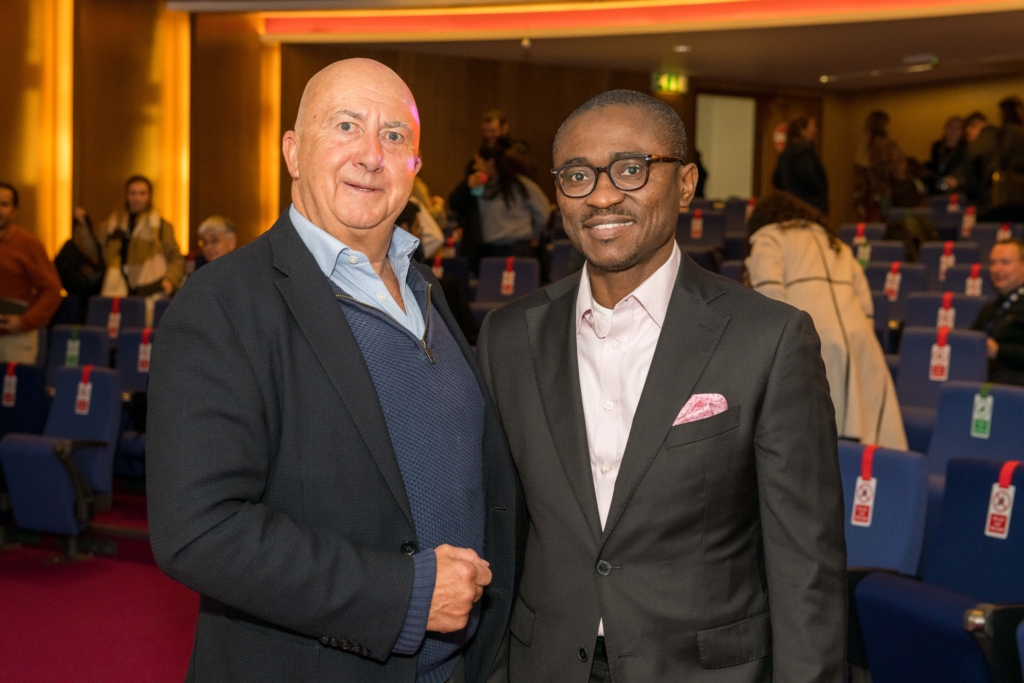
Two days later, I had the opportunity to sit with Prof. Grayson for an interview. Topics covered included, why this book (after co-authoring another successful book on sustainability and business leadership just 4 years ago), this time. I discovered it was partly as a result of several inquiries from people as well as some of the biggest companies, seeking something “intensely practical”, that would take businesses and employees through the essential steps for becoming sustainable. As the short interview progressed, I began to see the hard work by, and goodwill of, the authors that came to bear as they gathered data, information and real sustainable business experiences from companies around the globe.
Finally, Prof Grayson, the “incorrigible optimist” (his words not mine) said his charge to the sustainability students at Cranfield School of Management, is for them to become powerful advocates for sustainability inside organisations and to go much better and much faster as “stewards of the future”; and I am very sure the erudite Professor would not object if this mandate is extended to every and anyone who, by reading this book and more, commits to saving the planet.
You can watch the full recording of Professor Grayson’s session ‘Sustainable Business: Building a global movement!’ here.


Categories & Tags:
Leave a comment on this post:
You might also like…
Library services over Easter, 3-6 April
Kings Norton Library will remain open for study 24/7. You will need your University ID card to enter the building and can use the self-service machines to borrow and return items as usual. Barrington Library ...

How do I access the full-text of Harvard Business Review (HBR)?
This is a frequently asked question, and it's worth knowing how to access this key management journal. So, how do you access HBR in full-text? The short answer is via our eJournals finder. You can find ...

Engineering problem to solve? Let Knovel help you find a solution
Did you know that Knovel provides you with more than just eBooks? Knovel is a key database for many engineering, mechanical and materials courses here at Cranfield University, and contains content from an extensive range ...
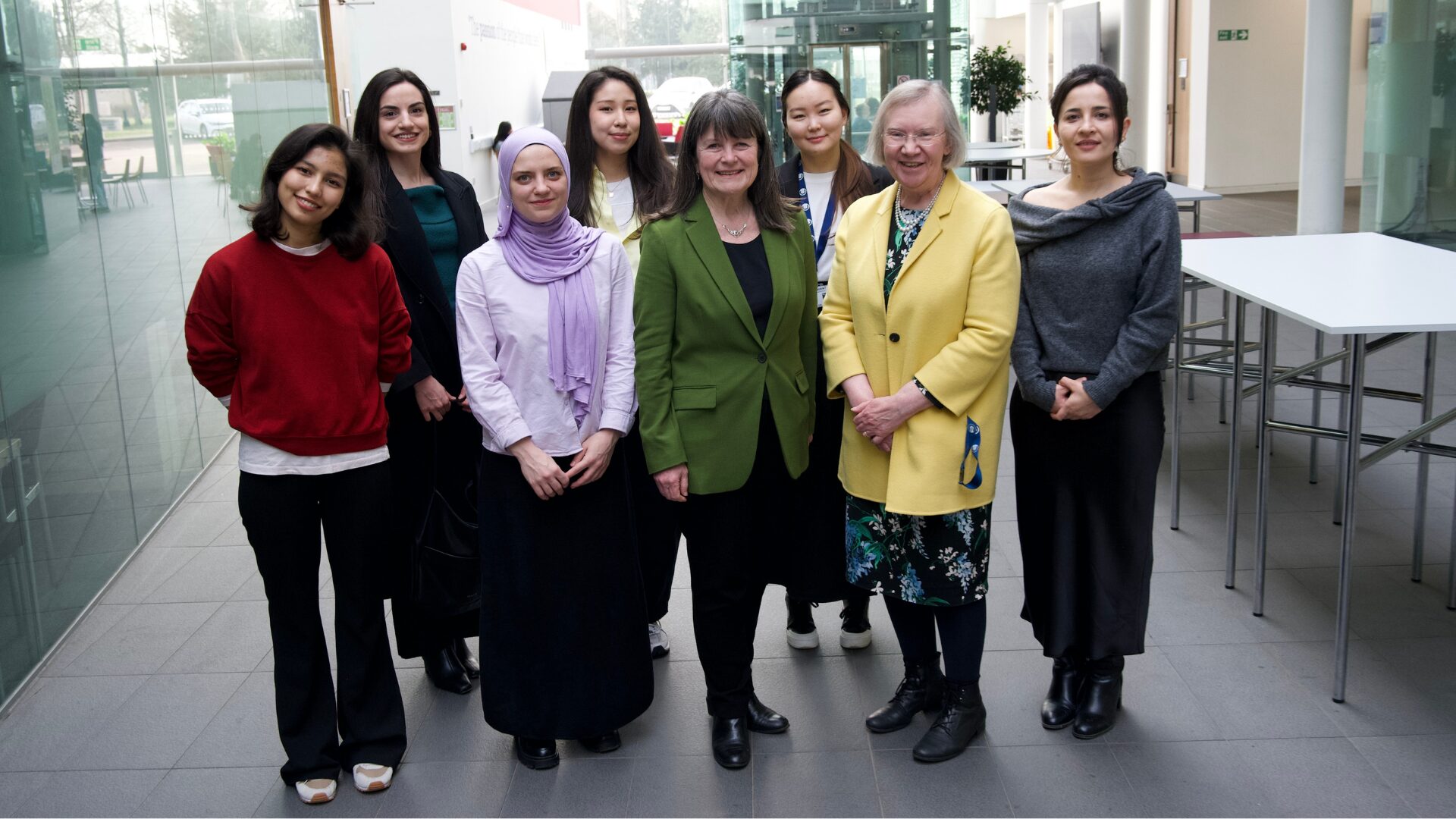
What happens when female scholars meet influential leaders?
On the 5 March 2026, our British Council Women in STEM Scholars had the privilege of sitting down with two excellent role models of industry and academia: Professor Dame Karen Holford, ...
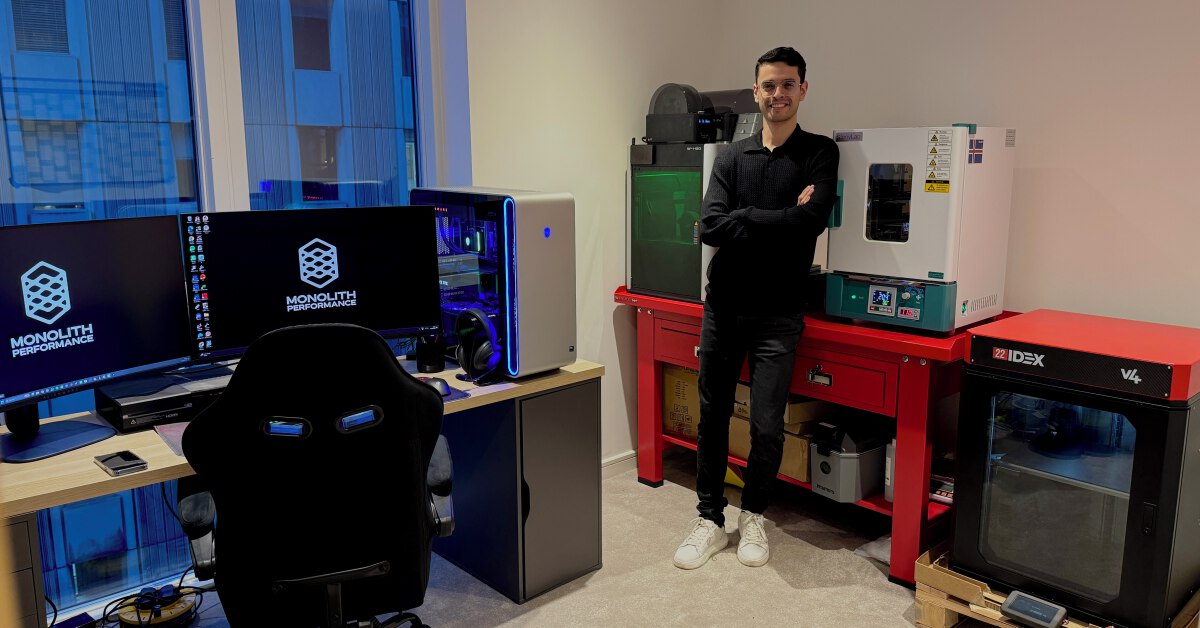
From MSc to CEO: Igniting a research revolution
For many, a master’s degree is achieving a big milestone. Kilyan Ocampo, Computational Fluid Dynamics alumni shares how studying at Cranfield helped launch his career in the energy sector. Today, Kilyan ...
Commuting, collaborating and growing: My first term experience at Cranfield
My first term at Cranfield University has been an extremely positive and rewarding experience. While the course has been intense at times, it has pushed me in the best possible way and allowed me ...
This is a brilliant article Justice, I thoroughly enjoyed reading this. Nice conclusion – we have to commit to saving the planet 🙌🏽🙌🏽🙌🏽
I am definitely getting this book. I look forward to reading more articles from you