

An Eye-Opening Journey in Advanced GIS & Remote Sensing at Cranfield University
20/03/2025
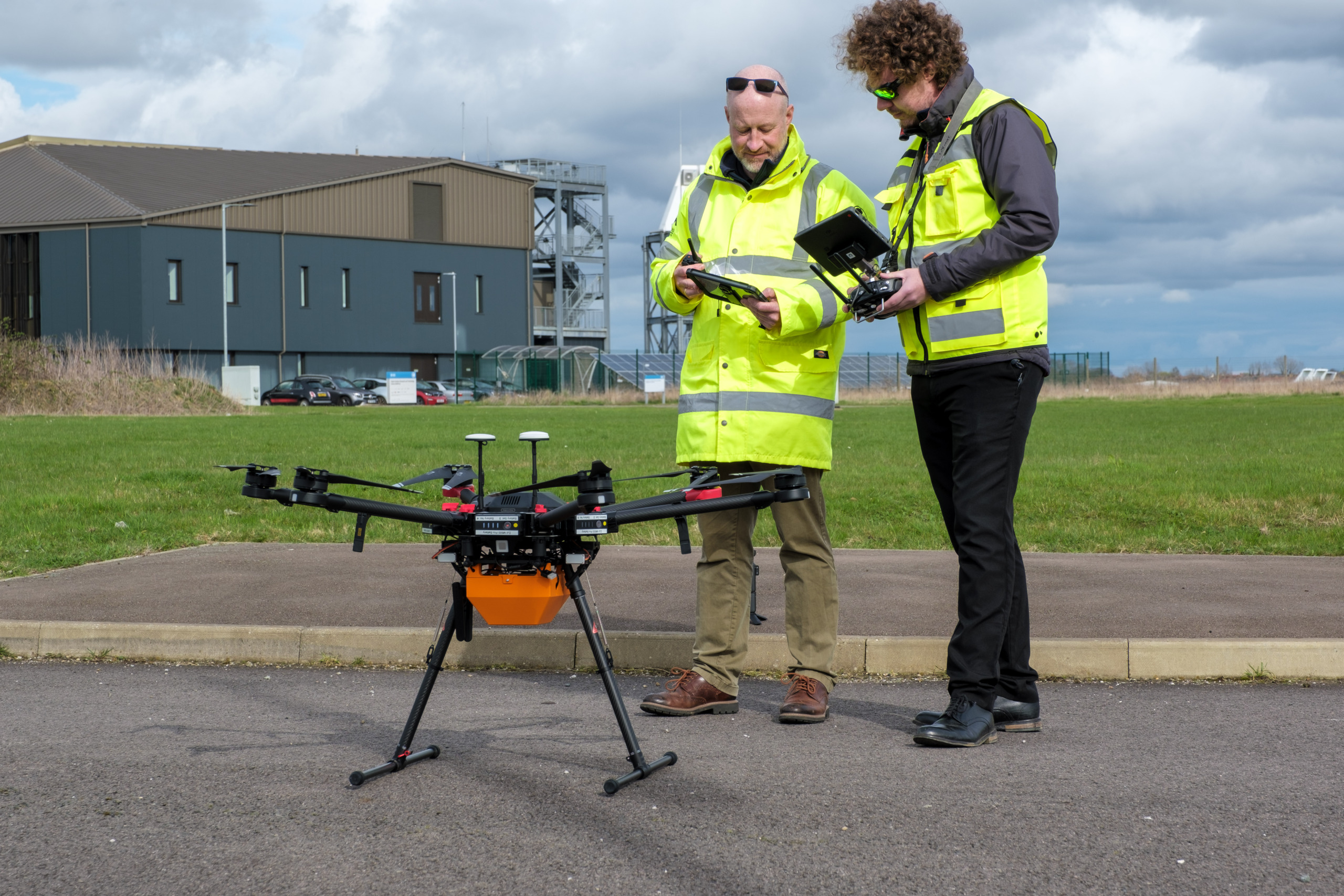
My experience in the Advanced GIS and Remote Sensing course at Cranfield University was nothing short of transformational. From day one, the course was designed to provide both technical expertise and real-world applications.
What made this course invaluable?
🔹 A Perfect Start: The program kicked off with an exciting field trip, allowing me to bond with lecturers and classmates in an informal setting before diving into lectures. This made the transition into the classroom smoother, fostering a supportive learning environment.
🔹 Hands-On Learning: This course provided me with state-of-the-art facilities and cutting-edge software, including QGIS, ArcGIS, Erdas Imagine, Agisoft Metashape, Google Earth Engine, and Python for Geospatial Data Science. I also gained experience in web mapping applications using various open-source and proprietary technologies.
🔹 Real-World Applications: The assignments were not just academic exercises—they prepared me for the workforce by requiring us to apply advanced spatial analysis and remote sensing techniques to solve real-world environmental and land-use challenges. The group project was particularly rewarding, allowing me to collaborate with industry professionals while still learning.

This course was a career booster, equipping me with in-demand geospatial skills and enhancing my job prospects in the rapidly evolving GIS and Earth Observation field.
If you’re looking to take your GIS skills to the next level, Cranfield University is the place to be!

Categories & Tags:
Leave a comment on this post:
You might also like…

Mendeley: a powerful tool to organise and manage your references
Are you looking for a way to manage your references, create in-text citations and reference lists for your assignments or thesis? If so, you may wish to consider using Mendeley. What is it? Mendeley is ...

Keen to develop your study skills?
Alongside the technical skills and academic knowledge that you will gain on your course, as a Cranfield student you have the opportunity to develop a range of other skills that can enhance your learning experience. ...

The V-conomy: powering the sixth wave of global economic growth
The world could be on the verge of a major surge in economic growth and development, driven by the convergence of AI and clean energy technology. Waiting to ride the K-wave The Russian ...

Need help using the Python programming language?
We know some of our students are currently trying to learn Python, so we wanted to make you aware of some great LinkedIn Learning videos that can help. But don't you have to pay for ...

What does it really take to become a Chevening Scholar?
Say “Turkmenistan” to most people and you’ll get a blank look. That was true when I left Ashgabat for the UK to study an MSc in Logistics and Supply Chain Management at Cranfield University ...

Get a head start on referencing and plagiarism
We offer a module on Referencing And Avoiding Plagiarism which you can find on your Canvas dashboard. It explains the role and importance of citing references and how to incorporate the work of other authors ...
Comments are closed.