

Cranfield underwater archaeological research features in two new TV series
26/10/2022
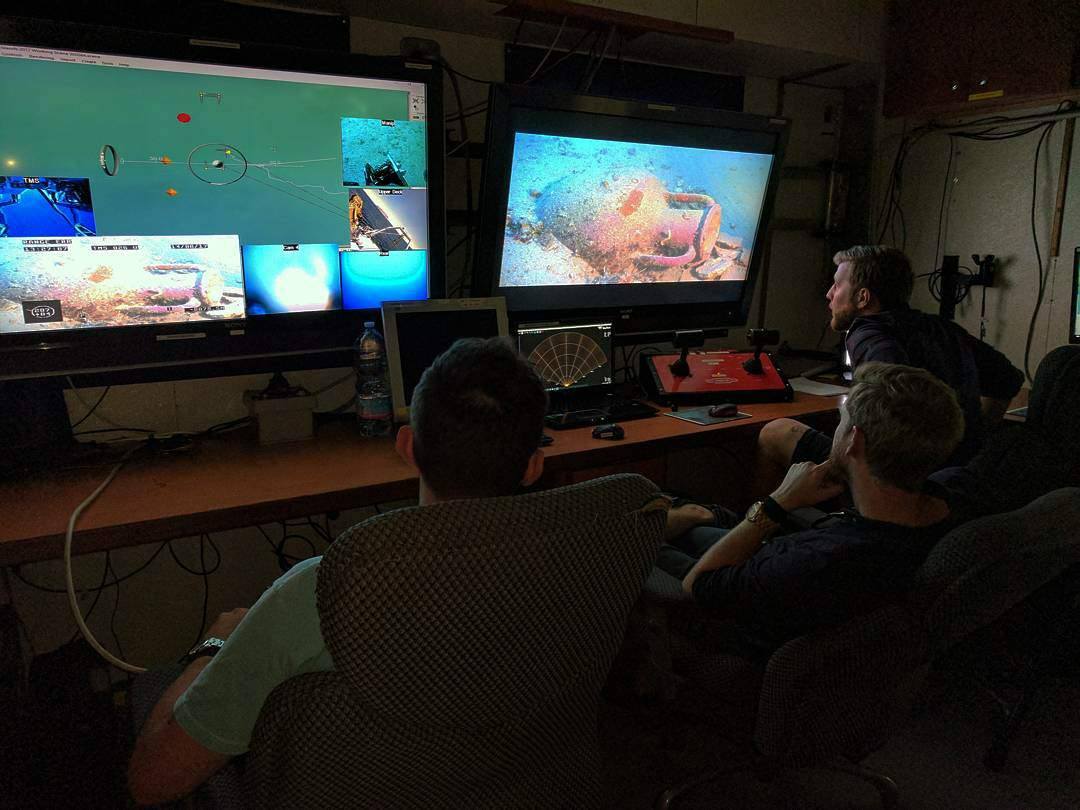
What archaeological mysteries might lie on the seafloor? Two new series currently airing on TV feature Dr Peter Campbell and his research in underwater archaeology.
Lost Treasures of Rome
The series Lost Treasures of Rome is airing on Channel 4 in the UK and National Geographic internationally. Episode 2 visits Peter at the Battle of the Egadi Islands – the only ancient naval battle that has been discovered to date, telling the story of this pivotal battle that took Rome from a regional power in control of the Italian peninsula to controlling the central Mediterranean by defeating Carthage at sea.
Located off western Sicily, the battle site is spread over the seafloor at a depth of 70-90 metres and is being mapped by the RPM Nautical Foundation, Soprintendenza del Mare, and the Society for the Documentation of Submerged Sites.
In May, Peter and students, along with partners at RPM Nautical Foundation, University of South Florida, and Soprintendenza del Mare documented the artifacts from the battle site using 3D methods.
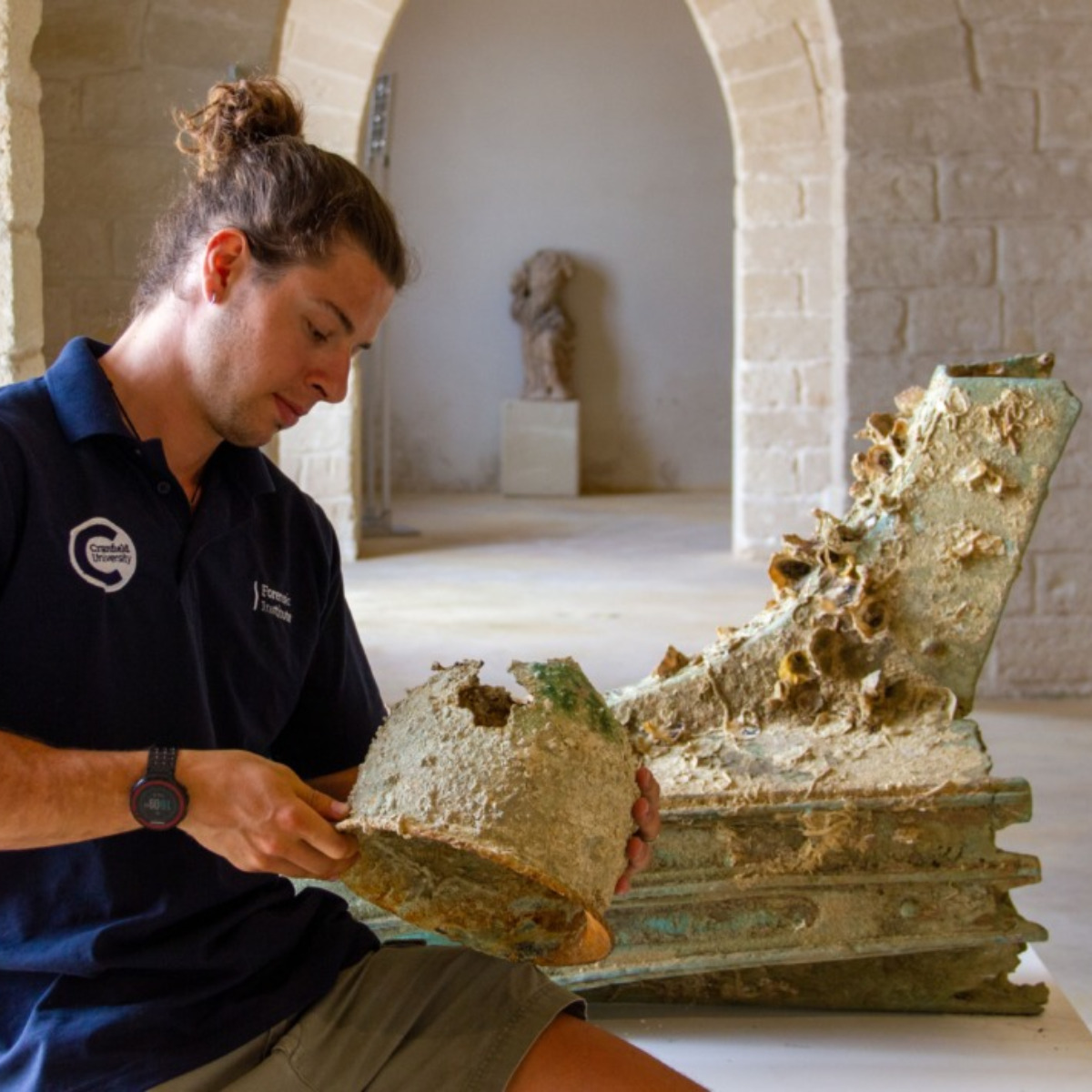
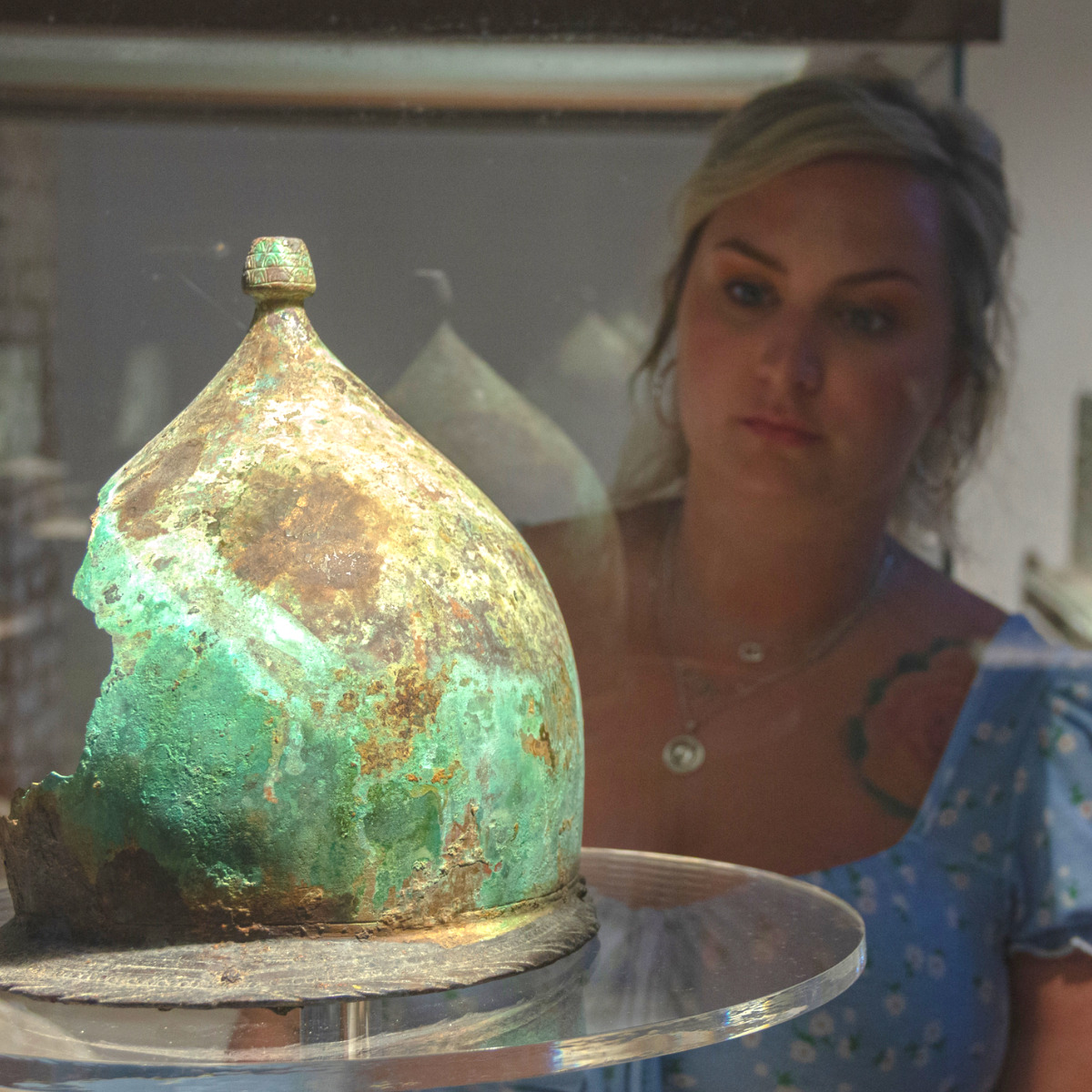
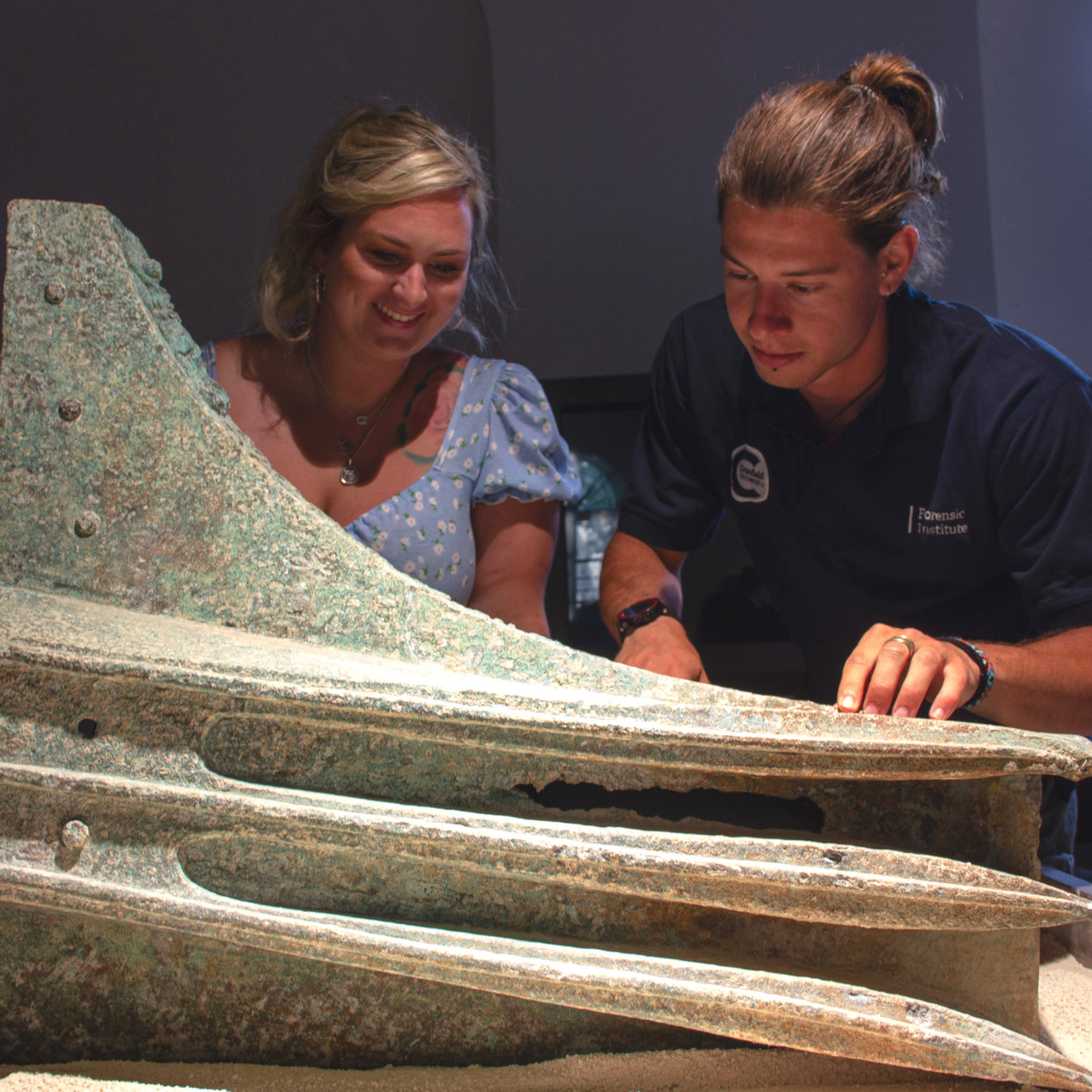
Cranfield Forensic Institute students at work in Sicily
You can read more about the battle in Peter’s recent book chapter on the project. This is Peter’s fourth National Geographic television programme featuring his underwater research and more can be seen in three seasons of Drain the Oceans.
Mysteries of the Deep
Currently airing on Discovery UK is the second season of Mysteries of the Deep. The series examines natural and archaeological maritime mysteries with host Jeremy Wade. Peter serves as an archaeological expert, providing background into shipwrecks, sunken cities, and underwater caves.


Categories & Tags:
Leave a comment on this post:
You might also like…
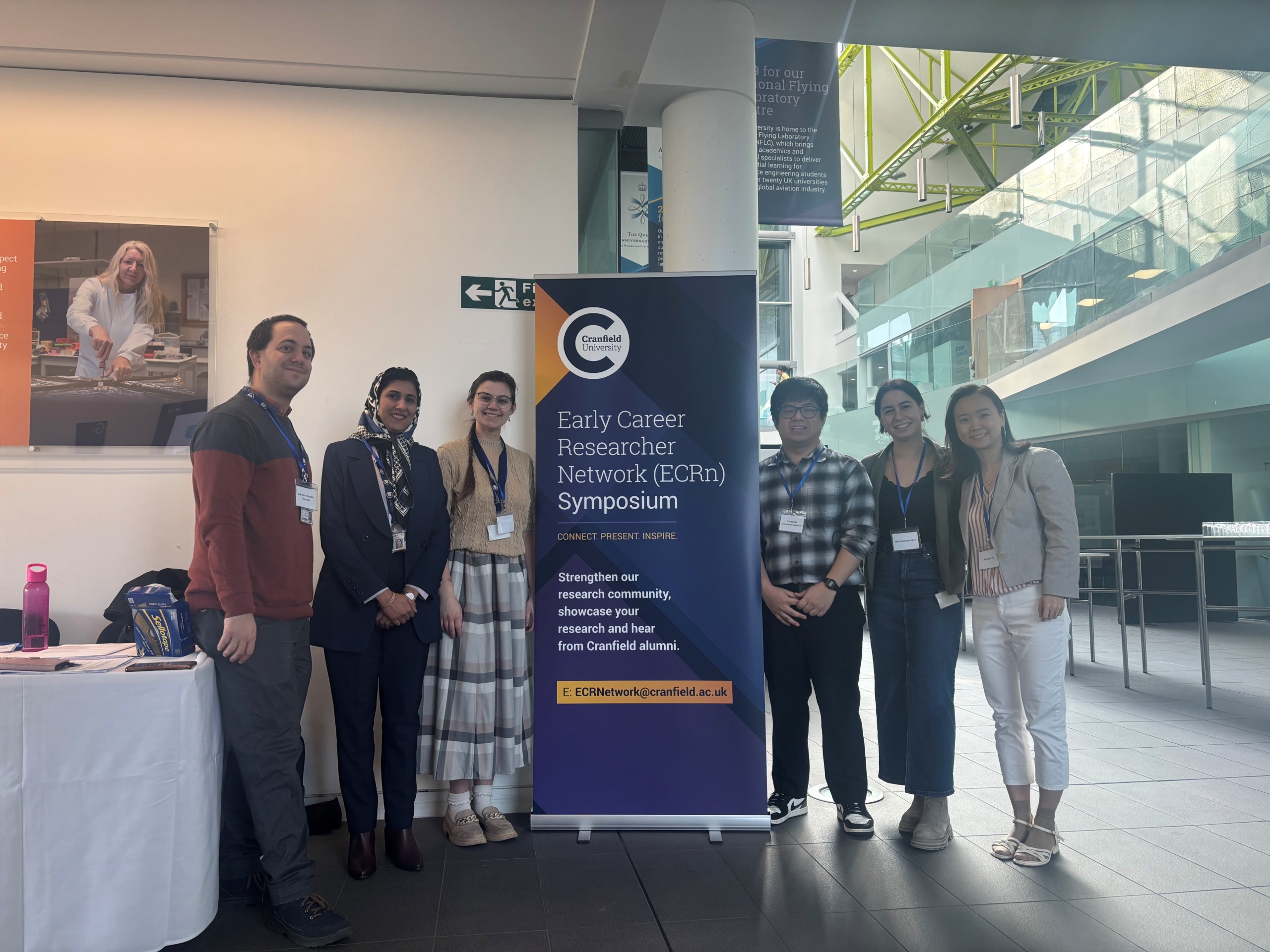
Building more than research: Reflections from the ECRn Symposium 2026
There’s something quietly powerful about a room full of early career researchers. Not just the ideas, although there were plenty of those—but the conversations, the curiosity, and the sense that everyone is figuring things ...

Library services over Easter, 3-6 April
Kings Norton Library will remain open for study 24/7. You will need your University ID card to enter the building and can use the self-service machines to borrow and return items as usual. Barrington Library ...

How do I access the full-text of Harvard Business Review (HBR)?
This is a frequently asked question, and it's worth knowing how to access this key management journal. So, how do you access HBR in full-text? The short answer is via our eJournals finder. You can find ...

Engineering problem to solve? Let Knovel help you find a solution
Did you know that Knovel provides you with more than just eBooks? Knovel is a key database for many engineering, mechanical and materials courses here at Cranfield University, and contains content from an extensive range ...
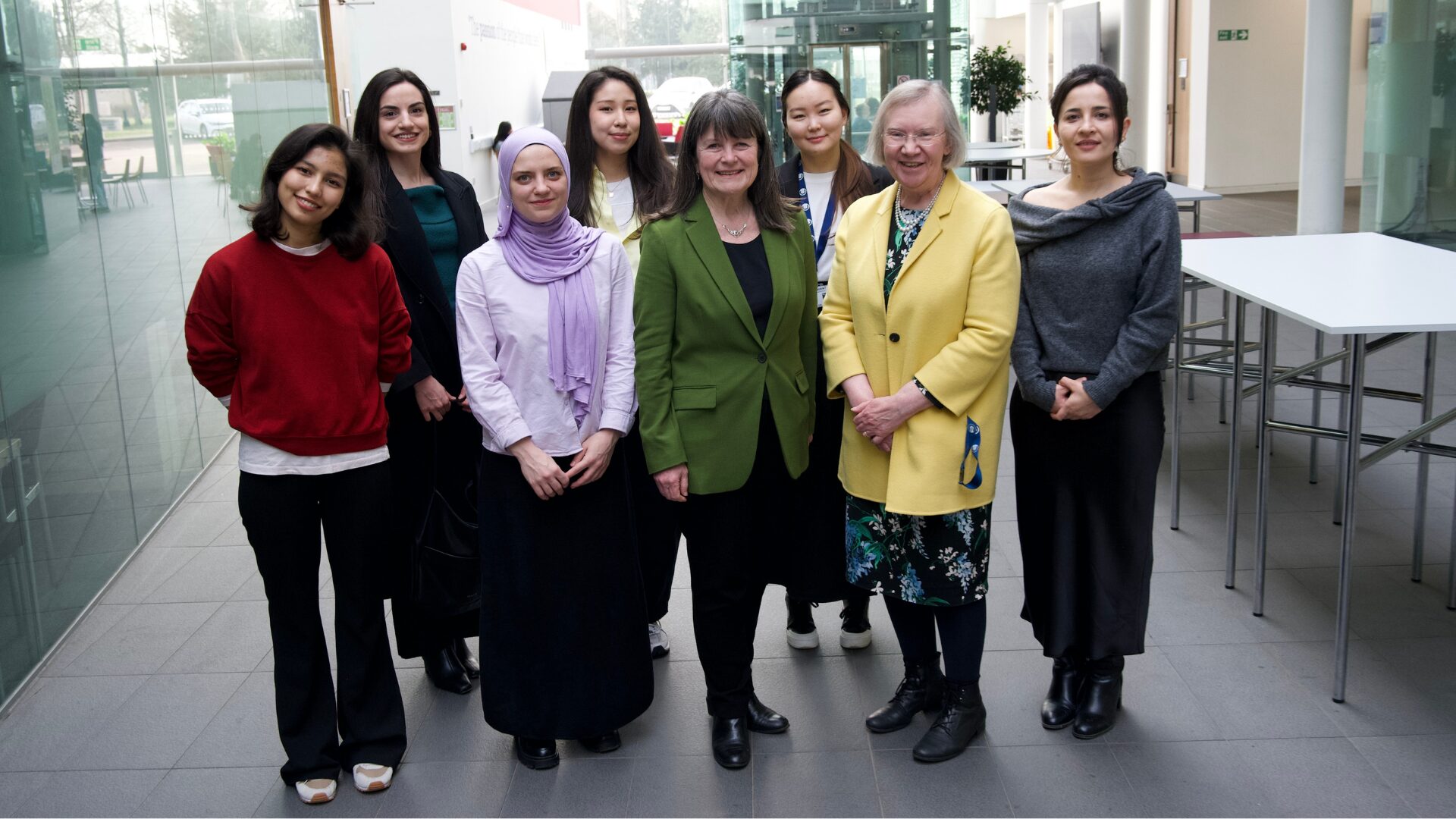
What happens when female scholars meet influential leaders?
On the 5 March 2026, our British Council Women in STEM Scholars had the privilege of sitting down with two excellent role models of industry and academia: Professor Dame Karen Holford, ...
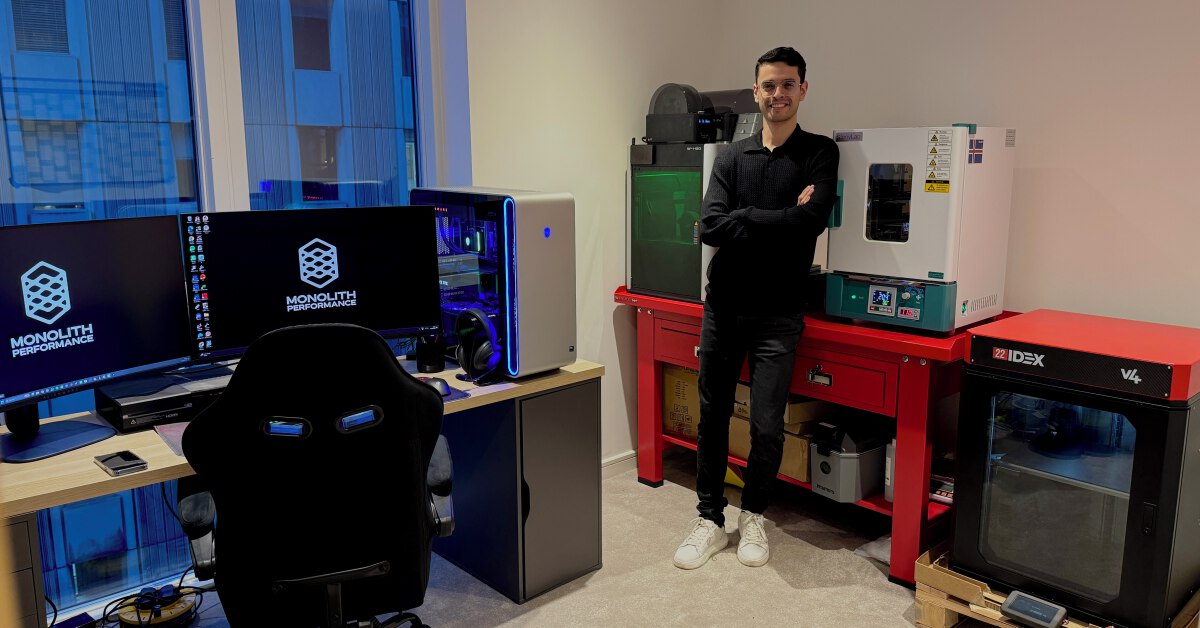
From MSc to CEO: Igniting a research revolution
For many, a master’s degree is achieving a big milestone. Kilyan Ocampo, Computational Fluid Dynamics alumni shares how studying at Cranfield helped launch his career in the energy sector. Today, Kilyan ...