


Cranfield underwater archaeological research features in two new TV series
26/10/2022
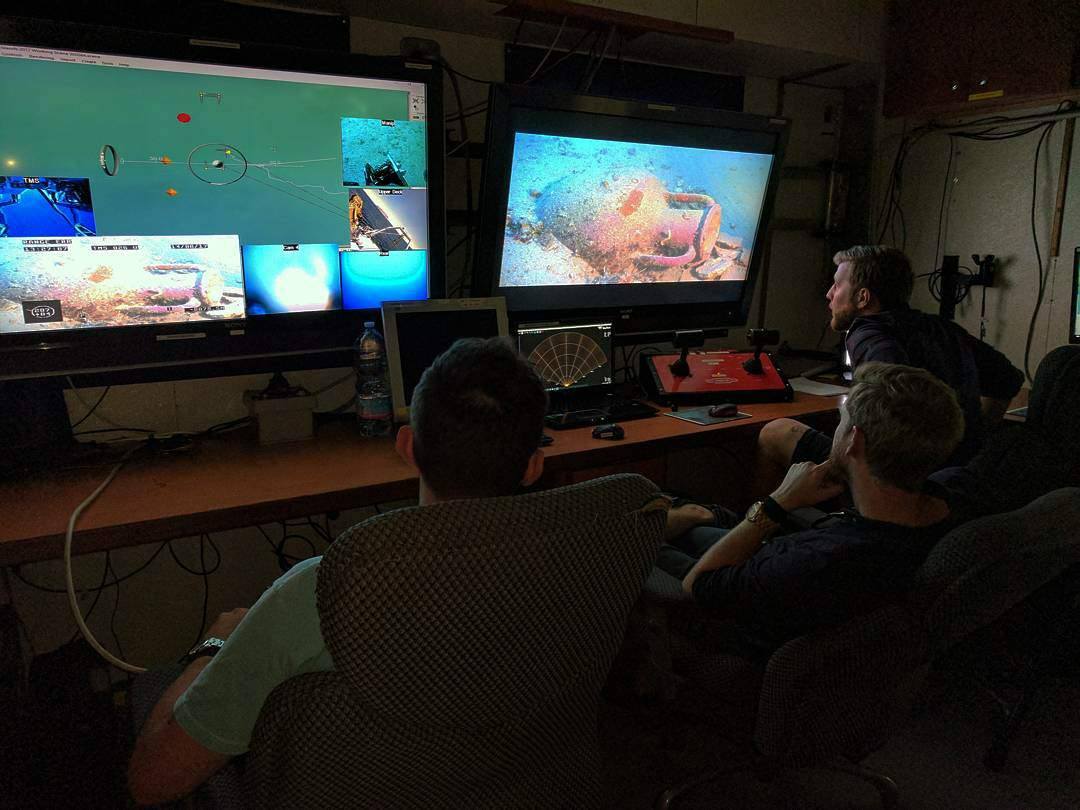
What archaeological mysteries might lie on the seafloor? Two new series currently airing on TV feature Dr Peter Campbell and his research in underwater archaeology.
Lost Treasures of Rome
The series Lost Treasures of Rome is airing on Channel 4 in the UK and National Geographic internationally. Episode 2 visits Peter at the Battle of the Egadi Islands – the only ancient naval battle that has been discovered to date, telling the story of this pivotal battle that took Rome from a regional power in control of the Italian peninsula to controlling the central Mediterranean by defeating Carthage at sea.
Located off western Sicily, the battle site is spread over the seafloor at a depth of 70-90 metres and is being mapped by the RPM Nautical Foundation, Soprintendenza del Mare, and the Society for the Documentation of Submerged Sites.
In May, Peter and students, along with partners at RPM Nautical Foundation, University of South Florida, and Soprintendenza del Mare documented the artifacts from the battle site using 3D methods.
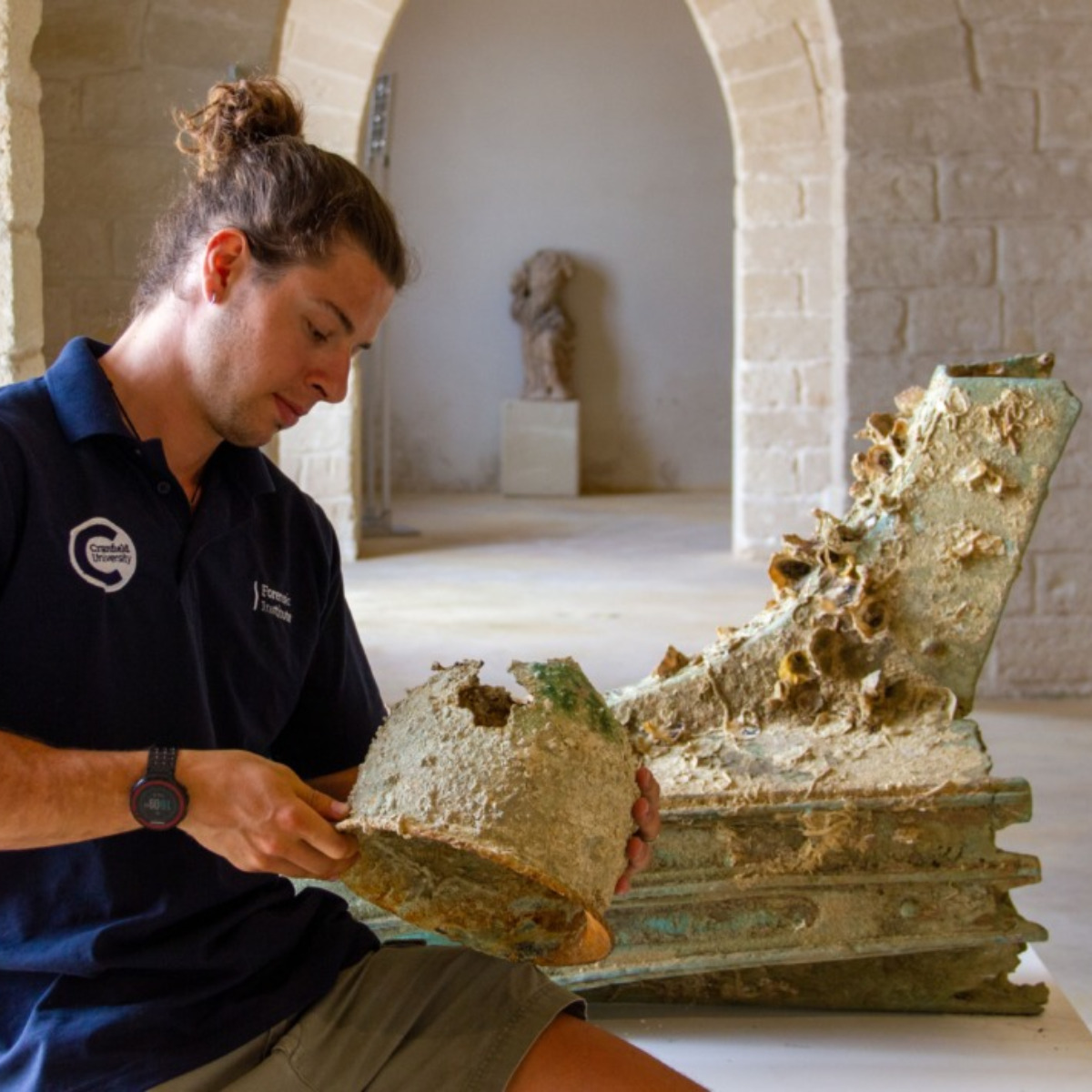
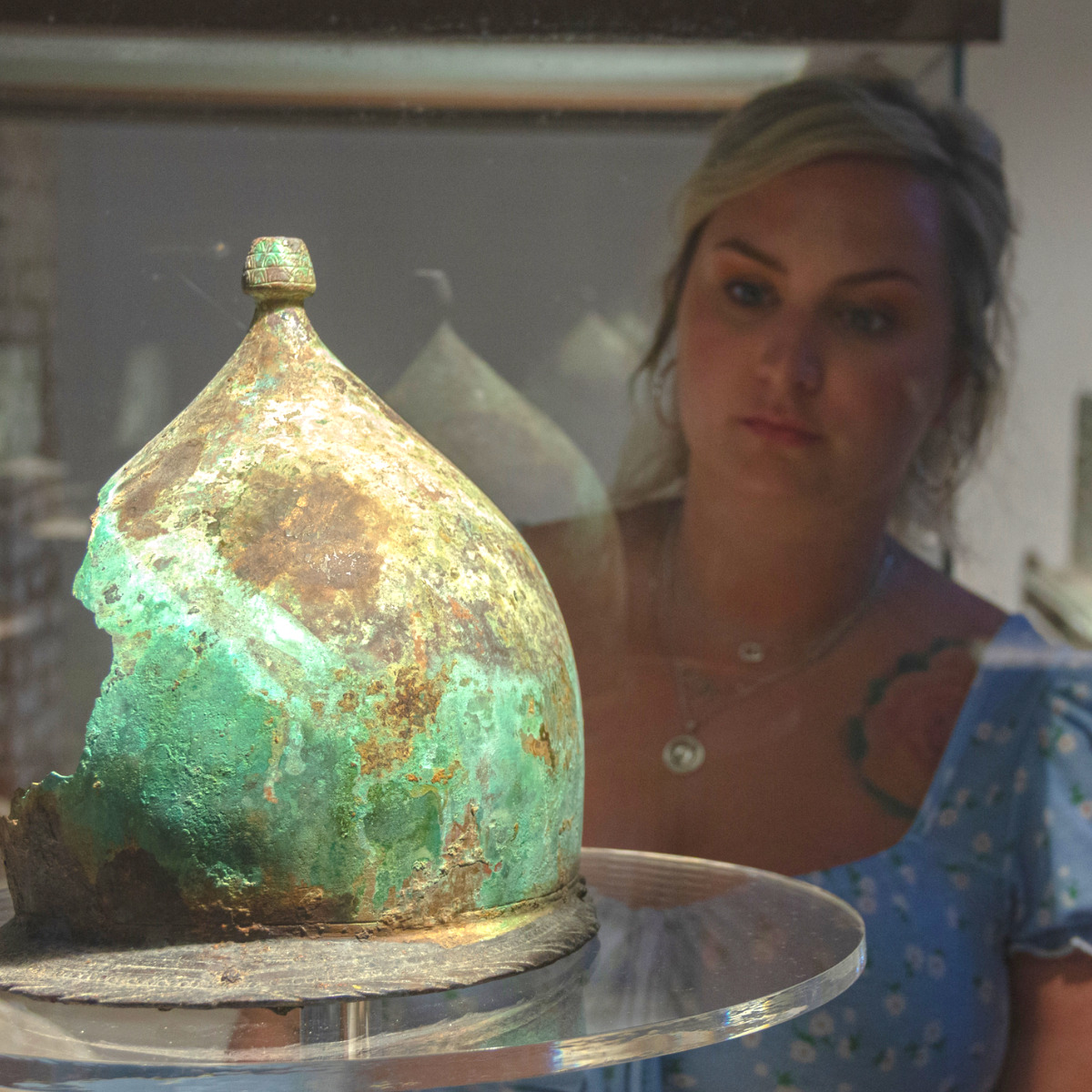
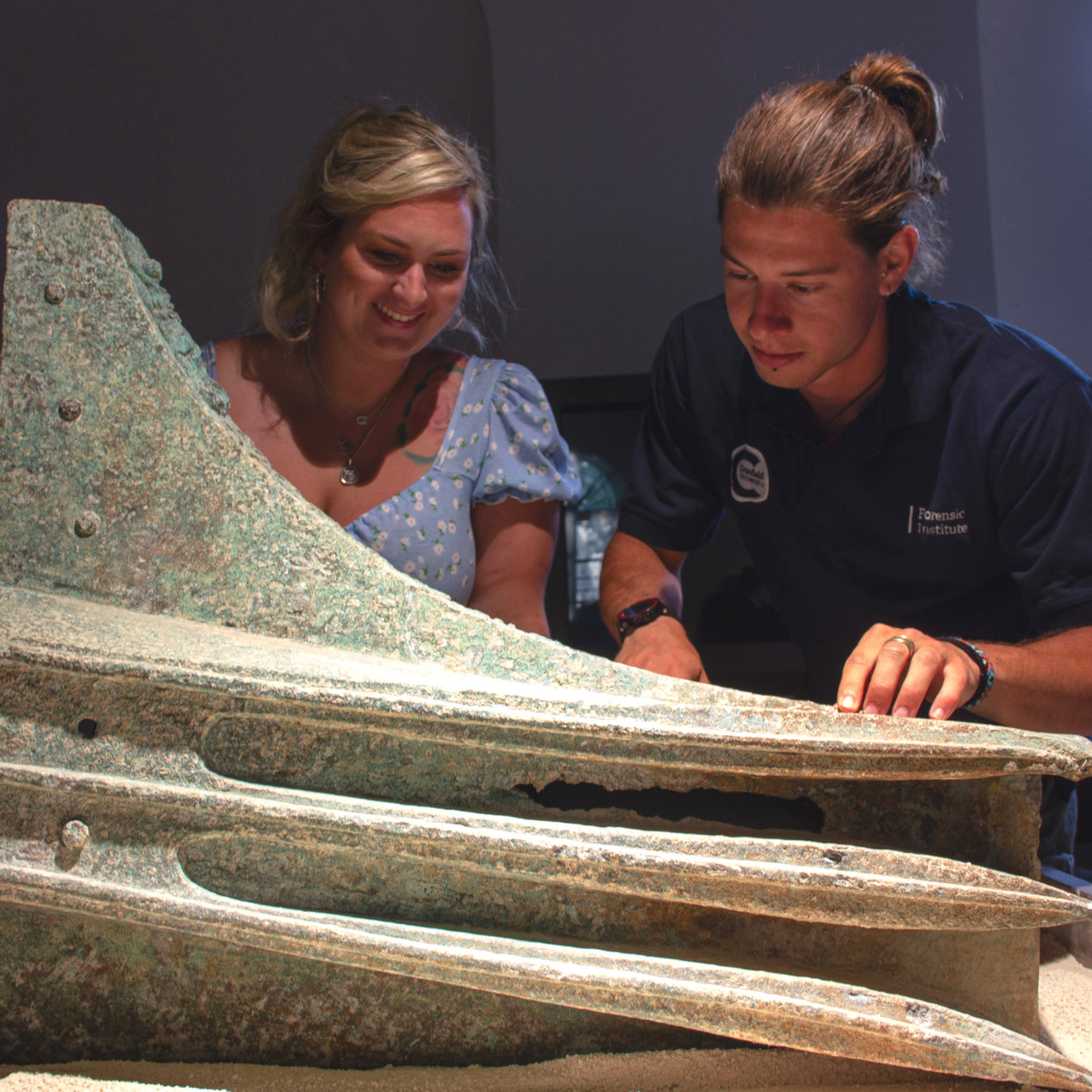
Cranfield Forensic Institute students at work in Sicily
You can read more about the battle in Peter’s recent book chapter on the project. This is Peter’s fourth National Geographic television programme featuring his underwater research and more can be seen in three seasons of Drain the Oceans.
Mysteries of the Deep
Currently airing on Discovery UK is the second season of Mysteries of the Deep. The series examines natural and archaeological maritime mysteries with host Jeremy Wade. Peter serves as an archaeological expert, providing background into shipwrecks, sunken cities, and underwater caves.


Categories & Tags:
Leave a comment on this post:
You might also like…

Moving to the UK to study? How to plan for banking, exchange rates and transfers
Currency and banking are two of the most practical parts of financial planning for international students. They are also often the most overlooked. We asked Dr Lakshmy Subramanian, Course Director for Cranfield University's Banking, ...

Cranfield: an environment where innovation thrives
The latest Knowledge Exchange Framework rankings from UK Research and Innovation (UKRI) gives an insight into the real and meaningful impact that UK universities have. The seven categories that make up KEF6 cover everything ...
How Cranfield accelerated my career in Logistics and Supply Chain Management
After graduating from the MSc in Logistics and Supply Chain Management at Cranfield University, I've been reflecting on the experiences that made my journey so valuable and the impact it has had on my ...
Mendeley: a powerful tool to organise and manage your references
Are you looking for a way to manage your references, create in-text citations and reference lists for your assignments or thesis? If so, you may wish to consider using Mendeley. What is it? Mendeley is ...

Keen to develop your study skills?
Alongside the technical skills and academic knowledge that you will gain on your course, as a Cranfield student you have the opportunity to develop a range of other skills that can enhance your learning experience. ...

The V-conomy: powering the sixth wave of global economic growth
The world could be on the verge of a major surge in economic growth and development, driven by the convergence of AI and clean energy technology. Waiting to ride the K-wave The Russian ...
Comments are closed.