

From national service to Environmental Engineering: My journey to Cranfield
10/03/2026

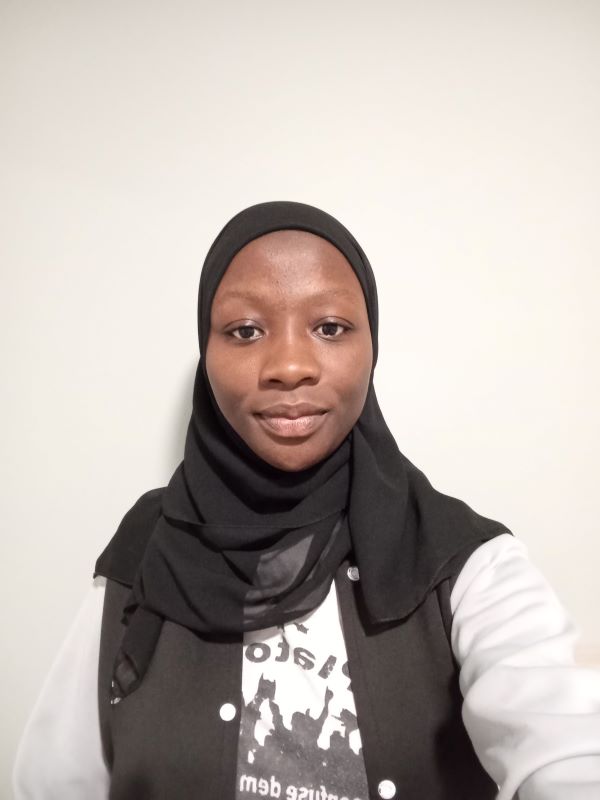
Postgraduate study is often a defining step in shaping one’s academic and professional direction. For me, pursuing an MSc in Environmental Engineering at Cranfield University has been both a personal and professional adventure—one that bridges my earlier academic experiences in Nigeria with my long-term vision for impact in sustainable development.
Before Cranfield
Before beginning my MSc at Cranfield, I had just completed my one-year national service, working as a teaching assistant in the Department of Agricultural and Environmental Engineering at Modibbo Adama University in Yola. That experience confirmed my interest in environmental sustainability and motivated me to pursue deeper technical knowledge.
I expected postgraduate study to broaden my expertise in environmental engineering and equip me with the research skills needed for sustainable land management. It also offered the chance to build international exposure, expand my professional network, and prepare for impactful roles in consultancy and environmental policy back home.
Why Environmental Engineering at Cranfield
Choosing to study Environmental Engineering at Cranfield was a natural step. The MSc offers the ideal blend of scientific depth and practical application that builds on my background in Agricultural and Environmental Engineering and aligns with my ambition to tackle sustainability challenges. I opted for full-time study so I could immerse myself fully in the programme’s intensive teaching, group projects and research.
Funding was an important consideration from the start, so I explored several scholarships and bursaries before applying. I was ultimately awarded a Commonwealth Shared Scholarship. The process was rigorous and required careful preparation, but it helped me clarify my goals and made the opportunity even more meaningful.
What attracted me to Cranfield
Cranfield’s focus on postgraduate study, together with its strong reputation for combining research-led teaching with industry engagement, stood out to me. Specialist environmental laboratories, field facilities, and the chance to learn from academics working closely with government and industry partners made it the ideal place to develop advanced, practice-oriented skills.
One of the aspects I find most inspiring about my course is how it connects environmental engineering theory with real-world challenges through practical classes, group projects and case studies. Field trips have also been a highlight, offering the chance to see environmental engineering principles applied on real sites and to engage with practitioners in the sector.
Building practical and industry experience
My programme includes practical modules and opportunities for applied project work, and I am looking forward to getting involved in more industry-focused activities as the course progresses. These experiences are invaluable not only for applying theory to real problems but also for understanding what employers in the sector are looking for.
I would recommend this course to graduates and early-career professionals who are passionate about environmental sustainability and keen to build strong technical and analytical skills. It suits those who enjoy applied learning and want to contribute to solving environmental challenges in government, industry or consultancy.
Looking to the future
Looking ahead, I believe this qualification will strengthen my prospects for specialist roles in environmental consultancy and policy. It is also helping me build a solid professional network and develop the confidence to contribute to sustainable development initiatives in my home country and beyond.
“My time at Cranfield is preparing me not just for my next career step, but for a future where I can drive real environmental impact.”
Career ambitions
My goal is to build a career as a professional environmental engineer, working with industry to address pressing sustainability and pollution challenges. Over the longer term, I hope to become a professor in environmental engineering, combining teaching, research and industry collaboration to mentor future professionals and develop innovative solutions.
Advice for future students
For anyone considering postgraduate study, my advice is to choose a course that aligns clearly with your long-term goals and interests, prepare for an intensive academic environment, and make full use of academic, careers and wellbeing support. The journey is demanding, but the growth, both personally and professionally is worth it.
One word to describe my time at Cranfield
If I had to describe my time at Cranfield so far in one word, it would be: Adventurous.



Categories & Tags:
Leave a comment on this post:
You might also like…
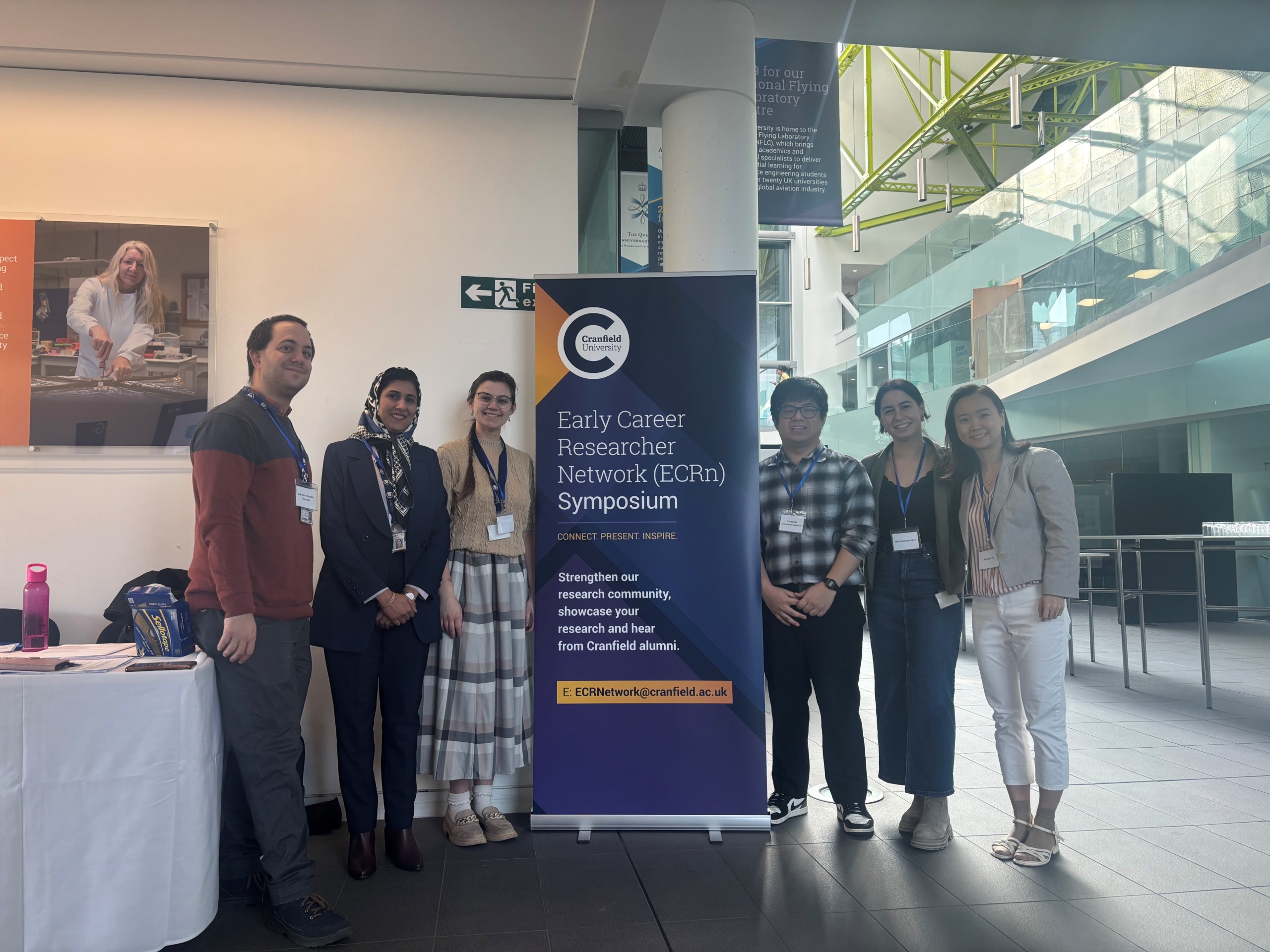
Building more than research: Reflections from the ECRn Symposium 2026
There’s something quietly powerful about a room full of early career researchers. Not just the ideas, although there were plenty of those—but the conversations, the curiosity, and the sense that everyone is figuring things ...

Library services over Easter, 3-6 April
Kings Norton Library will remain open for study 24/7. You will need your University ID card to enter the building and can use the self-service machines to borrow and return items as usual. Barrington Library ...

How do I access the full-text of Harvard Business Review (HBR)?
This is a frequently asked question, and it's worth knowing how to access this key management journal. So, how do you access HBR in full-text? The short answer is via our eJournals finder. You can find ...

Engineering problem to solve? Let Knovel help you find a solution
Did you know that Knovel provides you with more than just eBooks? Knovel is a key database for many engineering, mechanical and materials courses here at Cranfield University, and contains content from an extensive range ...
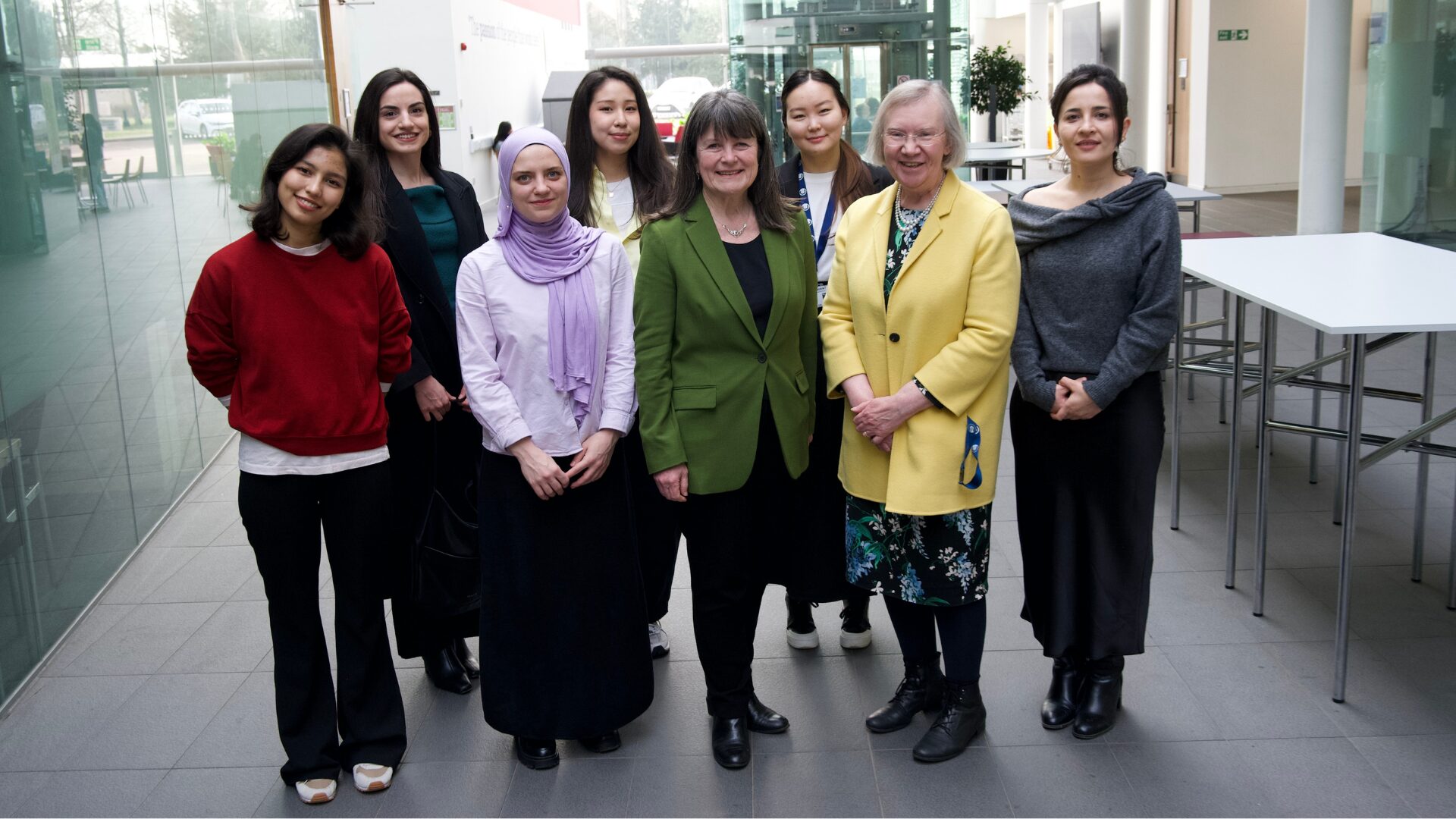
What happens when female scholars meet influential leaders?
On the 5 March 2026, our British Council Women in STEM Scholars had the privilege of sitting down with two excellent role models of industry and academia: Professor Dame Karen Holford, ...
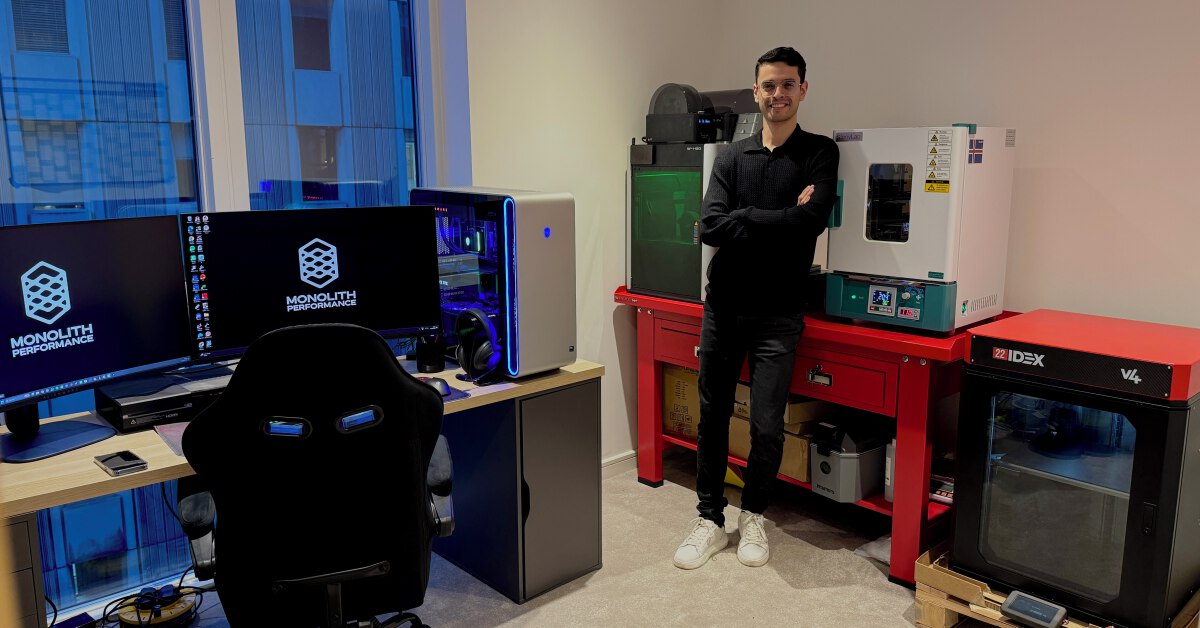
From MSc to CEO: Igniting a research revolution
For many, a master’s degree is achieving a big milestone. Kilyan Ocampo, Computational Fluid Dynamics alumni shares how studying at Cranfield helped launch his career in the energy sector. Today, Kilyan ...