

Building more than research: Reflections from the ECRn Symposium 2026
30/03/2026
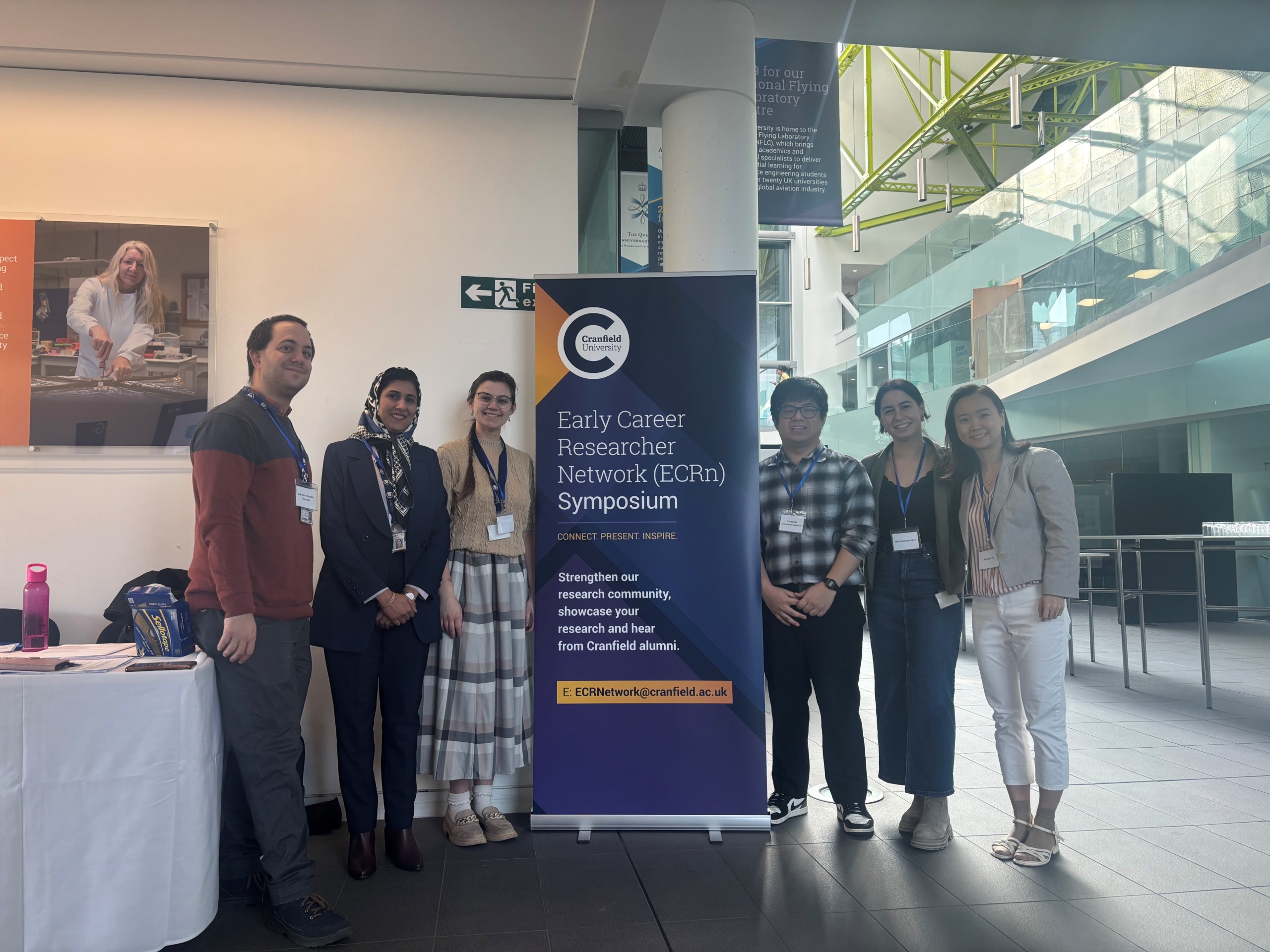
There’s something quietly powerful about a room full of early career researchers. Not just the ideas, although there were plenty of those—but the conversations, the curiosity, and the sense that everyone is figuring things out together. That, in many ways, is what the ECRn Symposium 2026 was all about.
As the organiser, ECRn team had the chance to see both sides of the experience: the behind-the-scenes effort and the moments when everything came together. And honestly, it reinforced just how valuable these “extracurricular” academic spaces really are.
The ECRN (Early Career Research Network) is a Cranfield University community that supports early-career researchers by providing opportunities for networking, collaboration, and professional development.
The ECRN Symposium is organised by members of the ECRN committee. The first symposium was held in 2024, and this year marks the second edition. The event is planned to run biennially (every two years).
The symposium aims to bring together early-career researchers from across the university to showcase their research, encourage interdisciplinary collaboration, and strengthen the Cranfield research community. The programme also includes guest alumni speakers who share insights into career development and their professional journeys.
Why this work matters
Organising an event like this goes far beyond logistics. Yes, there are schedules, speakers, rooms, and coffee breaks to coordinate, but the real value lies in creating a space where people connect. The programme itself was packed over two days, with keynote talks, career development sessions, and parallel presentation tracks.
Early career research can sometimes feel isolating. You’re deep in your own project, navigating uncertainty, and often unsure how your work fits into the bigger picture. Events like this help bridge that gap. They give researchers a chance to step out of their silos, share ideas, and realise they’re part of a much larger, vibrant community.
From an organiser’s perspective, it’s incredibly rewarding to watch that happen in real time, seeing conversations spark during coffee breaks, or hearing someone say, “I didn’t know anyone else was working on something similar.”
Building a research community at Cranfield
One of the core aims of the symposium, as outlined in the programme, was to “build and strengthen the Early Career community across Themes and Schools” . And that’s exactly what we saw.
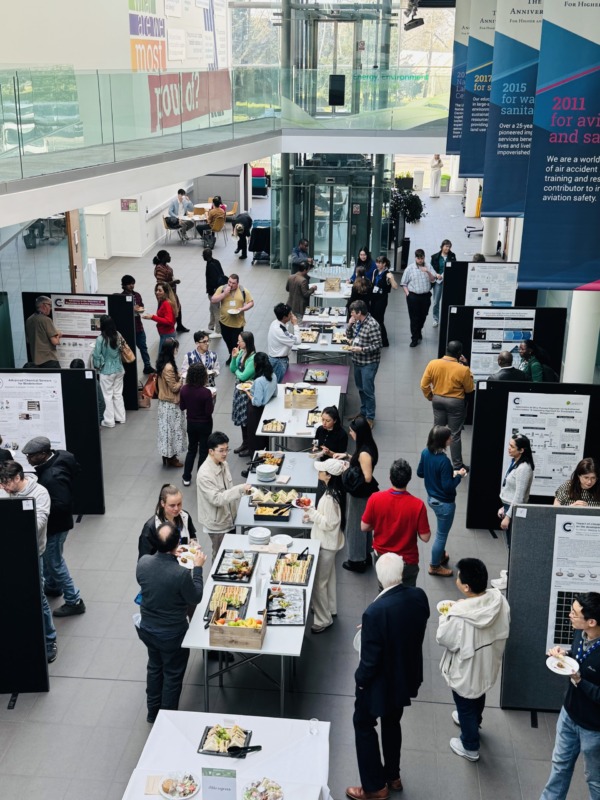
The networking moments, often overlooked on paper were some of the most impactful parts of the event. During lunch and coffee breaks, the atrium became a hub of activity: people gathered around posters, exchanged ideas, and continued discussions that started in the sessions. It wasn’t just small talk, it was meaningful engagement.
That sense of community doesn’t happen by accident. It takes intentional effort to create spaces where people feel comfortable sharing, asking questions, and collaborating. The ECRn exists to do exactly that, and this symposium felt like a strong step forward in that mission.
Highlights from the event
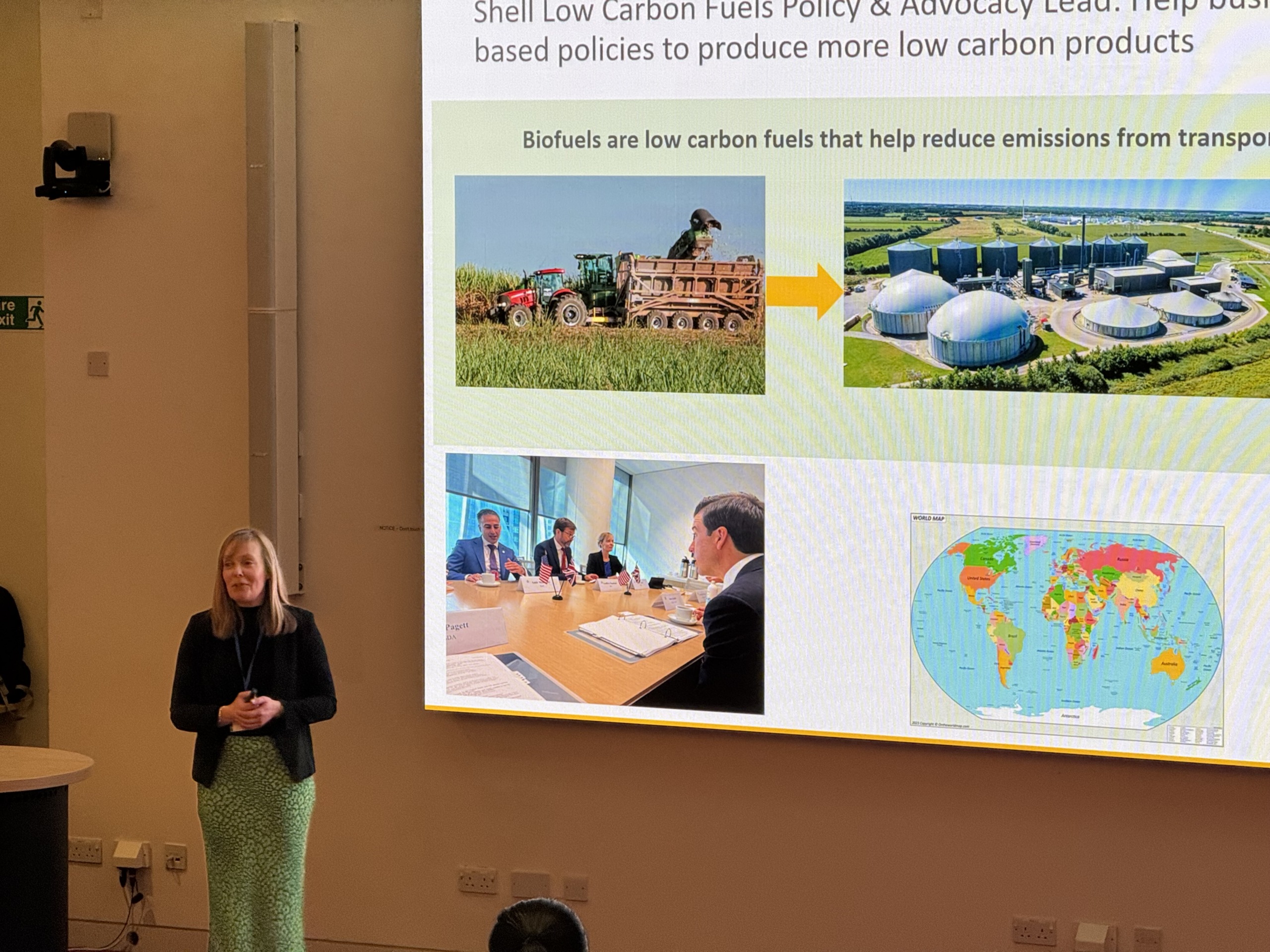
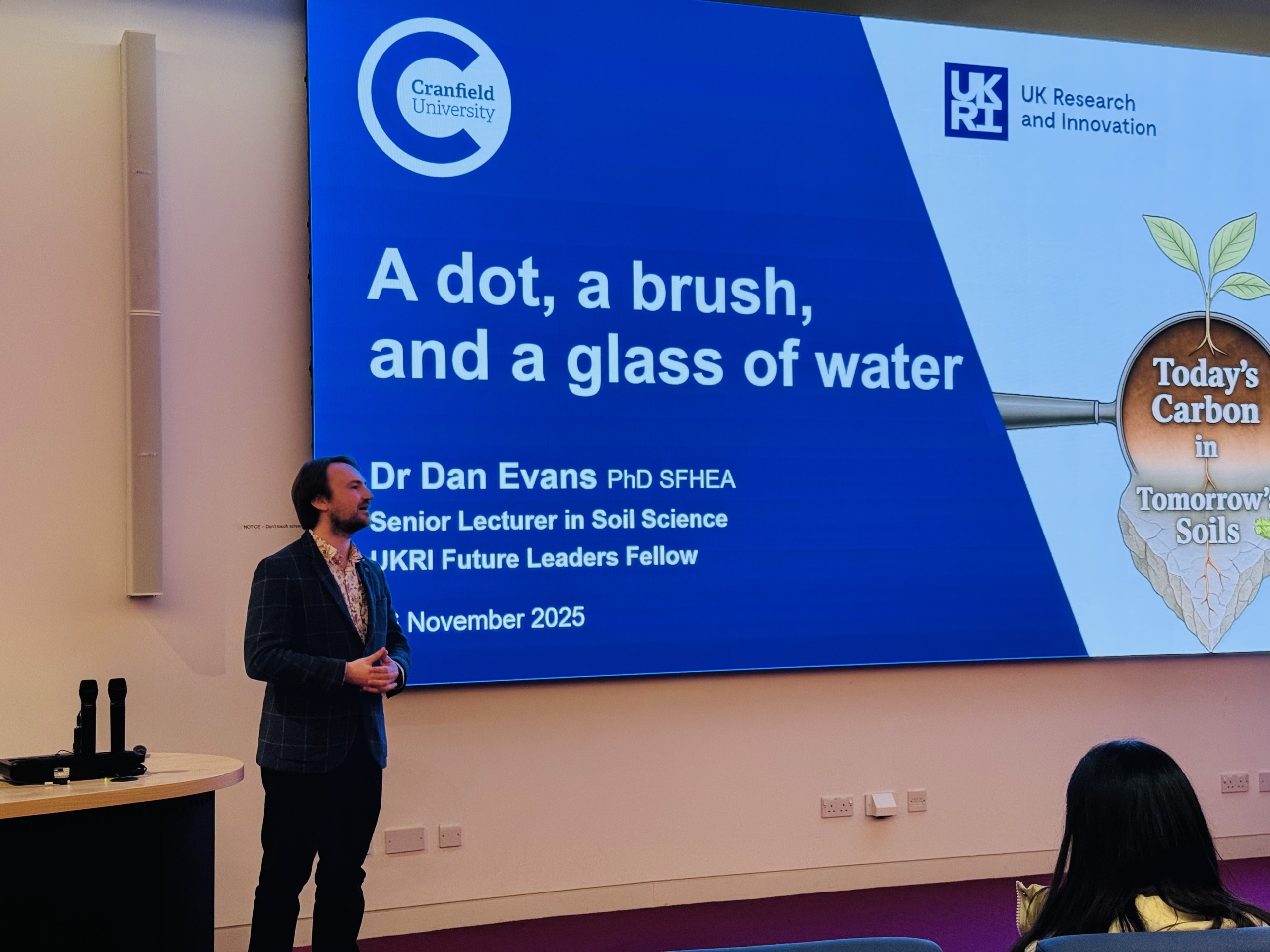
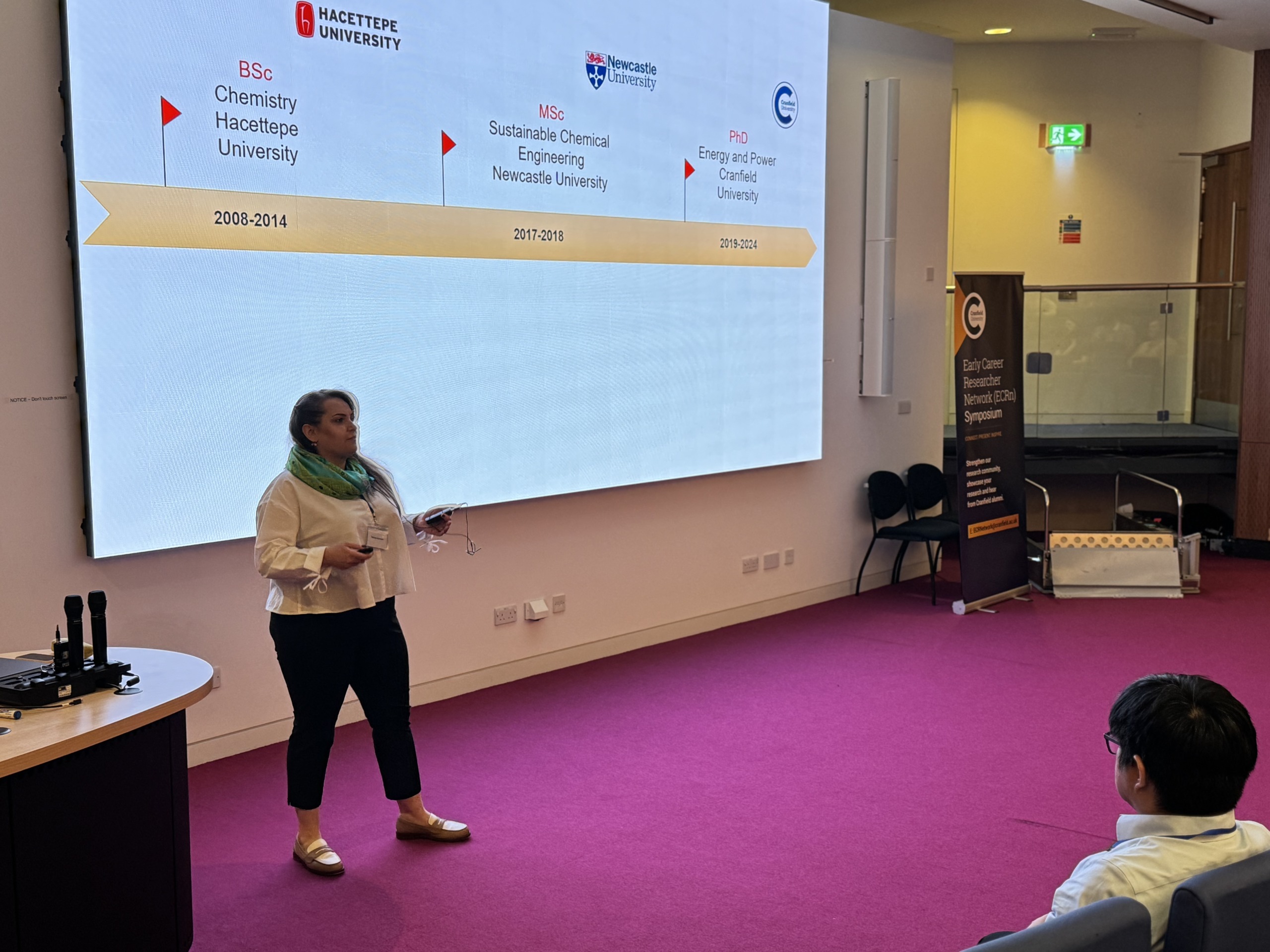
The keynote and career talks were standout moments. Speakers from both academia and industry shared not just their successes, but their journeys, the twists, the uncertainties, and the lessons learned along the way. What really resonated was their encouragement to think beyond traditional paths: to take initiative, explore unconventional ideas, and not be afraid to “draw outside the lines.”
The presentations across main, speedy, and poster formats—were equally impressive. The quality of research was high, but what stood out even more was the engagement. Presenters communicated their work with clarity and enthusiasm, and the audience responded with thoughtful, often challenging questions. It felt less like a formal conference and more like a genuine exchange of ideas.
Celebrating excellence
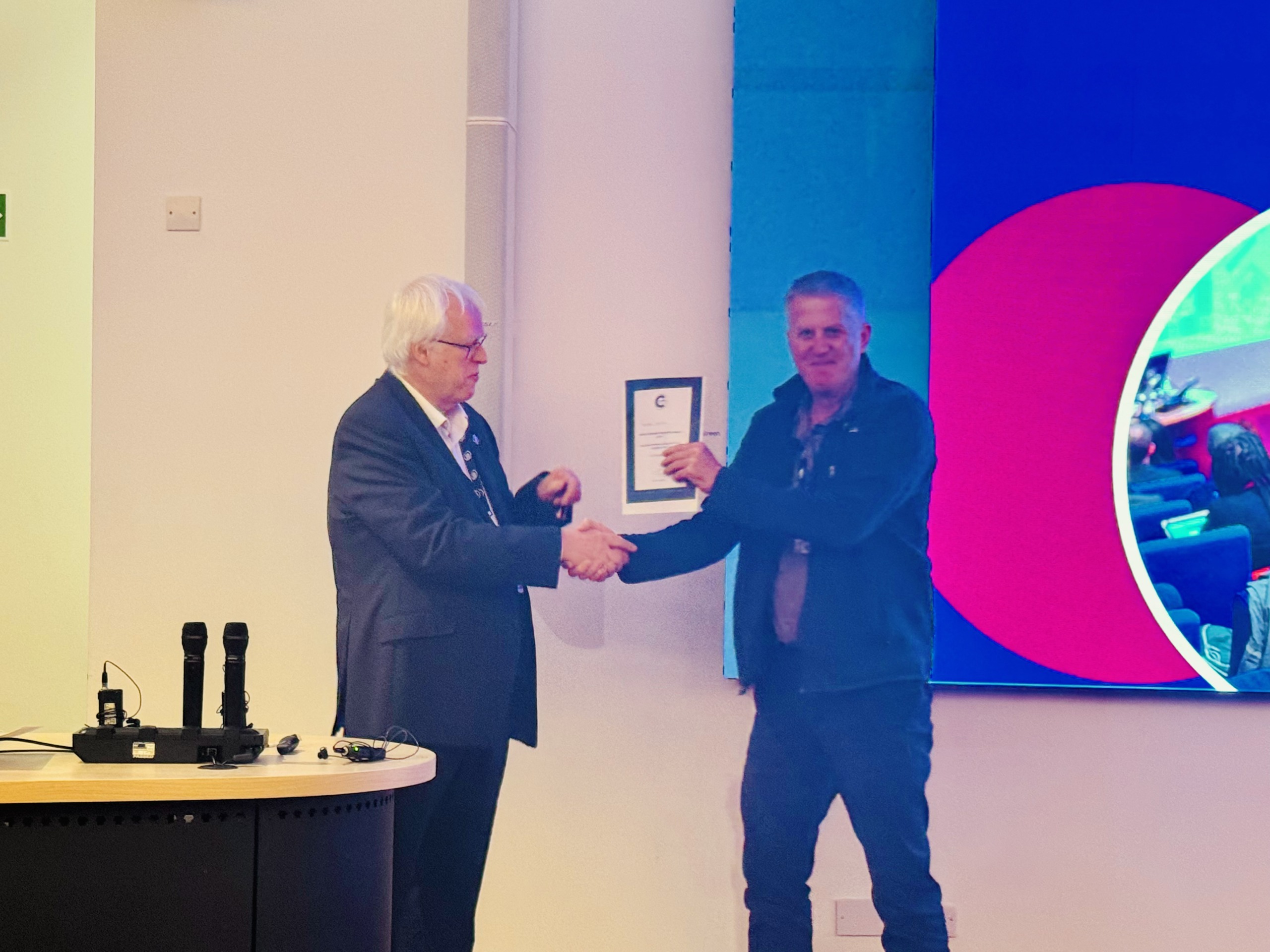
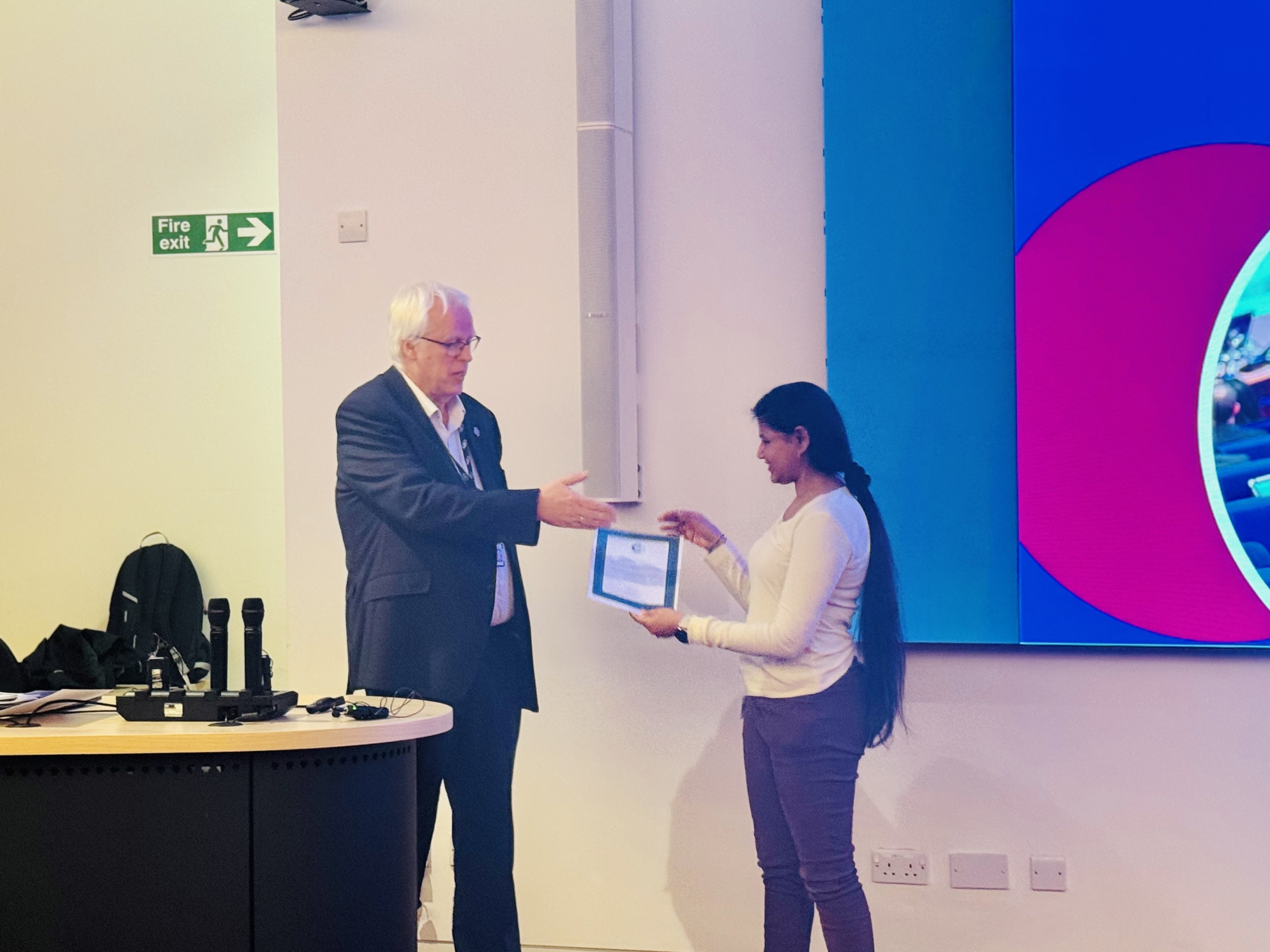
Of course, no symposium would be complete without recognising outstanding contributions. Congratulations to our award winners:
- Main Presentation Award: Thomas Smith, Research student
- 3MT Speedy Presentation Award: Rachel Samson P, Research Fellow in Molecular Bioaerosol Detection
- Poster Presentation Award: Kriti Mukherjee, Research Fellow in Digital Environment
Each of these presenters demonstrated not only strong research, but also the ability to communicate it effectively—something that’s just as important in today’s research landscape.
A personal reflection
Being part of the organising team was both a pleasure and a learning journey. It gave us a deeper appreciation for the effort required to build a thriving research culture, and the impact it can have when done well.
Most importantly, it reminded us that research isn’t just about outputs. It’s about people, connections, and shared growth.
Join us!
If you’re an early career researcher at Cranfield and haven’t yet engaged with the ECRn, this is your invitation.
The network offers more than events, it’s a platform to connect, collaborate, and develop as a researcher. Whether you’re looking to share your work, learn from others, or simply feel part of a community, it’s a great place to start.
To get involved email: ECRnetwork@cranfield.ac.uk
Final thanks
Finally, a huge thank you to everyone who made this symposium possible. To our speakers, presenters, attendees, and especially the ECRn organising team—your efforts made this event what it was.
Special thanks to our team members (in alphabetical order): Marta Sanzo-Miró, Parveen Rupani, Salvador Castillo Girones, Sorachat Chuenwongaroon, Tatiana Stead, William James, Xiaomei Hu



Categories & Tags:
Leave a comment on this post:
You might also like…

Moving to the UK to study? How to plan for banking, exchange rates and transfers
Currency and banking are two of the most practical parts of financial planning for international students. They are also often the most overlooked. We asked Dr Lakshmy Subramanian, Course Director for Cranfield University's Banking, ...

Cranfield: an environment where innovation thrives
The latest Knowledge Exchange Framework rankings from UK Research and Innovation (UKRI) gives an insight into the real and meaningful impact that UK universities have. The seven categories that make up KEF6 cover everything ...
How Cranfield accelerated my career in Logistics and Supply Chain Management
After graduating from the MSc in Logistics and Supply Chain Management at Cranfield University, I've been reflecting on the experiences that made my journey so valuable and the impact it has had on my ...

Mendeley: a powerful tool to organise and manage your references
Are you looking for a way to manage your references, create in-text citations and reference lists for your assignments or thesis? If so, you may wish to consider using Mendeley. What is it? Mendeley is ...

Keen to develop your study skills?
Alongside the technical skills and academic knowledge that you will gain on your course, as a Cranfield student you have the opportunity to develop a range of other skills that can enhance your learning experience. ...

The V-conomy: powering the sixth wave of global economic growth
The world could be on the verge of a major surge in economic growth and development, driven by the convergence of AI and clean energy technology. Waiting to ride the K-wave The Russian ...