


Earth’s silent hero: Why soil is finally stepping into the spotlight
04/12/2025
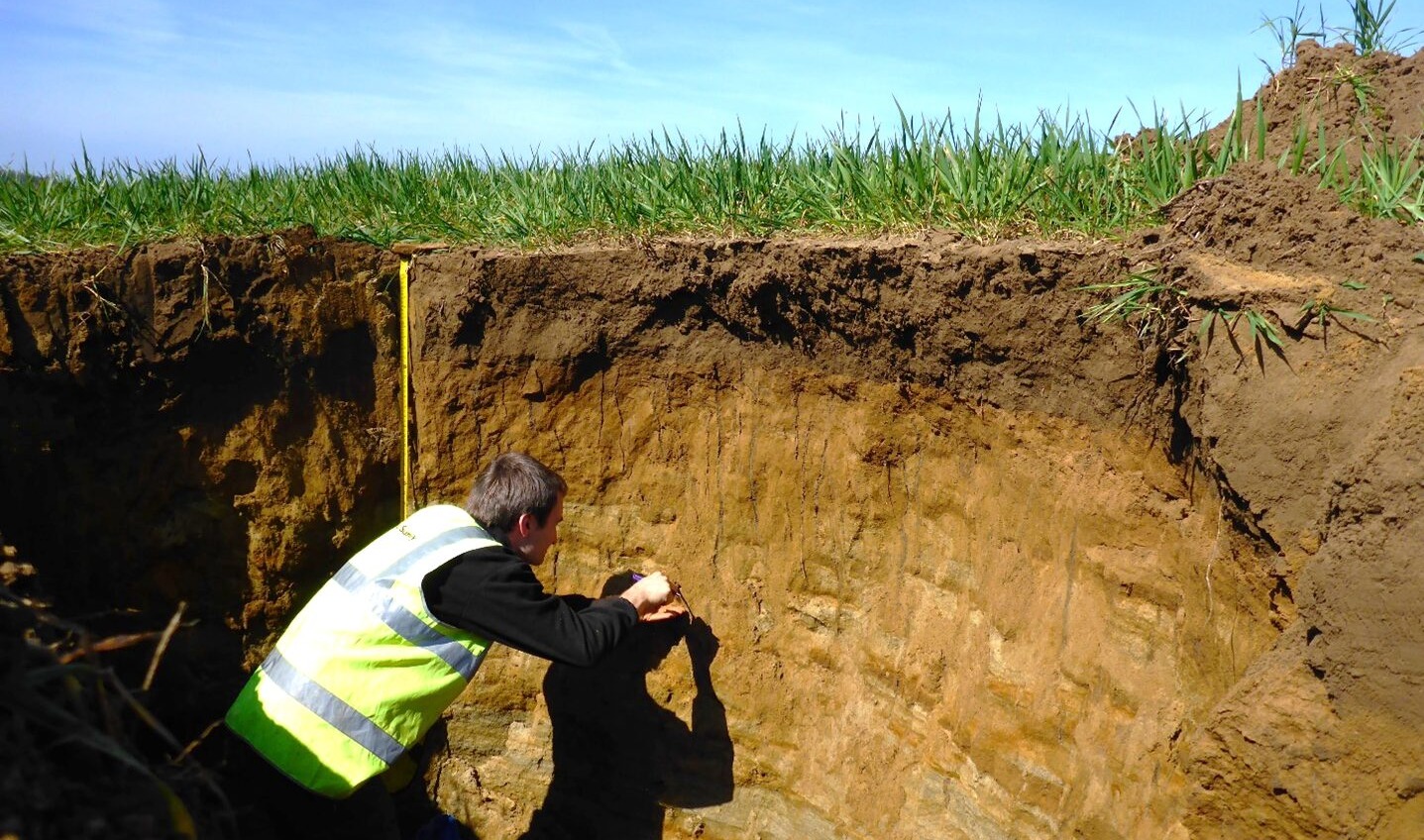
As a Soil Scientist, the start of December is always an exciting time of year, specifically World Soil Day (5 December).
This year, it’s doubly special, because we are also celebrating the 75th Anniversary of the European Journal of Soil Science. Regarded as one of the leading Soil Science journals internationally, and one of the flagship journals of the British Society of Soil Science.
The wake-up call from Natural England’s chair
To mark this milestone, myself, Prof. Jim Harris and Prof. Sacha Mooney of the University of Nottingham had the privilege of inviting Dr Tony Juniper CBE, the Chair of Natural England, to pen a thought-provoking Opinion piece on the role and importance of soils for nature recovery.
He did not disappoint. Dr Juniper, with the support of colleagues at Natural England including Dr Eleanor Reed, has written a compelling message on why soil is the “Cinderella” of environmental science, and why it’s time for it to step into the spotlight.
I also had the pleasure of sitting down with Tony to discuss the points raised in the article, as well as the need for joined-up, multidisciplinary, and multisectoral thinking to safeguard soils for future generations.
The sobering reality: A global crisis beneath our feet
Juniper’s article paints a truly alarming picture:
- As of 2015, one-third of the world’s soils were already degraded.
- Without drastic action, this figure could escalate to 90% by 2050, leading to catastrophic consequences for humanity and our planet’s essential life support systems.
More than just dirt: The power of soil
Soil is so much more than “dirt.” As Juniper elaborates, it is the silent hero of our environment, holding immense potential to solve urgent global challenges and is a:
- Biodiversity hotspot: It’s home to nearly 60% of Earth’s species and underpins the vast majority of land-based ecosystem services.
- Food security: It nurtures 95% of the food we eat.
- Climate and water regulator: Soil regulates water quality and supply, influences flood and drought risks, and even helps regulate our climate.
In short, soil is vital for everything from climate adaptation to nature recovery.
A new vision for soil health
A key message in Juniper’s paper is the demand for a holistic definition of soil health, one that looks beyond just agriculture to acknowledge soil’s diverse roles.
Natural England is actively advocating this new understanding by:
- Advocating for sustainable management practices that respect the natural variability and unique capabilities of different soils.
- Developing clear indicators and national soil maps.
- Offering evidence-based guidance to land managers to protect this invaluable resource.
The economic and environmental opportunity
Soil degradation isn’t just an environmental tragedy; it’s an economic burden, costing England and Wales an estimated £1.2 billion annually through lost crop yields, flood damage, and infrastructure impacts.
The good news? Through sustainable management, like improving soil structure, increasing organic matter, and tailoring land use to soil capability, we can restore soil health and bolster its resilience against climate extremes.
In urban areas as well as rural landscapes, soils can play a transformative role in enhancing biodiversity, reducing flood risks, and even cooling cities.
By seeing soil as a diverse and multifaceted natural resource, we can bring together scientists, landowners, conservationists, and policymakers to improve soil health for the benefit of both nature and people.
Watch a highlight reel of our interview below: The future of soils – In conversation with Dr Tony Juniper CBE, Natural England





Categories & Tags:
Leave a comment on this post:
You might also like…

How do I access the full-text of Harvard Business Review (HBR)?
This is a frequently asked question, and it's worth knowing how to access this key management journal. So, how do you access HBR in full-text? The short answer is via our eJournals finder. You can find ...

Engineering problem to solve? Let Knovel help you find a solution
Did you know that Knovel provides you with more than just eBooks? Knovel is a key database for many engineering, mechanical and materials courses here at Cranfield University, and contains content from an extensive range ...
What happens when female scholars meet influential leaders?
On the 5 March 2026, our British Council Women in STEM Scholars had the privilege of sitting down with two excellent role models of industry and academia: Professor Dame Karen Holford, ...

From MSc to CEO: Igniting a research revolution
For many, a master’s degree is achieving a big milestone. Kilyan Ocampo, Computational Fluid Dynamics alumni shares how studying at Cranfield helped launch his career in the energy sector. Today, Kilyan ...

Commuting, collaborating and growing: My first term experience at Cranfield
My first term at Cranfield University has been an extremely positive and rewarding experience. While the course has been intense at times, it has pushed me in the best possible way and allowed me ...

Sourcing country analysis – a guide to Library sources
For those researching a country, you will find that country information tends to take two forms: Analysis - country reports are descriptive reports covering most areas of interest on a country. They contain an analysis ...
Comments are closed.