

Standing on my soapbox for women in STEM
27/09/2021
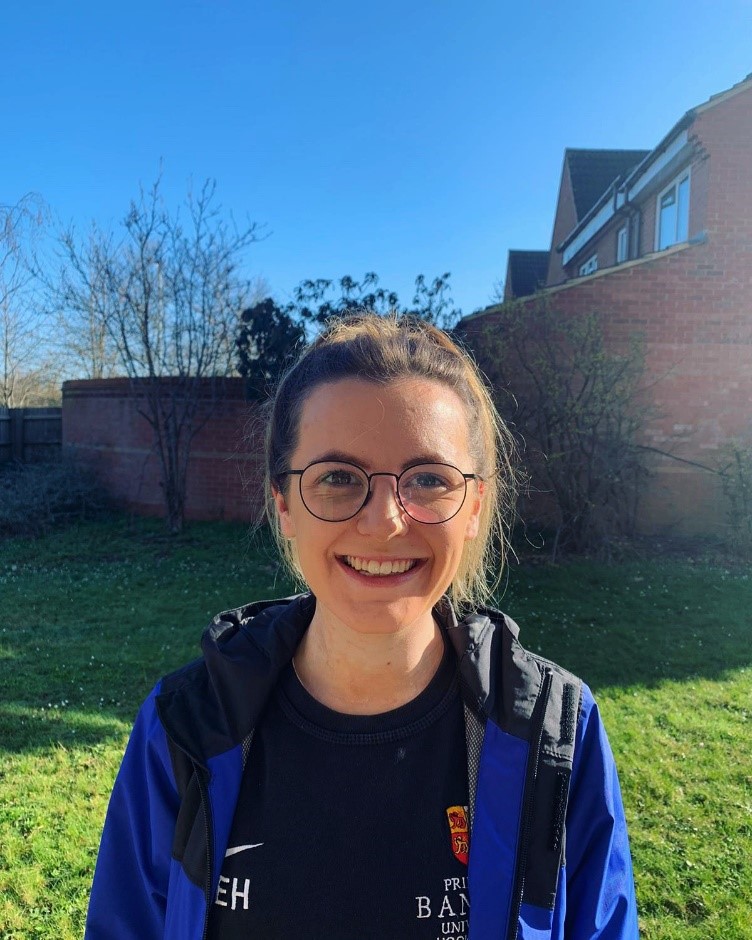
On a notoriously wet lockdown December’s day in 2020, I came across Soapbox Science. A platform promoting women in science? A platform to get my research out to the masses? Yes please. Soapbox Science is an outreach platform based on the format of the speaker’s corner in Hyde Park, London. It allows women and non-binary scientists to share their fascinating science, new discoveries and why science is simply great! I thought I’d give it a try, I’m never one to turn down an opportunity for a chat.
Initially, I had to write a tweet summarising my research. The tweet read:
Let’s revolutionise mining as we know it today! It’s time to utilise the 100,000 past metallurgical sites and deposits across the EU. Metals from old mines could be used for renewable energies including electric vehicles and solar PV. Join me and my PhD journey to change the world one mine at a time.
It worked! I was invited to be a speaker at Soapbox Science MK 2021. Twelve scientists have been chosen and I was one of them. The next step is media training. We all got together and had a seminar with a top BBC Media bod. He had done some big BBC shows and was very insightful. I know I find my project interesting, but this training made me realise how I could make it interesting to other people.
It was now time to put what I had learnt into practice. I needed to make a two-minute promo video. A two-minute video to introduce my research, to encourage people to listen to more, and to promote myself and science. All without the assistance of PowerPoint. I headed to my garden, got a cup of dirt, found a bit of metal floating around in the garage, got my laptop and I was set, raring to go. Talking into your phone by yourself was a strange experience. It took many attempts before I recorded the one. The one with no mistakes and one where I didn’t drop the cup of soil. Time to submit and wait for my feedback.
We watched each speaker’s video one by one and gave feedback. All Soapbox speakers, the Soapbox committee, and a top BBC Media expert. It felt savage. I had never received feedback like this before. The variety of talks is vast, from artificial intelligence to diseases in wheat to obviously metal recovery from mines. It was humbling to know I wasn’t the only getting feedback this way. The response was positive. Apparently, I am engaging and passionate about my research, who would’ve thought! Six months into my PhD and I had already started establishing myself as a bit of a public speaker. I had not imagined I’d be doing this a year ago.
As the event draws closer, the promo increases. Alongside our promo videos, we have a bio to explain a bit of our background as scientists and what we do for fun. My bio is as follows:
I am a second-year PhD student at Cranfield University. I am researching environmentally friendly avenues to recover metals from historic industrial sites for potential renewable energy technologies. I enjoy environmental science because it draws from different aspects of science e.g., biology, chemistry, geology, and soil science, and it requires creative problem-solving skills. Environmental science is important because there is no ‘planet B’ so let’s rescue this one! Outside of science, I am a keen rower and dabble in cross fit.
The bios and videos were posted by Soapbox Science on social media. My own circle of friends and family don’t fully understand what I do day-to-day so, I decided to share it on my own social media platforms. To my amazement, they actually find it interesting and have booked it into their diaries to stream!
So, save the date Thursday 14 October 2 pm, to live stream six top-quality scientists covering some top-quality content!
My promo video:

Categories & Tags:
Leave a comment on this post:
You might also like…
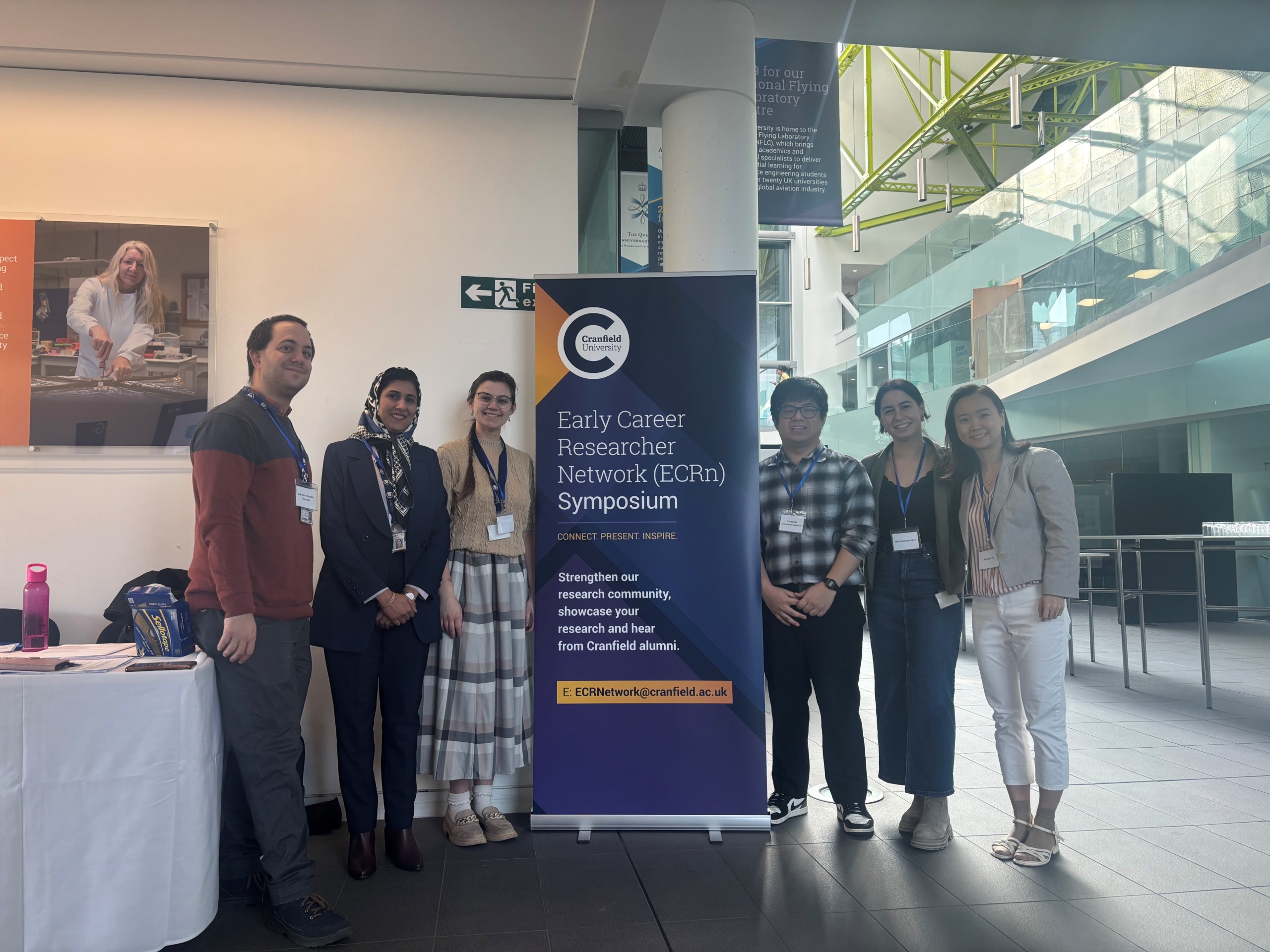
Building more than research: Reflections from the ECRn Symposium 2026
There’s something quietly powerful about a room full of early career researchers. Not just the ideas, although there were plenty of those—but the conversations, the curiosity, and the sense that everyone is figuring things ...
Library services over Easter, 3-6 April
Kings Norton Library will remain open for study 24/7. You will need your University ID card to enter the building and can use the self-service machines to borrow and return items as usual. Barrington Library ...

How do I access the full-text of Harvard Business Review (HBR)?
This is a frequently asked question, and it's worth knowing how to access this key management journal. So, how do you access HBR in full-text? The short answer is via our eJournals finder. You can find ...
Engineering problem to solve? Let Knovel help you find a solution
Did you know that Knovel provides you with more than just eBooks? Knovel is a key database for many engineering, mechanical and materials courses here at Cranfield University, and contains content from an extensive range ...
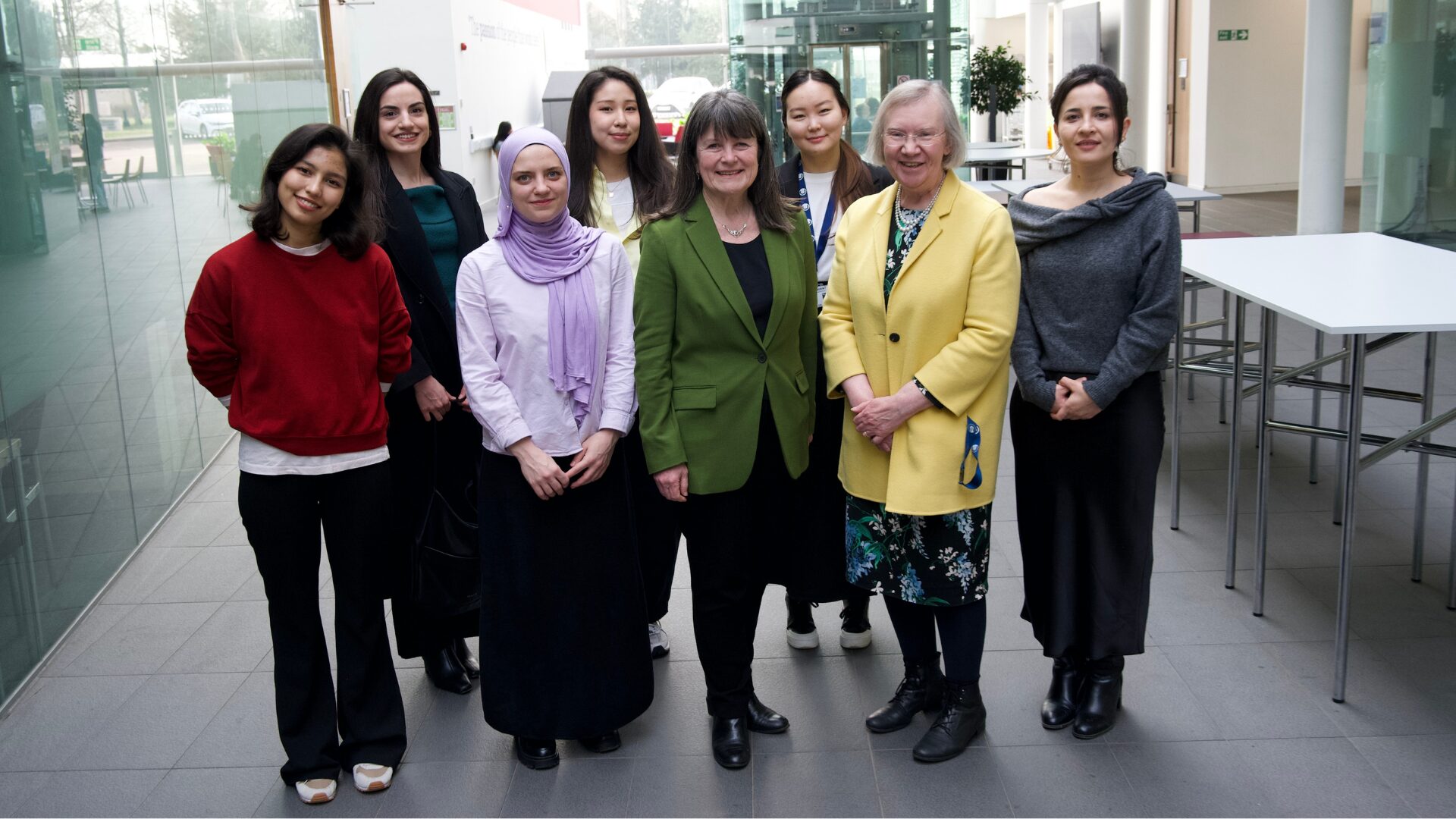
What happens when female scholars meet influential leaders?
On the 5 March 2026, our British Council Women in STEM Scholars had the privilege of sitting down with two excellent role models of industry and academia: Professor Dame Karen Holford, ...
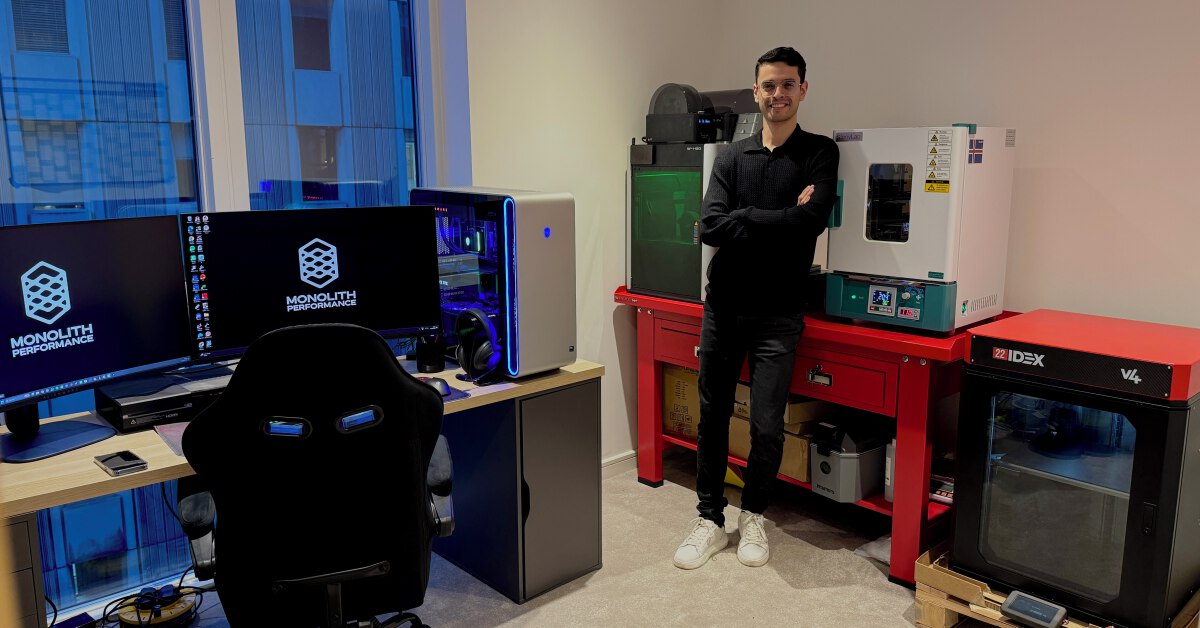
From MSc to CEO: Igniting a research revolution
For many, a master’s degree is achieving a big milestone. Kilyan Ocampo, Computational Fluid Dynamics alumni shares how studying at Cranfield helped launch his career in the energy sector. Today, Kilyan ...