

Empower your curiosity
07/08/2025
Curiosity isn’t just a desire to know; it’s that itch to dig deeper, to ask “why” and “how” until things make sense. It’s what sent humans to the Moon and sparked scientific breakthroughs. For me, curiosity means never stopping at surface-level explanations. It’s the engine that makes learning exciting and turns challenges into invitations to explore.
What lights my curiosity?
It clicked for me early on that almost everything we rely on, cars, microwaves, planes, even the heating in winter, exists because engineers imagined and built solutions. That simple realisation still fires me up: technology isn’t just cool gadgets; it’s a tool for making life safer, more comfortable and sustainable. When I see a device improve someone’s day, my mind races with questions. How do those gears work together? What makes an electronic circuit so powerful? Why does one design succeed while another fails? This natural inquisitiveness drives me to understand, tweak and improve the world around me.
This mindset becomes especially energising when something goes wrong. In one undergraduate project at Cardiff University, our robotic vehicle refused to go straight. Instead of giving up, I tackled it like a mystery novel: could the sensors be misreading the environment? Did we introduce a bug in the code? Were the wheels misaligned? Each possibility led me down a new path, taught me new techniques, and reinforced the idea that curiosity and resilience go hand in hand. When I face a challenge, I see not frustration but a chance to learn.
Finding Mechanical Engineering
My path into mechanical engineering began with a small water pump I saw on a trip to a rural area. Nothing fancy, just some metal, gears and physics, but it delivered clean water and improved lives immeasurably. That moment made it clear that engineering solutions have a direct impact on people. From then on, I became the kid who opened up appliances to see what was inside. That urge to touch, tinker and understand naturally steered me toward mechanical engineering, where physical systems and creative problem-solving collide.
Studying mechanical engineering has only deepened that curiosity. It’s a field that spans nano-materials, energy systems, robotics and everything in between. One week, I’m learning how materials behave at micro scales; the next, I’m calculating energy flows in large renewable systems. The beauty is that these aren’t just abstract theories; what I learn in a lecture can be applied in a lab or workshop to build something real. That blend of theory and hands on application keeps me hooked.
Curiosity in practice at Cranfield
At Cranfield University, curiosity isn’t just encouraged, it’s a way of life. One of the most rewarding experiences was collaborating with Network Rail on a group project. Our task was to assess the carbon footprint of road-rail vehicles (RRVs) machines that travel on both roads and railway tracks and to build a method for estimating their emissions. We spent months digging into over 750,000 shift records, analysing how machine types, work activities, and client roles affected fuel use. Each insight raised new questions: How do different tasks affect energy use? What happens when data is incomplete? Using a mix of real-world data, engine specs, and emission factors, we built a model that helps Network Rail better understand and eventually cut these hidden emissions. In the end, we created a detailed model and a roadmap to cut emissions, aligning with Network Rail’s goal of a net-zero railway by 2050. The project showed me how curiosity and engineering skills can contribute to a national sustainability goal.
My individual thesis project with Nissan takes this curiosity into the future. I’m investigating innovative uses for vehicle to grid (V2G) technology, where electric vehicles don’t just draw power from the grid but can also send electricity back. Nissan’s recent announcement that it will introduce affordable bidirectional charging on select EV models starting in 2026 makes this research particularly timely. V2G systems could allow owners to power their homes or support the grid during peak demand.
The focus of my research is to investigate how different configurations of home energy systems, such as existing solar PV, home batteries, and smart charging, interact with V2G systems. That means reading not only engineering papers but also energy policies, market analyses and software algorithms for optimising charging schedules. It’s an interdisciplinary puzzle, part mechanical, part electrical, part economic, and that complexity is precisely what keeps me engaged. Knowing that the technology is moving from research to reality in the next few years adds urgency and excitement.
Cranfield’s environment amplifies this spirit. Professors and industry mentors challenge us to dig deeper while giving us the freedom to chase promising ideas. My classmates come from diverse backgrounds, so conversations after class often spark new questions and perspectives. The culture here rewards asking, “what if” and “why not,” which fuels our collective curiosity.
Looking ahead
As I reflect on this journey, I see curiosity as my constant companion. It’s what made me take apart appliances as a kid, what motivates me to comb through research papers today and what will keep me learning long after I graduate. In a rapidly evolving field like engineering, that trait isn’t optional; it’s essential. New challenges like climate change, sustainable energy and artificial intelligence demand fresh ideas and relentless questioning. Curiosity empowers me to face problems not with dread but with optimism that answers exist if we keep searching.
If there’s one lesson I’d share, it’s this: Embrace your curiosity. Ask yourself what makes you wonder, and then follow that thread. Whether you’re an engineer, an artist or a manager, asking questions means you’re always growing, constantly adapting and always ready to make a positive impact. That’s not just good for your career; it’s good for the world.


Categories & Tags:
Leave a comment on this post:
You might also like…

How do I access the full-text of Harvard Business Review (HBR)?
This is a frequently asked question, and it's worth knowing how to access this key management journal. So, how do you access HBR in full-text? The short answer is via our eJournals finder. You can find ...
Engineering problem to solve? Let Knovel help you find a solution
Did you know that Knovel provides you with more than just eBooks? Knovel is a key database for many engineering, mechanical and materials courses here at Cranfield University, and contains content from an extensive range ...
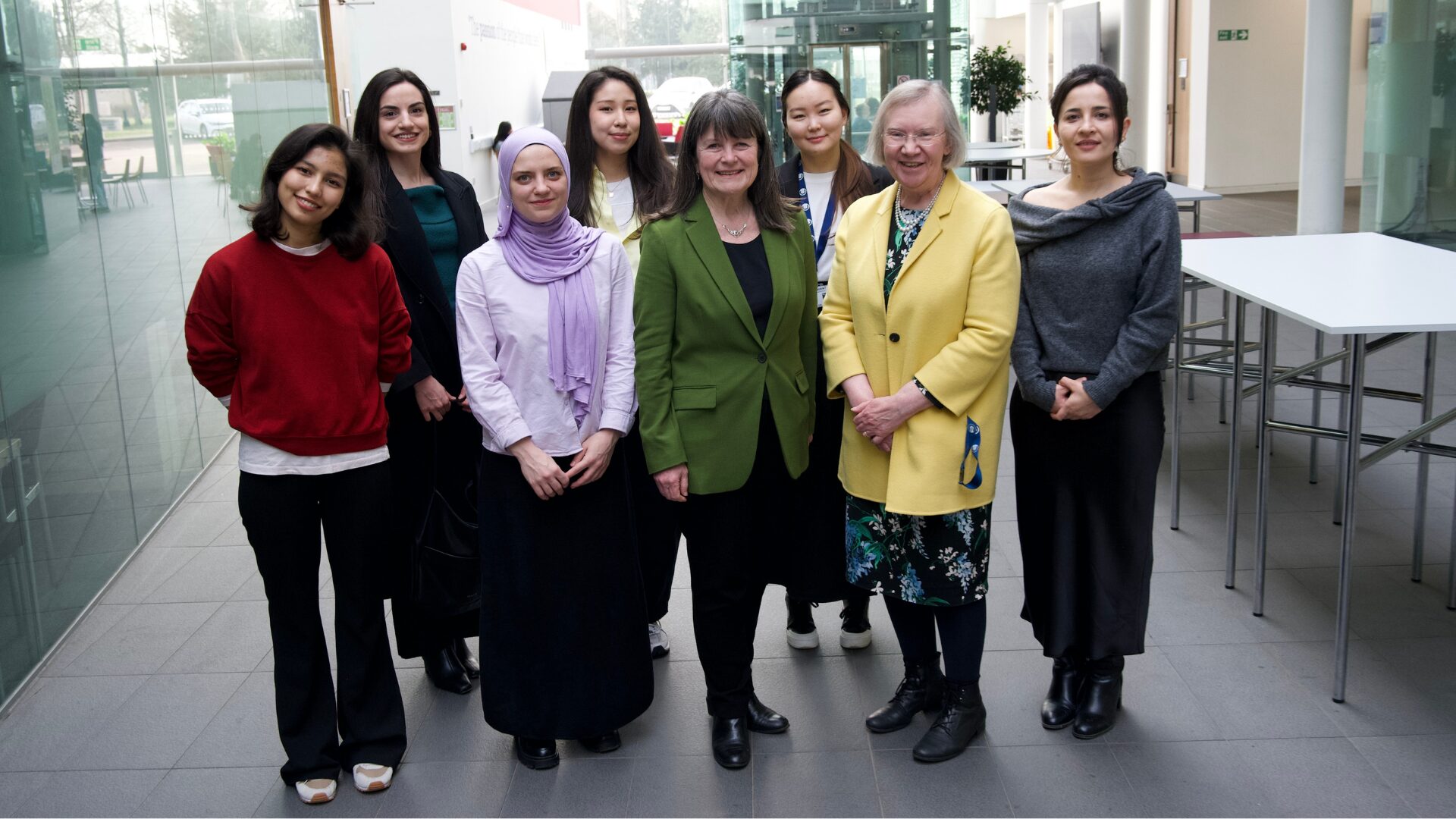
What happens when female scholars meet influential leaders?
On the 5 March 2026, our British Council Women in STEM Scholars had the privilege of sitting down with two excellent role models of industry and academia: Professor Dame Karen Holford, ...
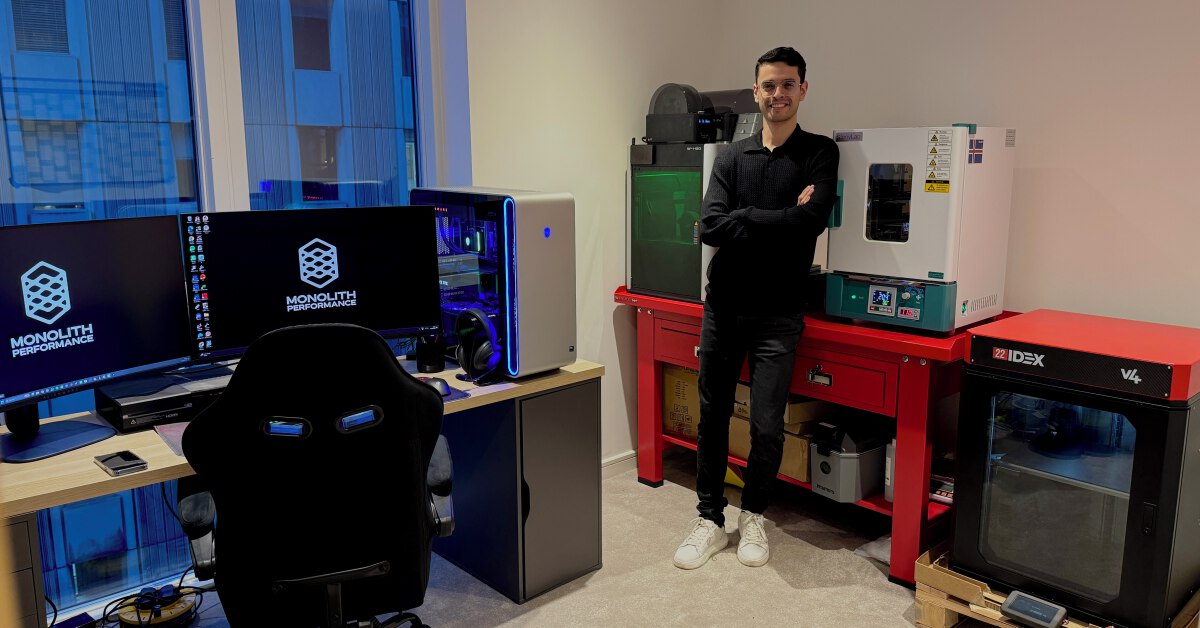
From MSc to CEO: Igniting a research revolution
For many, a master’s degree is achieving a big milestone. Kilyan Ocampo, Computational Fluid Dynamics alumni shares how studying at Cranfield helped launch his career in the energy sector. Today, Kilyan ...
Commuting, collaborating and growing: My first term experience at Cranfield
My first term at Cranfield University has been an extremely positive and rewarding experience. While the course has been intense at times, it has pushed me in the best possible way and allowed me ...

Sourcing country analysis – a guide to Library sources
For those researching a country, you will find that country information tends to take two forms: Analysis - country reports are descriptive reports covering most areas of interest on a country. They contain an analysis ...
Comments are closed.