


Unlocking Innovation: The Power of Design Thinking at Cranfield
03/12/2024

Design thinking is more than a methodology—it’s a mindset that tackles real-world problems with innovative solutions. By blending creativity, technology, and strategic thinking, this approach empowers individuals and industries to address complex challenges effectively. At Cranfield University, the Design Thinking MDes exemplifies this essence by fostering an environment where diverse minds collaborate to shape transformative solutions.
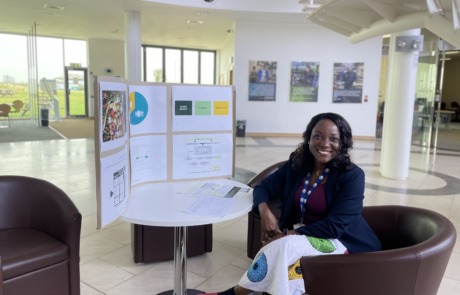
A diverse community of innovators
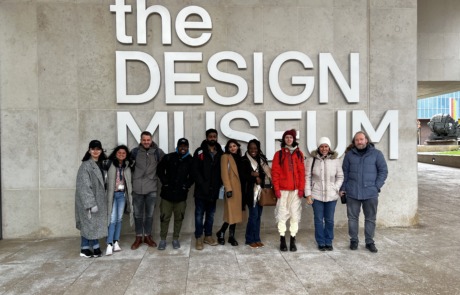
The course attracts a dynamic cohort of students from across the globe, creating a melting pot of ideas, perspectives, and expertise. Whether entrepreneurs, designers, or strategic business developers, the participants share a common drive to push boundaries, challenge norms, and explore new opportunities. This diversity fuels rich collaboration, enabling students to innovate holistically.
Strategic design at Cranfield
Cranfield stands out for its commitment to academic excellence, state-of-the-art facilities, and strong ties with industry. Its multidisciplinary approach ensures that students not only learn theory but also immerse themselves in hands-on, practical applications. Cranfield’s ability to bridge academic rigour with real-world relevance makes it the ideal choice for student’s looking to expand their expertise.
Learning by doing
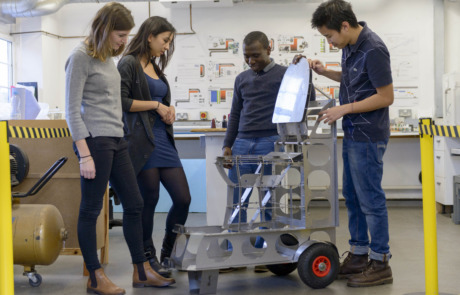
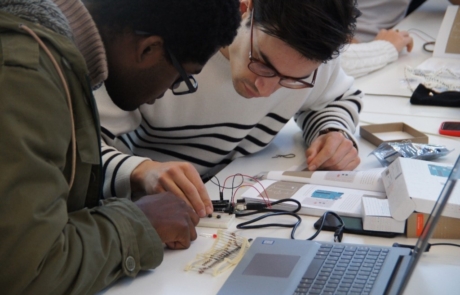
The course structure combines lectures, theoretical applications, and practical exercises. Each module culminates in individual or group projects, often developed in partnership with industry leaders. These projects, designed to solve real client challenges, expose students to diverse disciplines and foster teamwork. This dual learning approach benefits both students and industry, ensuring the solutions are grounded in practicality and innovation.
Industry at the core
Cranfield’s close ties with industry are central to the programme’s success. Events like Meet the Designer and Meet the Manufacturer provide students with invaluable insights into the real-world processes of design and production. Moreover, the involvement of practicing professionals and leading researchers as faculty ensures students gain cutting-edge knowledge and skills that are immediately transferable to their careers.
Equipping students for the future
Graduates of the Design Thinking MDes course leave with a versatile skill set, opening doors to roles in creative management, engineering, and directorial positions across industries. By emphasising iterative design processes, rapid prototyping, and collaborative problem-solving, the programme equips students to develop real innovations that address real challenges.
A hub for creative excellence
At the heart of Cranfield is the Centre for Design Engineering, a space dedicated to fostering creativity, strategy, and innovation. From traditional workshops to advanced prototyping tools, the centre provides students with everything they need to refine their ideas and bring concepts to life. This hub acts as a bridge between academia and industry, creating a seamless flow of knowledge and innovation.
Cranfield’s Design Thinking MDes course embodies the future of problem-solving and innovation. By integrating creativity, technology, and strategic partnerships, it empowers students to become leaders in tackling the complex challenges of tomorrow. Whether shaping new products, services, or systems, graduates are equipped to drive meaningful change in industries worldwide.



Categories & Tags:
Leave a comment on this post:
You might also like…

How do I access the full-text of Harvard Business Review (HBR)?
This is a frequently asked question, and it's worth knowing how to access this key management journal. So, how do you access HBR in full-text? The short answer is via our eJournals finder. You can find ...

Engineering problem to solve? Let Knovel help you find a solution
Did you know that Knovel provides you with more than just eBooks? Knovel is a key database for many engineering, mechanical and materials courses here at Cranfield University, and contains content from an extensive range ...
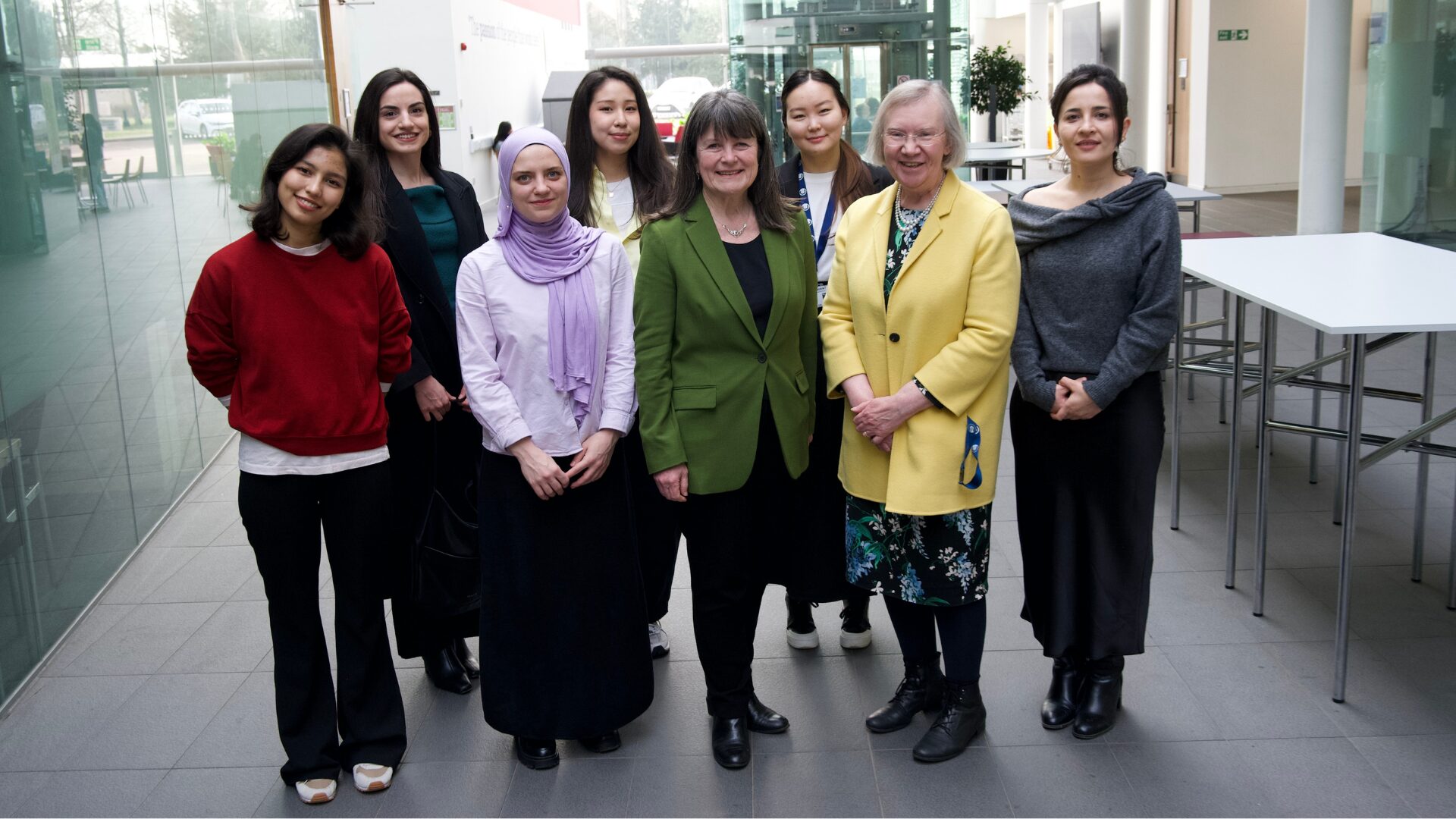
What happens when female scholars meet influential leaders?
On the 5 March 2026, our British Council Women in STEM Scholars had the privilege of sitting down with two excellent role models of industry and academia: Professor Dame Karen Holford, ...
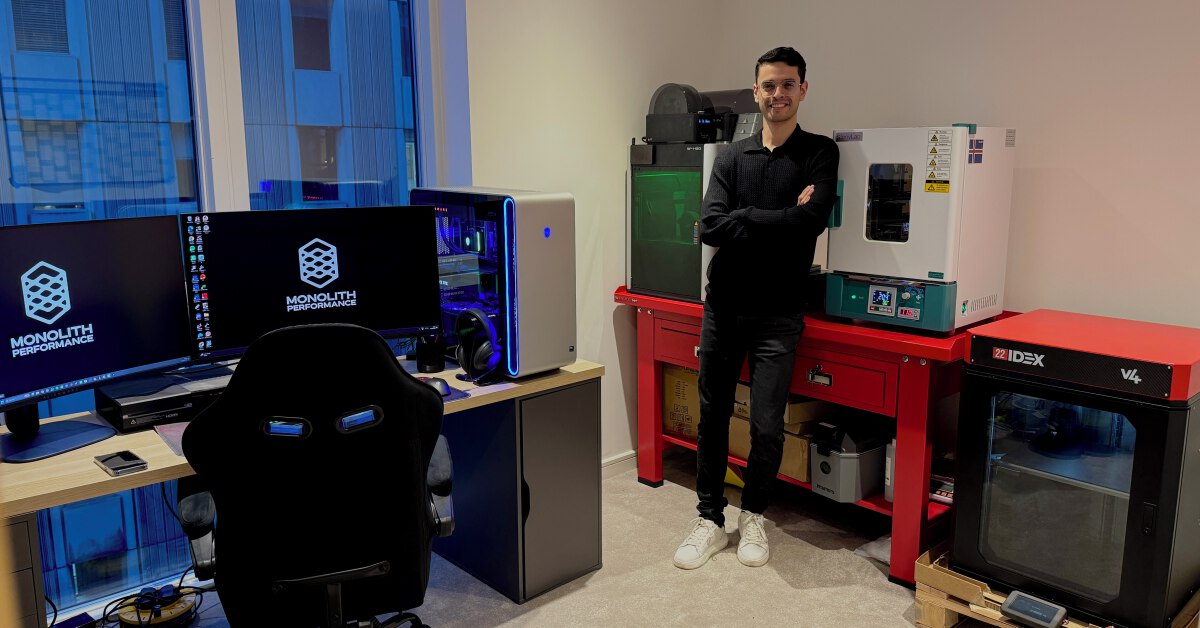
From MSc to CEO: Igniting a research revolution
For many, a master’s degree is achieving a big milestone. Kilyan Ocampo, Computational Fluid Dynamics alumni shares how studying at Cranfield helped launch his career in the energy sector. Today, Kilyan ...

Commuting, collaborating and growing: My first term experience at Cranfield
My first term at Cranfield University has been an extremely positive and rewarding experience. While the course has been intense at times, it has pushed me in the best possible way and allowed me ...

Sourcing country analysis – a guide to Library sources
For those researching a country, you will find that country information tends to take two forms: Analysis - country reports are descriptive reports covering most areas of interest on a country. They contain an analysis ...