


Guest Entrepreneurship Speaker Series Autumn 2021
26/11/2021

Vincent Choi Cranfield MBA 2011: Insights from the Frontline
On Thursday 11 November we were delighted to host Cranfield MBA Vincent Choi to kick off our Autumn 2021 Guest Speaker series. After so many months of Zoom presentations, it was fantastic to have Vincent join us in person, fresh off the plane from Singapore. Vincent had taken time out of his busy role as co-founder and CEO of Pomelo Pay to share some of what he has learned from his entrepreneurial journey – specifically to give tips and demolish myths about what it takes to build a high-growth business funded by venture capital.
Vincent began his career as a Chartered Accountant, working for Deloitte and Macquarie Bank before taking a year out to study at Cranfield. He had no background in family business or entrepreneurship, but the MBA proved a turning-point in his life, boosting his confidence that he could carve out a career as a business founder. His business, Pomelo Pay, is a mobile payments company that helps merchants process transactions without the need to invest in additional hardware. Vincent and his co-founders did not start Pomelo straight away after he finished at Cranfield. Initially, they provided software solutions to other companies operating in fintech, before concluding that they had the skills and experience to do something similar on their own account. And so, in 2017, Pomelo was born in London and has grown from three founders to 60 staff operating in eleven countries.
Tips for fellow-founders
From his hard-won experience, Vincent shared the following tips:
#1: Build the team. It’s rare for a single founder to have all the skills and competencies required to make the dream a reality. Assembling the right talent may take time, but there are no short-cuts.
#2: Create a Shareholders’ Agreement that’s fit for purpose, using the best legal expertise available. It’s important to understand the difference between a fair and equitable split of shareholding at the outset, and the requirement for those shares to vest over time as the venture progresses. The right structure avoids a messy situation, such as a founding shareholder who leaves the business after six months keeping a large percentage holding, which can deter future investors from putting their money in.
#3: You may have every confidence in your business, but don’t over-sell the business to investors. If you can’t keep your promises, these may well come back to haunt you.
#4: Take care to build your board[s] of directors, and use them well. When you are deeply immersed in your business, they will see the wood for the trees. Vincent said that he regretted not paying more attention to creating an Advisory Board. There are experienced people out there who will be keen to help you succeed.
#5: Securing money is great, but it doesn’t solve every problem.
#6: Your business cannot do everything. It’s important to rule certain things out early on, so you can focus on the opportunity.
Myth-busting
In the second half of his presentation, Vincent addressed some of the myths around start-ups and VC investment:
Myth #1: Processes are only for corporates. Vincent argued that processes and systems should be embedded early in a company’s life, so that activities such as sales are not continually reinvented.
Myth #2: VCs care only about sales and profit. He shared with us the highly insightful “ladder of proof”, which charts the sequence of evidence that makes a compelling and investible proposition. The bottom rungs of the ladder are the foundations of a sustainable business, such as a credible team and an addressable opportunity. Further up the ladder are the rungs of capabilities and partner relationships that make the business viable, and at the top are the revenues which are the outcome of everything that has come before.
Myth #3: You have to grow locally, before you can cross borders. Pomelo was born global. It is headquartered in London, where it raises money, but its key markets extend across south and east Asia, from the Maldives to the Philippines. A good idea has legs of its own.
Vincent’s insights derive from several rounds of angel and VC funding. In the most recent raise, Pomelo secured $10 mn and is on course to expand operations to over 20 countries next year. In 2023, Vincent and his team aim to be present in 34 countries, with the goal of processing in excess of $10bn of payments across both European and emerging markets.

Categories & Tags:
Leave a comment on this post:
You might also like…

How to present well as a group
You will have put a lot of work into your research or group project and want to show everyone what you have achieved or discovered, so you need to impart this knowledge as clearly as ...
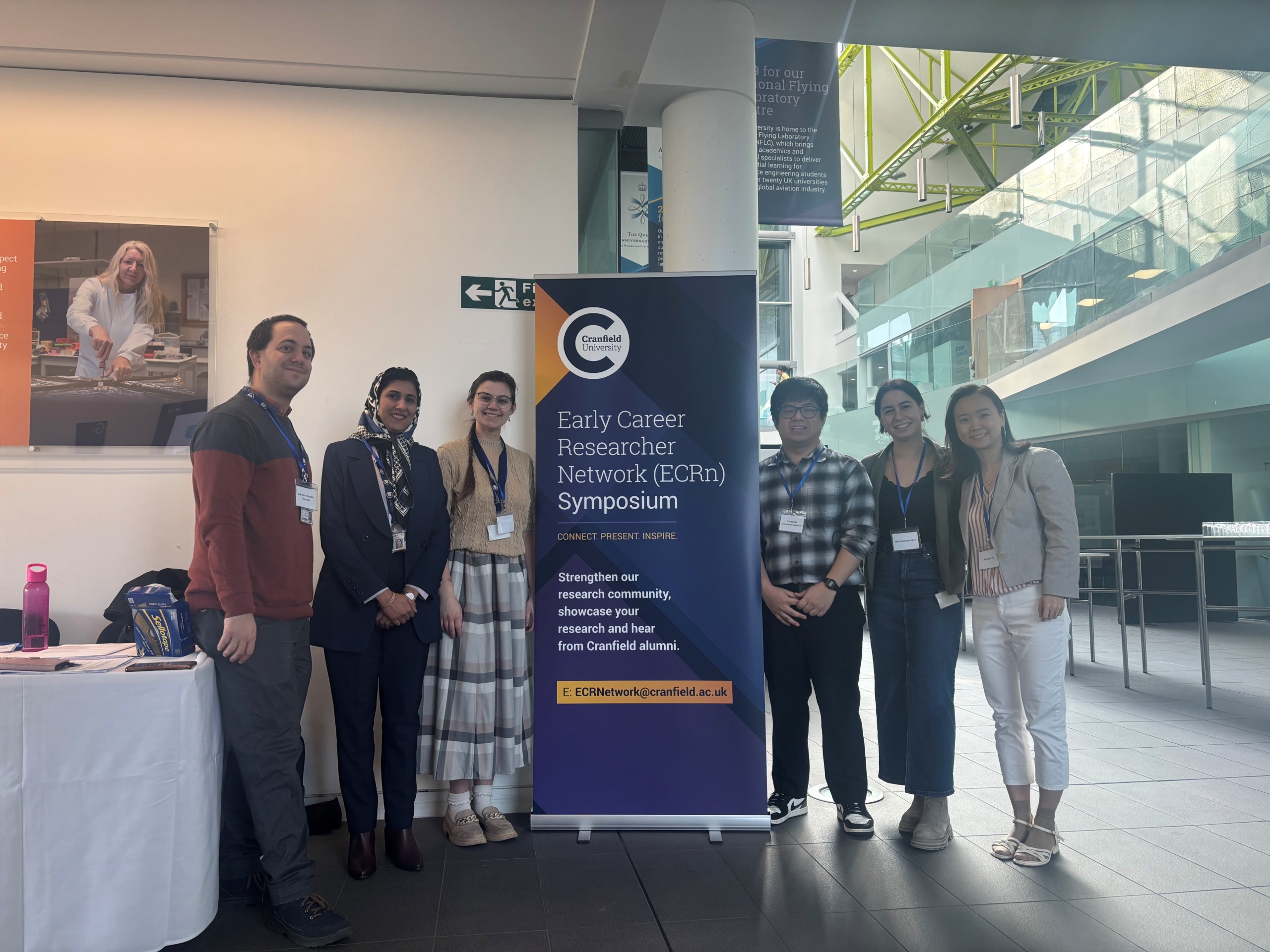
Building more than research: Reflections from the ECRn Symposium 2026
There’s something quietly powerful about a room full of early career researchers. Not just the ideas, although there were plenty of those—but the conversations, the curiosity, and the sense that everyone is figuring things ...

Library services over Easter, 3-6 April
Kings Norton Library will remain open for study 24/7. You will need your University ID card to enter the building and can use the self-service machines to borrow and return items as usual. Barrington Library ...

How do I access the full-text of Harvard Business Review (HBR)?
This is a frequently asked question, and it's worth knowing how to access this key management journal. So, how do you access HBR in full-text? The short answer is via our eJournals finder. You can find ...

Engineering problem to solve? Let Knovel help you find a solution
Did you know that Knovel provides you with more than just eBooks? Knovel is a key database for many engineering, mechanical and materials courses here at Cranfield University, and contains content from an extensive range ...

What happens when female scholars meet influential leaders?
On the 5 March 2026, our British Council Women in STEM Scholars had the privilege of sitting down with two excellent role models of industry and academia: Professor Dame Karen Holford, ...