


National Flying Laboratory Centre student experience flight: A must for aeronautics students.
14/09/2020
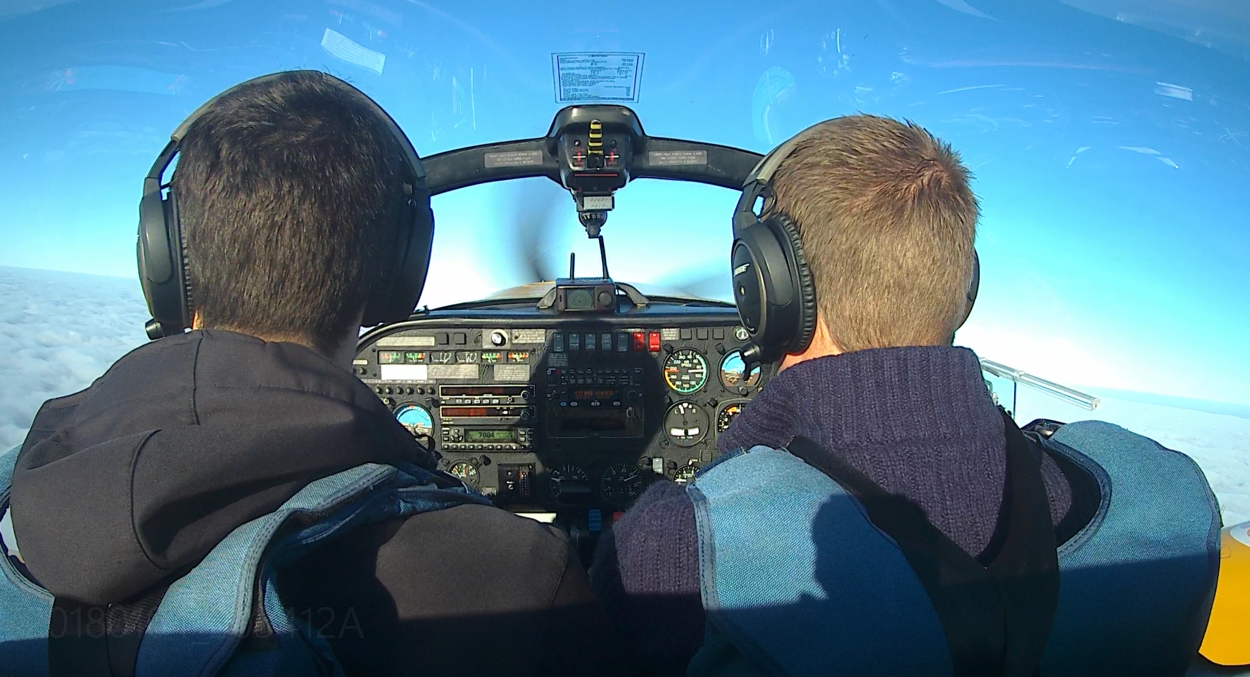
Students on selected Cranfield aerospace MSc courses are able to participate in this practical experience of flight to complement their MSc studies.
Built upon the theories of aerodynamics, the effects of controls and the effect of gravity on the human body, the experience introduces you to the concepts of spatial disorientation, human factors in complex systems and how aircraft, airfields and airspace are organised to enhance the safe operation of aircraft.
At the end of the flight, you will have gained a practical understanding of the theory of powered flight and an appreciation of the controls of an aircraft.
Dominic Schmid, Aerospace Dynamics MSc student, provides us with a personal insight into his experience.
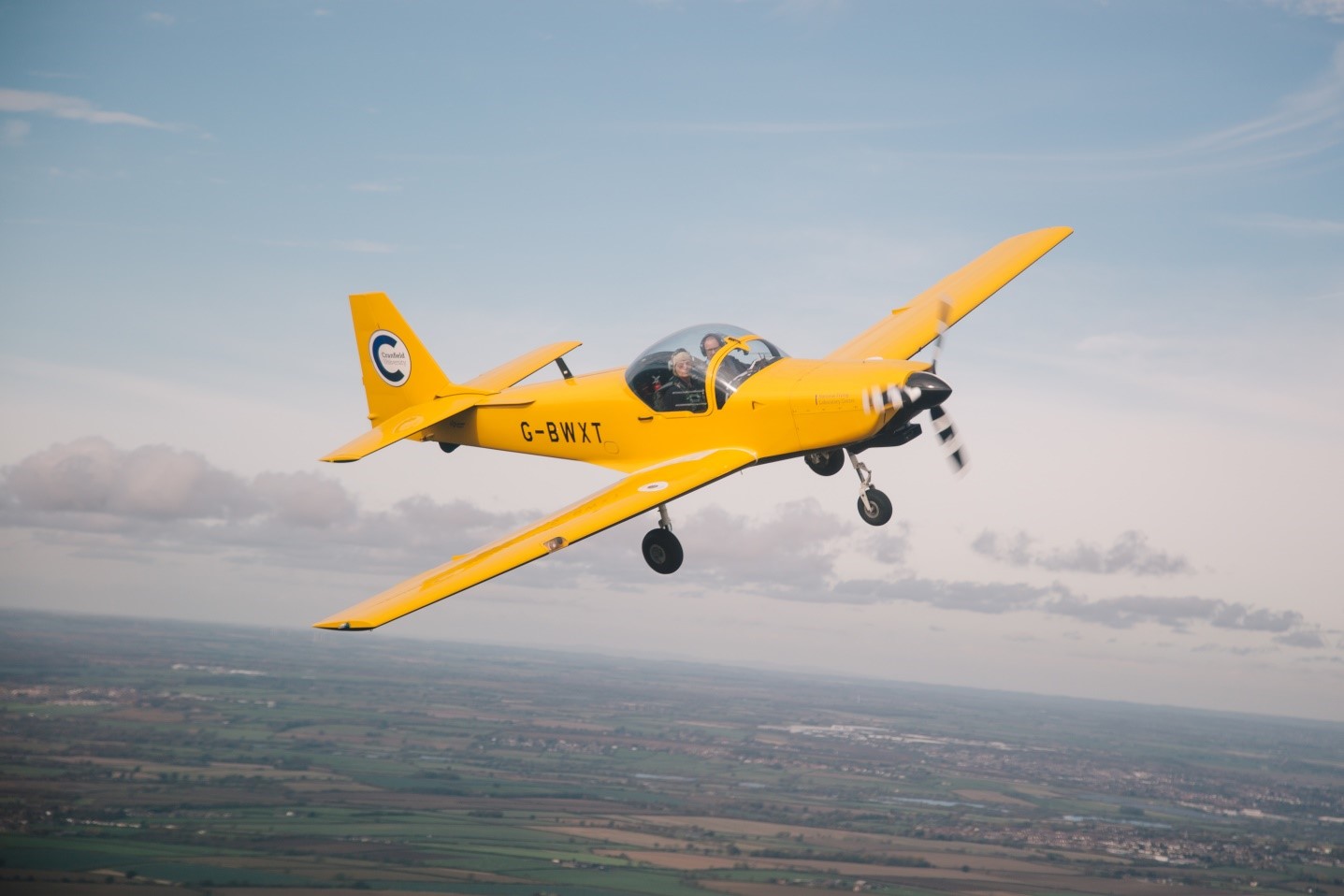
^ Image: Cranfield University’s Slingsby T67
“As we lined up on the Cranfield Airport runway and I gently moved the throttle to the front panel I knew I was in serious emotional trouble! For me this student experience flight was an experience to remember and confirmation for my understanding of the theory from my Aerospace Dynamics MSc studies.
It was a cold but sunny January morning when I met Senior Pilot Rob Harrison in the briefing room to prepare. After the safety instructions and pre-flight check we took the Slingsby T67, a former Royal Air Force trainer, to Run-up 21. The reason I felt emotional, even before take-off, was the roaring and the feel of pure power from a massive 6-cylinder Lycoming engine.
As an already licensed aerobatic private pilot, I know that only excess power can make flying an even better experience – a fact which would be confirmed during the next 40 minutes. As we lined up, released the brakes and opened the throttle, the Slingsby started to accelerate madly. We climbed at what felt to be a steep climb altitude but when I watched the Go-Pro footage back shortly after take-off we were still over the runway – but 3000 feet above it! Rob then illustrated to me the control and stability characteristics of the Slingsby which confirmed my understanding from my studies.
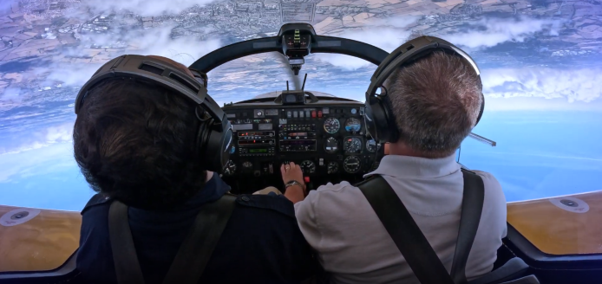
I experienced several enlightened moments and the flight definitely helped me understand some of the topics better. Rob gave me the controls of the aircraft and I could do whatever I wanted. I took the Slingsby to a series of epic loops and barrel rolls and had as much fun as one can possibly have. After a 40 minute flight we had to return to Cranfield Airport. For me the NFLC student experience flight was great fun with a big learning outcome. “
Find more details about Aerospace Dynamics MSc at: www.cranfield.ac.uk/Courses/Taught/Aerospace-Dynamics

Categories & Tags:
Leave a comment on this post:
You might also like…
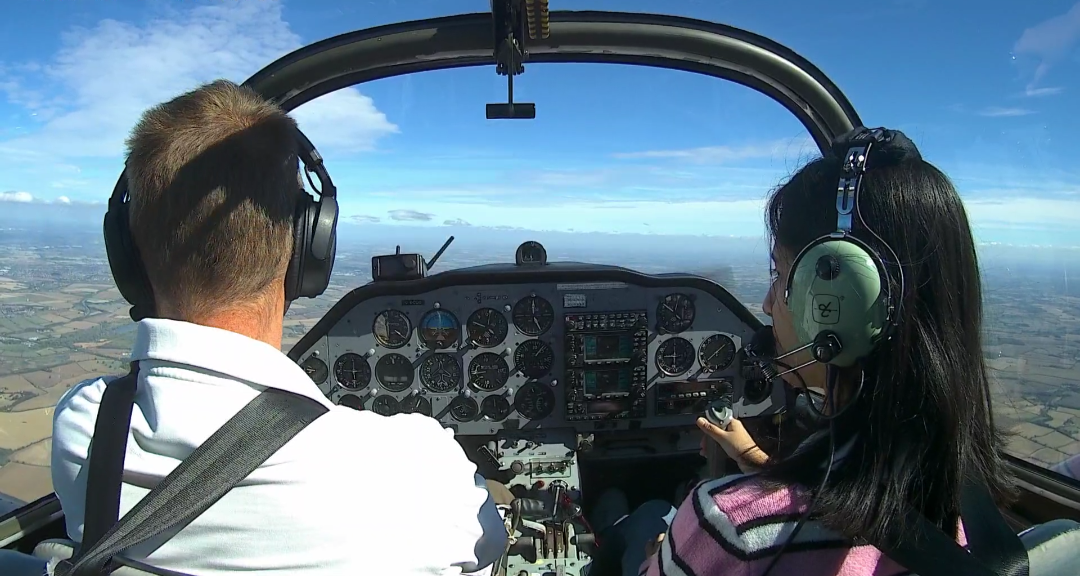
My aerospace vehicle design journey at Cranfield
In 2007, I watched the Airbus A380 land in Delhi for the very first time. I was just a kid in India, and it was the biggest passenger plane in the world. I asked ...
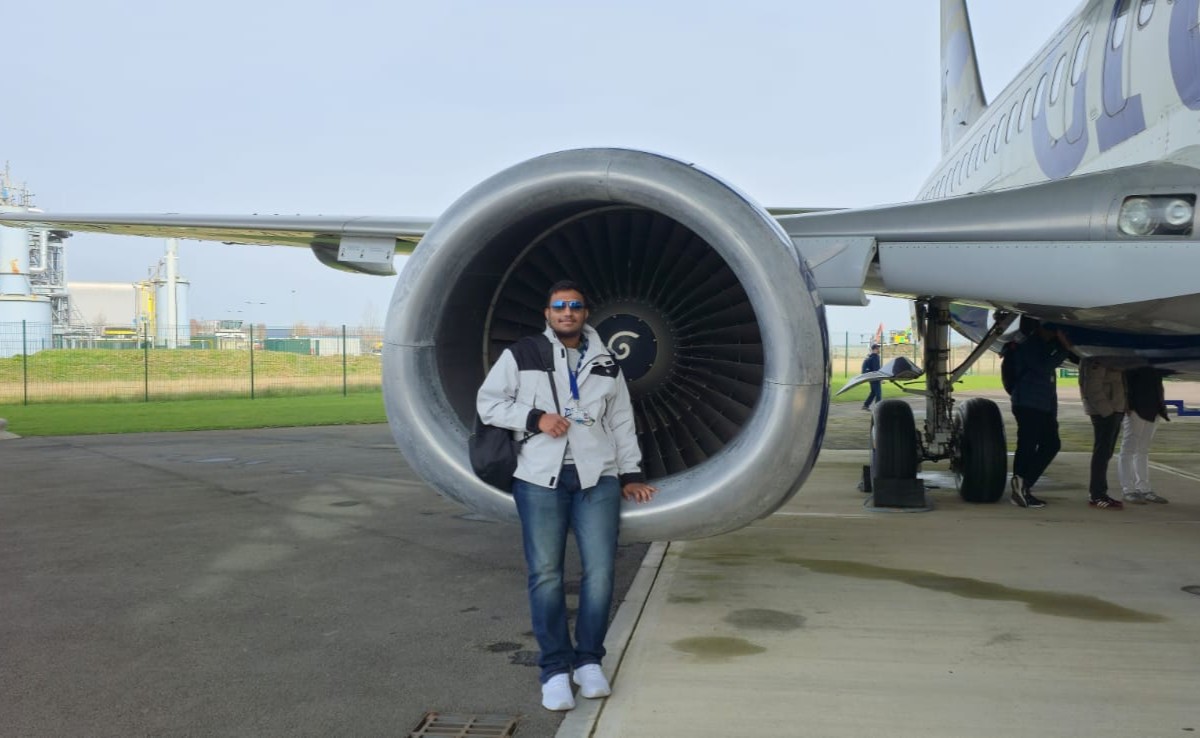
Solving aerospace challenges at Cranfield University
Solving real world challenges has always been my goal and with the knowledge that I could gain at Cranfield during my master’s, it was not a decision that required a second thought. The interactive ...
Shaping the future of aviation with aerospace vehicle design at Cranfield
When I was three years old, I went on my first plane ride together with my dad; this was on a Boeing 777-200ER and made me very curious about how it all worked. So, ...
From flight control systems to aircraft design
The beauty of aviation has been a big part of my background and the primary driver of my goals and aspirations. My perspective is that it is more than just a method of transportation ...

Search tips for using our online resources effectively
When you begin to search the literature for relevant, good quality academic material, it can feel daunting and, at times, overwhelming. However, it need not be like that. Here are a few ...

Referencing the use of generative AI in your work
We recognise that Artificial Intelligence (AI) has, and will increasingly, become a part of our everyday lives and that we need to adapt to it. Hopefully you will have already seen the guidance for staff ...