


Engineering the Future: Where AI, Robotics and Space Meet
24/11/2025
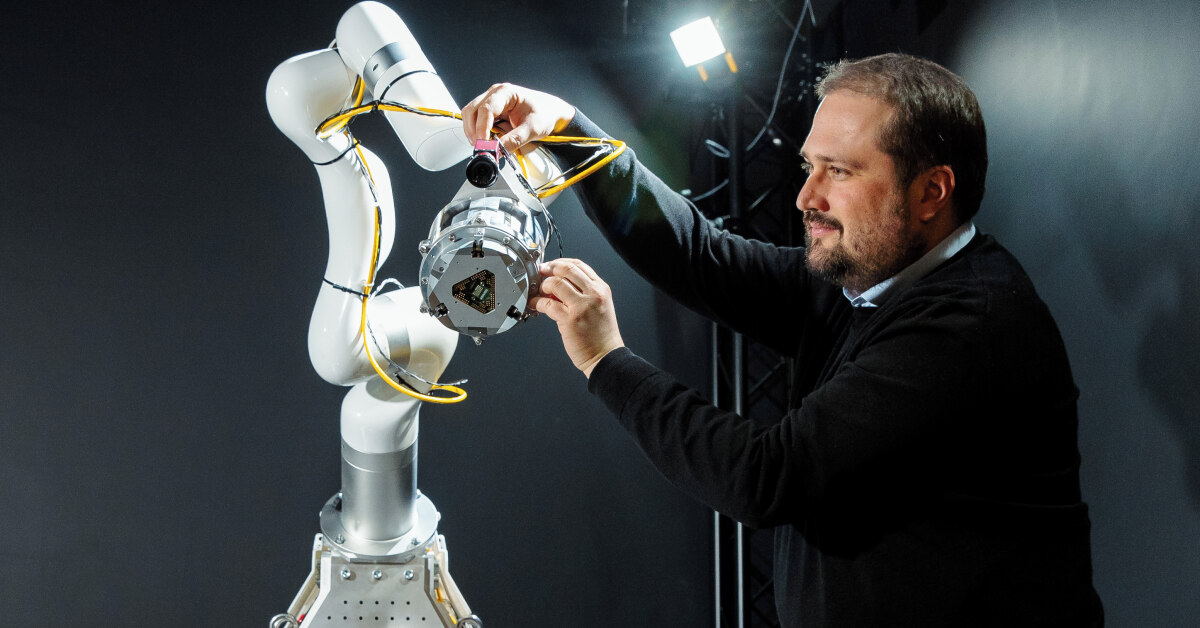
The world is entering a new technological era, one where artificial intelligence, robotics, and space engineering are no longer separate disciplines, they are interconnected forces driving the next generation of innovation.
At Cranfield University, this integration is already happening. Researchers, students and industry partners are working together to push the boundaries of autonomy, computational engineering and space robotics, creating technologies that will transform how we explore, move, and interact with the world.
The New Intersection of AI, Robotics and Space
- AI enables systems to navigate, diagnose and optimise their own performance.
- Robotics delivers precision and resilience in extreme environments.
- Space engineering pushes autonomy to its limits, where systems must operate independently and safely.
Tomorrow’s engineers will need to understand all three, working across disciplines to design connected, intelligent technologies.
Space Robotics in Action: Inside Cranfield’s ASTRA-Lab and MARIO Projects
Two projects at the forefront of Cranfield’s space robotics research demonstrate this merge at its most advanced:
ASTRA-Lab (Autonomous Systems Testbed for Research and Applications) and MARIO platform (Multi-Arm Installation Robot for In-Orbit Operations)
Cranfield MSc students and researchers play a vital role in these projects – contributing directly to the development of technologies that will support the next era of sustainable space exploration.
Engineering autonomy on earth and beyond
Cranfield’s research and teaching in Robotics, Autonomous Vehicle Dynamics and Control, and Applied Artificial Intelligence are providing students with the tools to design, test, and deploy these intelligent systems in real-world contexts.
Whether developing an autonomous ground vehicle, a robotic manipulator, or an AI control algorithm, students work with the same tools and frameworks used by industry – and often collaborate on live research projects.
Why Computational Engineering is the engine of innovation
Behind every autonomous system lies an invisible layer of simulation, modelling and data-driven optimisation.
Cranfield’s expertise in Computational Fluid Dynamics (CFD) and Aerospace Computational Engineering gives engineers the ability to:
- simulate complex aerodynamic behaviours
- accelerate design decisions with digital twins
- use machine learning to optimise engineering solutions
These skills are increasingly essential across aerospace, automotive and energy sectors.
Shaping Tomorrow’s Autonomous World
As AI, robotics and space technologies continue to advance, the future will be defined by systems that think, adapt and explore more independently than ever. Cranfield University is proud to be shaping that future through leading research, hands-on education and global industry collaboration.


Categories & Tags:
Leave a comment on this post:
You might also like…
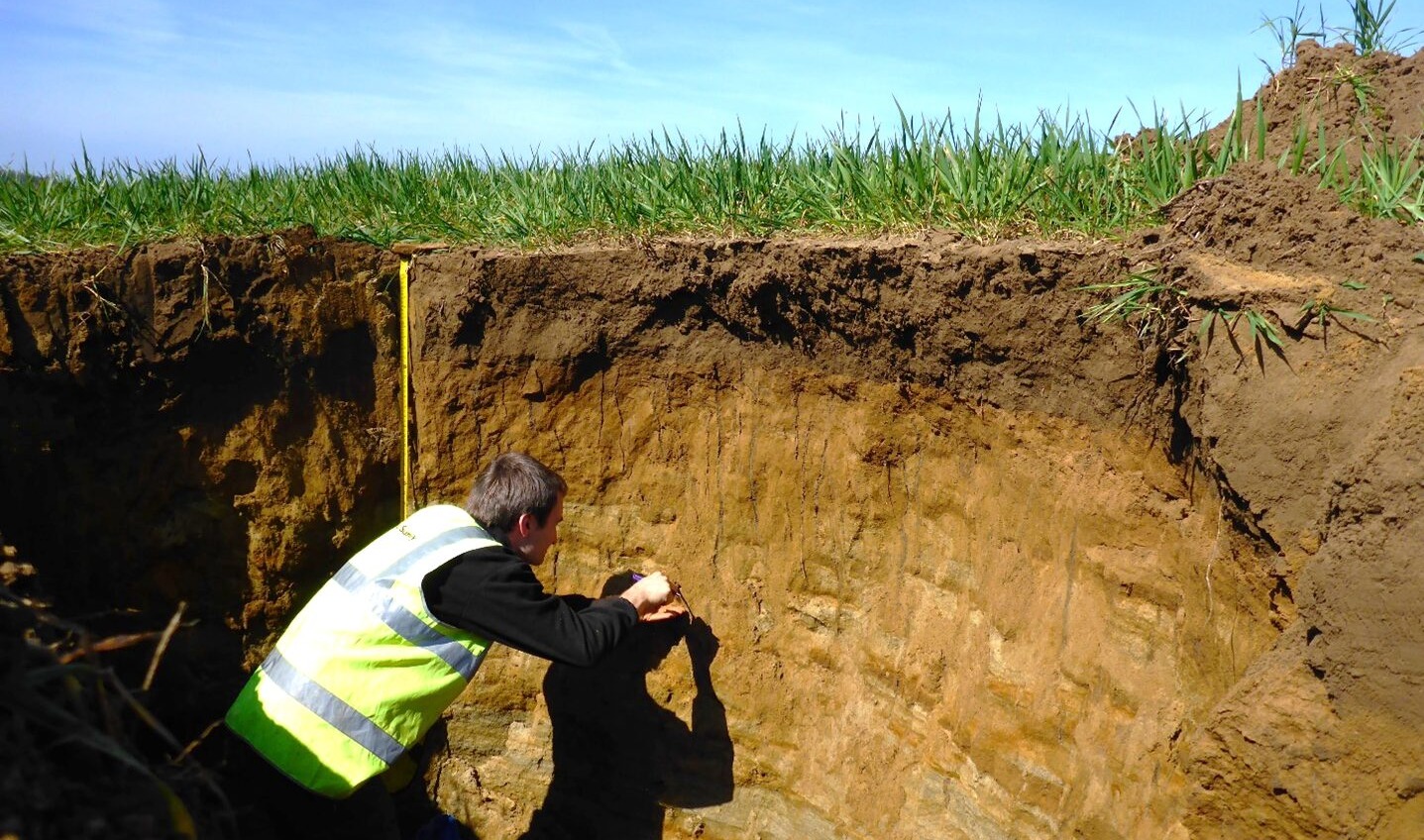
Earth’s silent hero: Why soil is finally stepping into the spotlight
As a Soil Scientist, the start of December is always an exciting time of year, specifically World Soil Day (5 December). This year, it’s doubly special, because we are also celebrating the 75th Anniversary ...

How do I reference social media… in the NLM style?
Although it’s not considered to be scholarly material, you may find information on social media useful for a piece of academic work. It may be that a particular post on X or Facebook illustrates or ...
Want to improve your reading skills?
Are you starting to read through the mountains of journals, books or articles for your project or on your course reading list? Let’s start with a few myths about the reading process: You need to ...
Introducing… Bloomberg Spreadsheet Analysis (BSA)
Want to take your Bloomberg data skills in Microsoft Excel to the next level? The new Bloomberg Spreadsheet Analysis (BSA) certification is designed to help you do just that. Created by Bloomberg, BSA is an ...
Bridging Science and Supply: My Journey at the GCSG European Knowledge Forum 2025
Earlier this year, I had the honour of being selected as one of the 2025 Global Clinical Supplies Group (GCSG) European Scholarship Winners, an opportunity that took me to Budapest, Hungary, for the GCSG ...
Engineering a Greener Tomorrow: The Future of Sustainable Manufacturing
Across the world, engineers are facing one of the greatest challenges of our time: how to manufacture more while consuming less. As industries race toward net-zero targets, sustainability has become the driving force behind ...