


Earth’s silent hero: Why soil is finally stepping into the spotlight
04/12/2025
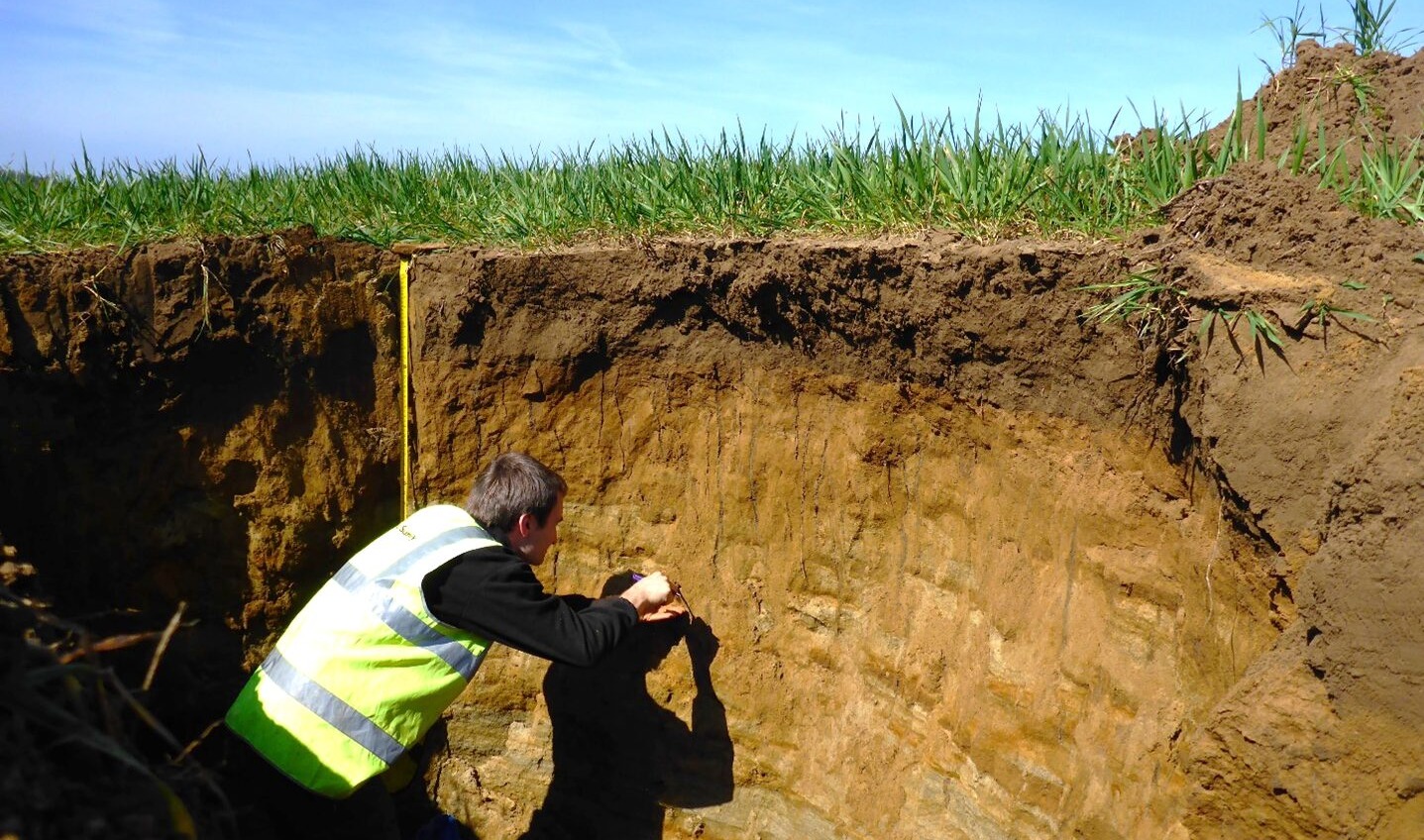
As a Soil Scientist, the start of December is always an exciting time of year, specifically World Soil Day (5 December).
This year, it’s doubly special, because we are also celebrating the 75th Anniversary of the European Journal of Soil Science. Regarded as one of the leading Soil Science journals internationally, and one of the flagship journals of the British Society of Soil Science.
The wake-up call from Natural England’s chair
To mark this milestone, myself, Prof. Jim Harris and Prof. Sacha Mooney of the University of Nottingham had the privilege of inviting Dr Tony Juniper CBE, the Chair of Natural England, to pen a thought-provoking Opinion piece on the role and importance of soils for nature recovery.
He did not disappoint. Dr Juniper, with the support of colleagues at Natural England including Dr Eleanor Reed, has written a compelling message on why soil is the “Cinderella” of environmental science, and why it’s time for it to step into the spotlight.
I also had the pleasure of sitting down with Tony to discuss the points raised in the article, as well as the need for joined-up, multidisciplinary, and multisectoral thinking to safeguard soils for future generations.
The sobering reality: A global crisis beneath our feet
Juniper’s article paints a truly alarming picture:
- As of 2015, one-third of the world’s soils were already degraded.
- Without drastic action, this figure could escalate to 90% by 2050, leading to catastrophic consequences for humanity and our planet’s essential life support systems.
More than just dirt: The power of soil
Soil is so much more than “dirt.” As Juniper elaborates, it is the silent hero of our environment, holding immense potential to solve urgent global challenges and is a:
- Biodiversity hotspot: It’s home to nearly 60% of Earth’s species and underpins the vast majority of land-based ecosystem services.
- Food security: It nurtures 95% of the food we eat.
- Climate and water regulator: Soil regulates water quality and supply, influences flood and drought risks, and even helps regulate our climate.
In short, soil is vital for everything from climate adaptation to nature recovery.
A new vision for soil health
A key message in Juniper’s paper is the demand for a holistic definition of soil health, one that looks beyond just agriculture to acknowledge soil’s diverse roles.
Natural England is actively advocating this new understanding by:
- Advocating for sustainable management practices that respect the natural variability and unique capabilities of different soils.
- Developing clear indicators and national soil maps.
- Offering evidence-based guidance to land managers to protect this invaluable resource.
The economic and environmental opportunity
Soil degradation isn’t just an environmental tragedy; it’s an economic burden, costing England and Wales an estimated £1.2 billion annually through lost crop yields, flood damage, and infrastructure impacts.
The good news? Through sustainable management, like improving soil structure, increasing organic matter, and tailoring land use to soil capability, we can restore soil health and bolster its resilience against climate extremes.
In urban areas as well as rural landscapes, soils can play a transformative role in enhancing biodiversity, reducing flood risks, and even cooling cities.
By seeing soil as a diverse and multifaceted natural resource, we can bring together scientists, landowners, conservationists, and policymakers to improve soil health for the benefit of both nature and people.
Watch a highlight reel of our interview below: The future of soils – In conversation with Dr Tony Juniper CBE, Natural England





Categories & Tags:
Leave a comment on this post:
You might also like…

Mendeley: a powerful tool to organise and manage your references
Are you looking for a way to manage your references, create in-text citations and reference lists for your assignments or thesis? If so, you may wish to consider using Mendeley. What is it? Mendeley is ...

Keen to develop your study skills?
Alongside the technical skills and academic knowledge that you will gain on your course, as a Cranfield student you have the opportunity to develop a range of other skills that can enhance your learning experience. ...

The V-conomy: powering the sixth wave of global economic growth
The world could be on the verge of a major surge in economic growth and development, driven by the convergence of AI and clean energy technology. Waiting to ride the K-wave The Russian ...

Need help using the Python programming language?
We know some of our students are currently trying to learn Python, so we wanted to make you aware of some great LinkedIn Learning videos that can help. But don't you have to pay for ...

What does it really take to become a Chevening Scholar?
Say “Turkmenistan” to most people and you’ll get a blank look. That was true when I left Ashgabat for the UK to study an MSc in Logistics and Supply Chain Management at Cranfield University ...

Get a head start on referencing and plagiarism
We offer a module on Referencing And Avoiding Plagiarism which you can find on your Canvas dashboard. It explains the role and importance of citing references and how to incorporate the work of other authors ...
Comments are closed.