

Want to improve your reading skills?
15/06/2026
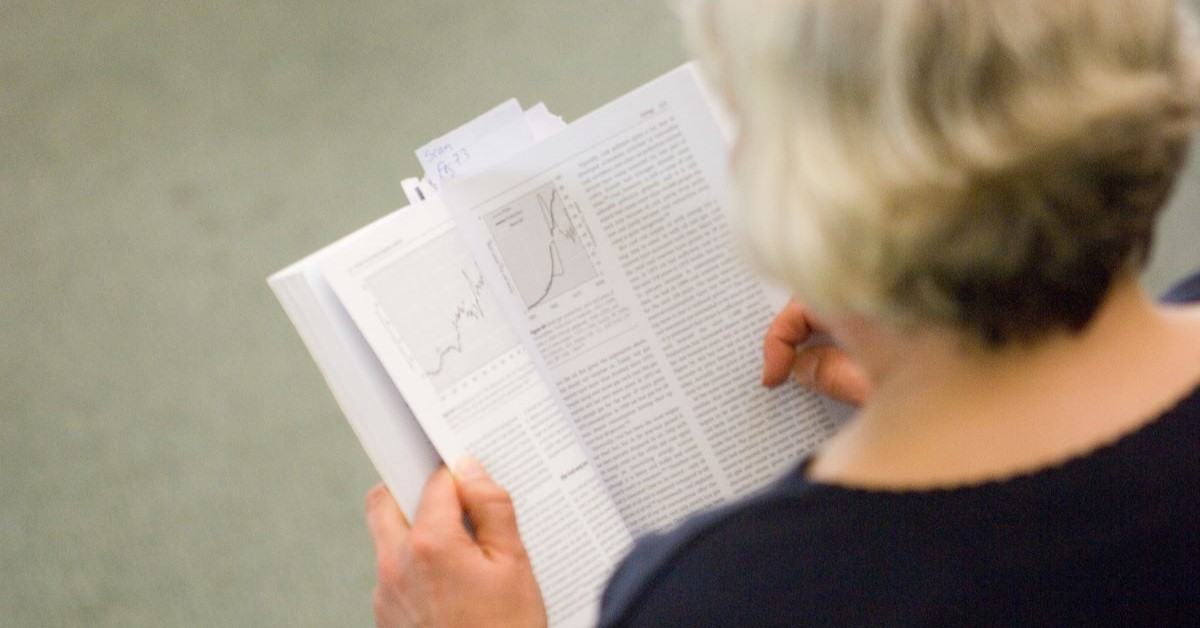
Are you starting to read through the mountains of journals, books or articles for your project or on your course reading list?
Let’s start with a few myths about the reading process:
- You need to read everything on your course reading list, or everything you find in a literature review
- You need to read the complete article/book/journal from start to finish
- Reading quickly is the best strategy
- You don’t need to make notes
- You can’t criticise academic text as you are not the expert
These are all wrong – let’s see what the best advice is about reading methods and making effective notes.
Do you have to read everything? No – apart from a key or ‘expected’ texts, you need to decide what you need to read. However, you might have to take a look at the introduction to each one to check whether it is important for your study and worth reading in more depth.
We have provided some effective reading techniques in our Study Skills Hub which are far more effective than just trying to read quickly. These include skimming the abstract summary and conclusion to get an overview, or scan reading to find something specific. You can then make up your own mind about whether, why or how the ideas presented in literature are important in relation to your study or research. Be active and take responsibility for your own learning.
Whichever method you choose, while you are reading, it essential that you take notes so that you can return to the sources if you need to use them later in your writing. Have a look at the various note-taking methods to find the one that works for you.
Being ‘critical’ does not mean finding faults or being negative about other author’s work. It means thoughtfully analysing what is being said and drawing your own conclusions or ideas. It is essential to develop a critical mindset when reading academic texts. Consider your own starting position/thoughts on the issue presented as this will help you analyse and compare what is being said in the text. Remember, applying critical thinking techniques while you are reading is an important precursor to writing critically.
You can learn more about examples of the critical questions you should be asking in the Study Skills Hub.
Further information
If you’d like to explore further, look out for our in-person and online workshops on various topics. And if you struggle with the mechanics of reading, you can find disability and learning support on MyCranfield, provided by the Student Wellbeing and Disability Support team.
Extracts from Reading and Making Notes by Jeanne Godfrey and Getting Critical by Kate Williams (Pocket Study Skills)

Categories & Tags:
Leave a comment on this post:
You might also like…

Keen to develop your study skills?
Alongside the technical skills and academic knowledge that you will gain on your course, as a Cranfield student you have the opportunity to develop a range of other skills that can enhance your learning experience. ...

The V-conomy: powering the sixth wave of global economic growth
The world could be on the verge of a major surge in economic growth and development, driven by the convergence of AI and clean energy technology. Waiting to ride the K-wave The Russian ...
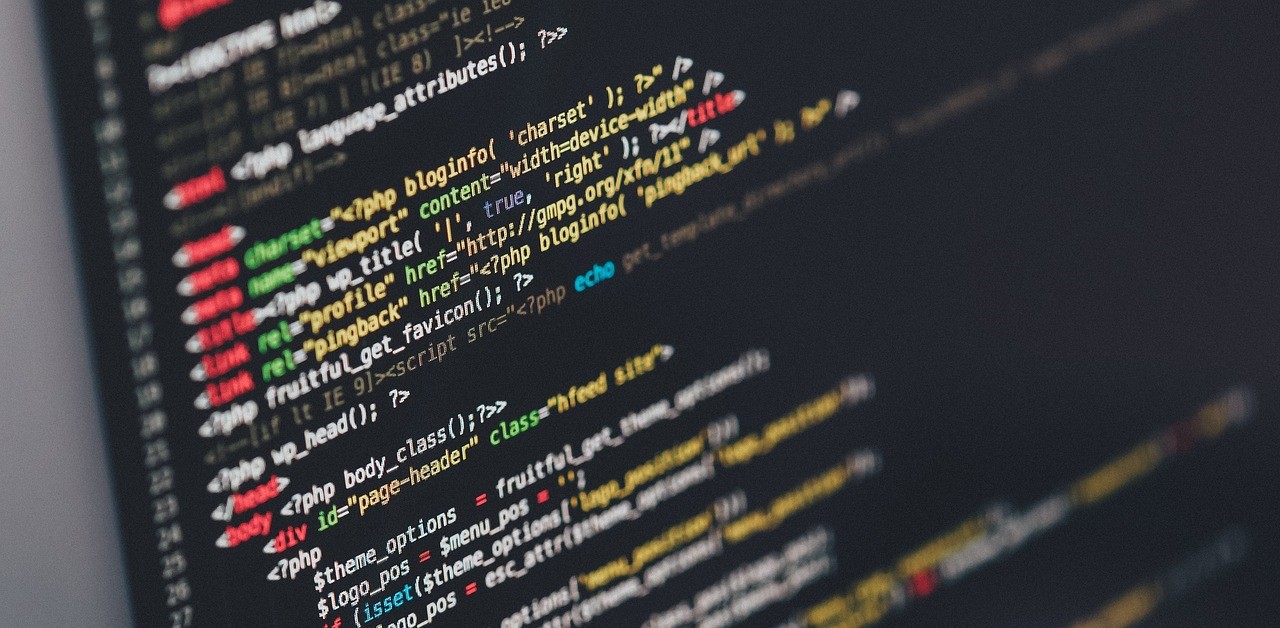
Need help using the Python programming language?
We know some of our students are currently trying to learn Python, so we wanted to make you aware of some great LinkedIn Learning videos that can help. But don't you have to pay for ...

What does it really take to become a Chevening Scholar?
Say “Turkmenistan” to most people and you’ll get a blank look. That was true when I left Ashgabat for the UK to study an MSc in Logistics and Supply Chain Management at Cranfield University ...

Get a head start on referencing and plagiarism
We offer a module on Referencing And Avoiding Plagiarism which you can find on your Canvas dashboard. It explains the role and importance of citing references and how to incorporate the work of other authors ...

How Cranfield shaped my journey as an Aerospace Engineer
If I'm being specific about the moment it clicked, it was reading a paper called "On the Role and Challenges of Computational Fluid Dynamics (CFD) in the Aerospace Industry" by two Boeing engineers, P. ...