


CranSEDS
19/02/2019
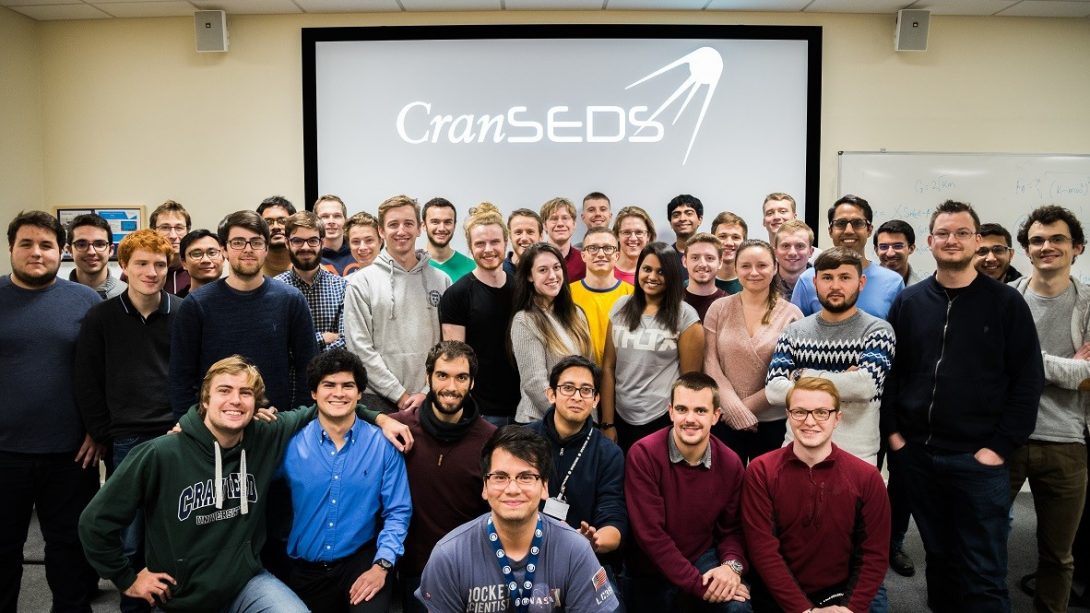
CranSEDS is Cranfield University’s local chapter of UKSEDS (UK Students for the Exploration and Development of Space), made up of students who are passionate about Space Exploration and are looking to fulfil the challenge of ESA’s Cosmic Vision 2015 – 2025 where ‘Todays science rests on the contribution of every citizen’. Our members, predominantly rising from the MSc Astronautics & Space Engineering course here at Cranfield University, embark on various projects and competitions to design the best rockets and Lunar/Martian rovers to attending and hosting national events.
The MSc in Astronautics and Space Engineering has been running for over 30 years, and ASE alumni can be found in the majority of space-related organisations in Europe and beyond, from small space start-ups created by the graduates themselves, to the likes of Airbus and SpaceX. While the course still has yet to produce its first astronaut, it can boast a former International Space Station Flight Director, in Libby Jackson (now manager of Human Spaceflight for the UK Space Agency). The course takes graduates from physics, engineering and mathematics, and equips its students with the knowledge, understanding, and skills required to contribute to the space industry and space-related academic research. With well over 700 alumni, the course continues to attract high-quality applicants and to provide a trusted resource for recruitment into the space sector.
Recently, CranSEDS hosted the national event ‘UK Space Day’ here at Cranfield that attracted over 80 industry professionals and passionate students. A variety of talks, exhibitors and a panel gave attendees some insight of where the UK space industry currently is and where it is going. This was a project that gave important exposure between students to industry that not only developed relationships but put Cranfield University and CranSEDS in the forefront for future events.
CranSEDS next project will be focusing on the Olympus Rover Trails competition, in which two teams of 15 have entered. The teams will design, manufacture and operate a Martian rover to meet real space system requirements and collect samples in a simulated Martian environment. Additionally, CranSEDS have embarked on the ambitious project to design, manufacture and launch their rocket in the 10,000ft category of the IREC Sounding Rocket Competition. All our current projects emphasis the importance of hands on engineering experience as the members of CranSEDS take their first small steps towards their future careers where they will hope to contribute to the next giant lead forward into the final frontier.
Find out more: https://www.cranfield.ac.uk/courses/taught/astronautics-and-space-engineering

Categories & Tags:
Leave a comment on this post:
You might also like…
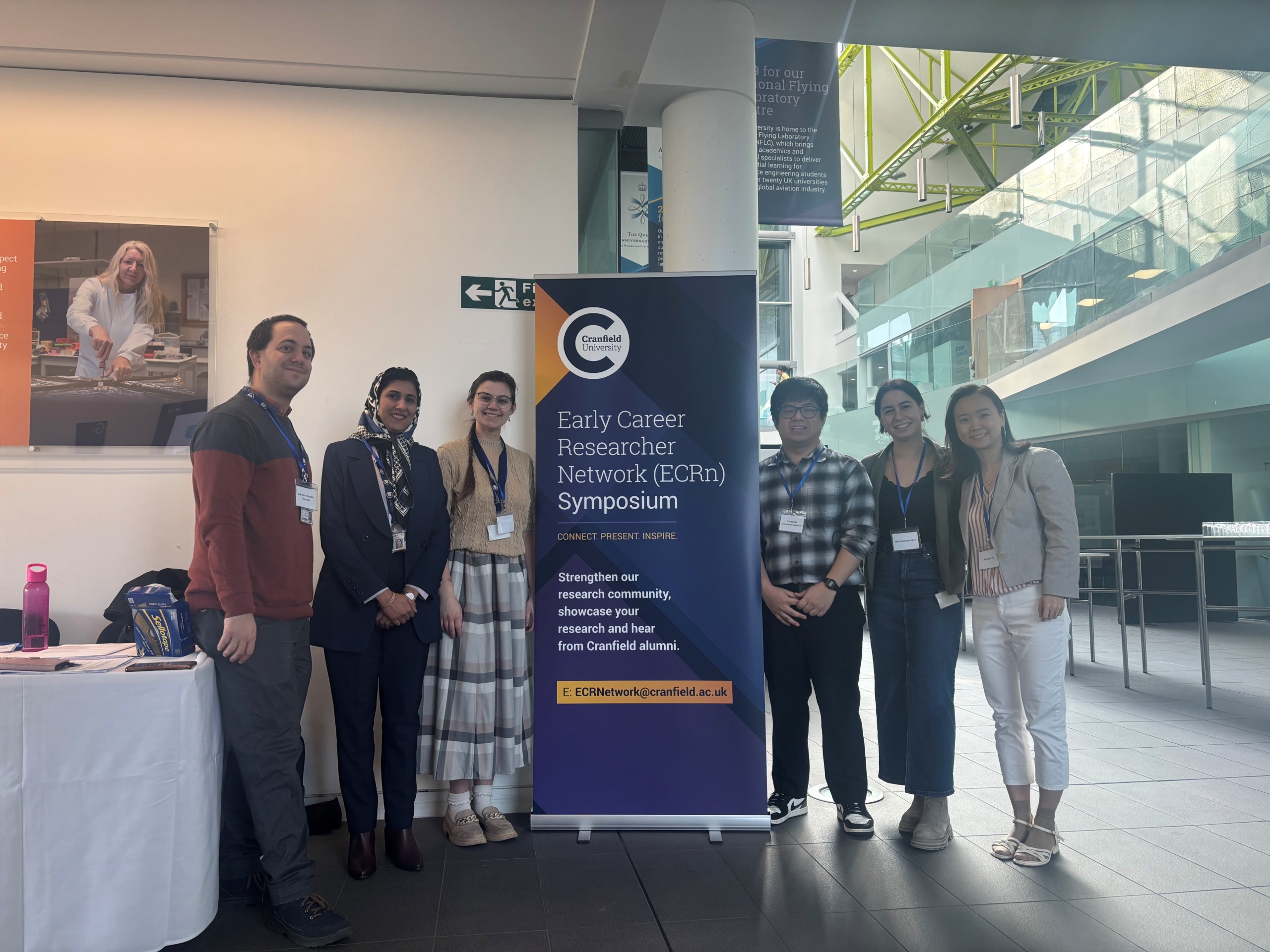
Building more than research: Reflections from the ECRn Symposium 2026
There’s something quietly powerful about a room full of early career researchers. Not just the ideas, although there were plenty of those—but the conversations, the curiosity, and the sense that everyone is figuring things ...
Library services over Easter, 3-6 April
Kings Norton Library will remain open for study 24/7. You will need your University ID card to enter the building and can use the self-service machines to borrow and return items as usual. Barrington Library ...

How do I access the full-text of Harvard Business Review (HBR)?
This is a frequently asked question, and it's worth knowing how to access this key management journal. So, how do you access HBR in full-text? The short answer is via our eJournals finder. You can find ...
Engineering problem to solve? Let Knovel help you find a solution
Did you know that Knovel provides you with more than just eBooks? Knovel is a key database for many engineering, mechanical and materials courses here at Cranfield University, and contains content from an extensive range ...
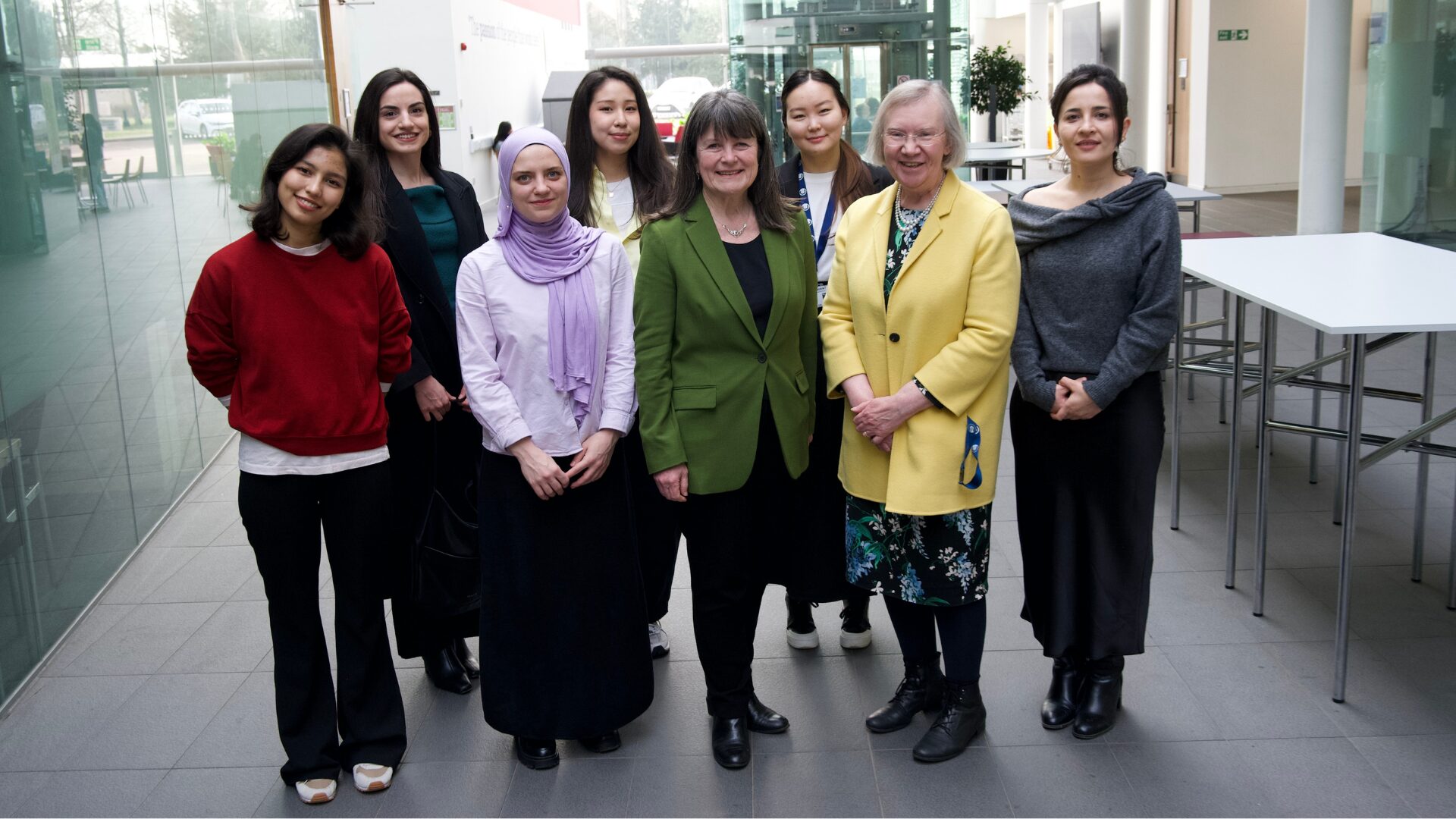
What happens when female scholars meet influential leaders?
On the 5 March 2026, our British Council Women in STEM Scholars had the privilege of sitting down with two excellent role models of industry and academia: Professor Dame Karen Holford, ...
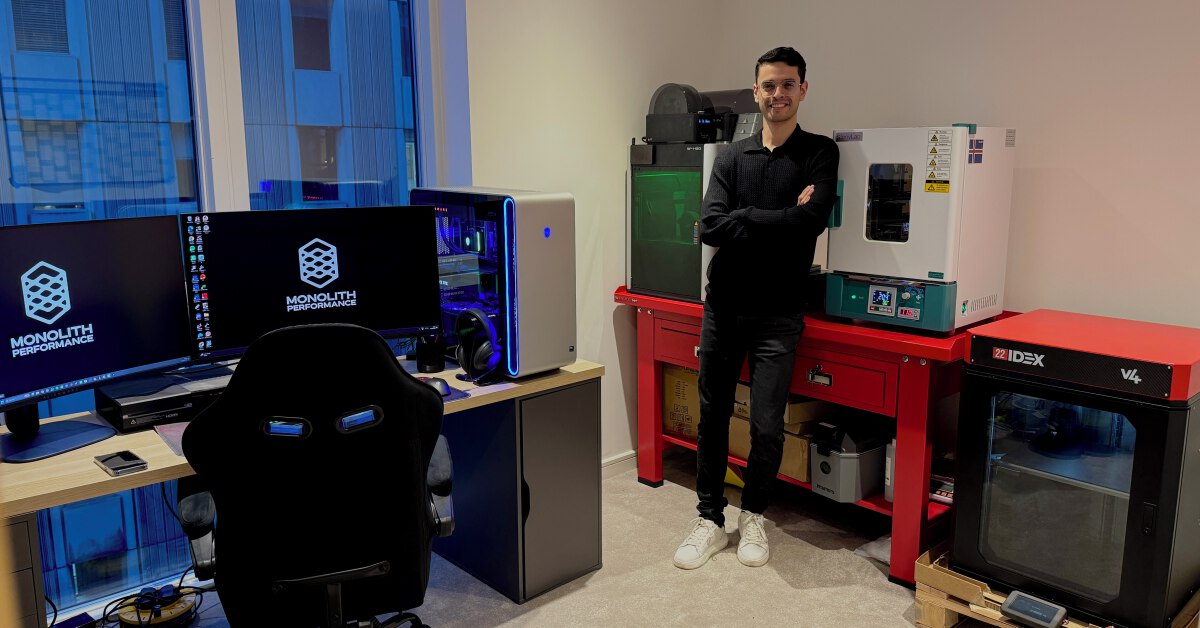
From MSc to CEO: Igniting a research revolution
For many, a master’s degree is achieving a big milestone. Kilyan Ocampo, Computational Fluid Dynamics alumni shares how studying at Cranfield helped launch his career in the energy sector. Today, Kilyan ...