

CranSEDS
19/02/2019
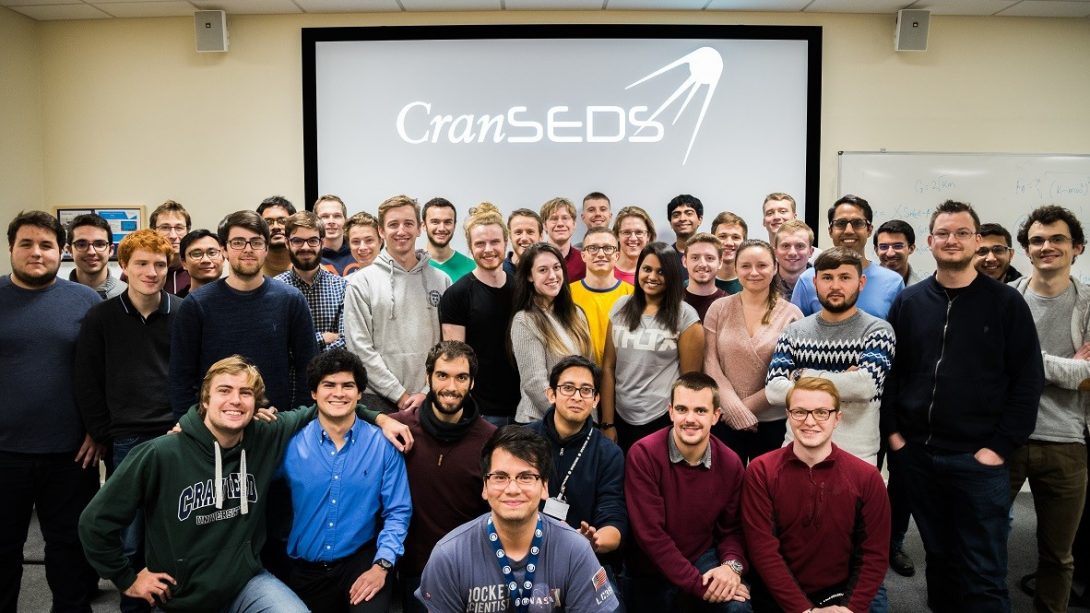
CranSEDS is Cranfield University’s local chapter of UKSEDS (UK Students for the Exploration and Development of Space), made up of students who are passionate about Space Exploration and are looking to fulfil the challenge of ESA’s Cosmic Vision 2015 – 2025 where ‘Todays science rests on the contribution of every citizen’. Our members, predominantly rising from the MSc Astronautics & Space Engineering course here at Cranfield University, embark on various projects and competitions to design the best rockets and Lunar/Martian rovers to attending and hosting national events.
The MSc in Astronautics and Space Engineering has been running for over 30 years, and ASE alumni can be found in the majority of space-related organisations in Europe and beyond, from small space start-ups created by the graduates themselves, to the likes of Airbus and SpaceX. While the course still has yet to produce its first astronaut, it can boast a former International Space Station Flight Director, in Libby Jackson (now manager of Human Spaceflight for the UK Space Agency). The course takes graduates from physics, engineering and mathematics, and equips its students with the knowledge, understanding, and skills required to contribute to the space industry and space-related academic research. With well over 700 alumni, the course continues to attract high-quality applicants and to provide a trusted resource for recruitment into the space sector.
Recently, CranSEDS hosted the national event ‘UK Space Day’ here at Cranfield that attracted over 80 industry professionals and passionate students. A variety of talks, exhibitors and a panel gave attendees some insight of where the UK space industry currently is and where it is going. This was a project that gave important exposure between students to industry that not only developed relationships but put Cranfield University and CranSEDS in the forefront for future events.
CranSEDS next project will be focusing on the Olympus Rover Trails competition, in which two teams of 15 have entered. The teams will design, manufacture and operate a Martian rover to meet real space system requirements and collect samples in a simulated Martian environment. Additionally, CranSEDS have embarked on the ambitious project to design, manufacture and launch their rocket in the 10,000ft category of the IREC Sounding Rocket Competition. All our current projects emphasis the importance of hands on engineering experience as the members of CranSEDS take their first small steps towards their future careers where they will hope to contribute to the next giant lead forward into the final frontier.
Find out more: https://www.cranfield.ac.uk/courses/taught/astronautics-and-space-engineering

Categories & Tags:
Leave a comment on this post:
You might also like…
The V-conomy: powering the sixth wave of global economic growth
The world could be on the verge of a major surge in economic growth and development, driven by the convergence of AI and clean energy technology. Waiting to ride the K-wave The Russian ...

Get a head start on referencing and plagiarism
We offer a module on Referencing And Avoiding Plagiarism which you can find on your Canvas dashboard. It explains the role and importance of citing references and how to incorporate the work of other authors ...

How Cranfield shaped my journey as an Aerospace Engineer
If I'm being specific about the moment it clicked, it was reading a paper called "On the Role and Challenges of Computational Fluid Dynamics (CFD) in the Aerospace Industry" by two Boeing engineers, P. ...
Introducing Kings Norton Library
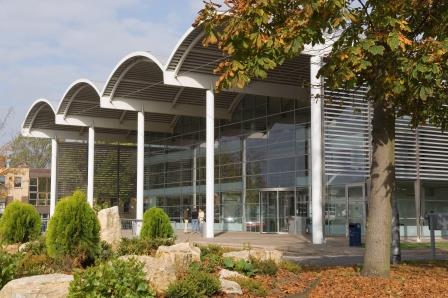
Welcome to all our new students! We are looking forward to meeting you soon. You will find Kings Norton Library in the centre of the Cranfield campus, and it is open 24/7 to all staff ...

Setting your research on the right course: Four questions every researcher should ask
Whether you are just beginning your doctoral journey or are already well into your research career, successful research rarely happens by accident. Like any successful mission, it depends on good planning, informed decisions, and getting ...

5 budgeting mistakes students make (and how to avoid them)
Good financial planning isn't about how much money you have. It's about the habits you build. We asked Dr Lakshmy Subramanian, Course Director for the Banking, Economics and Finance MSc, about the budgeting mistakes ...