


Breaking barriers in aerospace: my journey of passion, persistence, and progress
06/01/2025
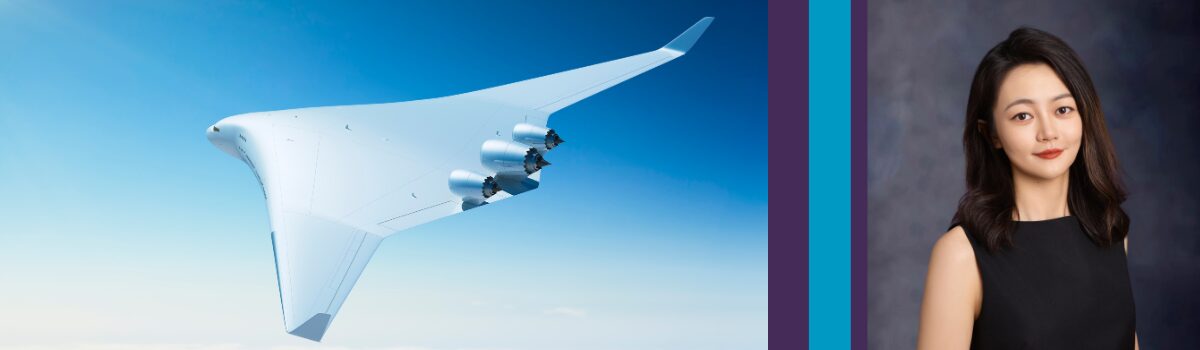
The aerospace and aviation industries have always fascinated me. From the complex technology to the incredible innovations, I’ve always wanted to be part of it. But my journey into this field hasn’t been simple—it’s been a path shaped by curiosity, resilience, and overcoming obstacles. In this post, I want to share how I got started in aviation, the challenges I’ve faced as a woman in a male-dominated industry, and what winning the NAC Women in Aviation Scholarship means to me.
A spark of curiosity: The beginning of my dream
I think my passion for aviation started when I first stepped into a simulated cockpit of a civil aviation aircraft. I was completely captivated by the intricate array of buttons and control panels in front of me. It was like looking at a whole new world and I wanted to understand every part of it. How did it all work? What did each button do? My fascination with aviation only grew from that moment.
It’s astonishing to contemplate that a pilot’s primary task is monitoring aircraft operations and maintaining communication with air traffic controllers, thanks to the powerful autopilot system. The more I learned, the more amazed I became by the incredible automation systems that made all of this possible. Realising that these systems were at the heart of modern aviation left me not only inspired but deeply interested in the design of aviation electronic systems.
Building a strong foundation: my education and early career
Before I came to Cranfield University, I built a strong foundation in aviation. I completed my undergraduate degree at the Civil Aviation Flight University of China, where I majored in air traffic management. After graduation, I worked as an engineer at the Air Traffic Management Bureau of the Civil Aviation Administration of China (CAAC) in Beijing for five years. My work involved producing a navigation database enabling automated piloting. It was a rewarding experience that gave me a practical understanding of the industry.
Why Cranfield University?
Choosing Cranfield University was an easy decision for me. I knew Cranfield had a world-class reputation for its research and innovation in aerospace and aviation. The university’s cutting-edge facilities, expert academics, and close ties to industry leaders like Airbus, made it the perfect place to advance my career. Cranfield also offers a hands-on approach to learning, which is crucial for someone like me who thrives in real-world applications of knowledge.
Winning the NAC Women in Aviation Scholarship: a milestone achievement
Winning the NAC Women in Aviation Scholarship meant so much more to me than just financial support. It was a recognition of my dedication to a field that has often been dominated by men. To me, this scholarship validated the effort and perseverance I’ve invested in aviation over the years.
Looking back, I remember facing many challenges, including admission restrictions at my undergraduate university so I pursued air traffic management, which was the closest I could get to aerospace. After graduation, I entered the workforce, but it seemed many companies were more inclined to hire male candidates, even when they had the same qualifications and abilities as me.
Despite these setbacks, I decided to leave my job after five years and pursue my dream of studying aerospace engineering at Cranfield. This decision wasn’t easy, especially with the uncertainty of the current global economy. My parents were concerned, but I knew in my heart that this was the right step for me. Winning the scholarship confirmed that my hard work and belief in myself was worth it. It gave me a renewed sense of purpose and motivation to keep pushing forward.
Advice for future scholarship applicants
To anyone considering applying for a scholarship, especially women in male-dominated fields: don’t doubt your capabilities! Believe in your abilities and passions. Make sure to showcase them clearly in your application. I’ve learned that if you put in the effort and remain true to yourself, the right opportunities will come.
My highlights at Cranfield University so far
So far, my experience at Cranfield has been incredible. The course structure is closely aligned with my interests, and I love the way it blends theoretical knowledge with hands-on experience. One of the highlights of the programme is the flight experience we get during the year—it’s something I’ve been really excited about!
The opportunity to work on industry-supported projects has also been amazing. For example, the project we are working on is supported by Airbus, one of the biggest names in aerospace. I’m eager to apply my knowledge to real-world problems and work alongside engineers who are pushing the boundaries of innovation.
Looking to the future: my career path
For as long as I can remember, becoming a female aerospace engineer has been a dream of mine. After graduation, I hope to gain valuable experience working for an international leader in aerospace, like Airbus, where I can collaborate with top-tier engineers and contribute to solving some of the industry’s biggest challenges.
To other women interested in aerospace or aviation:
I know that women are still a minority in aerospace and aviation, but I want to inspire other females to pursue their dreams in these fields. My personal experience has shown me that as long as you believe in yourself and work hard, you can succeed. Don’t let external factors, like stereotypes or gender biases, make you doubt your abilities. Keep pushing forward, stay confident and never be afraid to take on challenges—no task is out of reach just because you’re a woman.
The future of aviation
I’m really optimistic about the future of aviation. It’s a rapidly evolving industry with new challenges and opportunities on the horizon. From sustainable aviation technologies to the continued development of automated flight systems, there’s so much to look forward to. I’m excited to be part of this growth and to contribute to the innovations that will shape the future of aviation.
Conclusion: A journey of passion, perseverance, and progress
My journey in aerospace and aviation has been filled with challenges, but it’s also been incredibly rewarding. I’ve learned that with passion, persistence, and belief in yourself, you can overcome obstacles and make a real impact in any field. For women considering a career in aerospace, I want you to know that you belong here too—your dreams are achievable, and your voice is needed in this industry.
As I continue my studies at Cranfield, I’m not just learning about aviation—I am actively working to shape its future.



Categories & Tags:
Leave a comment on this post:
You might also like…

Library services over Easter, 3-6 April
Kings Norton Library will remain open for study 24/7. You will need your University ID card to enter the building and can use the self-service machines to borrow and return items as usual. Barrington Library ...

How do I access the full-text of Harvard Business Review (HBR)?
This is a frequently asked question, and it's worth knowing how to access this key management journal. So, how do you access HBR in full-text? The short answer is via our eJournals finder. You can find ...

Engineering problem to solve? Let Knovel help you find a solution
Did you know that Knovel provides you with more than just eBooks? Knovel is a key database for many engineering, mechanical and materials courses here at Cranfield University, and contains content from an extensive range ...
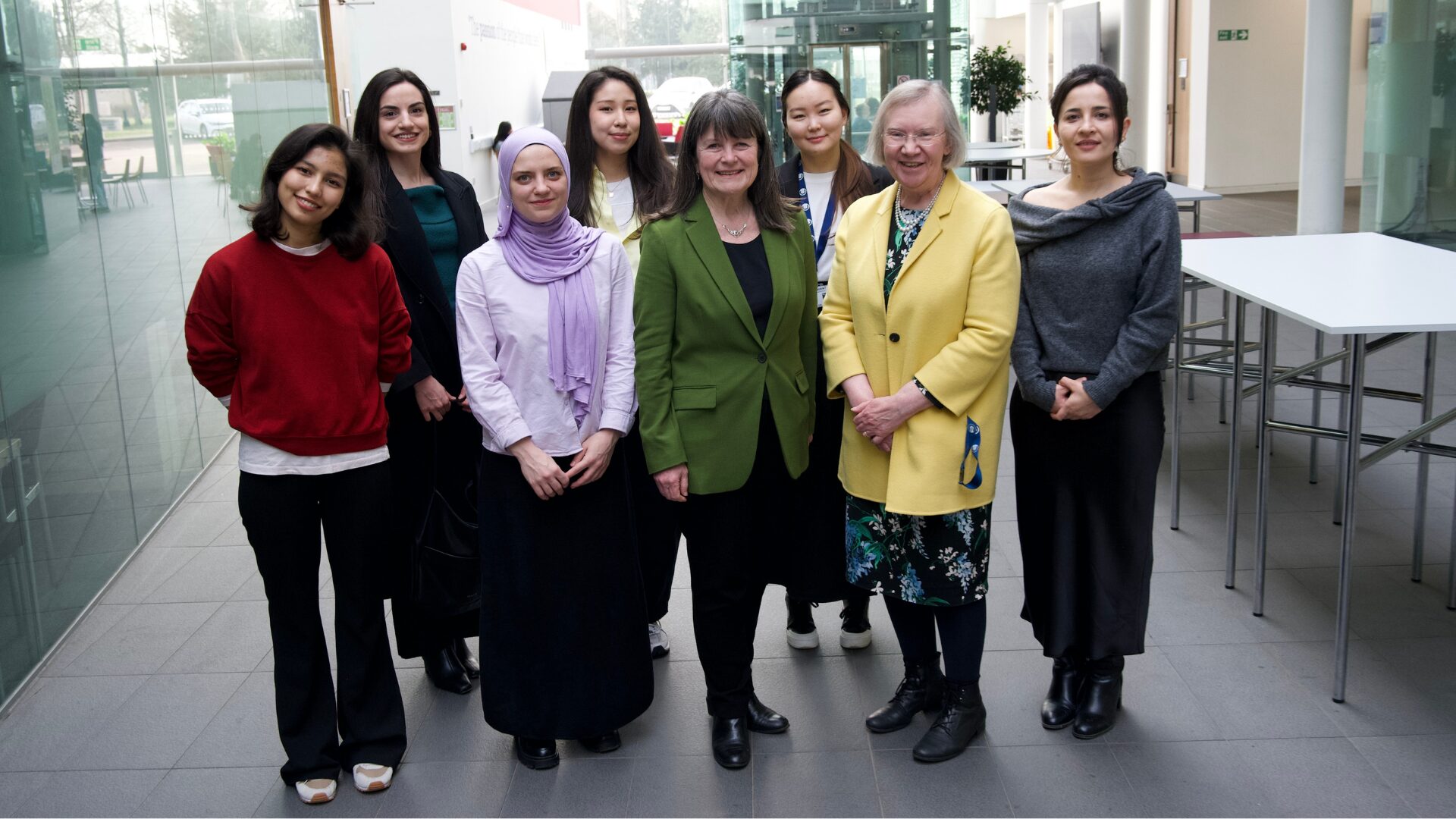
What happens when female scholars meet influential leaders?
On the 5 March 2026, our British Council Women in STEM Scholars had the privilege of sitting down with two excellent role models of industry and academia: Professor Dame Karen Holford, ...
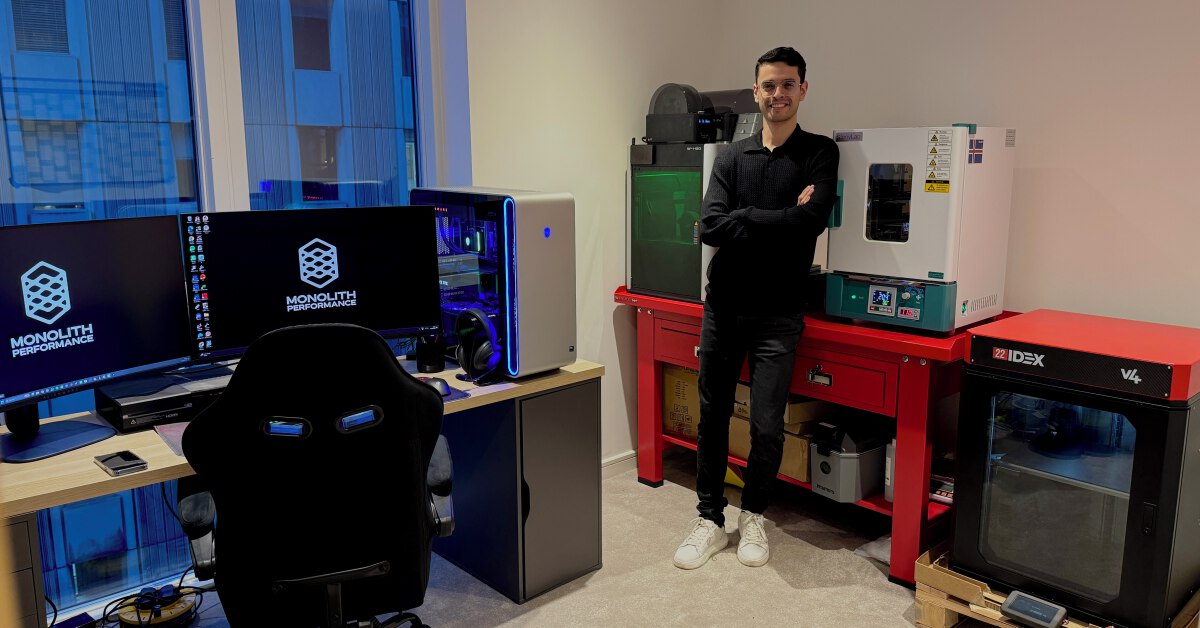
From MSc to CEO: Igniting a research revolution
For many, a master’s degree is achieving a big milestone. Kilyan Ocampo, Computational Fluid Dynamics alumni shares how studying at Cranfield helped launch his career in the energy sector. Today, Kilyan ...
Commuting, collaborating and growing: My first term experience at Cranfield
My first term at Cranfield University has been an extremely positive and rewarding experience. While the course has been intense at times, it has pushed me in the best possible way and allowed me ...
Comments are closed.