


My visit to the John Lewis warehouse
22/01/2018
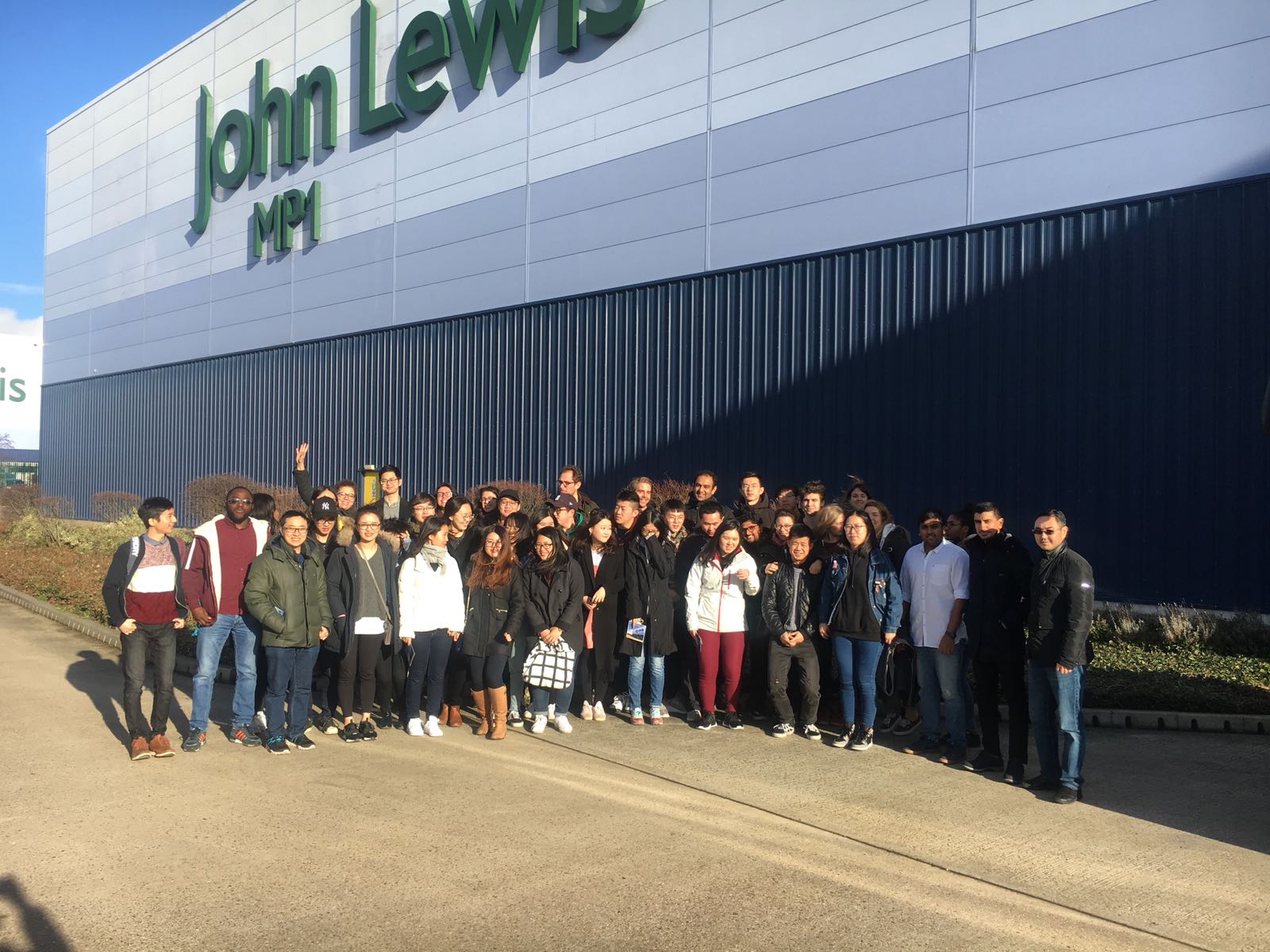
As a Logistics and Supply Chain MSc student at Cranfield, I recently had the opportunity to visit the John Lewis warehouse at Magna Park, which is a world-famous warehouse. The company has been a game-changer in terms of retail solutions. The biggest highlight of the visit was learning about how they have automated their processes and combined with omni-channel. Whilst at the warehouse we had the chance to find out about the history of the organisation and how they have developed their warehouse over the last 10 years which I found very insightful.
We learnt how they have used technology and how they have used automation throughout the warehouse. In our Warehousing module we learnt about the different types of machines and about how they are used. By going to the John Lewis warehouse we were able to gain a deeper understanding of what we have learned so far and to see it in practice. It was great to have the opportunity to see the knowledge we had learned put into practice. In our Warehousing module we have been tasked with creating a warehouse, so by going on this warehouse visit it has given us an understanding of how we can do it.
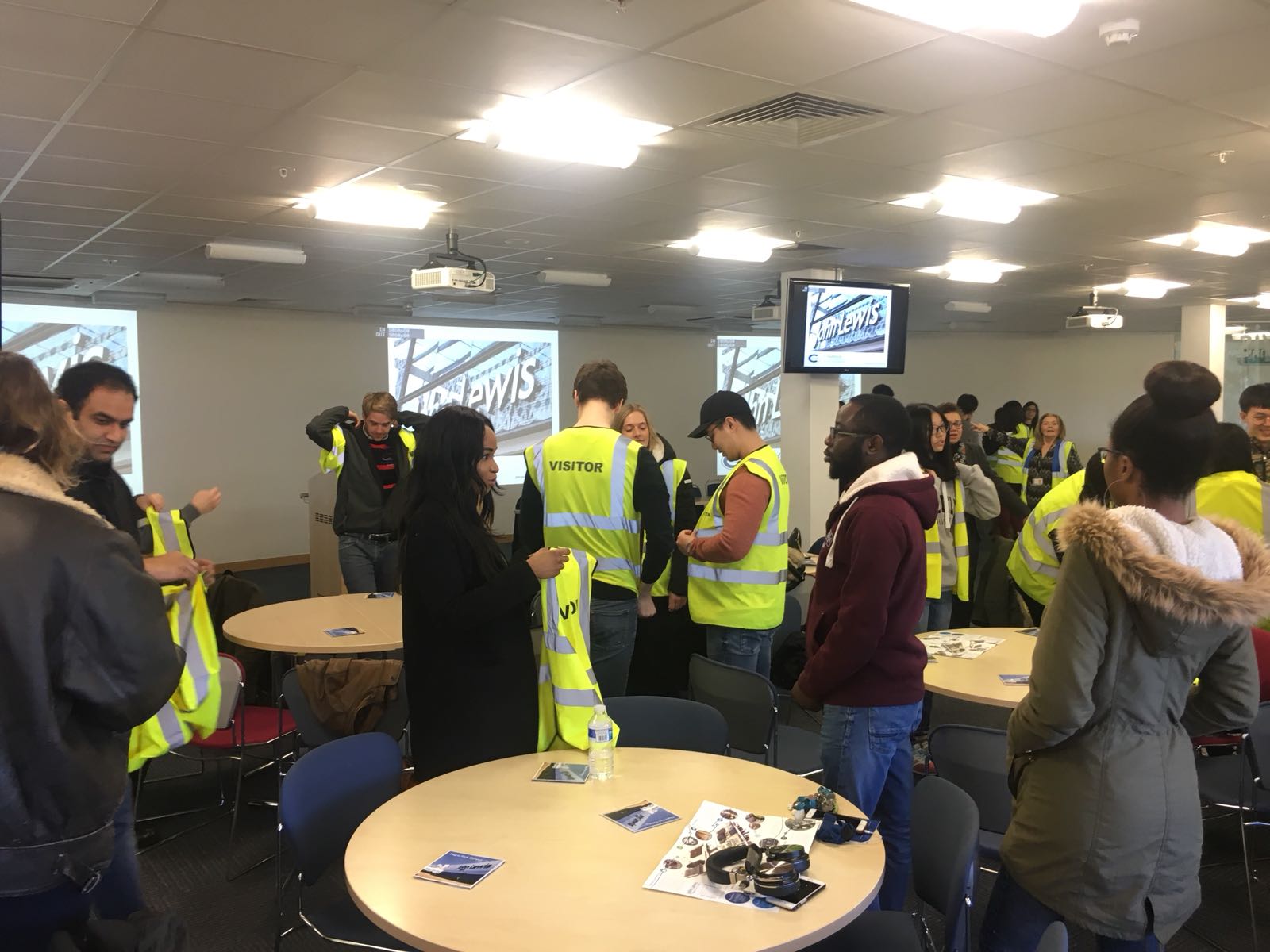
For me the most interesting part was learning about automation within the warehouse and to understand their aims for the business.
Whilst we were at the John Lewis warehouse we were fortunate to meet Marcus, International Development Manager and an alumnus of the programme at Cranfield. Whilst we were there he gave us some advice for the rest of our studies at Cranfield. The biggest piece of advice he gave us was to network. He mentioned that networking is imperative during our studies and to make the most of the advice we are given by our lecturers. He also advised us to dedicate as much time and effort as we can to our thesis project.

Categories & Tags:
Leave a comment on this post:
You might also like…

Engineering Tomorrow. Part two: Can we move around the world without emissions?
Moving people and goods around the world is essential to modern life. But every journey has an environmental cost, and reducing the emissions associated with transport is one of the major engineering challenges of ...

Following in the footsteps of aerospace pioneers
I came to Cranfield to understand how aircraft stay in the sky. Months later, I was measuring the performance of aircraft engines in flight aboard the National Flying Laboratory Centre's Saab 340B. My ...

From looking up at jet engines to powering the future of flight
From flying aboard Cranfield's Saab 340B flying classroom to rebuilding a gas turbine component by component, Jouni Kailouh's journey shows how specialist, hands-on experience can turn a fascination with propulsion into a future career ...
Engineering Tomorrow. Part one: Can we power the future without costing the Earth?
The world needs energy. To power homes, industries, transport and the technologies shaping our future. But as demand grows and the pressure to reduce emissions increases, how do we generate the energy we need ...

Looking ahead: Building foresight skills for a more sustainable future
As sustainability challenges become more complex and uncertain, organisations need people who can look beyond today's pressures and think strategically about the future. From changing regulations and emerging technologies to supply chain disruption and ...

Brazil to Cambridge: How Cranfield helped me build a career in data analytics
I was hungry for something bigger. Before Cranfield, I was living in São Paulo, Brazil, working as a Data and Market Intelligence Analyst in the trading division of Raízen. My background is actually ...