

Supply chain management students’ warehouse visits
25/01/2017

This was an absolutely wonderful experience! Before I came to Cranfield, I knew that the university offered a warehouse visit for both Procurement and Supply Chain Management and Logistics and Supply Chain Management students. So, let me tell you something truthful! To be honest, it was the warehouse visit opportunity drove me to choose this university.
I’ve been to logistics centres before, while I was working as a consultant specialising in the logistics sector. Well-equipped warehouse centres amazed me! I could not imagine how warehouses could include high-tech facilities and equipment before I experienced it for myself.
There are five main steps in the warehouse process: Goods in – Storage – Picking – Packing – Goods out
Every step can be automated (but of course, it requires a load of money!) Plus, logistics centres include a lot of internal information about the company. In other words, many companies do not really offer warehouse visits since it is part of their internal ‘intellectual property’.
But back to our warehouse visit. We divided into three groups. Some of them went to Waitrose (UK grocery company), River Island (clothing company) and John Lewis (British department store). I went to the John Lewis main hub in Milton Keynes. John Lewis is a department store with online shopping which includes fashion, homeware, sports and electrical items.
Basically, they handle many products and work in both business to consumer and business to business markets. Plus, the centre I visited is the main hub distribution centre, which means I could see many things! I cannot really mention specifically what I’ve seen at the centre since it is part of their internal information. But I can say that was clean, neat, tidy, high-technology, warm (most of centres I visited in the past were very cold) and had high security!
Visiting warehouse is very special experience, and seeing an automated distribution centre in particular is a very unique opportunity. The best course offers the best opportunities to the students! That’s our course!
[su_custom_gallery source=”media: 5302,5303,5304″ width=”808″ height=”540″ title=”never”]

Categories & Tags:
Leave a comment on this post:
You might also like…

5 budgeting mistakes students make (and how to avoid them)
Good financial planning isn't about how much money you have. It's about the habits you build. We asked Dr Lakshmy Subramanian, Course Director for the Banking, Economics and Finance MSc, about the budgeting mistakes ...

Finding your reading materials
Use Library Search Library Search is the first place to start when you are trying to find academic sources for your work. This is the search box on the library website homepage. It allows you ...

Formula 1 was the dream and Cranfield was the conduit
I still remember the exact moment Formula 1 (F1) got its hooks into me. I was in my first year of an aerospace undergraduate engineering degree when I watched a video about the sport ...
Introducing Barrington Library
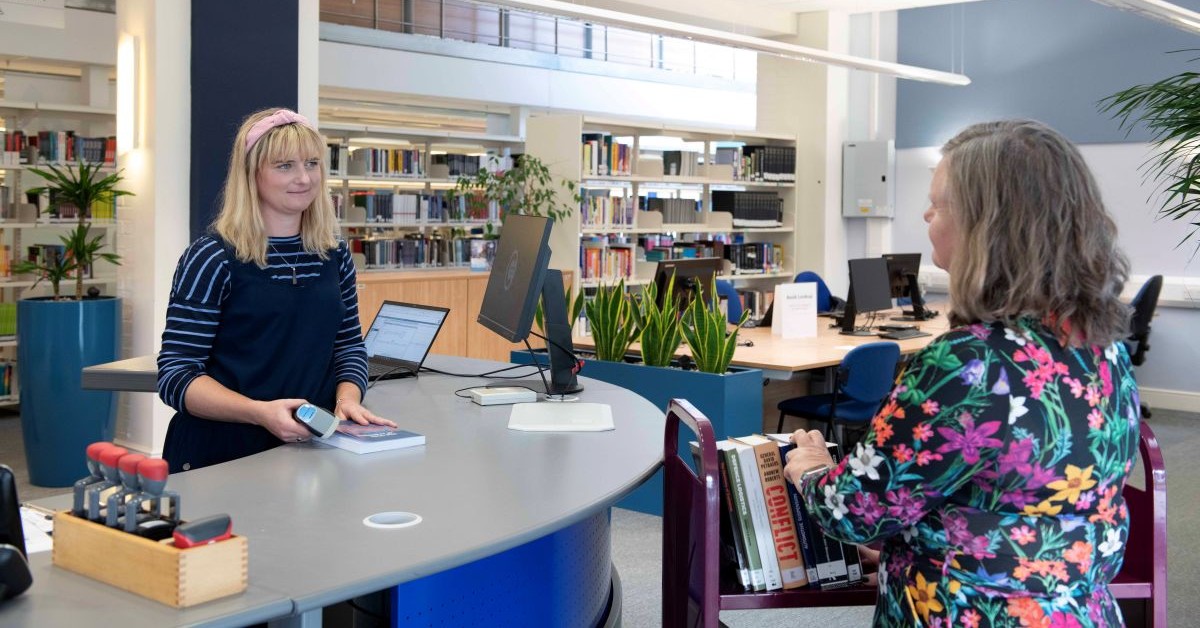
Welcome to all our new students! Barrington Library supports all the students and staff at Cranfield Defence and Security on the Shrivenham site. We are looking forward to meeting you all soon, in person or ...

About to start your journey at Cranfield? We’re here to help!
Congratulations on accepting your offer to study at Cranfield! If you’re keen to get a head start before your course begins, our Library Services team is here to support you every step of the way. ...

Bank holiday hours for Library Services: Monday 31 August
Library Services staff will be taking a break on Monday 31 August for the bank holiday. You will still be able to access all the resources and help you need via our library website. The 24/7 ...