


How do I reference…when delivering a presentation?
19/01/2026

Just as you cite and reference sources in written work, you should also acknowledge the sources you use or quote in oral presentations. Citing your sources in presentations provides your audience with information about the supporting evidence in the sources you are using and brings a touch of professionalism to your delivery.
However, the methods used for referencing in presentations are slightly different to those used in written work.
There are two methods for citing and referencing in presentations:
1. In-text citations on the slides
Use small fonts, superscript, or numbers to maintain visual appearance of the presentation, then add:
a) A small font reference as a footnote on the same slide as the citation (see Fig. 1 and 2), OR
b) A list of all the references used on the last slide (see Fig. 3 and 4)
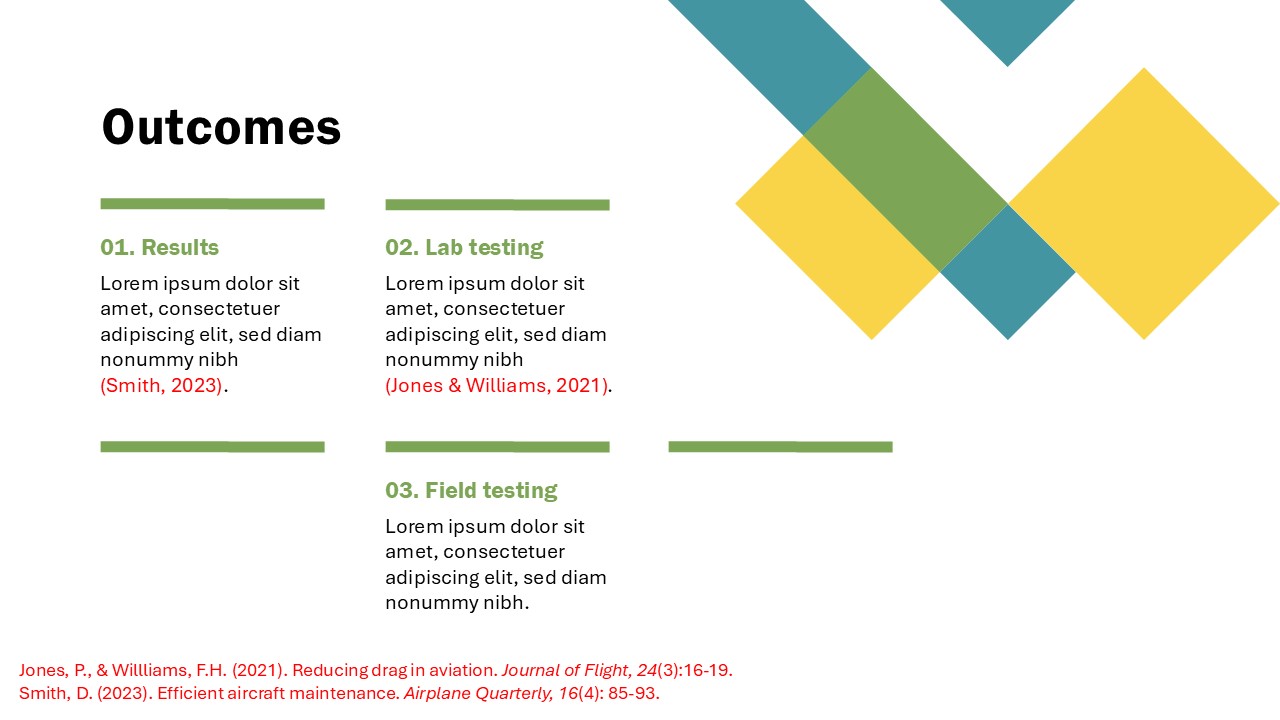
Fig 1. Example of in-text citations and footnotes on a presentation slide.
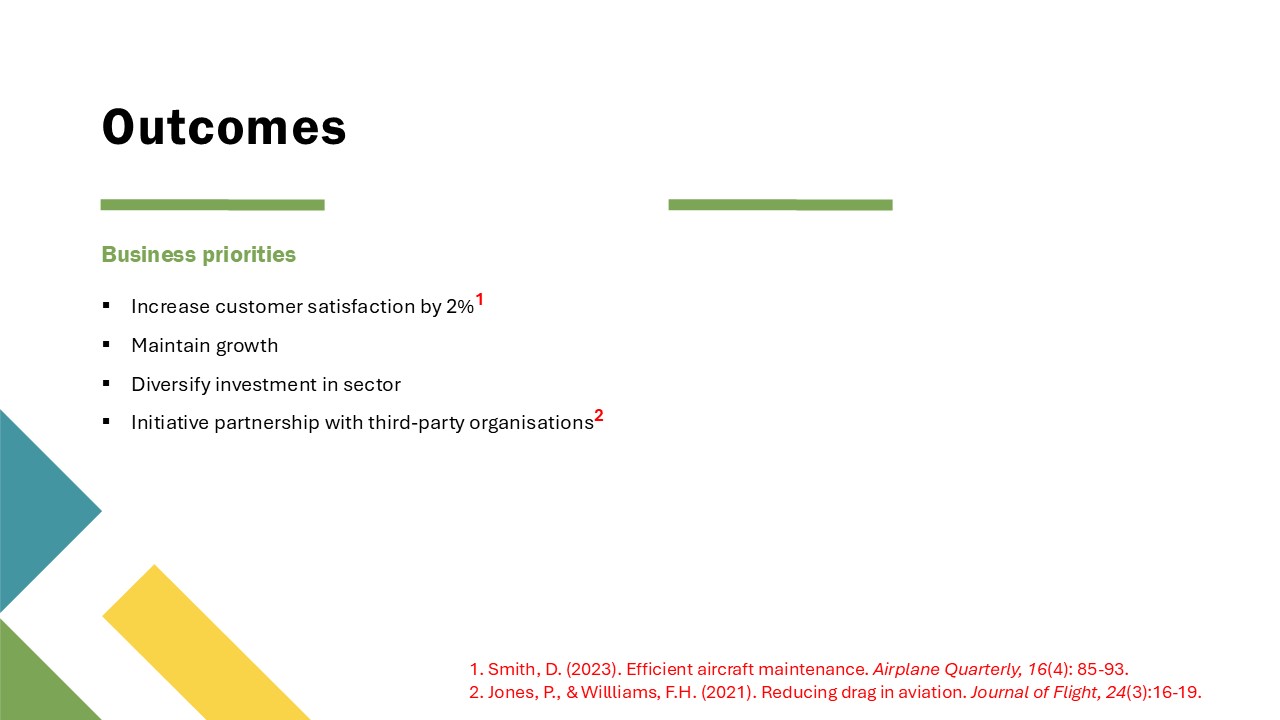
Fig 2. Example of using numbers and footnotes to indicate source.
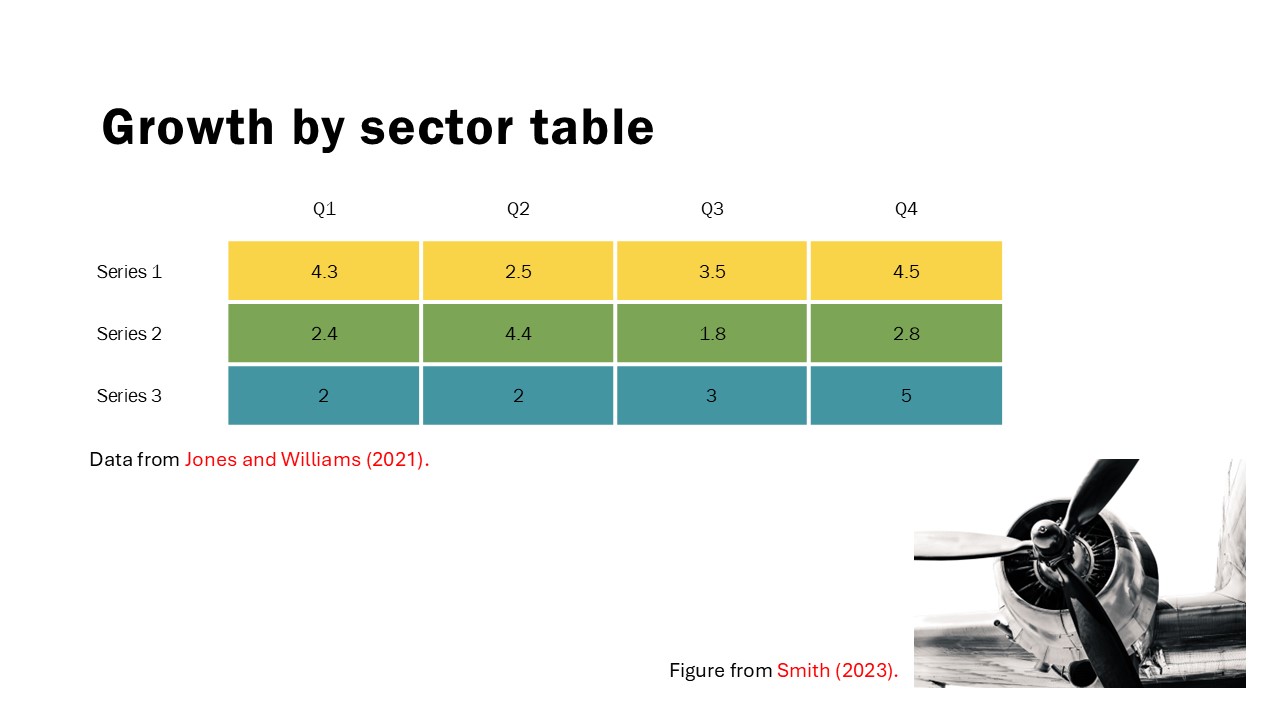
Fig 3. Example of simplified referencing using just in-text citations, this must be paired with a full reference list at the end (see Fig. 4).
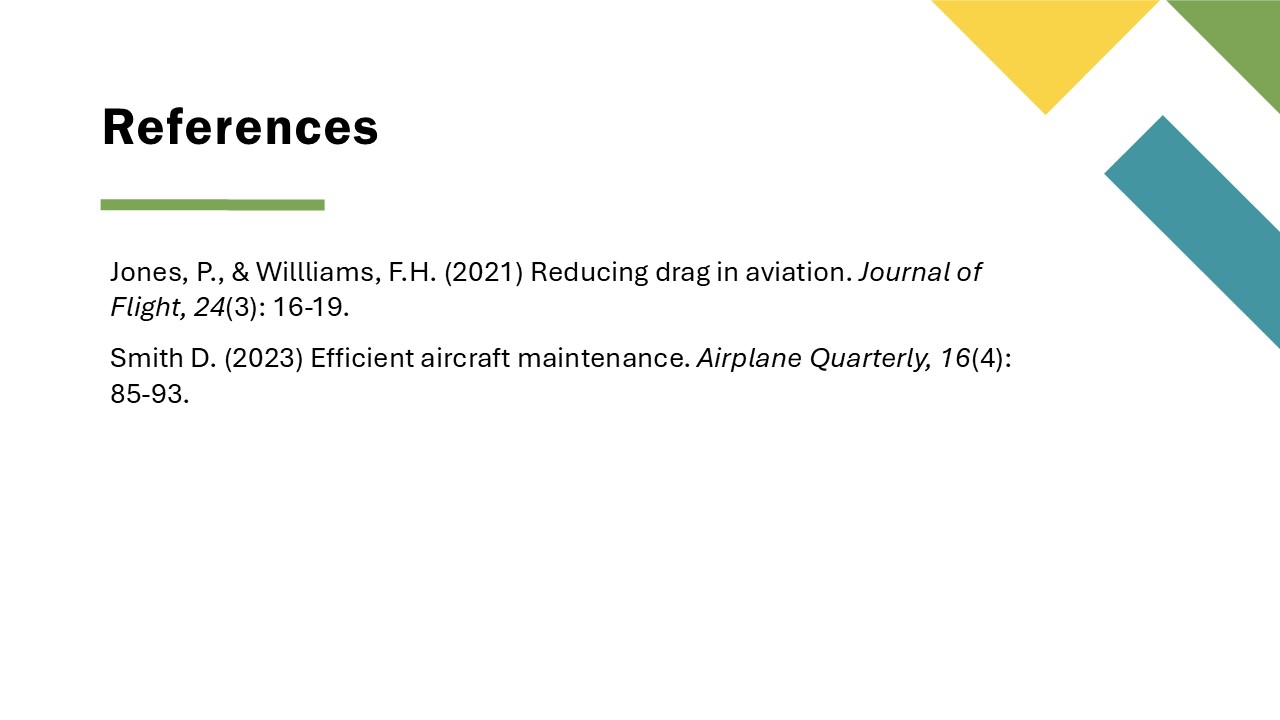
Fig 4. Full reference list on final slide of the presentation.
2. Verbal citations
Provide citations verbally to your audience in your speech and include full details written on the final slide (see Fig. 4 and 5). In your speech, provide if you can:
a) Date
b) Name of author
c) Publication
d) Credentials of author
e) Add a full reference list on the last slide
Remember, you need to provide enough information to your audience to make your claims credible.
- Don’t verbally state an author name without any credentials.
- If you provide a statistic, back it up with a source.
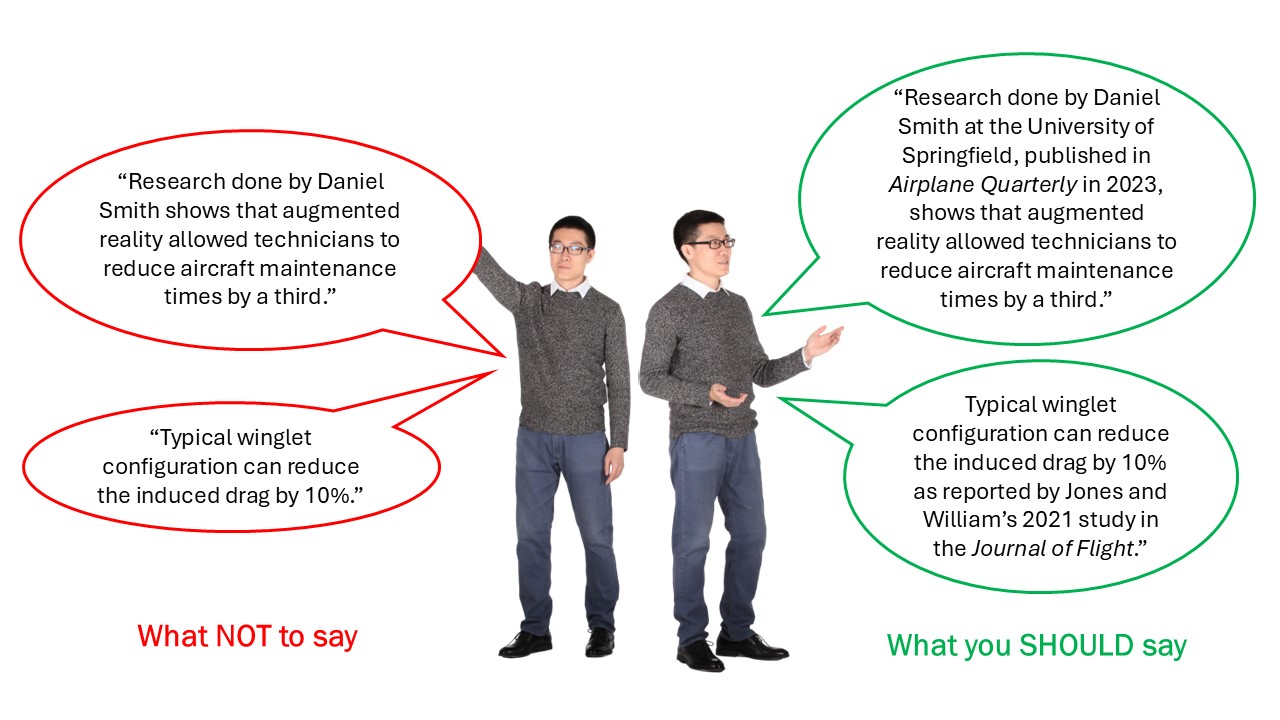
Fig 5. How to present verbal citations correctly. Adapted from Davison (2015).
Final points
You can choose to use the method you are most comfortable with or mix and match. The key thing to remember is to cite and reference your sources to avoid plagiarism and inform your audience.
Please note: Cranfield supports two different referencing styles – APA7 (Author-date) and Numbered (NLM). Please make sure you use the style preferred by your supervisor or lecturer.
References
Davison, J. (2015, April 24). Orally citing a source in a speech [Video]. YouTube. https://youtu.be/eP0bfnRlJVY?si=_AkvaGf8saW0D3gl

Categories & Tags:
Leave a comment on this post:
You might also like…

Moving to the UK to study? How to plan for banking, exchange rates and transfers
Currency and banking are two of the most practical parts of financial planning for international students. They are also often the most overlooked. We asked Dr Lakshmy Subramanian, Course Director for Cranfield University's Banking, ...

Cranfield: an environment where innovation thrives
The latest Knowledge Exchange Framework rankings from UK Research and Innovation (UKRI) gives an insight into the real and meaningful impact that UK universities have. The seven categories that make up KEF6 cover everything ...

How Cranfield accelerated my career in Logistics and Supply Chain Management
After graduating from the MSc in Logistics and Supply Chain Management at Cranfield University, I've been reflecting on the experiences that made my journey so valuable and the impact it has had on my ...

Mendeley: a powerful tool to organise and manage your references
Are you looking for a way to manage your references, create in-text citations and reference lists for your assignments or thesis? If so, you may wish to consider using Mendeley. What is it? Mendeley is ...

Keen to develop your study skills?
Alongside the technical skills and academic knowledge that you will gain on your course, as a Cranfield student you have the opportunity to develop a range of other skills that can enhance your learning experience. ...

The V-conomy: powering the sixth wave of global economic growth
The world could be on the verge of a major surge in economic growth and development, driven by the convergence of AI and clean energy technology. Waiting to ride the K-wave The Russian ...