


Driving Change: A Nestlé Manager’s Sustainability MSc Journey
01/07/2025

What inspired you to pursue a career in sustainability, and how did your journey begin?
I’ve always been motivated by roles that allow me to make a difference, and I started my career working in politics supporting the work of Members of Parliament. In 2019 after a couple of years in a communications agency I joined Nestlé’s public affairs team. I saw this role as an opportunity to drive change and transformation from within a company, particularly given the importance of sustainability in our sector, and what better place to do that than in the world’s largest food and drink company?
Was there a defining moment or experience that solidified your commitment to sustainability?
I’ve been focused on sustainability for around four years now, and supporting our delegation to Cop26 in Glasgow in 2021 was a real highlight for me. Being in the company of passionate people motivated to drive changes at a systemic level, and hearing from a diverse range of voices, really opened my eyes to the need for action and the opportunities available in this space.
Could you tell us about a recent project or initiative you’ve led that you’re particularly proud of?
Over the last couple of years, I’ve worked extensively on packaging policy, engaging with Government and industry peers to shape our future sustainable packaging system in the UK and working with technical experts within Nestlé to formulate our position. At times this has been challenging but I know that my representations and our cross-industry collaboration have made a real difference to the scheme’s design and how it operates now and in the future.
What have been the biggest challenges you’ve faced in pushing sustainability forward in your field? How have you overcome them?
The food system is so complex, and we know that transforming this at scale will require efforts across the whole value chain. I believe that the best way to manage these shared challenges is to work together, recognising that we can have the most impact if we collaborate to tackle them.
Who or what inspires you to keep pushing for sustainable change?
While it can at times feel challenging, I’m motivated because I know there’s no alternative. Unless we fundamentally change how we operate – both at an individual and business level – we won’t have much of a planet left. I’m also regularly blown away by the attitudes of younger generations, including my friends’ young children, whose knowledge and passion for sustainability and drive to do better is really inspiring.
What impact did your time at Cranfield have in getting you to where you are now?
When I reflect on my time at Cranfield, I realise how much I grew as a person across the 2.5 year course. While I learnt huge amounts about sustainability – and I enrolled with the aim of upskilling in more technical areas – my confidence in my own abilities has also increased so much. I feel equipped and empowered to further my career in sustainability and I’m really excited about where my learnings from the course will take me.
What was a highlight of your course or time at Cranfield?
Hands down the people – I have made so many amazing friends throughout my time at Cranfield and I know some of them will be part of my life for many years to come. Getting together at our residential on campus every March was a highlight of the year and having a group of sustainability people to bounce ideas off or sense check with is really invaluable.
Can you share some insights from your sustainability project?
My project looked at materiality assessments to inform the design of a “best-in-class” country-level assessment for Nestlé. I analysed the materiality assessments conducted by a range of organisations, including my own, and interviewed representatives from a selection of these to dig deeper into their process before validating my proposed approach with a group of internal sustainability leaders.
My research highlighted the importance of diversity of thought when undertaking a materiality assessment – within the organisation talking to people beyond sustainability experts, ensuring the views of those along the value chain (such as farmers) are heard and that challenging voices are given the opportunity to take part.
Going forward my plan is to conduct a country-level materiality assessment, and I plan to be closely involved with the project team.
How did the online delivery format – live sessions on alternate Fridays and self-directed learning in between – suit your learning style and work-life balance?
For me blocking out Fridays was a great approach and enabled me to manage my time effectively throughout the week. It has been an adjustment returning to working Fridays!
If you could give one piece of advice to young professionals starting in sustainability, what would it be?
It’s a marathon not a sprint – remember to pace yourself, take regular breaks and lean into those around you who are having similar experiences. Get out there to meet and learn from people – you never know where they might end up – and above all else enjoy yourself while you’re doing it!


Categories & Tags:
Leave a comment on this post:
You might also like…
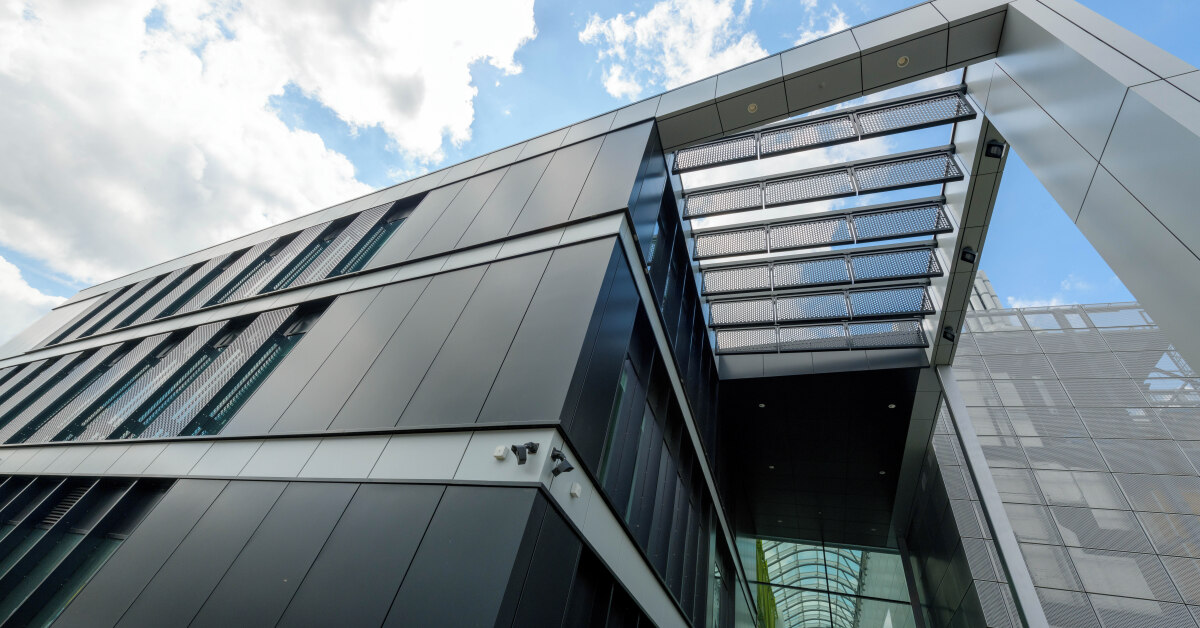
Cranfield: an environment where innovation thrives
The latest Knowledge Exchange Framework rankings from UK Research and Innovation (UKRI) gives an insight into the real and meaningful impact that UK universities have. The seven categories that make up KEF6 cover everything ...
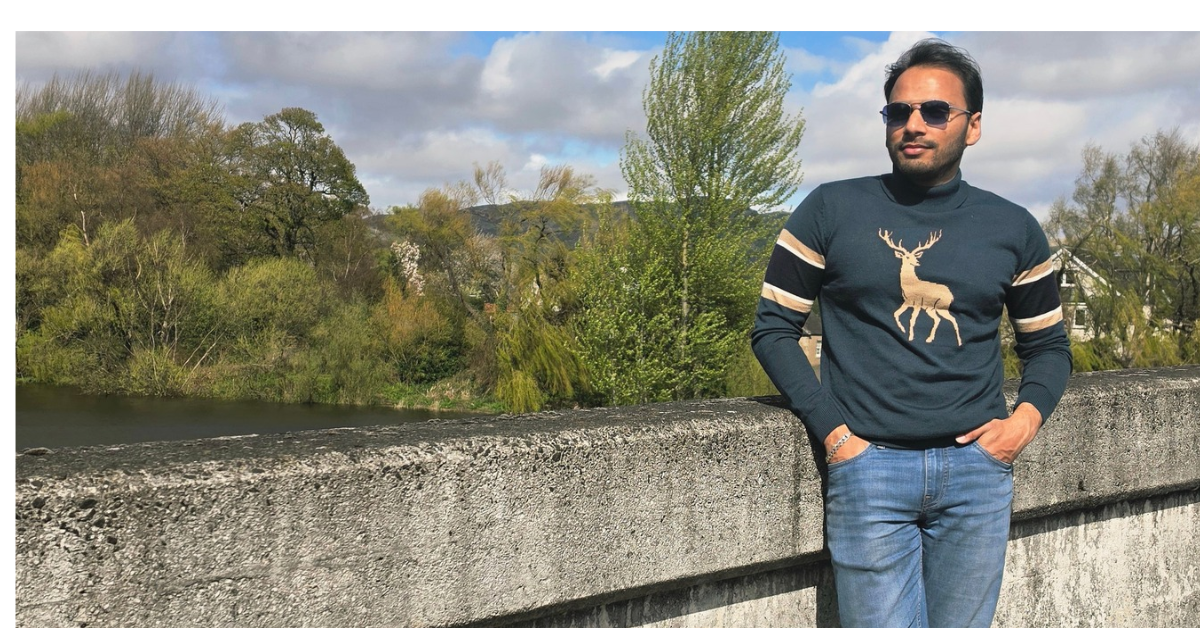
How Cranfield accelerated my career in Logistics and Supply Chain Management
After graduating from the MSc in Logistics and Supply Chain Management at Cranfield University, I've been reflecting on the experiences that made my journey so valuable and the impact it has had on my ...

Mendeley: a powerful tool to organise and manage your references
Are you looking for a way to manage your references, create in-text citations and reference lists for your assignments or thesis? If so, you may wish to consider using Mendeley. What is it? Mendeley is ...

Keen to develop your study skills?
Alongside the technical skills and academic knowledge that you will gain on your course, as a Cranfield student you have the opportunity to develop a range of other skills that can enhance your learning experience. ...
The V-conomy: powering the sixth wave of global economic growth
The world could be on the verge of a major surge in economic growth and development, driven by the convergence of AI and clean energy technology. Waiting to ride the K-wave The Russian ...

Need help using the Python programming language?
We know some of our students are currently trying to learn Python, so we wanted to make you aware of some great LinkedIn Learning videos that can help. But don't you have to pay for ...