


My Journey in Aerospace: From Taiwan to Cranfield
19/09/2024
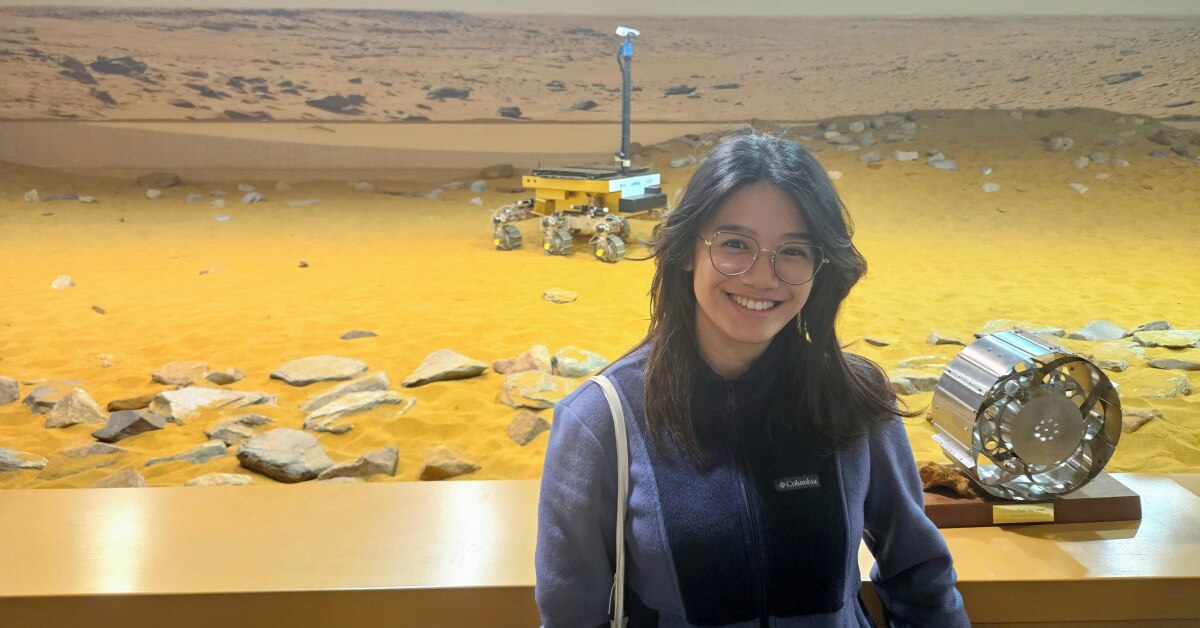
Meet Mei-Ying Teng, a recent Aerospace Computational Engineering MSc graduate. Originally from Taiwan, Mei’s passion for aerospace research led her to choose Cranfield for its unique focus in the field.
Hi everyone! I’m Mei-Ying Teng, but you can call me Mei. I recently graduated (2023-24) with a Master of Science in Aerospace Computational Engineering from Cranfield University in the UK. Originally from Taiwan, I chose Cranfield for its unique focus on aerospace research.
Why Cranfield?
There are many general MSc courses in Aerospace, but I craved a programme with dedicated lecturers, passionate about the field. Cranfield stood out for its specialisation and research focus, and I knew I would be surrounded by like-minded individuals who shared my passion.
A Tailored Learning Experience
The course felt perfectly designed for those seeking a specialisation in computational methods for aerospace applications. It provided a solid foundation in Computational Fluid Dynamics (CFD) principles while exposing me to various possibilities within the field.
One of the highlights was working on UCNS3D, a compressible flow solver developed by my thesis supervisor, Dr. Takis Tsoutsanis. This hands-on experience allowed me to learn about developing novel CFD solvers and apply theoretical knowledge. It was a refreshing change from using commercial software.
I still remember meeting Dr. Tom Teschner at the course induction. I was discussing my bachelor’s thesis, where I used CFD simulations to study a delta wing’s aerodynamic performance but was limited to 1-6 million computational cells. Dr. Teschner’s response, “6 million cells is where we start at,” solidified my decision that Cranfield was the right place for me.
A Day in the Life of a Cranfield Student
As a commuter student, I typically arrived on campus around 9am. I’d begin by finding a quiet space to plan my day and then head to lectures or work on assignments. I usually aimed to finish by 5pm, though busier days stretched until 7pm.
Outside of academics, I was passionate about STEM outreach. As an Outreach Officer with the CranSEDS Society, I participated in events at local schools and universities, sharing stories about space-related projects like rocket, satellite, and rover design. It was inspiring to see these projects bring together students from various disciplines, including CFD and Astronautics & Space Engineering.
During my thesis writing, the library became my haven. I cherished working under natural sunlight and taking breaks at “The Nook,” where I could unwind with jigsaw puzzles and Sudoku.
My Cranfield Experience
My undergraduate studies in Aerospace Engineering at Swansea University gave me a solid foundation for the UK study experience, which emphasises independent study and development. Cranfield, however, delivered a specialised, intensive learning environment. The professors are experts in their fields, and the coursework demands a high level of commitment. Yet, the lecturers are supportive. As long as you’re clear about your goals and seek help when needed, success is achievable. My time at Cranfield has shaped my learning style and instilled a passion for lifelong learning.
Aspirations and Advice
I hope to develop a fulfilling career as a CFD engineer within the aerospace field. My advice for aspiring CFD enthusiasts would be to identify areas for development and seek relevant resources. Maintain a strong interest in the field and build a portfolio showcasing your skills.
A Fun Fact?
While not necessarily relevant, I used to use Microsoft Excel for basic numerical analysis for finite element methods before discovering CFD software. This sparked my interest in competitive esports for Excel, where players compete in solving tasks and problems using Excel features. Financial modelling and logical thinking are popular contest categories.
I hope this gives you a glimpse into my journey as an aspiring CFD engineer at Cranfield University. Feel free to reach out if you need more information.

Categories & Tags:
Leave a comment on this post:
You might also like…
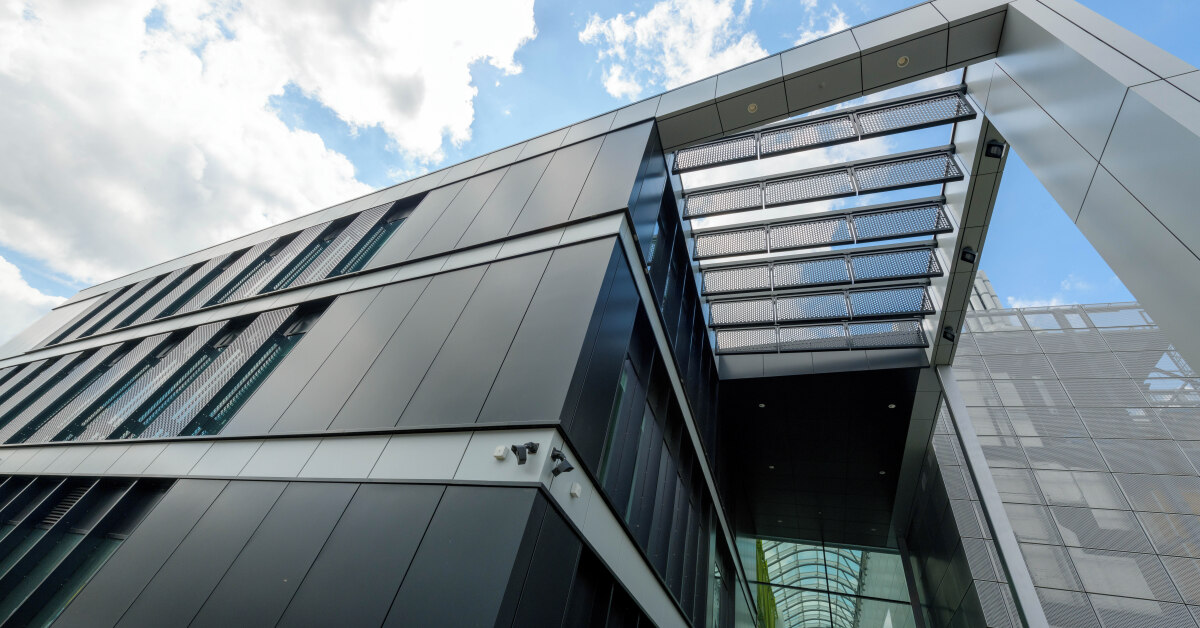
Cranfield: an environment where innovation thrives
The latest Knowledge Exchange Framework rankings from UK Research and Innovation (UKRI) gives an insight into the real and meaningful impact that UK universities have. The seven categories that make up KEF6 cover everything ...
How Cranfield accelerated my career in Logistics and Supply Chain Management
After graduating from the MSc in Logistics and Supply Chain Management at Cranfield University, I've been reflecting on the experiences that made my journey so valuable and the impact it has had on my ...
Mendeley: a powerful tool to organise and manage your references
Are you looking for a way to manage your references, create in-text citations and reference lists for your assignments or thesis? If so, you may wish to consider using Mendeley. What is it? Mendeley is ...
Keen to develop your study skills?
Alongside the technical skills and academic knowledge that you will gain on your course, as a Cranfield student you have the opportunity to develop a range of other skills that can enhance your learning experience. ...

The V-conomy: powering the sixth wave of global economic growth
The world could be on the verge of a major surge in economic growth and development, driven by the convergence of AI and clean energy technology. Waiting to ride the K-wave The Russian ...

Need help using the Python programming language?
We know some of our students are currently trying to learn Python, so we wanted to make you aware of some great LinkedIn Learning videos that can help. But don't you have to pay for ...
Comments are closed.