


Three practical ways SMEs can build resilience in a challenging business environment
12/08/2026

Economic uncertainty, shifting customer expectations and rapid technological change have become part of everyday business. While no organisation can predict every challenge, small and medium-sized enterprises (SMEs) can improve their resilience by focusing on three areas that strengthen their ability to adapt, innovate and grow.
Economic uncertainty, shifting customer expectations and rapid technological change have become part of everyday business. While no organisation can predict every challenge, small and medium sized enterprises (SMEs) can improve their resilience by focusing on three areas that strengthen their ability to adapt, innovate and grow.
The first priority is maintaining financial awareness and discipline. Too often, business owners become consumed by running the business, managing operations and solving day-to-day problems, without paying enough attention to the numbers. Every business owner should have a clear understanding of cash flow, operating costs and profitability. Regular financial reviews help identify risks before they become major issues, support better investment decisions and provide the confidence to respond proactively when circumstances change.
A strong financial foundation allows businesses to make strategic decisions rather than simply reacting to events.
Secondly, businesses should invest in building strong customer relationships. Many SMEs work incredibly hard to attract new customers yet often overlook the value of retaining the ones they already have. Existing customers are more likely to buy again, recommend your business to others and provide honest feedback that can shape future products and services. Staying connected through regular communication, listening to customer concerns and responding to changing needs helps build trust and long-term loyalty.
Businesses that genuinely understand their customers are better able to anticipate market changes, identify new opportunities and remain competitive, even during periods of uncertainty.
Resilient businesses are those that embrace continuous learning. Many business owners believe in learning by doing, and experience is undoubtedly valuable. But markets, technologies and customer expectations are constantly evolving, and my final point is potentially the most powerful:
If you only learn from your own day-to-day activities, you risk limiting your perspective to what you already know.
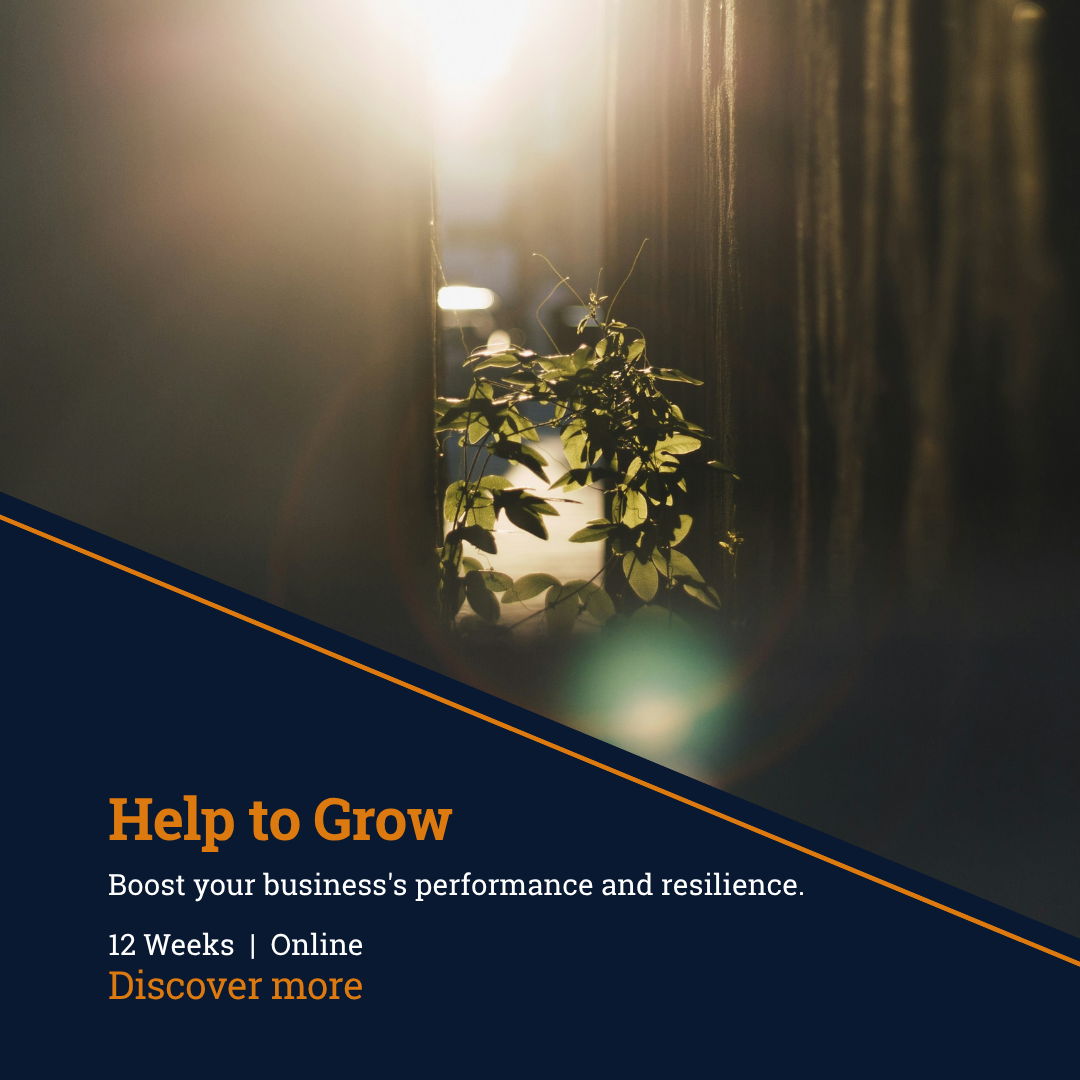
Leaders who continue to invest in their own development are better equipped to recognise opportunities and respond to change with confidence. Whether through networking, mentoring, peer learning or structured leadership development programmes such as the UK Government backed Help to Grow: Management programme, continuous learning brings fresh ideas, practical tools and valuable perspectives. Equally important is creating a culture where employees are encouraged to learn, share ideas and contribute to innovation, helping the business remain agile and competitive.
Resilient businesses are not those that avoid challenges, but those that prepare for them. By strengthening financial management, building lasting customer relationships and committing to continuous learning, SMEs can develop the capabilities needed to thrive in an increasingly complex and unpredictable business environment.


Categories & Tags:
Leave a comment on this post:
You might also like…

The V-conomy: powering the sixth wave of global economic growth
The world could be on the verge of a major surge in economic growth and development, driven by the convergence of AI and clean energy technology. Waiting to ride the K-wave The Russian ...

Get a head start on referencing and plagiarism
We offer a module on Referencing And Avoiding Plagiarism which you can find on your Canvas dashboard. It explains the role and importance of citing references and how to incorporate the work of other authors ...

How Cranfield shaped my journey as an Aerospace Engineer
If I'm being specific about the moment it clicked, it was reading a paper called "On the Role and Challenges of Computational Fluid Dynamics (CFD) in the Aerospace Industry" by two Boeing engineers, P. ...

Introducing Kings Norton Library
Welcome to all our new students! We are looking forward to meeting you soon. You will find Kings Norton Library in the centre of the Cranfield campus, and it is open 24/7 to all staff ...

Setting your research on the right course: Four questions every researcher should ask
Whether you are just beginning your doctoral journey or are already well into your research career, successful research rarely happens by accident. Like any successful mission, it depends on good planning, informed decisions, and getting ...

5 budgeting mistakes students make (and how to avoid them)
Good financial planning isn't about how much money you have. It's about the habits you build. We asked Dr Lakshmy Subramanian, Course Director for the Banking, Economics and Finance MSc, about the budgeting mistakes ...