


Cranfield’s women in defence: Dr Sarah Morris, Senior Lecturer in Digital Investigation
08/03/2021
Working in defence and security isn’t all about weapons and blowing things up. To coincide with International Women’s Day on 8 March and this year’s #ChooseToChallenge theme, we hear from three of Cranfield University’s experts working in a variety of roles in the sector.
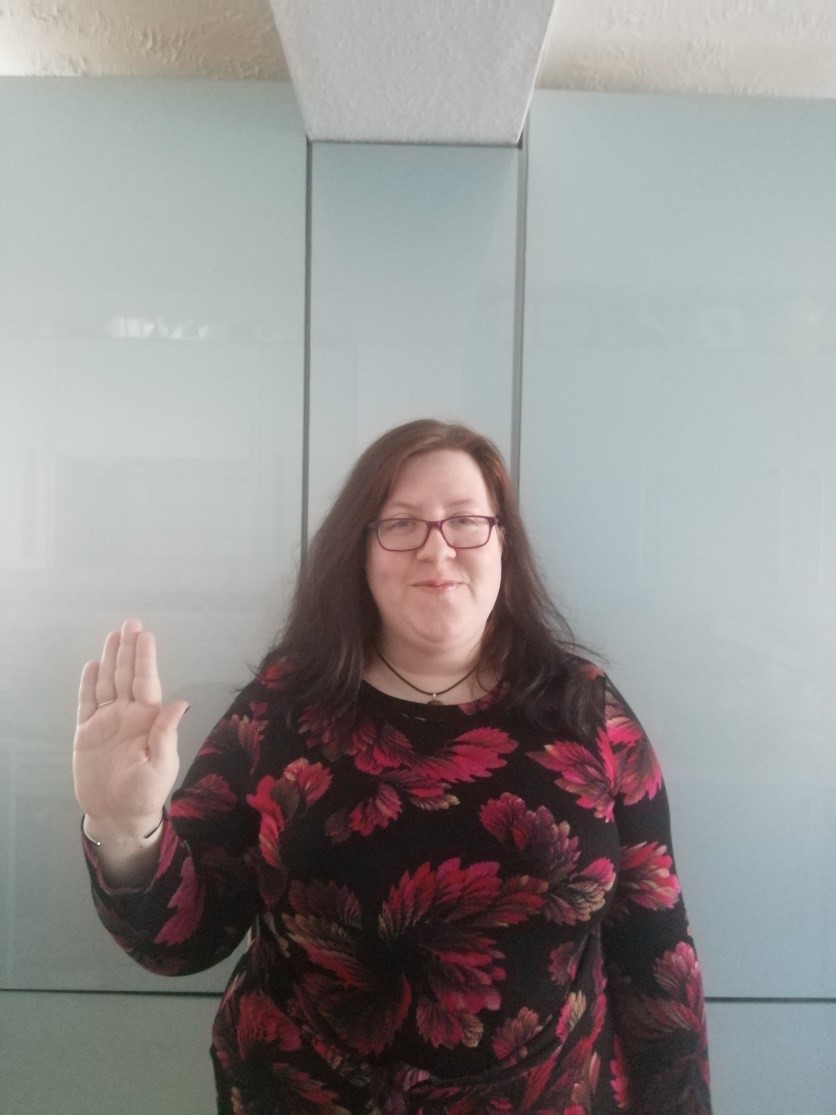
Sarah’s work in digital investigation and forensics involves her gathering information from digital devices ranging from washing machines to smart watches. It includes supporting law enforcement in their day-to-day operations and providing intelligence for ongoing activities either in the military or police, and providing cutting-edge knowledge of how to work with devices, in particular research methods as devices change so often.
Under Sarah’s leadership, Cranfield’s Digital Investigation Unit has become widely recognised as the UK’s centre of excellence for digital investigation education, research and casework, and is one of the longest established digital investigation units in the world. Sarah was shortlisted for a national UK Women in Defence Award in the Outstanding Contribution category in 2018 for her work in developing the Unit and her commitment to the student learning experience at Cranfield.
What do you enjoy most about working in defence and at CDS?
I get to research and grow the theoretical knowledge of my discipline and put it into practice through casework, making a difference on the ground. Doing casework for various clients, including defence, criminal, civil, media outlets and celebrities, means I get to “catch the bad guys” and bring my own war stories into my research and teaching.
Is there a woman in particular that inspired your career in defence?
Professor Jackie Akhavan has been my mentor for several years and is a fantastic source of strength and inspiration about working within defence and academia. She has inspired me to continue to develop my digital investigation career within a defence context.
What do you wish you’d known when you started your career?
That whatever your passions, there is a career out there to match it. When I was in the sixth form, people thought it was a terrible choice to study Maths, Law and Computing, even though they were the three things that interested me. Everyone (including careers) said it wasn’t a combination that fit with a career area. It turns out, Digital Forensics was still in its infancy and not widely known, but it was there, and it combines those three areas.
Do you have any advice for women beginning their career in the industry?
Believe in yourself and follow a path that makes you want to get out of bed every morning.
Do you feel the defence industry has changed as a place for women to work and build a career?
It’s changing, and things are improving, but I think there are still times where things feel harder than they should. However, every step forward is a step in the right direction
Do you feel empowered as a woman in defence?
Whenever I tell people what I do, I find myself getting very animated and bouncy. I love my job, and I love my area of expertise; that passion makes me feel empowered.
Is there anything you #ChooseToChallenge as a woman in the defence industry?
I regularly get involved with mentoring women, giving presentations, and doing media work to promote my field. I think it’s essential for everyone to see that defence and academia all kinds of people and backgrounds. Seeing that will hopefully encourage others to engage with or join us.
Do you think the industry has changed in terms of the stereotypes and bias it was once renowned for?
There are more opportunities, and you are heard more than when I started, but I’d say it’s changing and developing positively.
Do you think Cranfield has helped to challenge the stereotypes of women in defence?
At Cranfield, like a lot of my female colleagues, I’ve been given a voice and supported by senior staff and the media team to grow my career and community engagement. This support provides us with the opportunity as a university to challenge the stereotypes and promote inclusion.

Categories & Tags:
Leave a comment on this post:
You might also like…

Mendeley: a powerful tool to organise and manage your references
Are you looking for a way to manage your references, create in-text citations and reference lists for your assignments or thesis? If so, you may wish to consider using Mendeley. What is it? Mendeley is ...

Keen to develop your study skills?
Alongside the technical skills and academic knowledge that you will gain on your course, as a Cranfield student you have the opportunity to develop a range of other skills that can enhance your learning experience. ...

The V-conomy: powering the sixth wave of global economic growth
The world could be on the verge of a major surge in economic growth and development, driven by the convergence of AI and clean energy technology. Waiting to ride the K-wave The Russian ...

Need help using the Python programming language?
We know some of our students are currently trying to learn Python, so we wanted to make you aware of some great LinkedIn Learning videos that can help. But don't you have to pay for ...

What does it really take to become a Chevening Scholar?
Say “Turkmenistan” to most people and you’ll get a blank look. That was true when I left Ashgabat for the UK to study an MSc in Logistics and Supply Chain Management at Cranfield University ...

Get a head start on referencing and plagiarism
We offer a module on Referencing And Avoiding Plagiarism which you can find on your Canvas dashboard. It explains the role and importance of citing references and how to incorporate the work of other authors ...