


My PhD Journey at Shrivenham – Part 2
06/07/2020
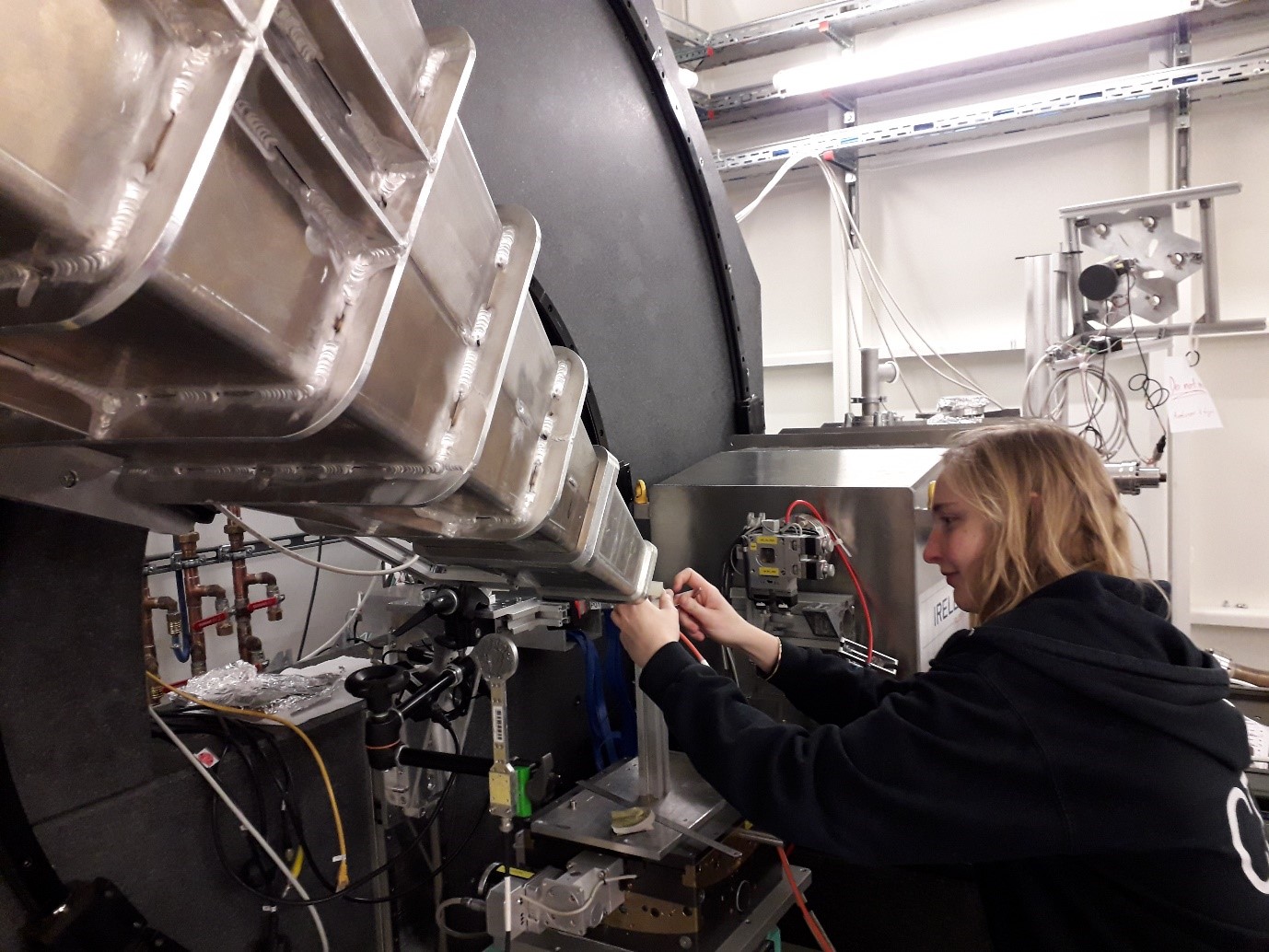
I have always wanted to become a scientist, even when I was younger, so my family was never surprised I wanted to do a PhD. It is sometimes a little hard to explain to them what exactly I do, as no one in my family is a scientist, but they are always supportive and proud of what I do. With my friends, those that are not scientists are happy that I found something I enjoy, even if they may not understand exactly what I talk about sometimes. My more scientific friends are happy that I found an interesting scientific challenge to explore.
My research investigates electrical insulators, specifically polymers, on how they fundamentally react to extremely high voltages. For example, these insulating materials can be found in electrical cables or capacitors. These components are used in many different applications, ranging from power generation and telecommunication to audio systems, to name only a few. Understanding how high voltages change the insulator on a macroscopic and microscopic level is important for predicting faults and failures in the material, as well as for developing better and longer lasting insulators in the future. Because the changes investigated are every minute, the use of very sophisticated instrumentation that is not readily available in conventional laboratories is often required. These include large scale facilities such as DESY, the large-scale synchrotron facility in Germany, that can be thought of as an extremely bright X-ray source!
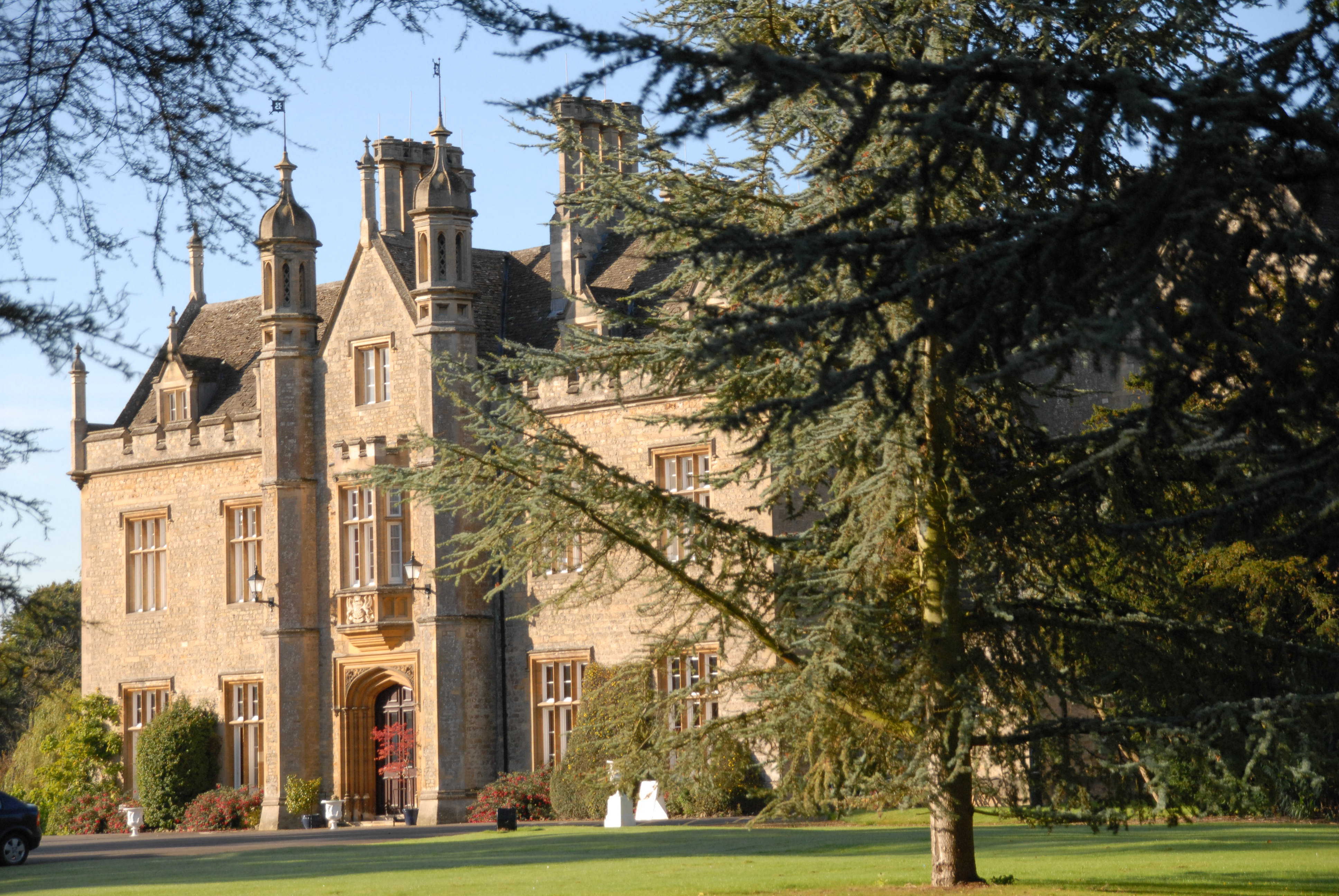
Being at Cranfield is very different to anything I have done before. Working at the Shrivenham Campus is nothing like working at a conventional campus or even in industry. At Shrivenham, because the campus is at the Defence Academy of the United Kingdom, we have an exclusive behind the scenes look into a site which is normally off-limits to civilians. Going to site for the first time can be quite daunting due to the security and the size of the site, but eventually you get used to helicopters regularly landing near where you work and seeing military guards and personal on a daily basis. Because we are a small student community across a big site, it is reassuring to be close other PhD students that have gone through the same experiences. These may be typical PhD student experiences, but in some respects it can be very different to what other PhD students may experience, simply because of where we are based. But it is very comforting to have the support and friendship from everyone around.

Categories & Tags:
Leave a comment on this post:
You might also like…
Moving to the UK to study? How to plan for banking, exchange rates and transfers
Currency and banking are two of the most practical parts of financial planning for international students. They are also often the most overlooked. We asked Dr Lakshmy Subramanian, Course Director for Cranfield University's Banking, ...
Cranfield: an environment where innovation thrives
The latest Knowledge Exchange Framework rankings from UK Research and Innovation (UKRI) gives an insight into the real and meaningful impact that UK universities have. The seven categories that make up KEF6 cover everything ...
How Cranfield accelerated my career in Logistics and Supply Chain Management
After graduating from the MSc in Logistics and Supply Chain Management at Cranfield University, I've been reflecting on the experiences that made my journey so valuable and the impact it has had on my ...
Mendeley: a powerful tool to organise and manage your references
Are you looking for a way to manage your references, create in-text citations and reference lists for your assignments or thesis? If so, you may wish to consider using Mendeley. What is it? Mendeley is ...

Keen to develop your study skills?
Alongside the technical skills and academic knowledge that you will gain on your course, as a Cranfield student you have the opportunity to develop a range of other skills that can enhance your learning experience. ...

The V-conomy: powering the sixth wave of global economic growth
The world could be on the verge of a major surge in economic growth and development, driven by the convergence of AI and clean energy technology. Waiting to ride the K-wave The Russian ...