


My PhD Journey at Shrivenham – Part 1
02/07/2020
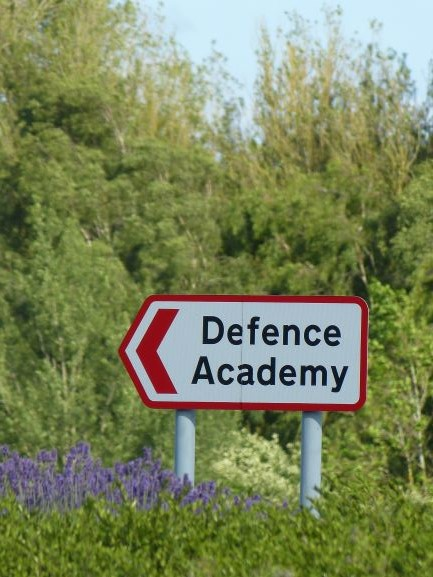
My background is as an analytical chemist and a forensic scientist. I have a BSc and an Erasmus Mundus Masters in Forensic Science, and after I finished my Masters, I worked for a while as a scientist. However, I always enjoyed research, so I knew that I wanted to do a PhD at some point. When I came across the position at Cranfield, I thought the project sounded interesting and applied.
I think one of the best things about studying for a PhD is the time you get to spend on a project. Three years is a long time to get to grips with a topic and to learn and enhance one’s skills. On the other hand, three years can fly by very quickly, so the most challenging part is to stay focused. There will be setbacks, but with perseverance most challenges can be overcome.
Student life at Shrivenham is quite different to other campuses, but there are plenty of things to do. Next to going to the gym, I often use the opportunity to take part in military events. This includes for example Mess Events, such as black-tie dinner nights. I have also been a member of the Cranfield Student Association for almost two years and we try to organise small and big events throughout the year. Having these social events, a board game night, a fancy dinner or a trip to the zoo, is a great way to hang out with friends and meet new people and they bring our small student community together a little more at Shrivenham.
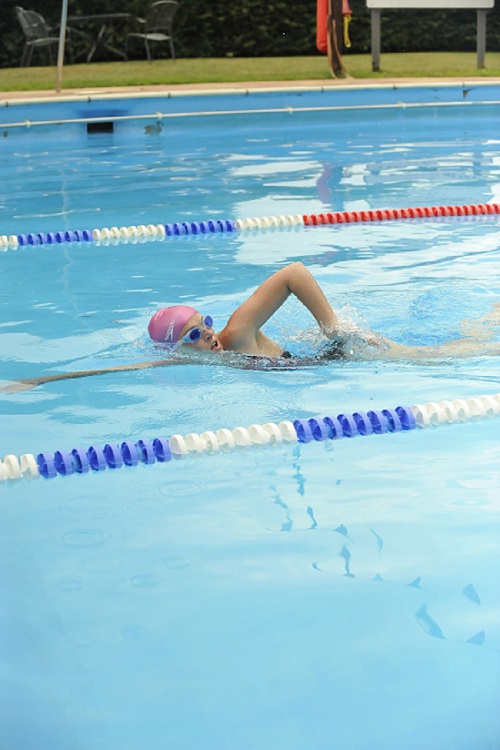
Normally, my day, when the nation is not in a lockdown, starts with me getting into work at around 7:30 am. I normally check my emails and sort out anything I need for the day. At 8:30 am, the PhD students meet in the tearoom for a morning tea/coffee and a chat. Most days, someone will have brought in a baked goods, so there is often cakes or biscuits to go around. After that, I either head to the lab or do some data treatment in the office. The PhD students in my department normally have lunch and do a crossword together at 12:00. I tend to forget to eat if for example I do experiments all day, so this forces me to eat and have a break. The rest of the day, I will continue with my experiments or my data treatment. On site, they offer Yoga and Pilates after work, so I will normally head to one of those classes or go for a swim after work.
For someone wanting to do a PhD, next to having a project you think you will enjoy doing for a few years, I think it is important to have a good relationship with your supervisor. People are different, so a supervisor that works for me may not work for someone else. Finding and having a good supervisor relationship is very important. In the end, they are there to help, guide and support you in your project and without that, doing a PhD can be quite difficult. On that note, finding a good support system is also vital. Making friends with other PhD students that understand what you are going through is crucial in helping you overcome obstacles and celebrate achievements. Finding something you enjoy apart from your PhD, a hobby or a sport, is equally as important. It’s good to not think about work sometimes, no matter how much you love your project.

Categories & Tags:
Leave a comment on this post:
You might also like…

Engineering Tomorrow. Part two: Can we move around the world without emissions?
Moving people and goods around the world is essential to modern life. But every journey has an environmental cost, and reducing the emissions associated with transport is one of the major engineering challenges of ...

Following in the footsteps of aerospace pioneers
I came to Cranfield to understand how aircraft stay in the sky. Months later, I was measuring the performance of aircraft engines in flight aboard the National Flying Laboratory Centre's Saab 340B. My ...

From looking up at jet engines to powering the future of flight
From flying aboard Cranfield's Saab 340B flying classroom to rebuilding a gas turbine component by component, Jouni Kailouh's journey shows how specialist, hands-on experience can turn a fascination with propulsion into a future career ...
Engineering Tomorrow. Part one: Can we power the future without costing the Earth?
The world needs energy. To power homes, industries, transport and the technologies shaping our future. But as demand grows and the pressure to reduce emissions increases, how do we generate the energy we need ...

Looking ahead: Building foresight skills for a more sustainable future
As sustainability challenges become more complex and uncertain, organisations need people who can look beyond today's pressures and think strategically about the future. From changing regulations and emerging technologies to supply chain disruption and ...

Brazil to Cambridge: How Cranfield helped me build a career in data analytics
I was hungry for something bigger. Before Cranfield, I was living in São Paulo, Brazil, working as a Data and Market Intelligence Analyst in the trading division of Raízen. My background is actually ...