

My PhD Journey at Shrivenham – Part 1
02/07/2020
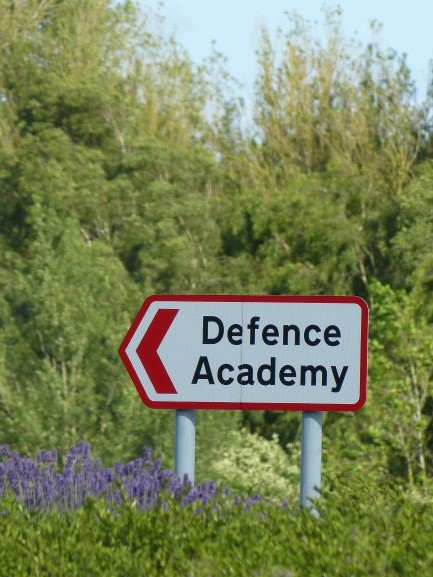
My background is as an analytical chemist and a forensic scientist. I have a BSc and an Erasmus Mundus Masters in Forensic Science, and after I finished my Masters, I worked for a while as a scientist. However, I always enjoyed research, so I knew that I wanted to do a PhD at some point. When I came across the position at Cranfield, I thought the project sounded interesting and applied.
I think one of the best things about studying for a PhD is the time you get to spend on a project. Three years is a long time to get to grips with a topic and to learn and enhance one’s skills. On the other hand, three years can fly by very quickly, so the most challenging part is to stay focused. There will be setbacks, but with perseverance most challenges can be overcome.
Student life at Shrivenham is quite different to other campuses, but there are plenty of things to do. Next to going to the gym, I often use the opportunity to take part in military events. This includes for example Mess Events, such as black-tie dinner nights. I have also been a member of the Cranfield Student Association for almost two years and we try to organise small and big events throughout the year. Having these social events, a board game night, a fancy dinner or a trip to the zoo, is a great way to hang out with friends and meet new people and they bring our small student community together a little more at Shrivenham.
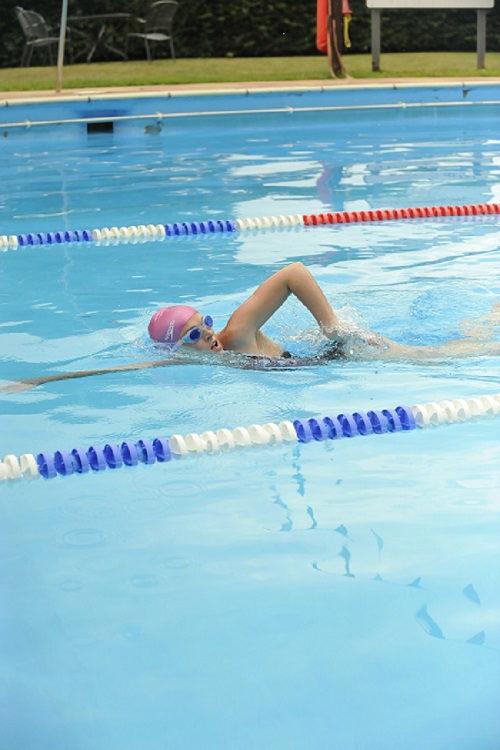
Normally, my day, when the nation is not in a lockdown, starts with me getting into work at around 7:30 am. I normally check my emails and sort out anything I need for the day. At 8:30 am, the PhD students meet in the tearoom for a morning tea/coffee and a chat. Most days, someone will have brought in a baked goods, so there is often cakes or biscuits to go around. After that, I either head to the lab or do some data treatment in the office. The PhD students in my department normally have lunch and do a crossword together at 12:00. I tend to forget to eat if for example I do experiments all day, so this forces me to eat and have a break. The rest of the day, I will continue with my experiments or my data treatment. On site, they offer Yoga and Pilates after work, so I will normally head to one of those classes or go for a swim after work.
For someone wanting to do a PhD, next to having a project you think you will enjoy doing for a few years, I think it is important to have a good relationship with your supervisor. People are different, so a supervisor that works for me may not work for someone else. Finding and having a good supervisor relationship is very important. In the end, they are there to help, guide and support you in your project and without that, doing a PhD can be quite difficult. On that note, finding a good support system is also vital. Making friends with other PhD students that understand what you are going through is crucial in helping you overcome obstacles and celebrate achievements. Finding something you enjoy apart from your PhD, a hobby or a sport, is equally as important. It’s good to not think about work sometimes, no matter how much you love your project.

Categories & Tags:
Leave a comment on this post:
You might also like…
Keen to develop your study skills?
Alongside the technical skills and academic knowledge that you will gain on your course, as a Cranfield student you have the opportunity to develop a range of other skills that can enhance your learning experience. ...
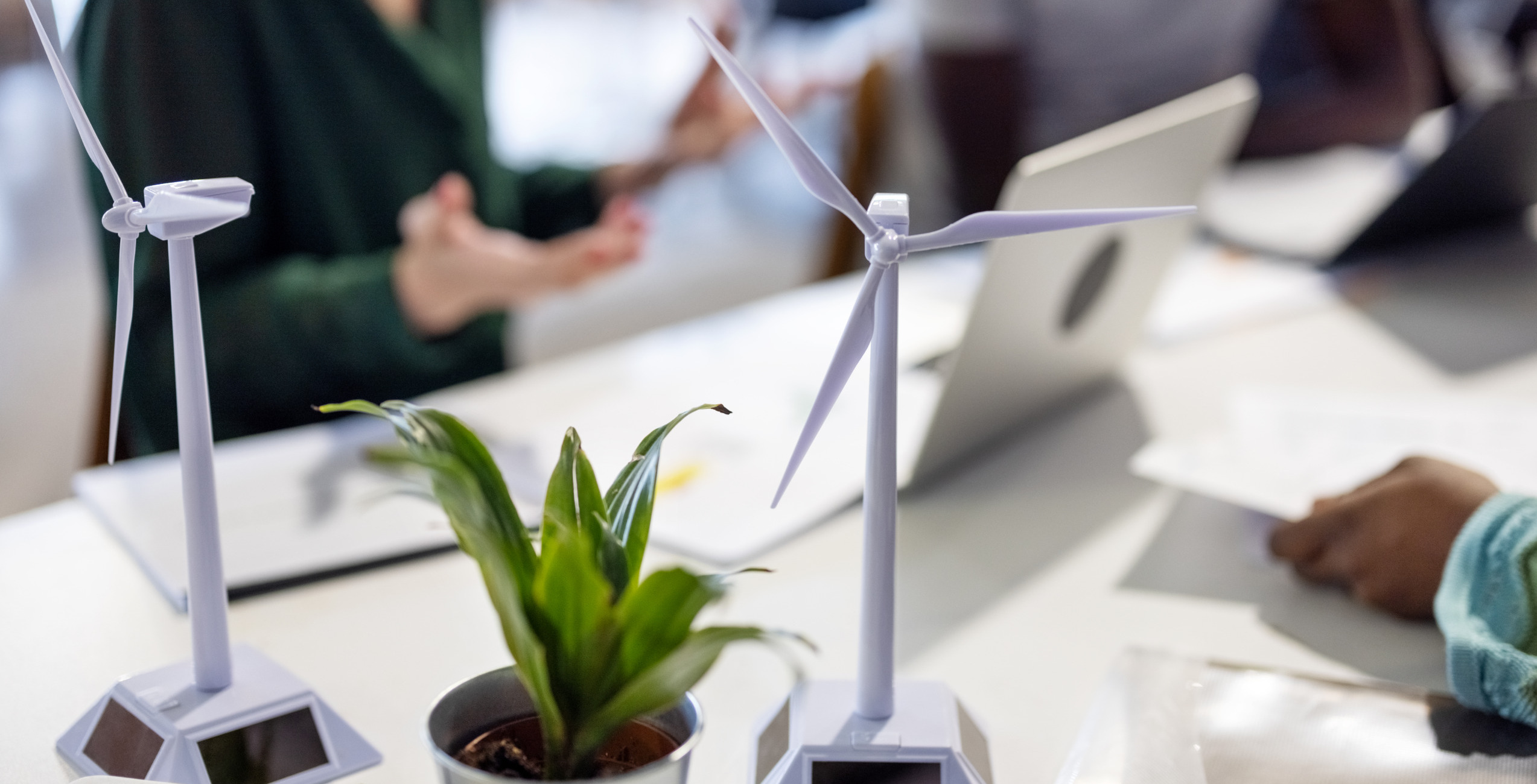
The V-conomy: powering the sixth wave of global economic growth
The world could be on the verge of a major surge in economic growth and development, driven by the convergence of AI and clean energy technology. Waiting to ride the K-wave The Russian ...

Need help using the Python programming language?
We know some of our students are currently trying to learn Python, so we wanted to make you aware of some great LinkedIn Learning videos that can help. But don't you have to pay for ...
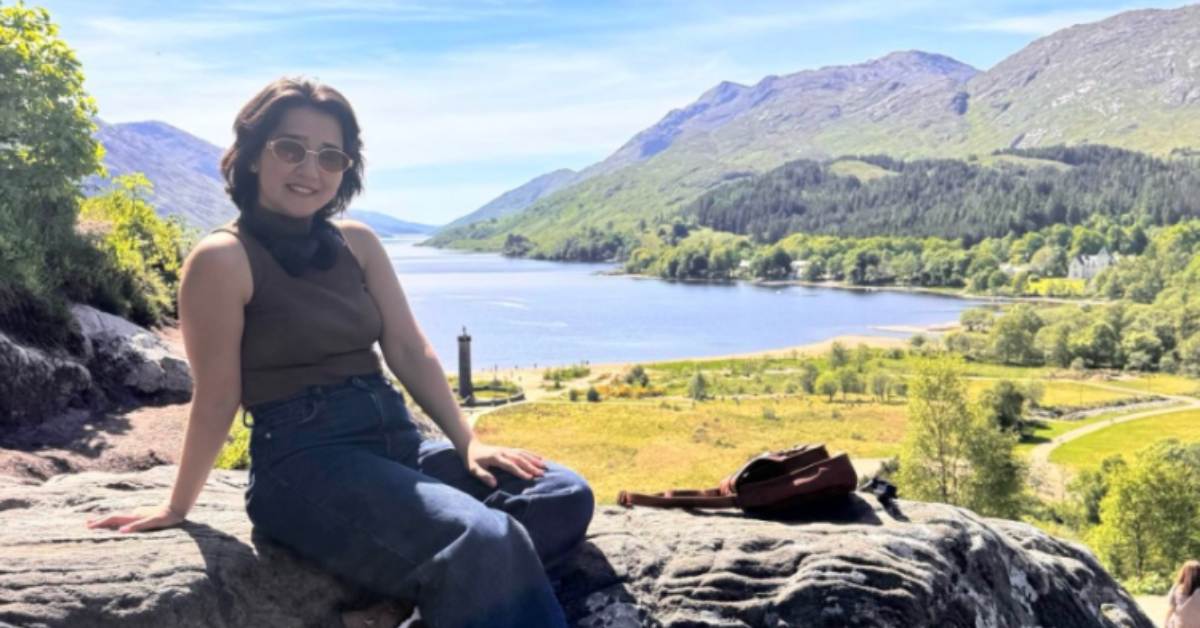
What does it really take to become a Chevening Scholar?
Say “Turkmenistan” to most people and you’ll get a blank look. That was true when I left Ashgabat for the UK to study an MSc in Logistics and Supply Chain Management at Cranfield University ...

Get a head start on referencing and plagiarism
We offer a module on Referencing And Avoiding Plagiarism which you can find on your Canvas dashboard. It explains the role and importance of citing references and how to incorporate the work of other authors ...
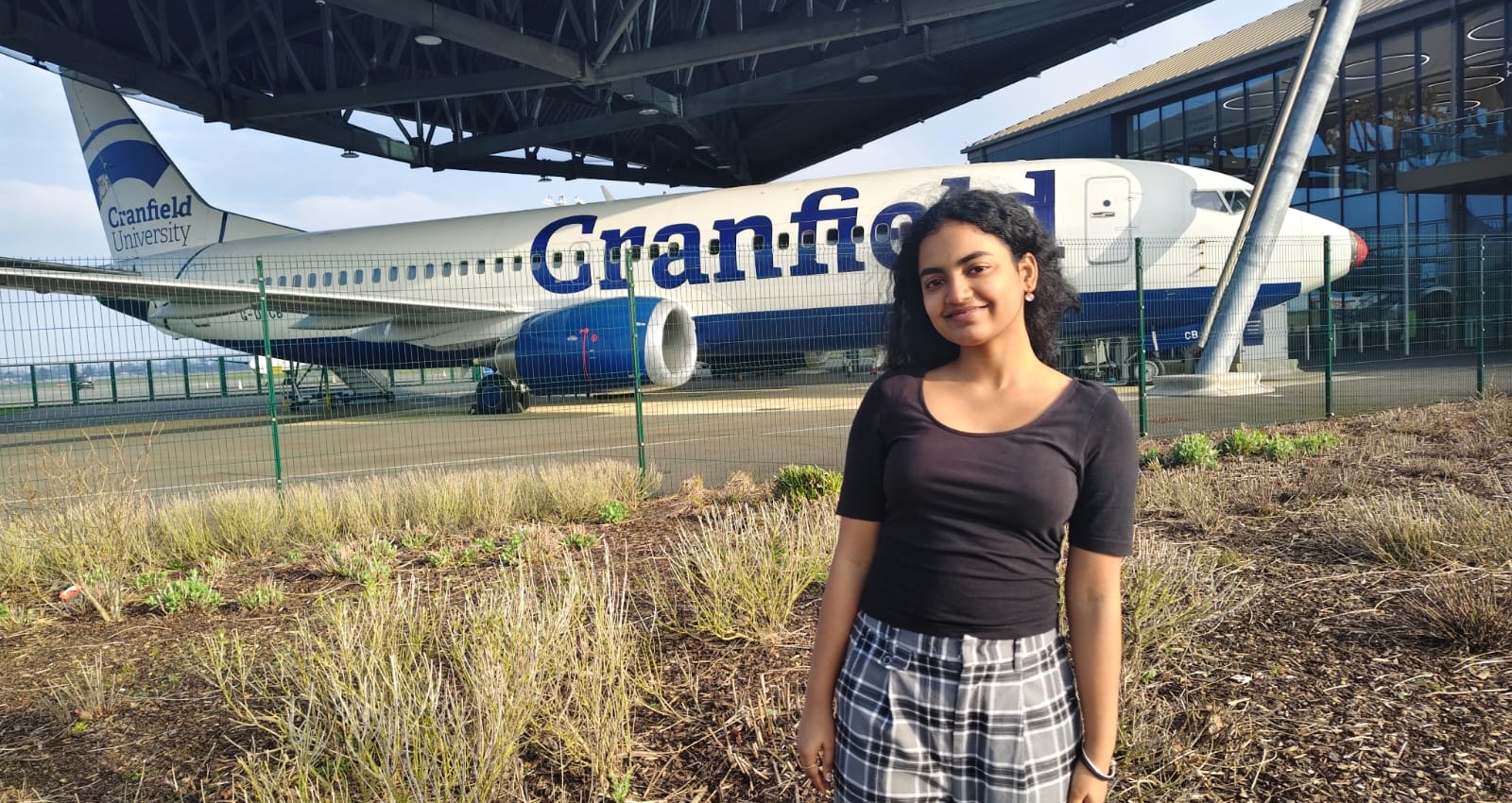
How Cranfield shaped my journey as an Aerospace Engineer
If I'm being specific about the moment it clicked, it was reading a paper called "On the Role and Challenges of Computational Fluid Dynamics (CFD) in the Aerospace Industry" by two Boeing engineers, P. ...