

A sit down with Professor Philip Longhurst
31/03/2020
Tell us a bit about your role at Cranfield and what a typical day might look like.
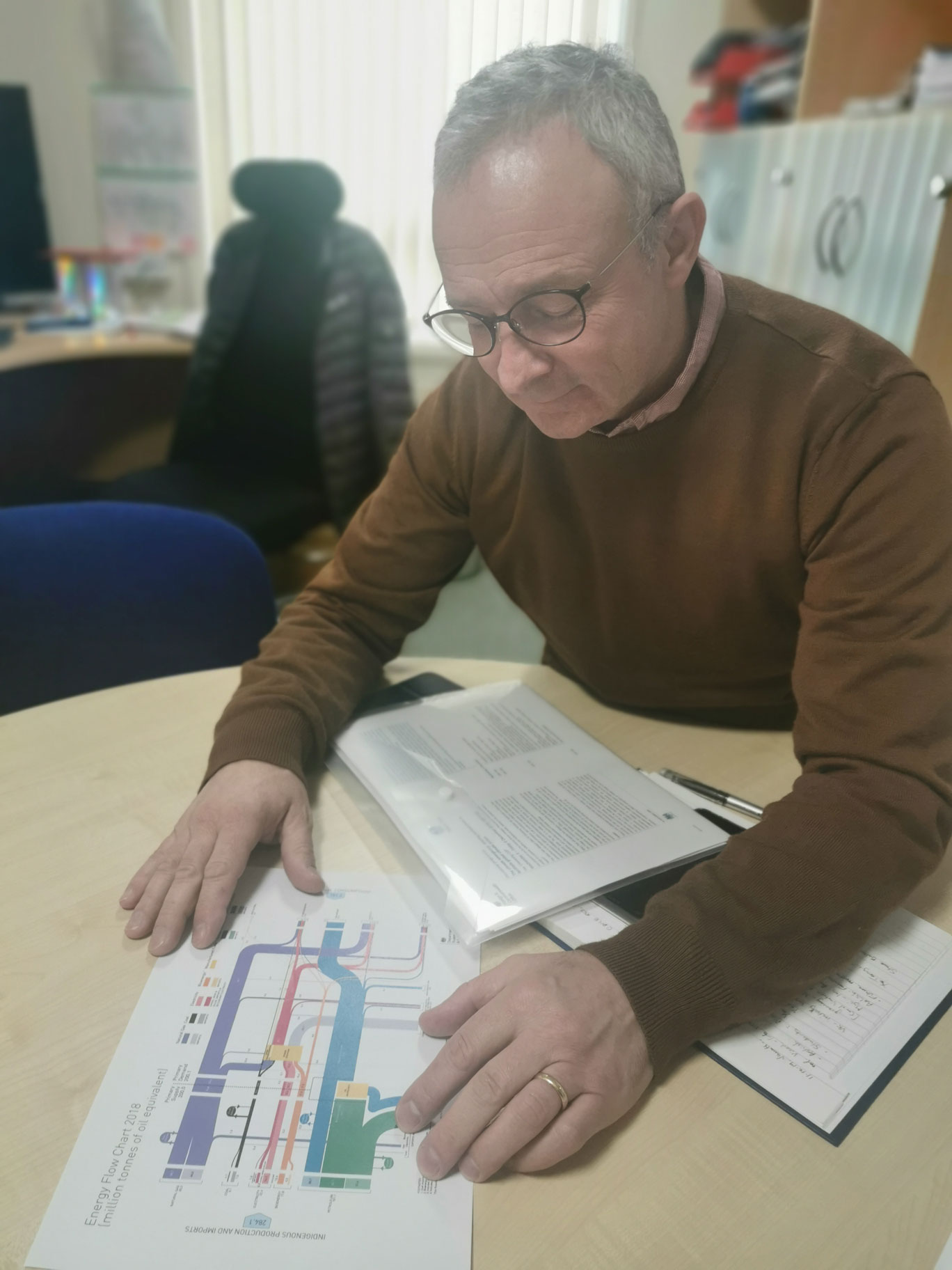
My job spans between four main areas. One is working with research students and researchers on projects, either the students’ own project or a project they are working on with me. There’s a bit of my job that involves business development, which is looking at future calls for work, and helping build consortia, develop ideas, going to meetings about new initiatives and sharing all of these with the Energy and Power team. There’s also a bit of my job that involves delivering projects. I’m working on one with a number of large organisations in partnership with a city council, taking heat from waste plant, distributing that heat as party of a city network to businesses and residences, generating electricity for commercial and public service vehicles, and designing the whole system or business model so that it can be adopted by any city. Finally my job also entails working with the rest of the centre staff in a mixture of admin and managerial roles throughout the variety of projects, MSc courses and business opportunities we work on collaboratively with other areas of the University. So in terms of a typical day, there really isn’t one.
Do you often work collaboratively with other areas of the University?
We do, in fact being located close to Milton Keynes gives us an ideal opportunity to work on a number of innovative projects incorporating several specialist areas of the University. Working with Milton Keynes City Council and Connected Places Catapult, myself along with a number of colleagues from Cranfield including Helen Atkinson, Graham Braithwaite, Simon Jude, James Brighton are looking at energy futures and transport, so we are bringing together our expertise in the themes of Energy and Power, Environment and Transport Systems to work collaboratively on a pan-University basis. Milton Keynes is seen as a really good testing ground for new ideas because it has both independence and isolation, and doesn’t have the layers of archaeological interference, or old infrastructure that older cities have, making it easier to test and implement new ideas.
What excites you most about what you are currently doing?
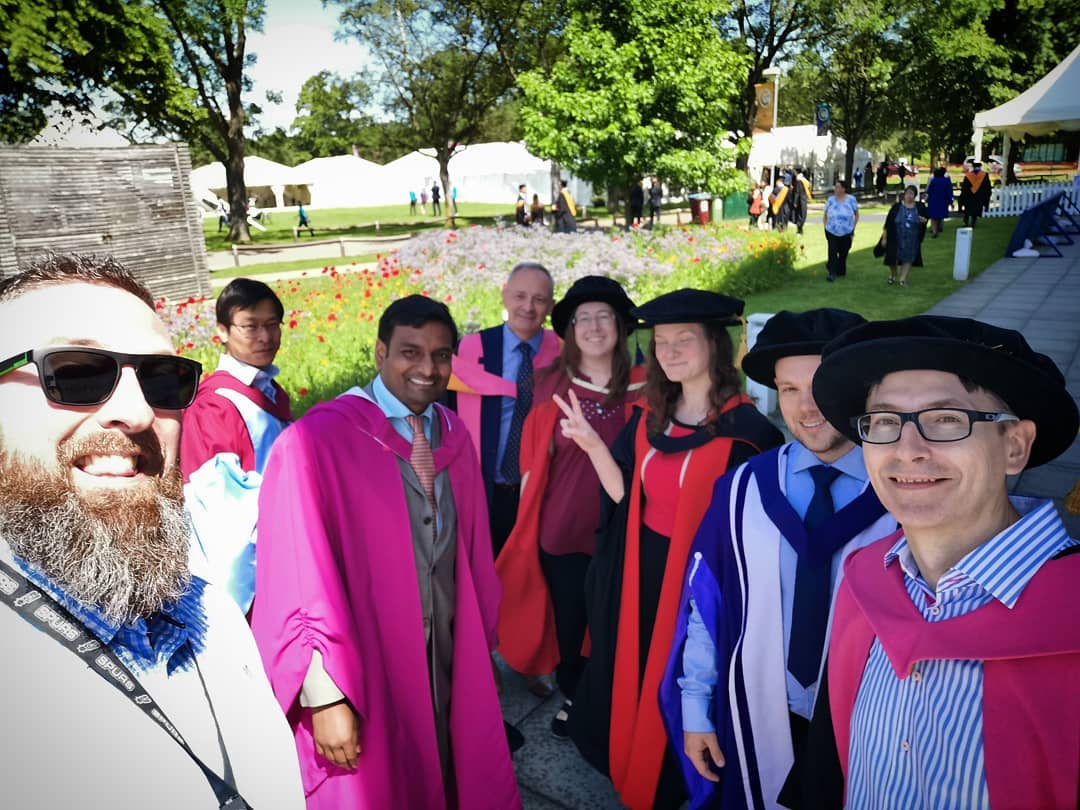
Projects aside, I think it’s the extreme diversity both in my role and in the areas I find myself. For example, talking about landfill and landfill mining, I have been to places where abject poverty lives side by side with extreme wealth, and I feel privileged as an academic to be involved in projects and research designed to narrow that gap. At other times, I have been to meetings with BT for example to talk about the extraction of the copper that formed the telephone exchange in the UK, as the transition to fibre continues. So I get an insight into the changes that are taking place in our own economy and economies ahead of ours, along with seeing developing economies taking shape, it’s all very exciting. I get to see some sights! More recently I was invited to speak at an event which involved around 30-40 politicians from around the world with a view to educate them about the impacts, implications and timescales of climate change. I was asked to give the talk for Chevening Scholars on Energy alongside Nick Dunlop, Secretary General at Climate Parliament.
On the subject of climate change and the shift we are seeing around the world, is there an opportunity for students to be involved in steering that change?
When you consider every business is exposed to decisions around climate change – the publicity of their operations, and the validity of their claims around sustainability are increasingly under scrutiny, the opportunity is vast. Within the Centre for Climate and
Environmental Protection at Cranfield we look at the enabling technologies and infrastructure required to help the transition from traditional carbon-reliant energy production to cleaner and more sustainable methods and processes. We work closely with our colleagues in the other centres within the University and look at how industry can produce and store energy in a more climate friendly way. We are at a real turning point, and the opportunities in this area are immeasurable, both in terms of employment and research.
What do you see students doing after their studies at Cranfield?
We see an increasing amount of companies asking us greenhouse gas emissions related questions, so the industry is hungry for professionals with background knowledge and the ability to apply that knowledge in an industrial context, which is something we specialise in at Cranfield.
One of the unique aspects of Cranfield is our breadth of expertise across sectors and specialisms, working with colleagues from a number of different parts of the University is commonplace, so students are exposed to both the knowledge through academic collaborations and industrial connections, giving them the opportunity to explore a multitude of options, across sectors and specialisms.

Categories & Tags:
Leave a comment on this post:
You might also like…
The V-conomy: powering the sixth wave of global economic growth
The world could be on the verge of a major surge in economic growth and development, driven by the convergence of AI and clean energy technology. Waiting to ride the K-wave The Russian ...

Get a head start on referencing and plagiarism
We offer a module on Referencing And Avoiding Plagiarism which you can find on your Canvas dashboard. It explains the role and importance of citing references and how to incorporate the work of other authors ...
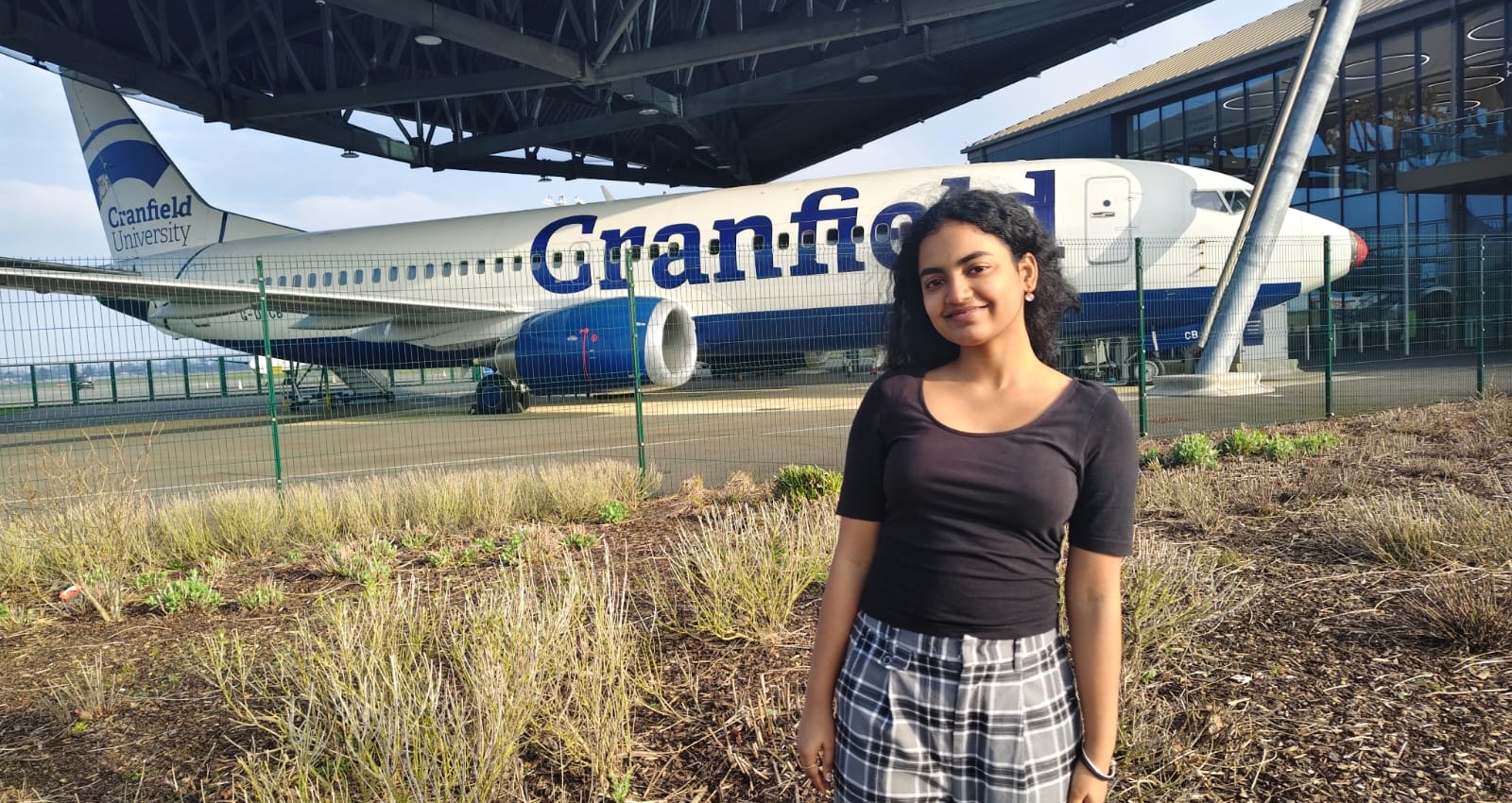
How Cranfield shaped my journey as an Aerospace Engineer
If I'm being specific about the moment it clicked, it was reading a paper called "On the Role and Challenges of Computational Fluid Dynamics (CFD) in the Aerospace Industry" by two Boeing engineers, P. ...
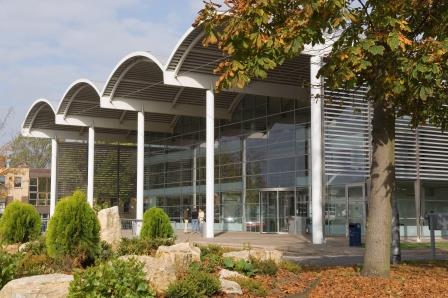
Introducing Kings Norton Library
Welcome to all our new students! We are looking forward to meeting you soon. You will find Kings Norton Library in the centre of the Cranfield campus, and it is open 24/7 to all staff ...

Setting your research on the right course: Four questions every researcher should ask
Whether you are just beginning your doctoral journey or are already well into your research career, successful research rarely happens by accident. Like any successful mission, it depends on good planning, informed decisions, and getting ...

5 budgeting mistakes students make (and how to avoid them)
Good financial planning isn't about how much money you have. It's about the habits you build. We asked Dr Lakshmy Subramanian, Course Director for the Banking, Economics and Finance MSc, about the budgeting mistakes ...