


The British can’t stand imperfection!
23/01/2020

“Too fat”, “too tall”, “too thin”, “not white enough”, ”it’s got weird spots on it’s back though…”.
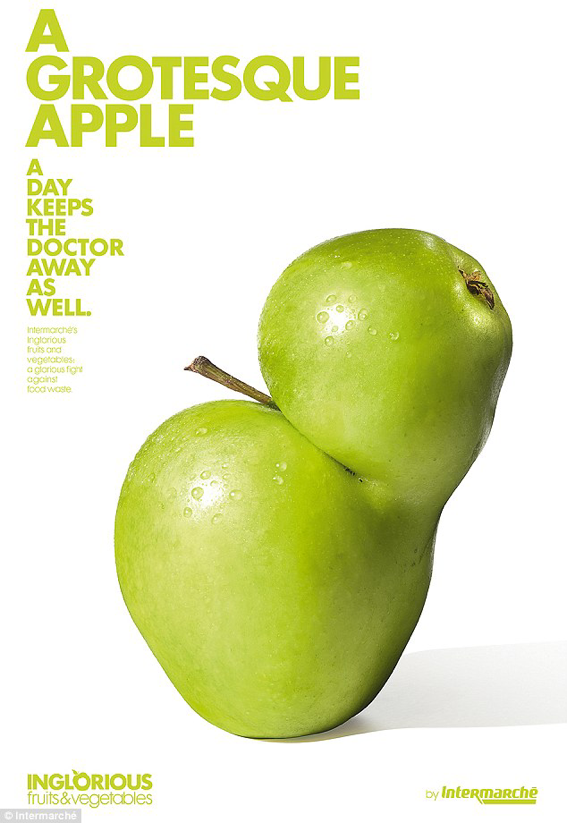
I’m not talking about the labels we humans shamefully put on each other, but about fruits and vegetables.
After two visits at big farms in the UK, I’m confident when I say “the brits really can’t stand imperfection, can they?”
Let me tell you why.
As part of the Future Food Sustainability MSc program, we got the chance to visit two of England’s biggest farms, G’s Fresh and Parrish Farms, and pester the farm owners with “why”s and “how come”s – my questions happened to be about food loss. Food loss, compared to food waste, is, partly, the amount of crops harvested that go to waste before they get the chance to reach suppliers and supermarkets, for reasons like aesthetic requirements (colour, size, weight, discolouration and deformation).
Going through the farms, it was clear that a lot of their work, and money, goes into making sure that crops grow to a certain size/colour/weight, and that those that don’t fit the criteria, don’t get sold. That’s money that the farmer didn’t get the chance to make.
Feeding ourselves has become an art, and has become a very attractive activity that is more often than not related to social status – “We eat with our eyes first”. But what it really is, at its core, is a means of survival, we feed ourselves to be healthy, and to live. We must ask farmers to grow nutritious food, no matter how it looks like in the end; if it’s tasty and nutritious, we don’t need it to be perfectly round/red/tall, because it’s going to be altered in some way during the cooking process.
By doing so, the farmer can worry less about growing crops that fit “what the customer looks for” and more on growing crops that are nutritious and delicious in an efficient and sustainable way.
Let’s face it, the biggest disappointment in life is picking up a perfect-looking strawberry – uniformly red, a slight shine, with small seeds and leaves, it even smells delicious – and biting into what feels like a bland and watery clown’s nose.
Pick up the ugly looking fruits and veggies, you’ll be doing more good than you think – and trust me, they won’t kill you!
Header image source: Parrish Farms, Round and Banana shallots ready to be sold

Categories & Tags:
Leave a comment on this post:
You might also like…

Formula 1 was the dream and Cranfield was the conduit
I still remember the exact moment Formula 1 (F1) got its hooks into me. I was in my first year of an aerospace undergraduate engineering degree when I watched a video about the sport ...
Introducing Barrington Library
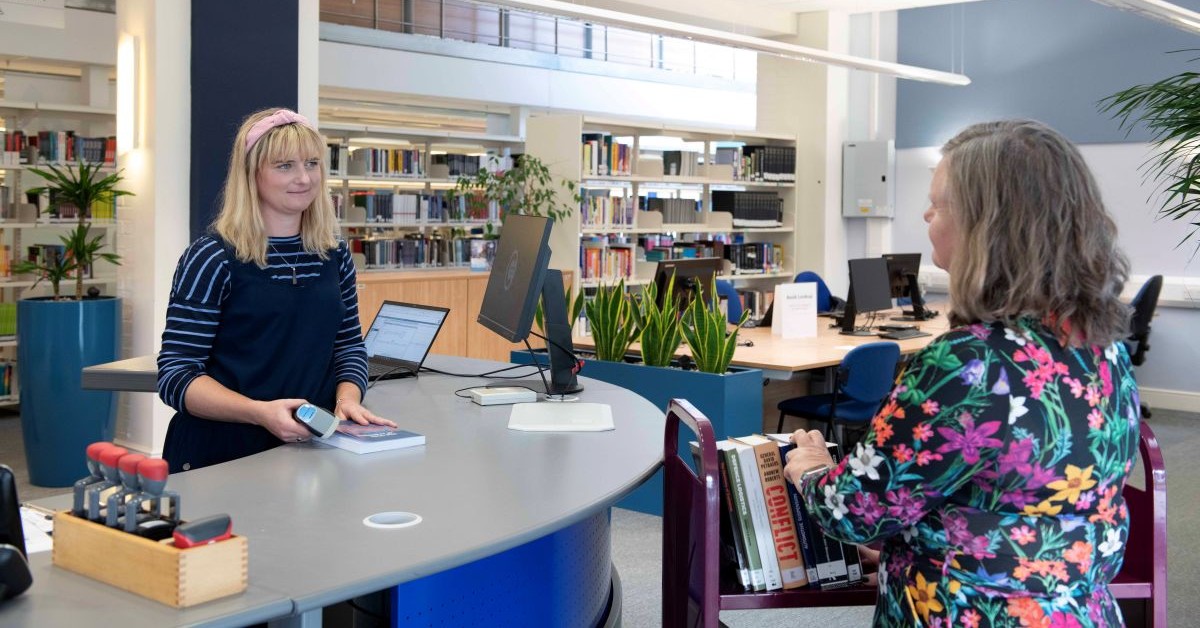
Welcome to all our new students! Barrington Library supports all the students and staff at Cranfield Defence and Security on the Shrivenham site. We are looking forward to meeting you all soon, in person or ...
About to start your journey at Cranfield? We’re here to help!
Congratulations on accepting your offer to study at Cranfield! If you’re keen to get a head start before your course begins, our Library Services team is here to support you every step of the way. ...
Bank holiday hours for Library Services: Monday 31 August
Library Services staff will be taking a break on Monday 31 August for the bank holiday. You will still be able to access all the resources and help you need via our library website. The 24/7 ...

The real cost of studying in the UK – what international students need to budget for
Moving overseas to pursue a postgraduate degree is one of the most exciting investments you can make in your future. It's also one of the most significant financial commitments you and your family will ...

Seven things you should definitely prepare for before studying at Cranfield University
You're thinking about Cranfield. Maybe you've done the virtual tour, read through the course pages, spoken to the course director or attended a webinar. Now, you're trying to figure out what life here is ...